
Carved Wall Panel
A carved wall panel brings architectural presence and rich texture to an interior, transforming plain plaster into a focal point of historic craftsmanship.
Carved Wall Panel
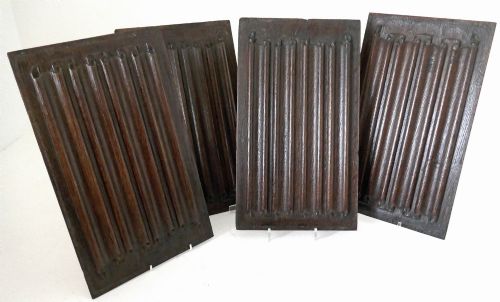
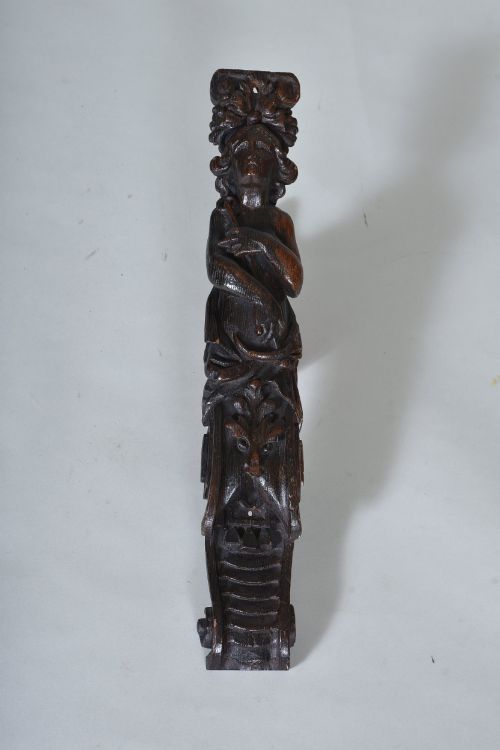
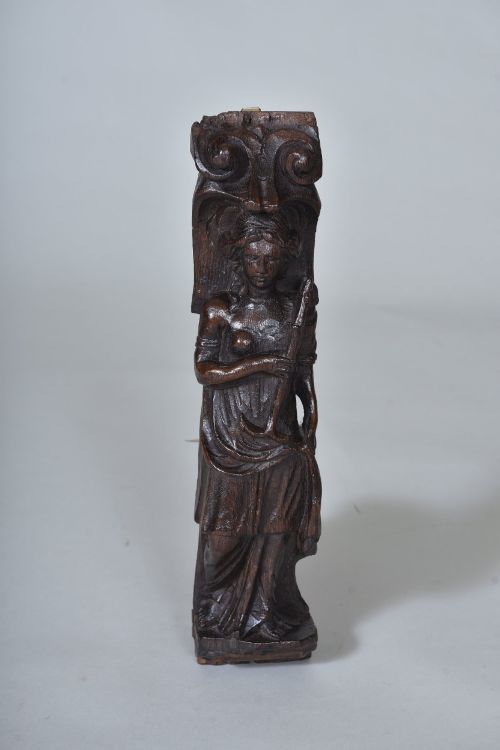
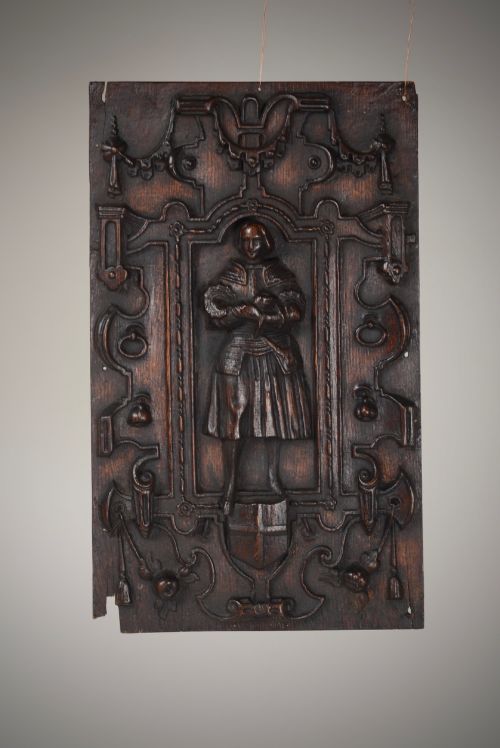
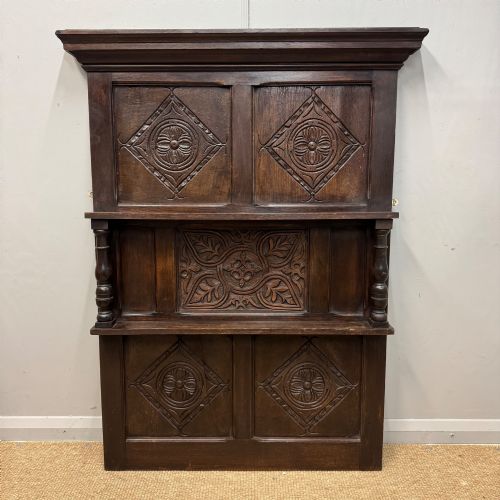
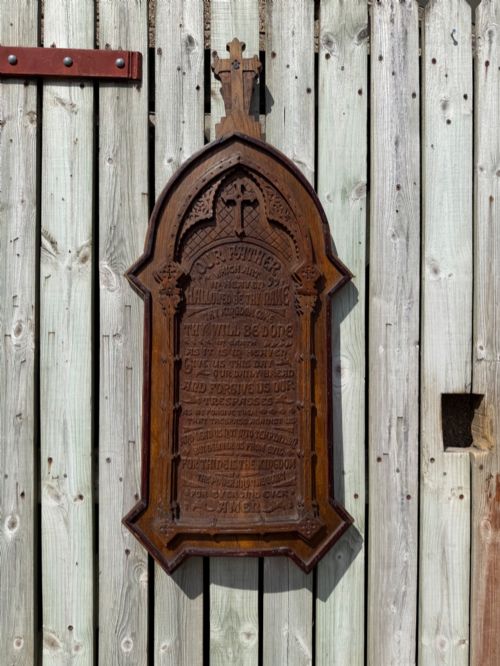
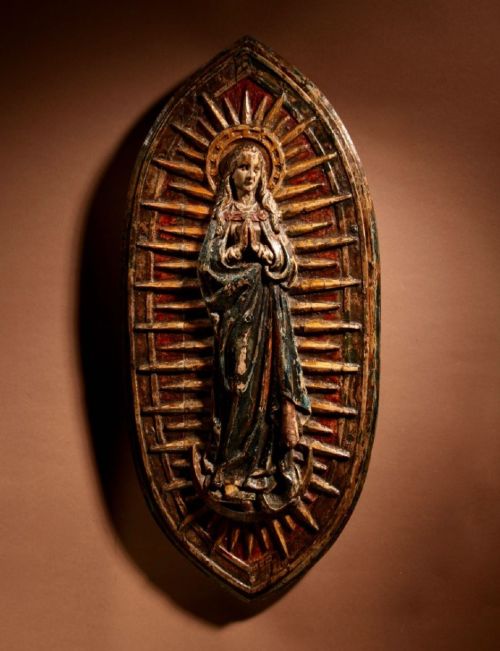
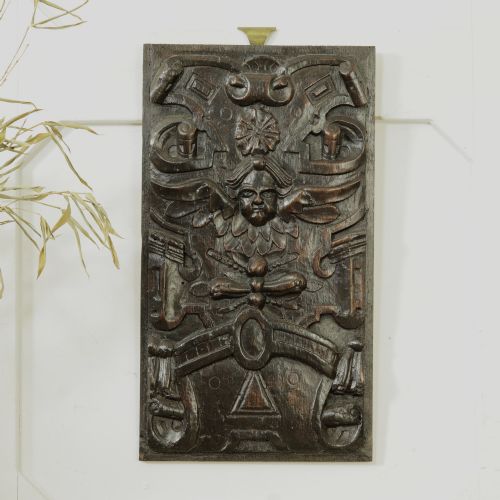
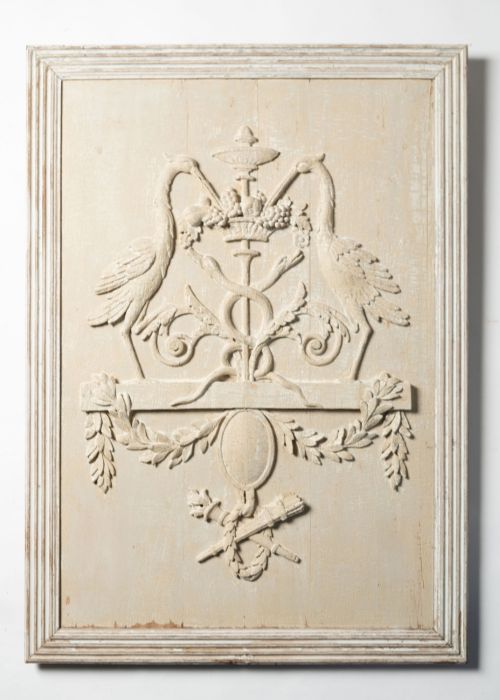
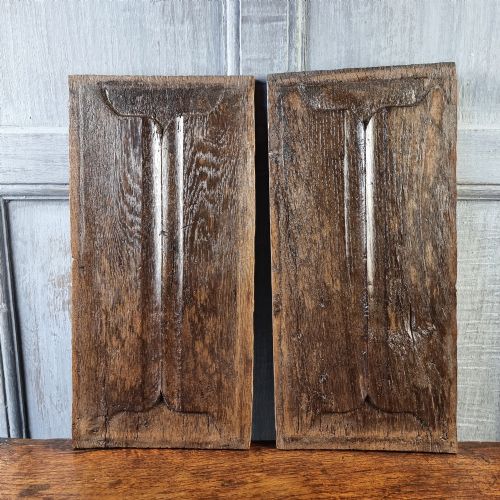
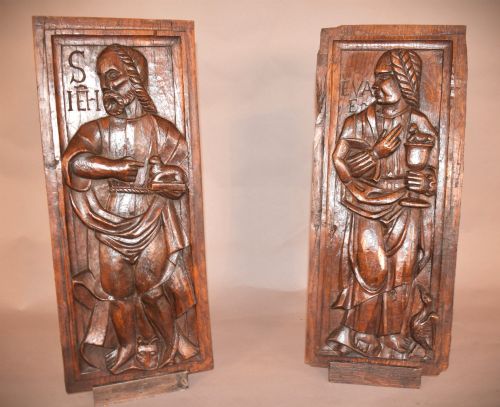
When you search for a carved wall panel, you encounter a diverse range of historic woodwork, architectural salvage, and decorative reliefs spanning multiple centuries. The selection encompasses architectural fragments, overmantel panels, linenfold designs, and figurative plaques intended for interior display.
You are most likely to meet 17th-century and 19th-century oak examples on this page, often originating from domestic paneling, church interiors, or repurposed furniture elements. These pieces frequently showcase traditional motifs such as linenfold, floral garlands, or religious iconography.
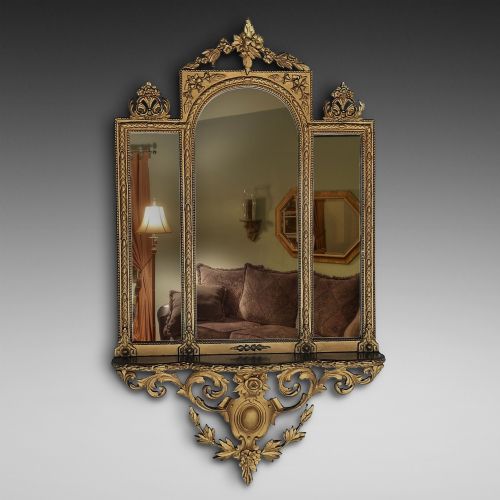
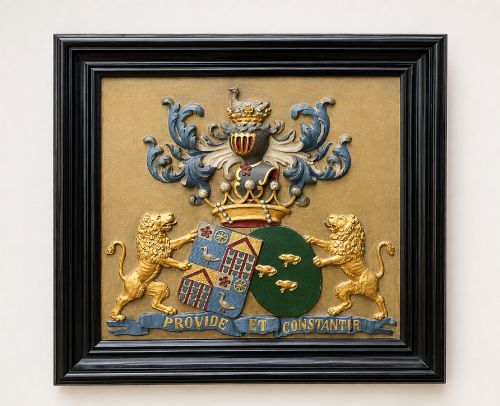
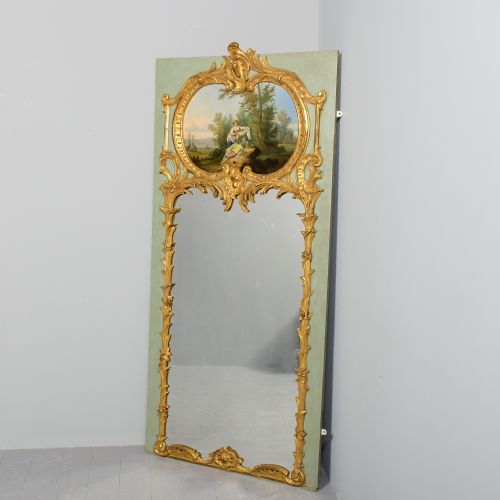
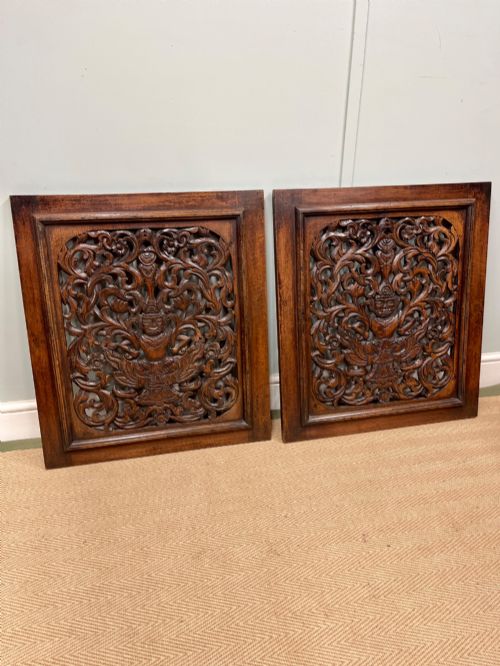
Beyond standard oak panels, the inventory includes specialised forms like French trumeau mirrors, Chinese giltwood carvings, Dutch heraldic plaques, and Burmese or Anglo-Indian woodwork. These variations reflect global trade, diverse regional workshops, and shifting aesthetic tastes across the centuries.
Materials and construction methods
The primary material across the collection is solid timber, with oak dominating the earlier periods alongside chestnut, walnut, and pine. Artisans worked these dense woods using hand chisels and gouges to achieve varying depths of relief, from flat geometric folds to high-relief sculptural figures.
Surface treatments play an integral role in the manufacture of these items, utilising gesso, gold leaf, paint, and polychrome pigments to enhance the carved details. Many pieces retain traces of their original finishes or historical overpainting, adding layers of visual texture to the wood grain.
Keep an eye out for hidden mythical creatures, as medieval carvers frequently tucked Green Men and dragons into the foliage.
Distinctions in execution and preservation
Quality rests primarily on the crispness and depth of the carving, where confident undercutting and expressive anatomical details distinguish master carvers from routine workshop production. The rhythm of the chisel work dictates whether a panel feels dynamic or mechanical.
State of preservation and structural integrity also separate pieces at different levels, particularly regarding the survival of original surface finishes, minimal timber loss, and the coherence of integrated elements like frames or polychromy.
The Carved Wall Panel Glossary
- Linenfold
- A style of wood carving representing folded cloth, commonly found on panels from the Tudor and 15th to 16th centuries. This geometric textile simulation gives a flat surface rhythmic vertical texture.
- Trumeau
- A decorative architectural wall mirror or panel featuring an integrated painted scene or artwork above the glass. Originating in France, these pieces combine interior reflection with decorative painting.
- Overmantel
- A decorative panel, mirror, or painting designed to be mounted directly above a fireplace mantelpiece. These fixtures often anchor the decorative scheme of a historic room.
- Polychrome
- The practice of decorating architectural elements or wood carvings in multiple colours. This technique brings painted realism and vibrancy to sculptural wood reliefs.
Carved Wall Panel: Frequently Asked Questions
How were carved panels originally used?
Historic panels typically formed part of larger interior schemes, including wall paneling systems, church choir stalls, altarpieces, or domestic furniture like bed heads and cupboards.
Over time, many of these elements were salvaged and repurposed as standalone decorative wall art or integrated into architectural mirrors.
How do I hang a heavy wooden panel safely?
Due to the substantial weight of dense timbers like old oak or mahogany, secure wall anchoring is essential. Fixing directly into masonry or locating wooden wall studs ensures the weight is properly supported.
Professional mirror plates or hidden french cleats are often employed to mount these substantial artefacts flush against a wall.
How do I tell a 17th-century panel from a later revival piece?
Authentic early pieces display tool marks left by hand chisels, irregular grain patterns, and signs of genuine shrinkage or oxidation appropriate to age. Assemblage methods, such as peg joints and hand-cut tenons, also provide clues to the period.
Revival pieces from the 19th century often feature more uniform machine tooling, standardised dimensions, and cleaner timber surfaces without centuries of handling.
Can these panels be cleaned without damaging the wood?
Routine maintenance requires only gentle dusting with a dry, soft cloth to prevent particulate buildup in the carved recesses. Water, modern detergents, and chemical polishes should be strictly avoided, as they can strip historic wax finishes or soften old gesso and paint.