




Nineteenth Century Panel
A nineteenth century panel brings tactile depth and historic narrative to a room, whether framed as a painting, inset in furniture, or hung as a textile.
Nineteenth Century Panel
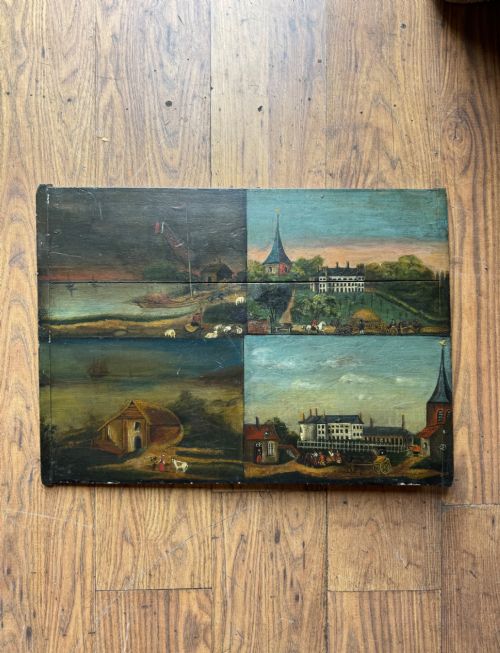
A nineteenth century panel encompasses a broad array of decorative and structural pieces created during the 1800s, crossing multiple domestic and artistic traditions. These objects range from rigid wooden carved plaques and painted wood supports to textile wall hangings, framed oil paintings, and stained glass windows.
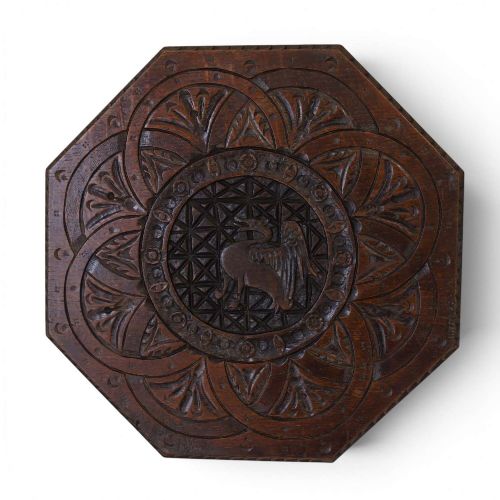
On this page, you will most frequently meet painted wood panels, carved wooden inserts on cabinets or screens, and fabric or needlework textiles designed for vertical display. The selection draws from British Victorian makers, European workshops, and Central Asian tribal weaving traditions.
Many of these items served a dual purpose in their original interiors, functioning as architectural elements, furniture components, or dedicated artworks. Their survival charts the changing tastes of the period, moving from formal neoclassical and Gothic revivals toward folk art and global aesthetics.
Materials and Construction
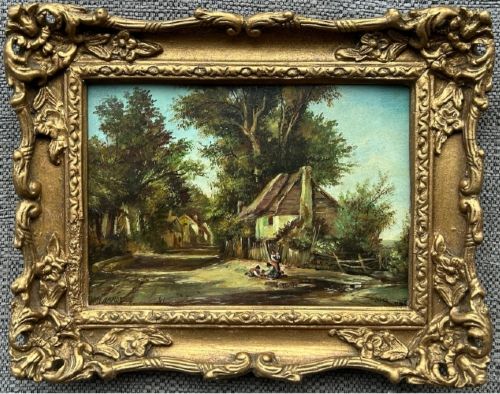
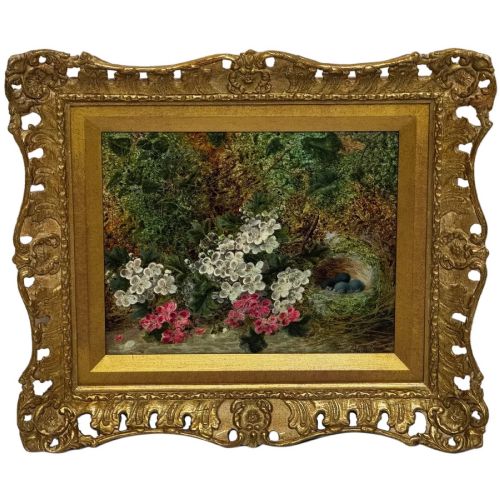
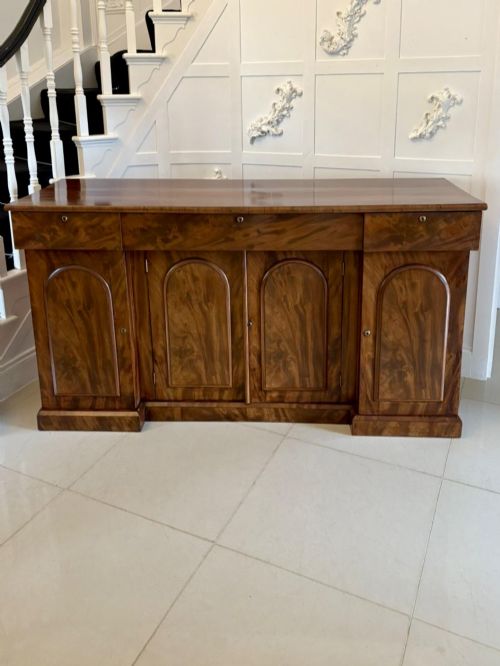
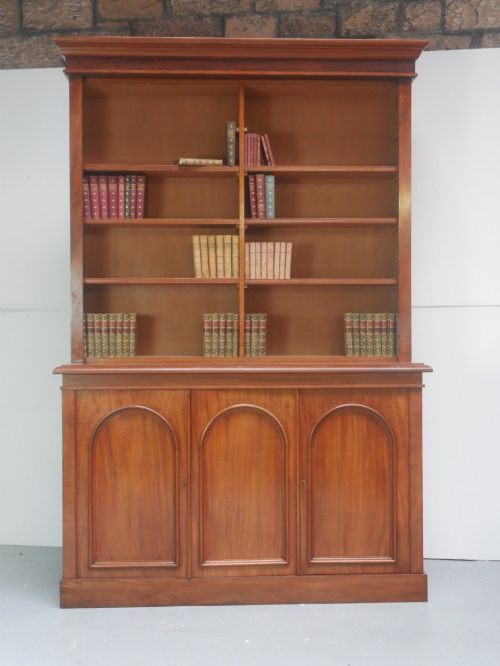
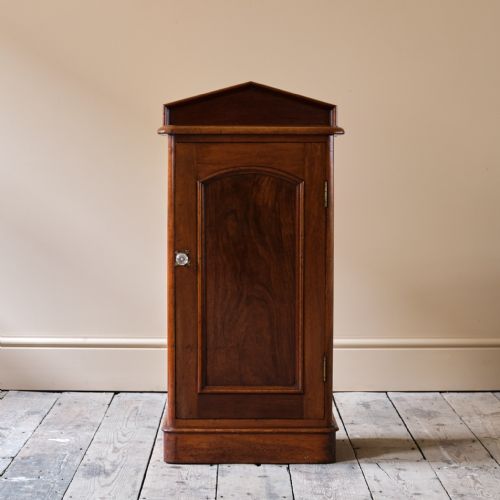
Makers utilised traditional timber supports, including oak, mahogany, walnut, and pine, often shaped through hand-carving, relief work, or fielded panel construction. Wood panels frequently served as the foundation for oil paintings, such as works executed on zinc or timber, or acted as structural doors for side cabinets and hall cupboards.
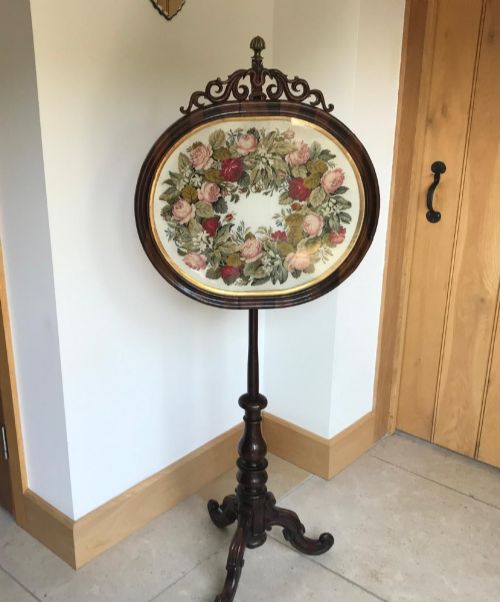
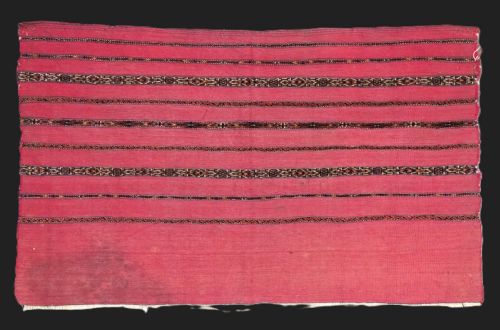
Textile panels relied on wool, silk, cotton, and metallic threads, employing techniques like needlepoint, embroidery, gros-point, and tribal weaving. Central Asian pieces display fine weave structures and natural dyes, while European examples often incorporate complex sampler stitching and patchwork.
Rigid decorative panels also incorporate specialised media, utilising leaded glass, stained glass, hand-painted ceramic elements, and cast brass hardware. Giltwood frames and carved wooden reliefs demonstrate period joinery and finishing methods typical of nineteenth-century workshops.
The selection includes items produced during the Victorian era, Regency period, and the late nineteenth century.
Assessing Quality and Execution
The standard of a nineteenth century panel rests heavily on the crispness of its hand-carved detail or the fidelity and preservation of its painted surface. Finer carved woodwork displays deep undercut relief and careful grain selection, whereas lesser examples show softer edges and mechanical tooling.
In textile panels, quality is determined by the density of the weave, the complexity of the pattern drawing, and the vibrancy of the remaining dyes. Well-drawn tribal motifs and tightly executed needlepoint samplers represent the upper tier of textile production.
The integrity of the mounting and framing further dictates the overall calibre of the piece. Original integration into furniture elements, such as cupboards and screens, commands attention when the joinery remains undisturbed and structurally sound.
Heinrich Grünbaum·Icilio Federico Joni·Japy Frères·Liberty and Co·William Howard Hardy
The Nineteenth Century Panel Glossary
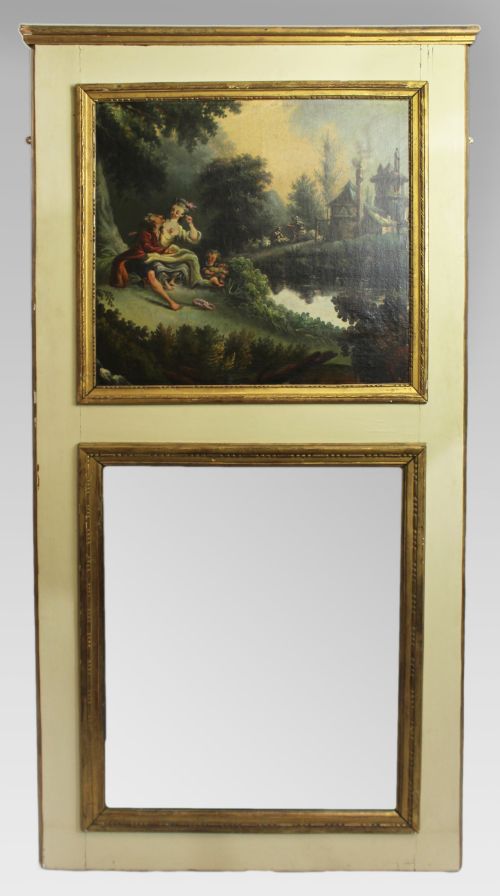
- Trumeau mirror
- A tall wall mirror incorporating an oil painting or carved panel in the upper section. These decorative elements were popular in French interior design during the nineteenth century.
- Chuval face
- The flat-woven or pile-knotted front of a large tribal storage bag produced by Turkmen groups. These pieces feature distinctive guls and geometric repeat patterns.
- Gros-point
- A heavy counted-thread embroidery stitch worked on canvas, used to create durable and detailed pictorial tapestries. It often appears in nineteenth-century domestic needlework pictures.
- Fielded panel
- A wooden panel with bevelled or raised edges fitted within a grooved frame, designed to accommodate the natural expansion and contraction of timber. This technique is common in nineteenth-century cabinetry and doors.
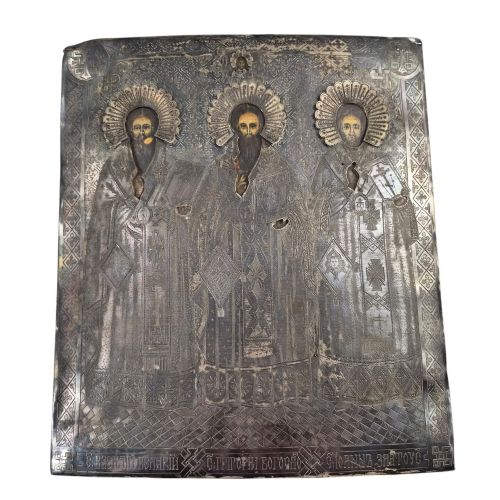
- Icon
- A religious work of art from the Eastern Orthodox tradition, typically painted on wood panels and sometimes enhanced with metal covers. Examples often feature detailed silver riza work.
Nineteenth Century Panel: Frequently Asked Questions
What is a nineteenth century panel?
A nineteenth century panel is a flat section of wood, textile, glass, or metal created between 1800 and 1900, functioning either as an independent artwork or as a component of larger furniture and architecture.
These objects include oil paintings on wood or zinc, embroidered tribal hangings, carved wooden reliefs, and architectural stained glass elements.
How were these panels used originally?
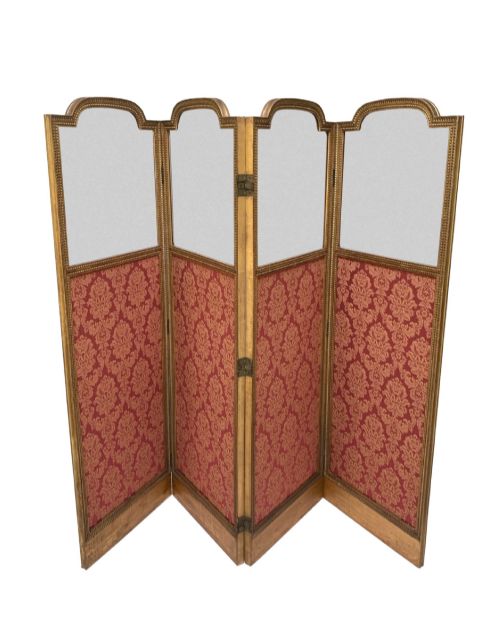
Many nineteenth century panels were integrated directly into domestic interiors as wall hangings, room dividers, furniture doors, or overmantle decorations.
Textile panels often served as dowry pieces or decorative wall coverings, while carved wooden panels adorned sideboards, cabinets, and folding screens.
How do I care for a textile panel?
Textile panels require protection from direct sunlight to prevent fading of natural wool and silk dyes. Keep them away from excessive moisture and fluctuating humidity.
Mounting them properly behind UV-filtering glass or supporting them evenly on a padded wall hanging system helps preserve the fragile fibres.
How do I date a wooden panel?
Dating a wooden panel involves examining the tool marks, timber species, joinery methods, and the style of any carved or painted decoration. Nineteenth-century pieces often show a combination of machine-sawn preparation and hand-finished detailing.
Comparing the stylistic motifs, such as Gothic Revival or Aesthetic Movement designs, helps narrow down the period of production within the 1800s.