



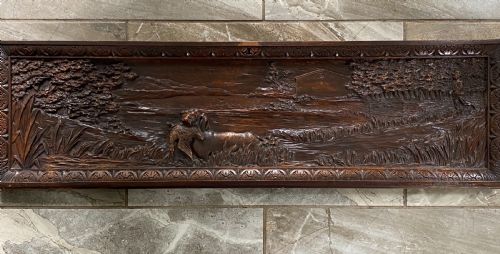


Carved Hunting Panel
A carved hunting panel brings the dark timber and dramatic game scenes of a historic lodge straight into a modern interior.
Carved Hunting Panel
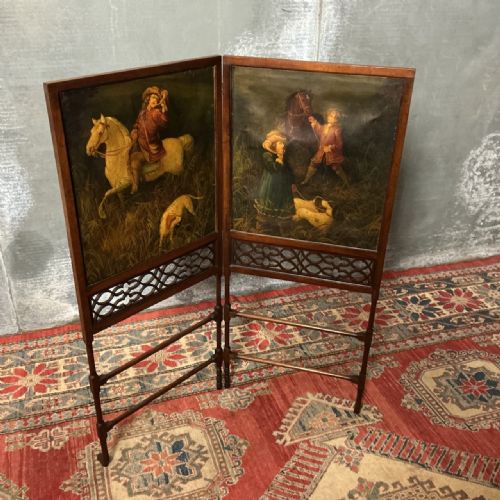
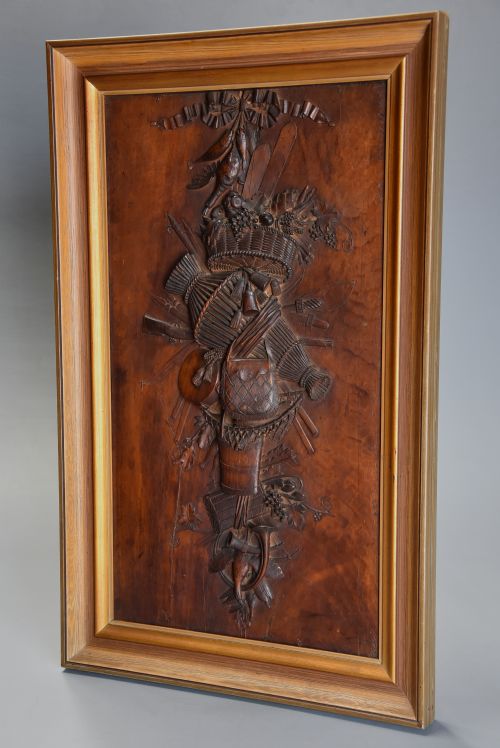
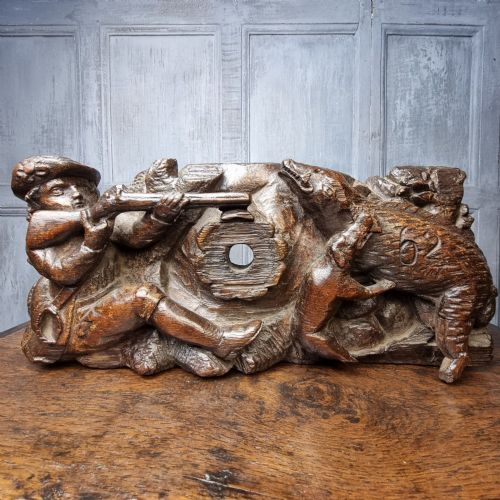
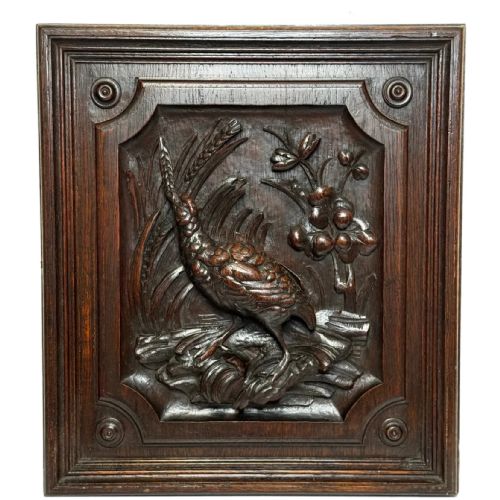
A carved hunting panel transforms timber into deep relief scenes of hounds, stags, boars, and forest trophies intended for display on walls and architectural surfaces. You will frequently encounter these pieces rendered in rich oak and walnut from the nineteenth century alongside earlier seventeenth-century examples.
The format ranges from overdoor plaques and fire screens to coat racks and wall reliefs, often drawing on distinct regional styles such as Black Forest and French hunting lodge aesthetics. These heavy wood carvings serve as dramatic focal points that reflect centuries of sporting traditions.
Materials and construction methods
Carvers shaped these works primarily from dense timbers including oak, walnut, fruitwood, and tiger oak, utilising hand chisels to achieve high-relief three-dimensional depth. Selected pieces incorporate taxidermy hooves and oil paintings on canvas to heighten the naturalistic sporting theme.
Makers utilised various joinery and mounting techniques to secure large panels into architectural settings, fire screens, and hall racks, ensuring the heavy timber remained stable over generations of display.
Carved Hunting Panel Retail Price Guide 2026
Typical asking prices for carved hunting panel among the pieces listed under this phrase on Sellingantiques today, from the lower quarter to the upper quarter. They describe what is for sale here now, not the wider market.
Certain historic panels feature remarkably expressive hunting dogs caught mid-howl alongside remarkably stubborn-looking wild boars.
Assessing quality in carved panels
The distinction between ordinary workshop production and exhibition quality work lies entirely in the depth and animation of the carving, where muscle tension in animals and texture in fur are rendered with acute anatomical precision. Superior panels demonstrate crisp undercut details that lift figures cleanly from the background timber.
Material selection also dictates standing, with dense exhibition-grade walnut and finely figured oak holding sharper lines than softer timbers, while integrated elements like taxidermy require exceptional preservation to maintain their impact.
The Carved Hunting Panel Glossary
- Black Forest
- A nineteenth-century style originating from the wooded mountain region of central Europe, renowned for deeply carved animal subjects and naturalistic foliage. This tradition produced many of the most dramatic dog and stag panels found today.
- Relief carving
- A sculptural technique where figures project from a flat background timber without being fully detached. High relief panels feature elements that stand out significantly from the plane.
- Taxidermy
- The art of preserving and mounting animal skins. Selected hall racks and gun mounts combine this practice with carved wood elements.
- Pugin design
- A decorative style associated with the Gothic Revival movement championed by Augustus Pugin. These pieces often display medieval architectural motifs alongside traditional woodwork.
- Trophy carving
- A specialised wooden relief depicting game animals, fowl, or hunting implements arranged as a display of sporting success. These works frequently decorate an overdoor or wall plaque.
Carved Hunting Panel: Frequently Asked Questions
Where were these panels originally displayed?
These works typically adorned the walls, overdoors, and hallways of hunting lodges, country houses, and baronial halls.
They served as architectural decoration that celebrated regional sporting pursuits and the natural world.
How do I clean antique carved timber?
Dust the deep recesses regularly using a soft natural bristle brush to prevent particle buildup in the intricate animal carvings.
Avoid liquid polishes and commercial sprays that can dull the historic patina of the bare wood.
What is the difference between oak and walnut panels?
Oak panels tend to exhibit a straight, pronounced grain with a medieval or Gothic character found across earlier centuries.
Walnut pieces often allow for finer, smoother sculptural detail, particularly within the nineteenth-century Black Forest tradition.