



German Black Forest
German black forest carvings and timepieces bring intricate woodland imagery and skilled woodworking directly into domestic interiors.
German Black Forest
When searching for german black forest items, buyers encounter a diverse range of carved wooden objects originating from the mountainous wooded regions of central Europe. The selection spans domestic furnishings, timepieces, and decorative articles produced predominantly during the nineteenth century and early twentieth century.
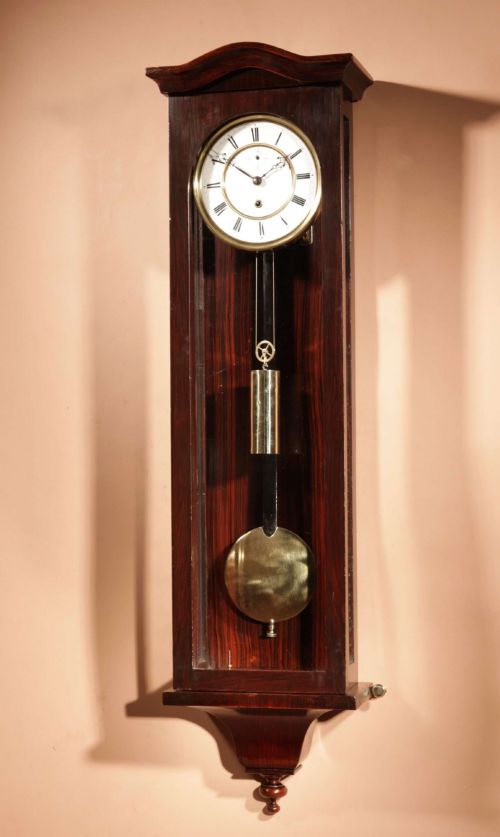
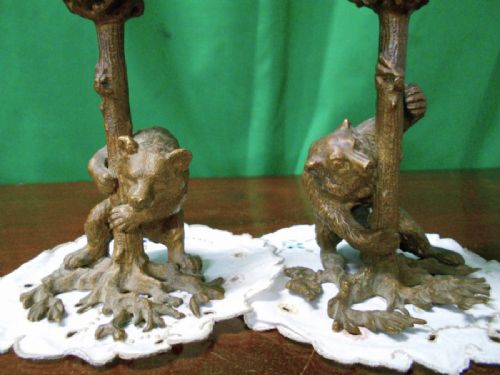
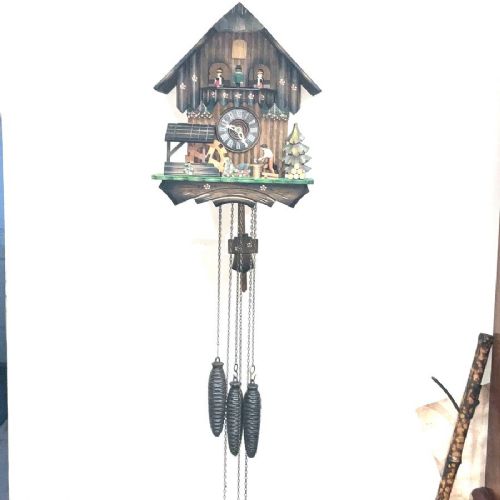
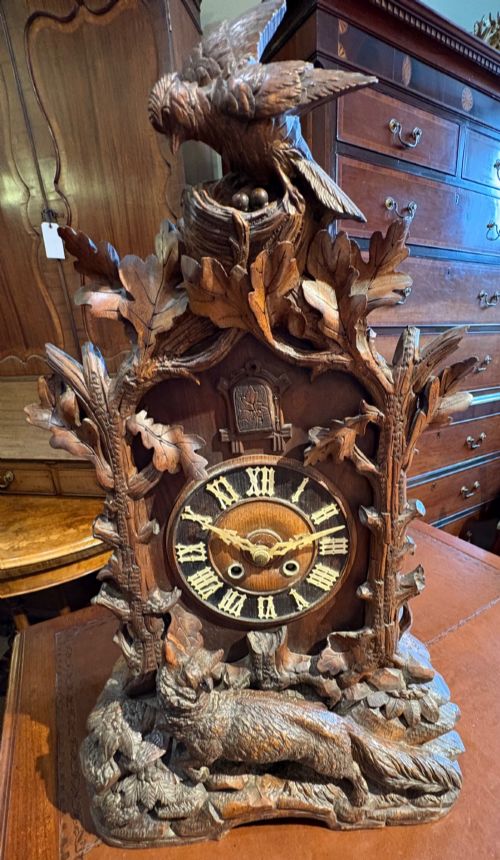
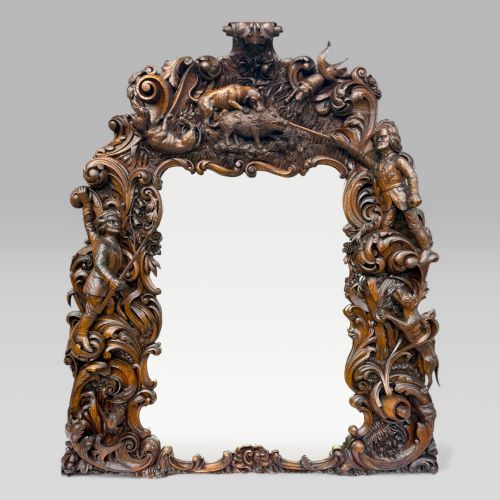
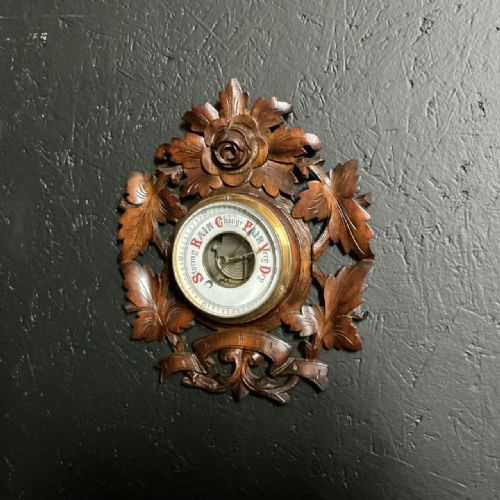
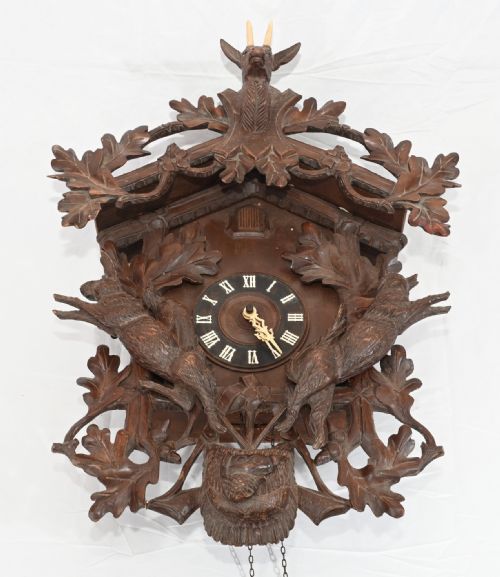
The most frequent items found within this category are cuckoo clocks, wall barometers, and carved animal figures rendered in walnut, oak, and linden wood. These pieces often incorporate naturalistic motifs such as bears, deer, foliage, and hunting scenes reflecting Victorian tastes.
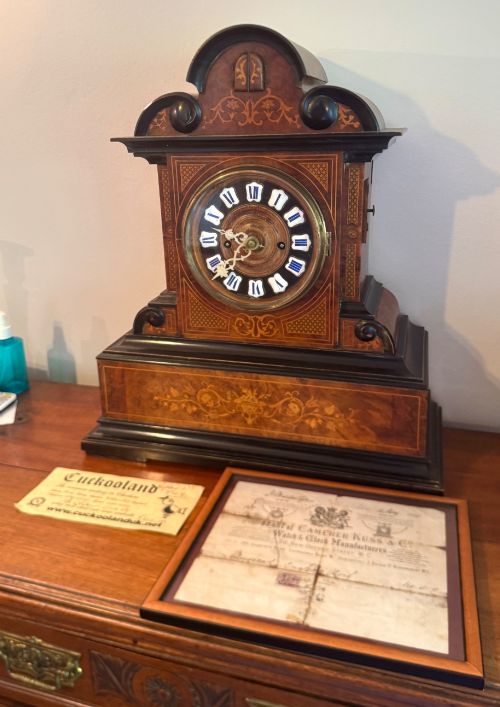
Beyond horological pieces, the grouping extends to hall stands, mantel clocks, and small carved ornaments like pipes, nutcrackers, and inkwells. Each object displays the distinctive hand-carved textures and regional styling associated with the craft.
Materials and construction methods
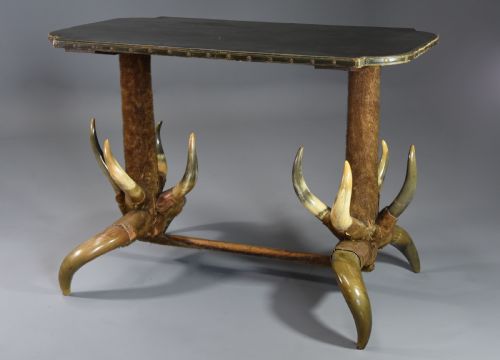
Makers utilised locally available timbers including walnut, oak, linden wood, and occasionally animal horn or deer antlers to build structural frames and carved elements. Timbers were selected for their grain and suitability for deep, dimensional relief carving.
Hand-carved panels and figural components were assembled using traditional joinery, then combined with mechanical movements of brass and steel for clocks, or glass dials for barometers. Marquetry and ebonised detailing frequently supplemented the carved surfaces on clocks and small furniture.
A startled deer, a watchful bear, or a mechanical bird appearing on the hour brings a permanent slice of Alpine woodland indoors.
Evaluating the craftsmanship
The distinction between standard commercial output and superior craftsmanship lies in the depth and anatomical precision of the carving. Master carvers achieved realistic texture in fur, feathers, and foliage with undercut details that create genuine shadow and depth.
Mechanical complexity and original components heavily influence the standard of horological pieces. Clocks retaining their original movements, bellows, and untouched wooden dials demonstrate superior preservation compared to those with replaced parts.
Philipp Haas·Karl Griesbaum·Johann Baptist Beha·Lenzkirch
The German Black Forest Glossary
- Cuckoo clock
- A mechanical clock, typically driven by weights, that uses pipes and bellows to produce a cuckoo call on the hours and half-hours. These timepieces often feature elaborate hand-carved cases adorned with leaves and forest animals.
- Aneroid barometer
- An instrument for measuring atmospheric pressure without using liquid, operating instead by the expansion and contraction of a flexible metal box. In this category, barometer mechanisms are housed within heavily carved wooden plaques.
- Fusee
- A conical pulley used in clock movements to maintain equal driving force as the mainspring unwinds. This mechanism is found in higher-grade bracket and table clocks.
- Marquetry
- The art of applying pieces of veneer to a structural structure to form decorative patterns and pictures. Walnut veneer is commonly treated this way on clock cases.
- Linden wood
- A pale, fine-grained timber frequently chosen by woodcarvers for its uniform texture and lack of pronounced grain, allowing for intricate detail.
German Black Forest: Frequently Asked Questions
How do I maintain a mechanical cuckoo clock?
Mechanical cuckoo clocks require regular winding and occasional professional oiling to keep the gear trains and bellows functioning correctly. Hanging the clock securely on a solid wall ensures the pendulum swings evenly and the movement keeps accurate time.
Avoid placing these timepieces near direct heat sources or in damp environments, as fluctuations in temperature and humidity can warp the carved wooden case and damage internal components.
What woods were used in these carvings?
Carvers predominantly worked with regional timbers such as walnut, oak, and linden wood. Linden wood provided a soft, even grain ideal for intricate chisel work, while walnut and oak formed robust structures for furniture and clock cases.
Occasionally, makers incorporated organic materials such as deer antlers, cow horn, and glass dials to add textural contrast to the wooden compositions.
How can I distinguish period pieces from later reproductions?
Period items typically exhibit hand tool marks, consistent ageing of the timber, and traditional joinery methods appropriate to the nineteenth century. Examining the construction of the back panels and the wear on moving parts reveals clues about age.
Later reproductions often display machine-cut details, uniform modern adhesives, or synthetic finishes that lack the patina developed through decades of handling.
Where were these items originally made?
These objects originated primarily in the Black Forest region of southwestern Germany, along with parts of Switzerland and neighbouring areas. Cottage industries and specialised workshops produced clocks and carvings that were subsequently exported across Europe and Britain.
Production ranged from small family workshops crafting individual ornaments to larger manufacturing establishments producing standardised clock movements and cases.