
Brown Walnut Carving
Brown walnut carving brings tactile warmth to any room, offering rich timber surfaces shaped by skilled hands across centuries of domestic life.
Brown Walnut Carving
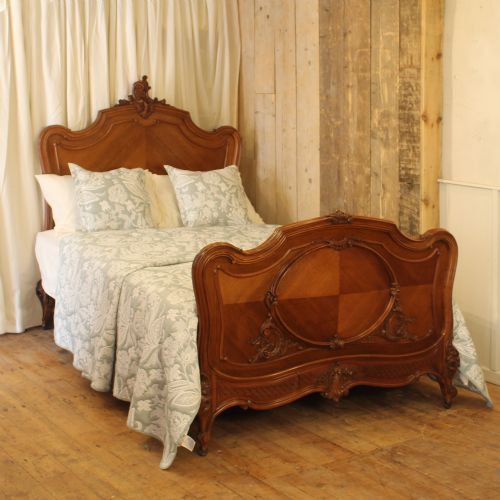
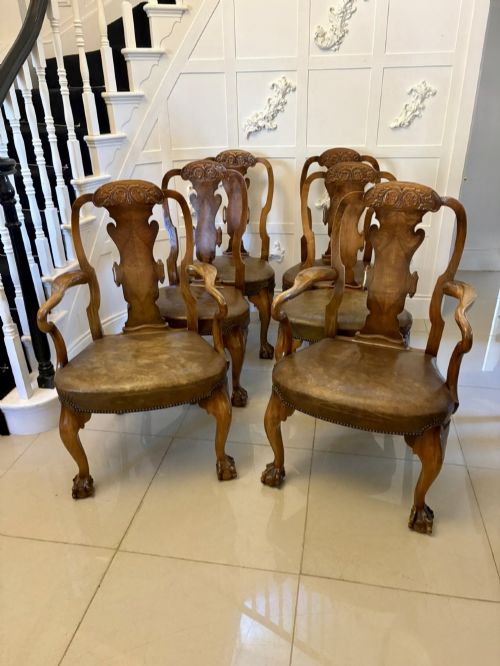
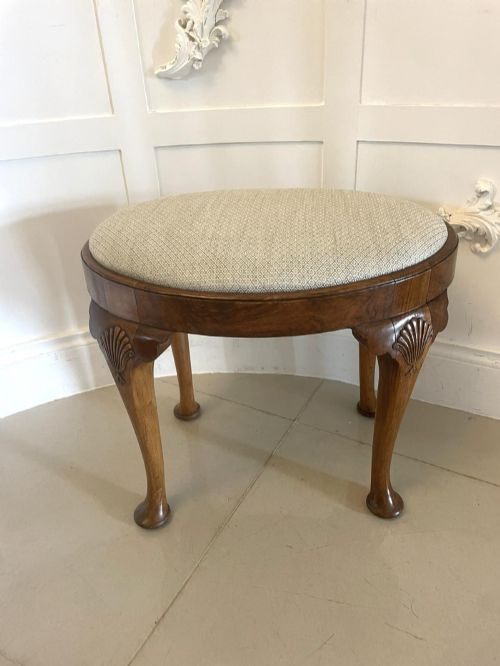
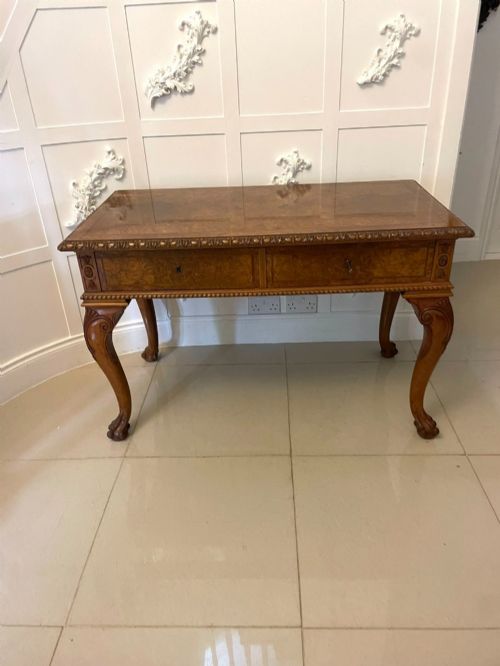
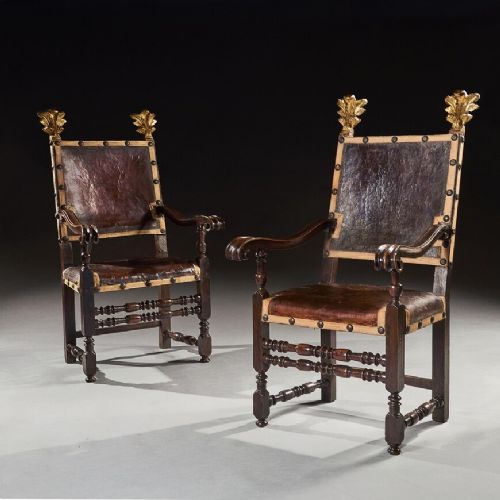
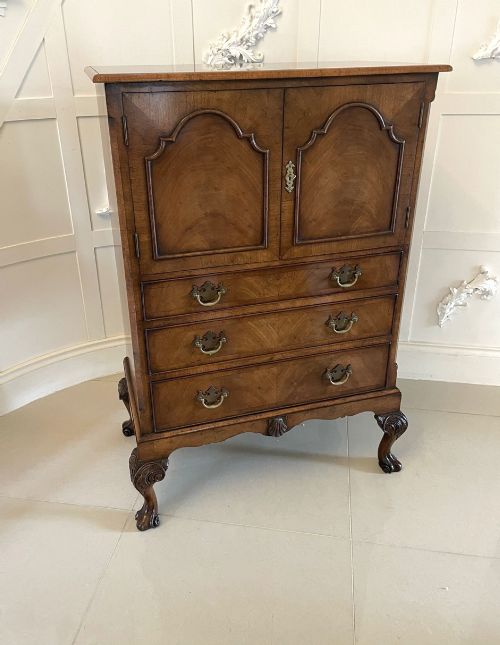
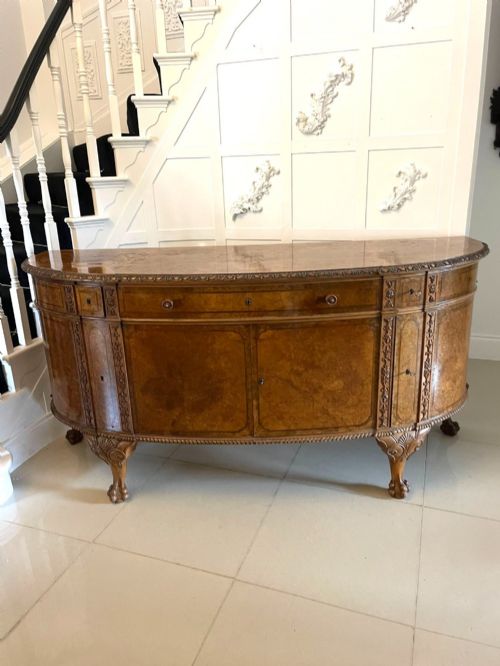
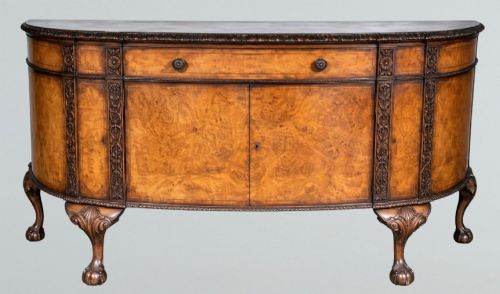
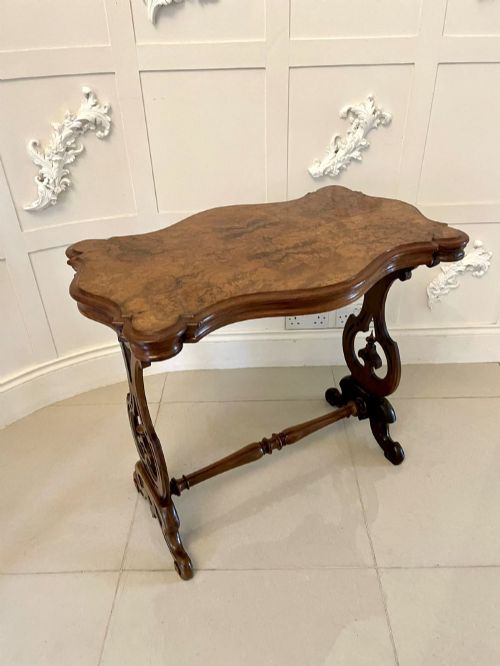
When you search for brown walnut carving, you encounter a diverse range of furniture and decorative objects spanning the Victorian era, the eighteenth century, and the early twentieth century. These pieces showcase the natural beauty of hardwood combined with detailed handiwork.
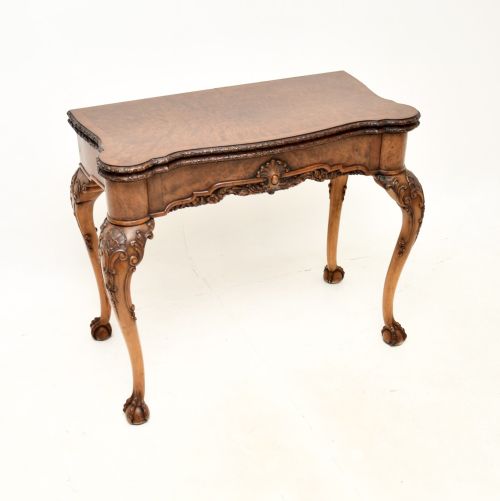
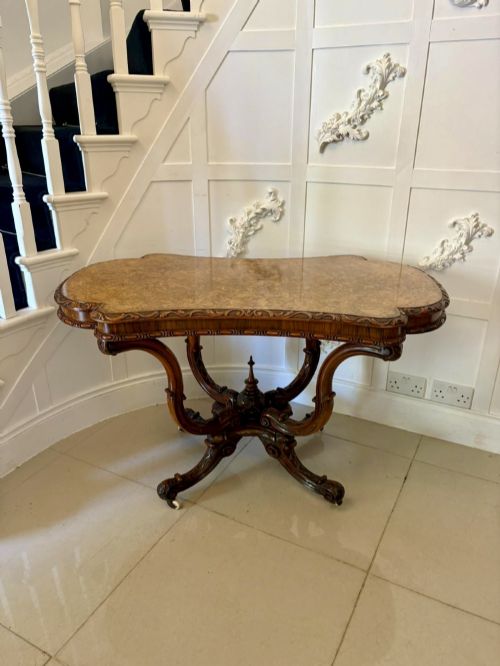
The selections available here lean heavily toward Victorian dining chairs, centre tables, and sewing tables constructed from burr walnut. Alongside these domestic forms, you find occasional tables, card tables, and cabinets originating from periods including Queen Anne Revival and Edwardian times.
How these pieces were constructed
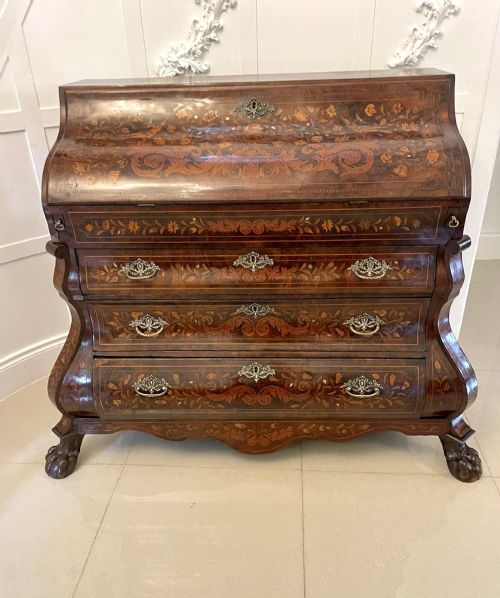
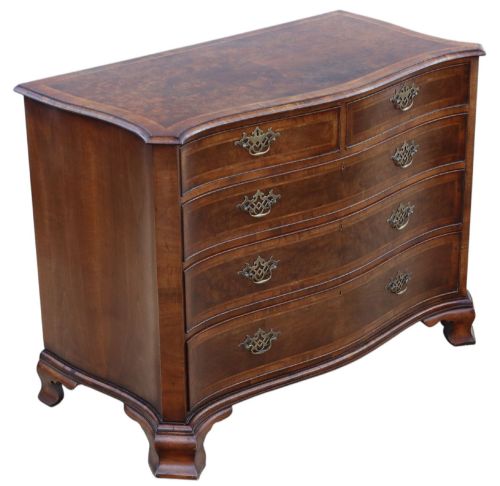
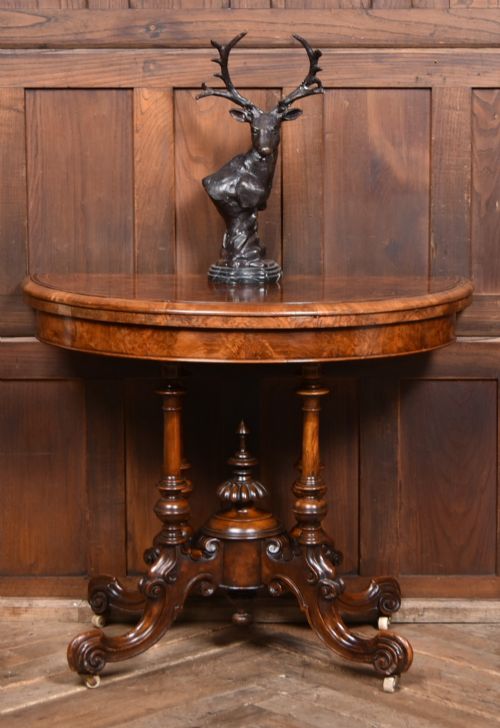
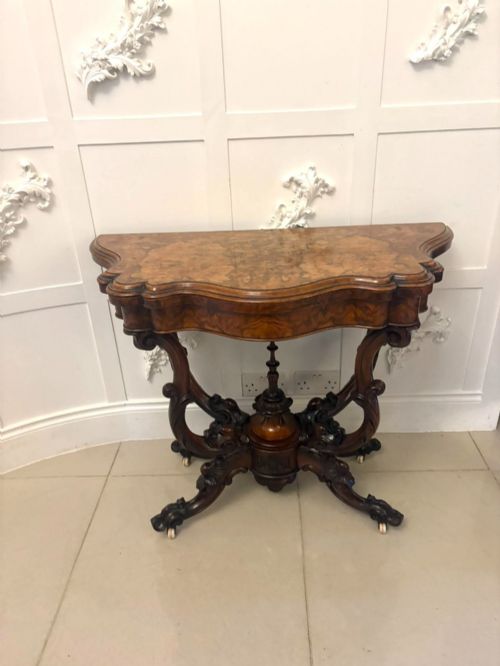
Cabinet makers utilised solid walnut and decorative burr veneers over secondary timbers, often applying floral marquetry, crossbanding, and parcel-gilt details to enrich the surface. Carved elements like scrolling foliage and basket bases required precise chisel work by experienced artisans.
Many items incorporate secondary materials such as brass fittings, leather inserts, glass, and gold leaf to accent the timber framework. French polishing or traditional oil finishes were typically applied to bring out the deep brown tones and intricate grain patterns.
Listings feature walnut objects spanning from the seventeenth century through the Victorian era to the 1930s, incorporating materials like brass, leather, and gold leaf.
What distinguishes finer examples
Quality rests primarily in the selection of the timber and the crispness of the carved ornamentation. Burr walnut with highly figured, symmetrical grain commands attention, while deeply undercut and sharply defined carvings show superior craftsmanship compared to softer, shallower work.
Structural integrity and original details also set pieces apart. Examples retaining their original hardware, uncompromised marquetry inlays, and stable joinery represent the higher tier of what survives from these historical periods.
Shoolbred & Co.
The Brown Walnut Carving Glossary
- Burr walnut
- A prized veneer taken from the growth excrescences on walnut trees, noted for its swirling, highly decorative grain patterns. It provides a striking visual texture on table tops and cabinet fronts.
- Marquetry
- The art of applying pieces of veneer to a structure to form decorative patterns and pictures. Floral designs are frequently seen on eighteenth and nineteenth century furniture.
- Crossbanding
- A border technique where strips of veneer are laid perpendicular to the main grain direction. This frames panels on tabletops and drawer fronts.
- Parcel-gilt
- A method of partially gilding an object with gold leaf to highlight specific carved details against the dark walnut background.
- Torchere
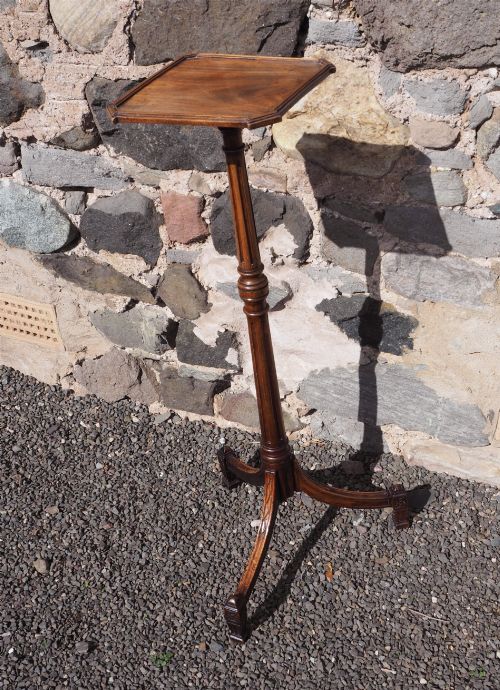
- A tall stand or pedestal originally designed to hold a candelabrum or light source. They often feature carved shafts and circular tops.
Brown Walnut Carving: Frequently Asked Questions
How do I care for walnut furniture?
Keep walnut pieces away from direct sunlight and heat sources to prevent the wood and veneers from drying out or splitting. Dust regularly with a soft cloth and apply traditional beeswax periodically to nourish the finish.
Avoid using silicone-based polishes or wet cloths, as excess moisture can damage the polished surface and lift delicate veneers over time.
What is burr walnut?
Burr walnut comes from a tree growth that produces complex, swirling grain patterns rather than straight lines. Cabinet makers slice this wood into thin veneers for decorative surfaces.
Because of its distinct appearance, burr walnut was frequently utilised on prominent surfaces like Victorian card tables, sewing boxes, and cabinet doors.
How do I identify Victorian walnut pieces?
Victorian walnut items often display rich dark brown tones, elaborate carved details, and frequent use of burr veneer on table tops and credenzas. Common forms include balloon back dining chairs and fold-over games tables.
Construction methods from this era typically involve solid walnut framing combined with hand-cut dovetails in drawer construction and traditional shellac finishes.
Where were these carved items placed?
These pieces served practical and decorative functions in formal reception rooms, libraries, and parlours of period homes. Centre tables stood prominently in rooms to display lamps, books, or sewing equipment.
Smaller items like wine tables, stools, and torchere stands filled corners and seating areas, adding functional surfaces and decorative carved silhouettes to domestic spaces.