




Botanical Wood Carving
Botanical wood carving brings the detailed forms of foliage and flora into domestic furniture and decorative objects.
Botanical Wood Carving
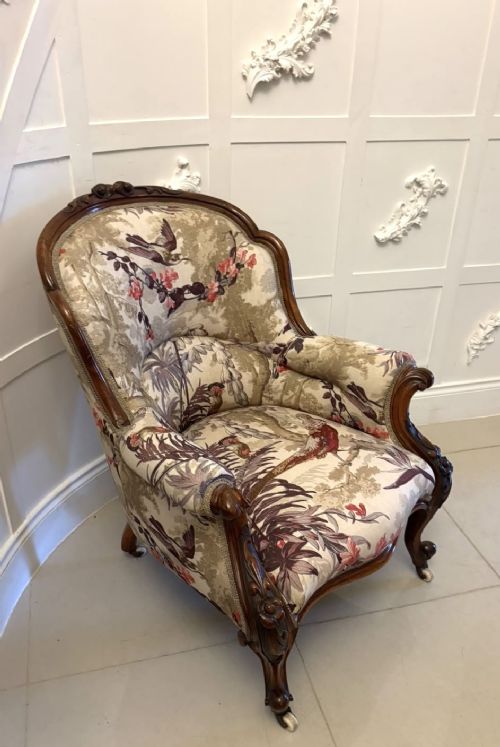
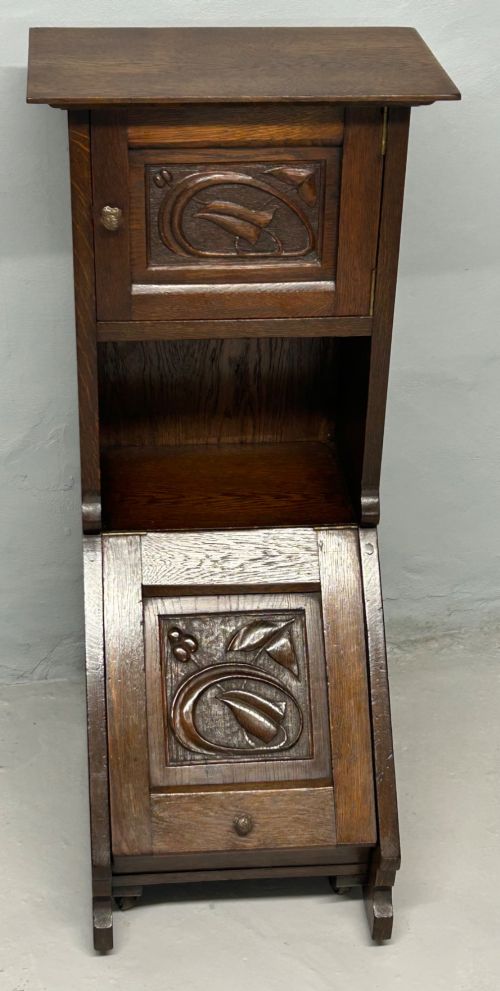
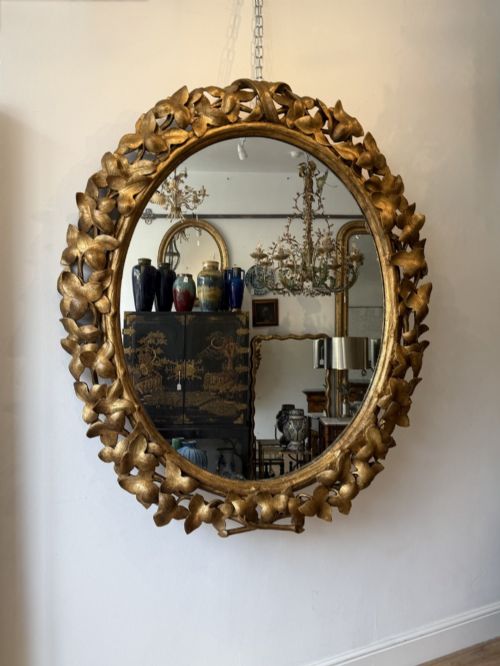
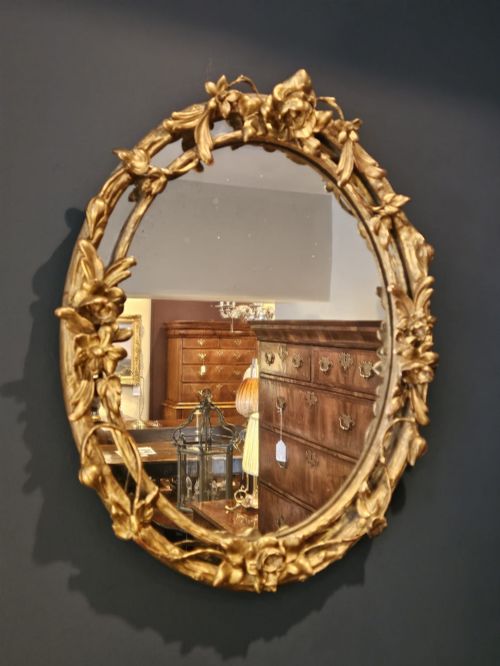
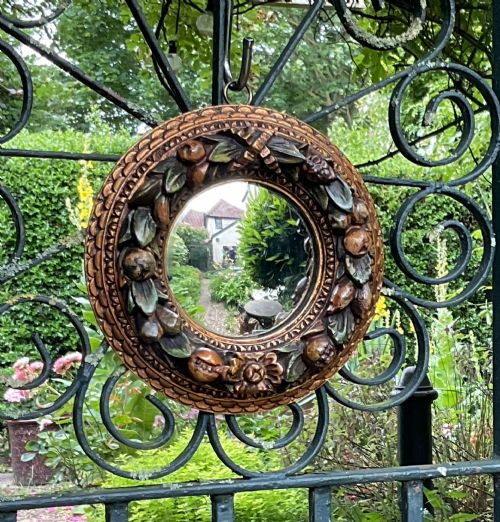
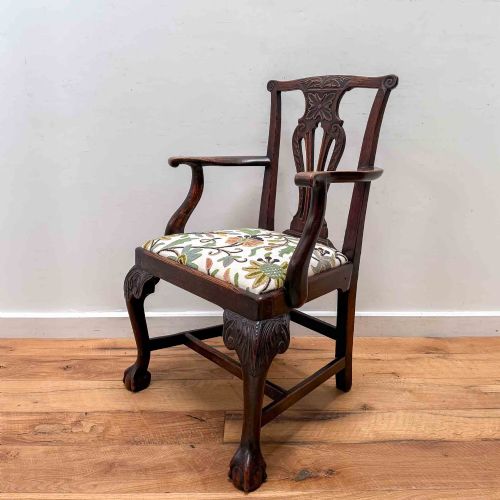
Botanical wood carving encompasses decorative elements shaped into leaves, vines, ferns, and water plants upon timber surfaces. The items found here span the Victorian era, the Edwardian period, and the nineteenth century, taking the form of wall mirrors, architectural panels, and occasional furniture.
Buyers encounter regional interpretations ranging from British oak and mahogany execution to Anglo-Indian padauk and walnut work. The focus remains on organic motifs rendered directly into the solid timber or applied as carved frames and panels.
What varies in quality
The distinction between ordinary and superior botanical wood carving lies in the depth of the undercut and the naturalism of the foliage. Master carvers achieved realistic overlapping leaves and delicate stems that create genuine shadow and relief, whereas lesser pieces display flat, stiff contours.
The crispness of the edges and the absence of clumsy filling or repair work mark the higher tier of these pieces. Selection of the timber also dictates quality, with dense hardwoods showing finer detail than softer or more open-grained woods.
Botanical Wood Carving Retail Price Guide 2026
Typical asking prices for botanical wood carving among the pieces listed under this phrase on Sellingantiques today, from the lower quarter to the upper quarter. They describe what is for sale here now, not the wider market.
The site records various forms of botanical work, including wall mirrors, door panels, jardiniere stands, and occasional tables.
Liberty and Co·Thomas King
The Botanical Wood Carving Glossary
- Relief carving
- A sculptural technique where the figures project from a flat background. In botanical pieces, the foliage stands proud of the panel surface.
- Boxwood
- A dense, pale hardwood favoured for intricate miniature work. Its fine grain prevents chipping during detailed carving.
- Padauk
- A heavy tropical hardwood with a reddish brown colour used in Anglo-Indian furniture. It accepts deep, crisp botanical detailing.
- Gilt
- A thin layer of gold leaf applied to a carved wooden surface. It frequently highlights the contours of Victorian vine mirrors.
- Edo period
- A Japanese historical epoch associated with refined boxwood craftsmanship. Pieces from this time show exceptional natural observation.
Botanical Wood Carving: Frequently Asked Questions
What periods do these carvings come from?
The items originate predominantly from the nineteenth century and the Victorian era, with examples stretching into the early twentieth century. Regional pieces reflect the prevalent design movements of their respective decades.
Craftsmen across Britain, Europe, and Asia applied botanical motifs to everyday objects during these periods, resulting in diverse stylistic interpretations.
Where were botanical carvings used in the home?
These pieces served both decorative and functional roles in period interiors, appearing as wall mirrors, door panels, and occasional tables. They brought natural forms into formal rooms.
Smaller items like carved panels and display tables were positioned in reception rooms to showcase the owner's appreciation for fine craftsmanship and nature.
How do I care for carved wooden panels?
Maintenance requires keeping the timber away from direct heat sources and sudden humidity changes to prevent splitting. Dusting with a soft, dry cloth preserves the finish.
Occasional application of appropriate wax helps nourish the hardwood without building up a heavy residue in the recesses of the carving.
How do I distinguish regional carving styles?
British and European pieces generally employ oak, walnut, and mahogany with familiar foliage motifs like oak leaves and ferns. Anglo-Indian and Asian items utilise exotic timbers such as padauk and boxwood with distinct local flora.
Examining the underlying construction methods and the specific choice of wood usually clarifies the geographic origin of the piece.