
Relief Carved Panels
Relief carved panels bring depth and texture to interiors, taking the form of architectural salvage, wall plaques and sculptural fragments shaped from timber.
Relief Carved Panels
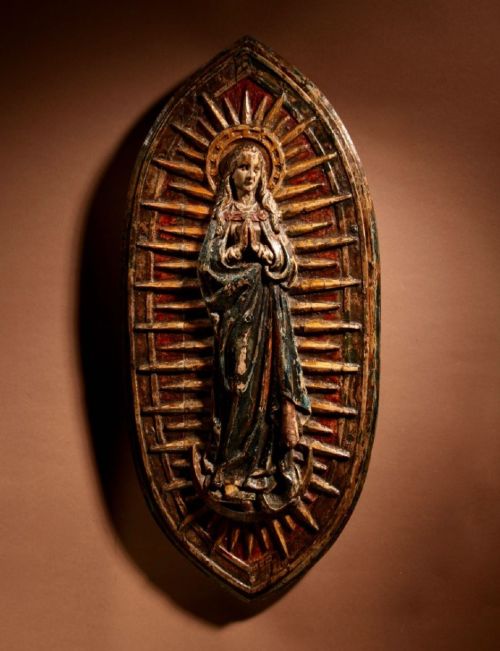
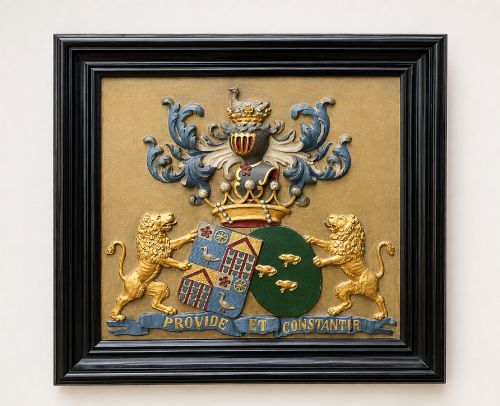
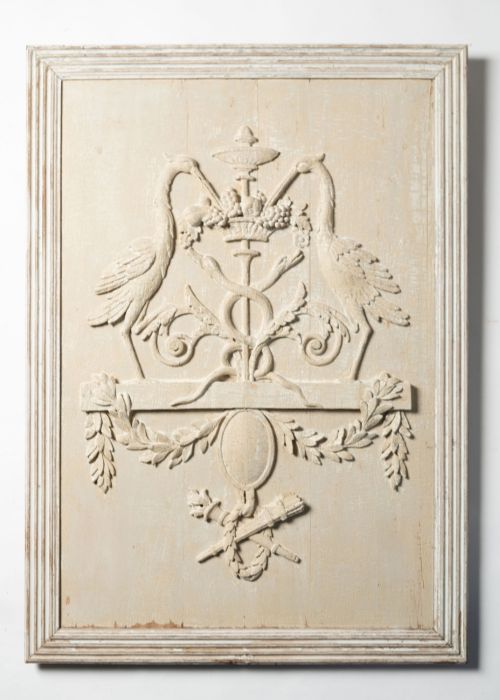
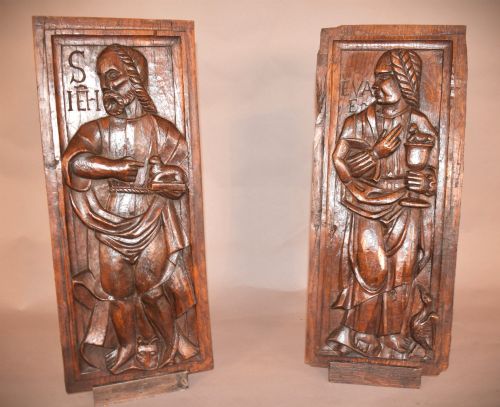
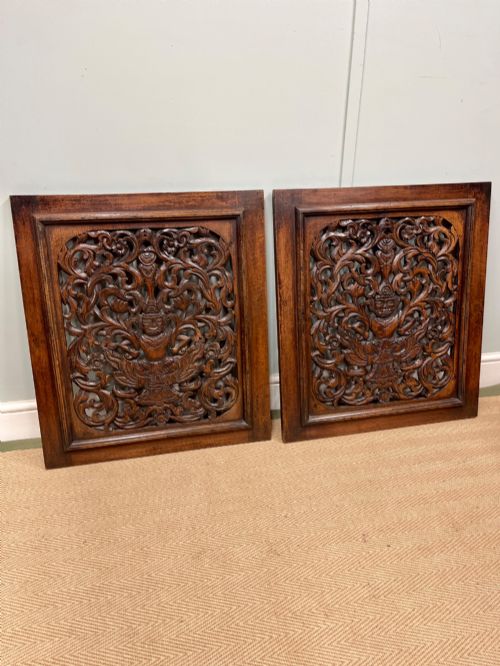
When you search for relief carved panels, you encounter timber elements salvaged from domestic architecture, altarpieces and furniture, spanning centuries of European and Asian craftsmanship. These pieces function primarily as wall art, plaques and architectural fittings, presenting subjects that range from heraldry and religious iconography to floral arrangements and mythological scenes.
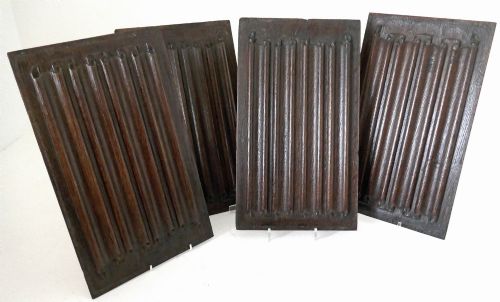
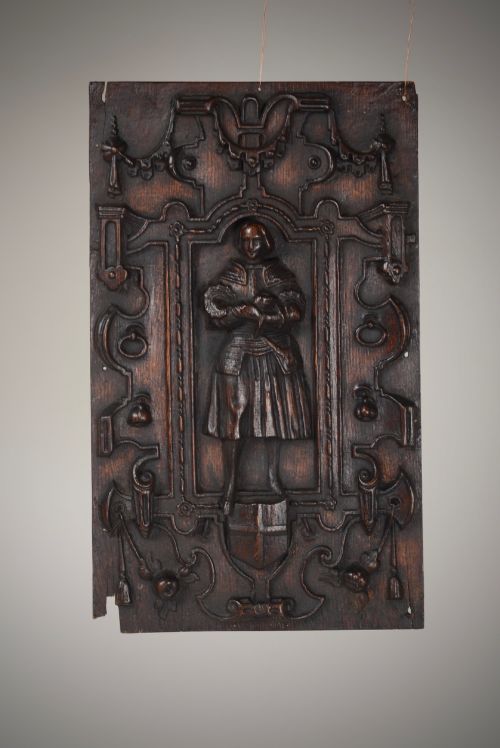
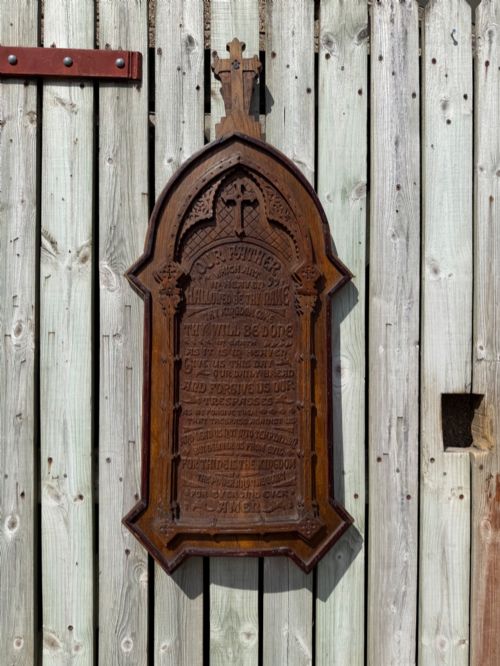
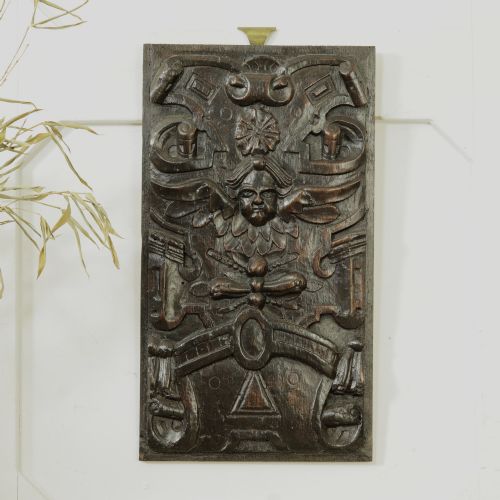
The version you are most likely to meet on this page is the oak wall panel, often originating from the sixteenth or seventeenth century, alongside nineteenth-century decorative carvings from Continental and Asian traditions. Forms vary from simple linenfold designs to high-relief figural sculptures, architectural pediments and framed plaques.
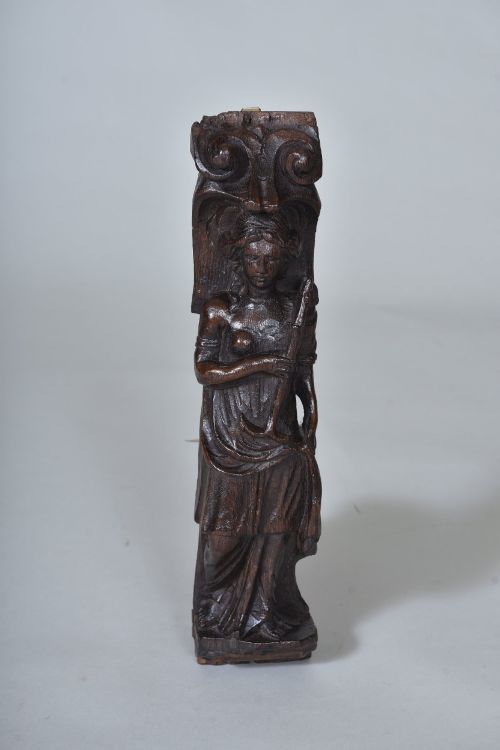
Many items survive as fragments from larger structures, such as cart pieces, box settles, furniture fronts or chapel altarpieces, repurposed over time for display on walls. They reflect diverse stylistic movements including Gothic Revival, Renaissance, Baroque and Qing Dynasty aesthetics.
How they were made
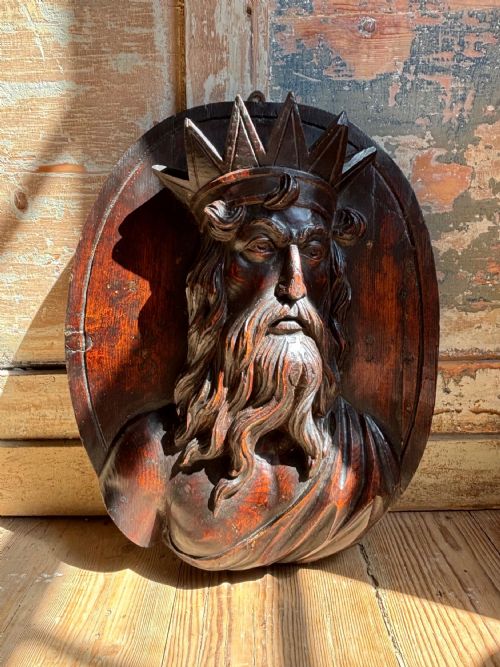
Makers shaped these items primarily from solid hardwoods such as oak, walnut, chestnut, fruitwood and limewood using hand chisels and gouges to cut directly into the timber. The depth of the carving determines whether the work is classified as low relief or high relief, where figures project substantially from the background plane.
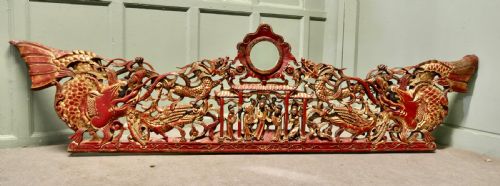
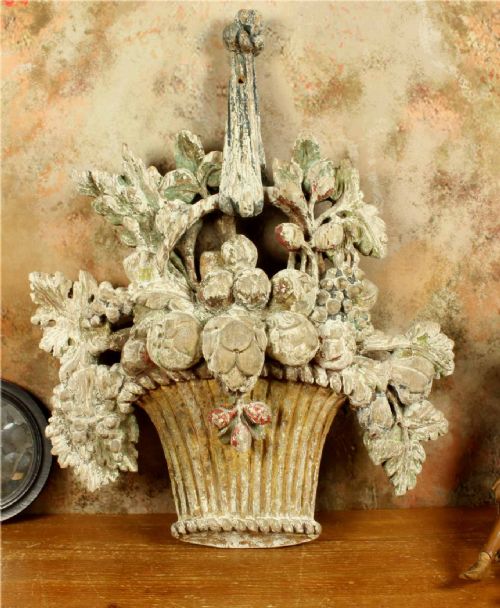
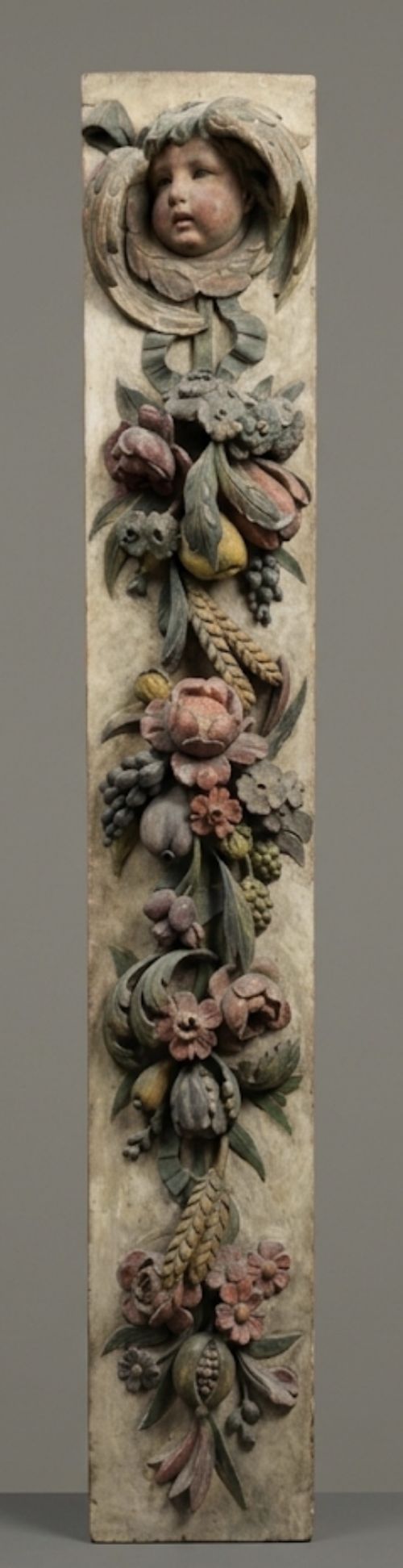
Surface preparation involved smoothing the wood grain, while some examples received polychrome paint, gold leaf or gesso layers to enhance specific details or highlight figural subjects. Lacquer and gilt finishes appear on Asian temple panels and Chinese screens, sealing the timber and adding reflective contrast to the carved motifs.
Periods represented range from sixteenth-century ecclesiastical carvings to nineteenth-century architectural salvage and decorative wall plaques.
What varies in quality
The distinction between ordinary woodwork and exceptional carving lies in the precision of the chisel work and the depth of the undercut, which creates true three-dimensional form. Master carvers achieved anatomical accuracy in human figures and natural fluidity in floral motifs, whereas lesser examples remain flat and stiff.
The condition of the original surface also dictates the standing of a piece, as untouched period patination and early polychrome or gilt remnants hold greater integrity than later sanding or overzealous restoration. The complexity of the composition, such as multi-figure narratives like Joan of Arc or Christ's Lamentation, separates standard decorative panels from museum-grade sculpture fragments.
Van Rijckevorsel and Verheijen·Thomas Chippendale
The Relief Carved Panels Glossary
- Linenfold
- A style of wood carving that mimics folded fabric or linen, commonly found on sixteenth-century panels. This geometric motif creates vertical folds across the surface of the timber.
- High-relief
- A sculptural technique where figures or motifs project far out from the background surface. More than half of the perceived form stands free from the main plane.
- Polychrome
- The practice of decorating architectural elements and wood carvings in multiple colours. Pigments were applied over gesso or directly onto the timber.
- Pediment
- The triangular or decorative architectural cap above a doorway, window or furniture piece. Salvaged pediments often feature central relief carvings.
- Trumeau
- A large wall mirror or panel placed between windows, often featuring painted decoration or a carved wooden panel above the glass. These items date predominantly to the nineteenth and early twentieth centuries.
- Gesso
- A plaster-like mixture used as a smooth base for paint or gold leaf application on wood. It allows for crisp detail work before gilding.
Relief Carved Panels: Frequently Asked Questions
How were relief carved panels originally used?
These panels typically formed parts of larger architectural schemes, furniture assemblies or religious altarpieces within domestic interiors, churches and civic buildings. They functioned as wall linings, cupboard doors, chest fronts and devotional objects.
Over subsequent centuries, many of these components were salvaged from dismantled buildings or altered furniture and adapted into standalone wall art for decorative display.
How do I hang a heavy wooden panel safely?
Hanging dense hardwood carvings requires assessing the weight distribution and securing fixings directly into wall studs or using heavy-duty masonry anchors. Many antique panels feature integrated framing or structural backing that can support custom-made metal brackets.
It is advisable to consult a professional art installer for large or high-relief sculptures to ensure the timber remains stable and secure against the wall.
How do I distinguish sixteenth-century oak from later copies?
Early oak panels display distinct characteristics such as hand-tool marks, pegged joinery, and natural timber shrinkage and warping consistent with centuries of age. The grain pattern often shows medullary rays, commonly called silver grain, visible in quartersawn oak.
Later revival pieces from the nineteenth century frequently exhibit mechanical tool marks, uniform staining, and timber dimensions that do not match traditional historical joinery standards.
How should I care for antique carved wood?
Maintaining carved wood involves keeping the panels away from direct sunlight, radiators, and rapid humidity fluctuations that can cause the timber to split or warp. Dusting gently with a dry, soft brush prevents particle buildup within the crevices of the relief work.
Applying wax polish is rarely necessary unless the surface appears dry, and any modern synthetic cleaners should be avoided to protect the historic patina.