
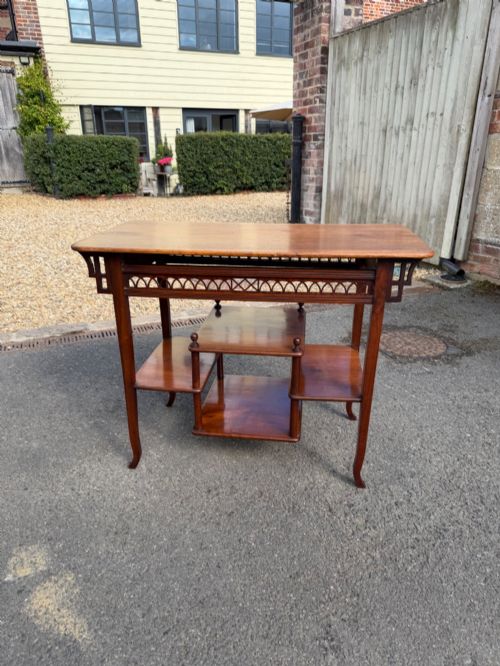
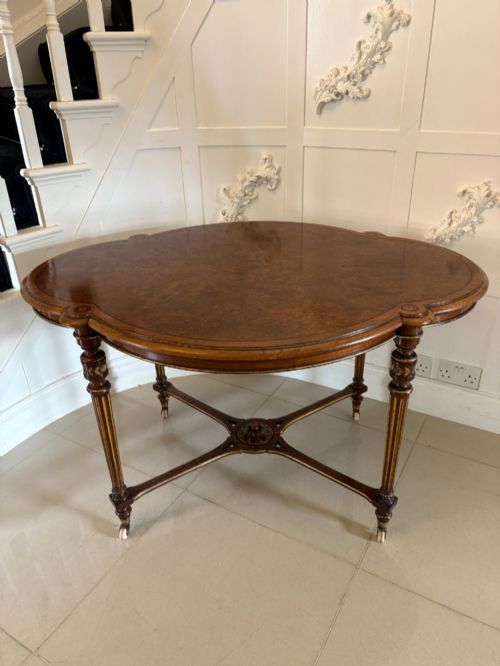
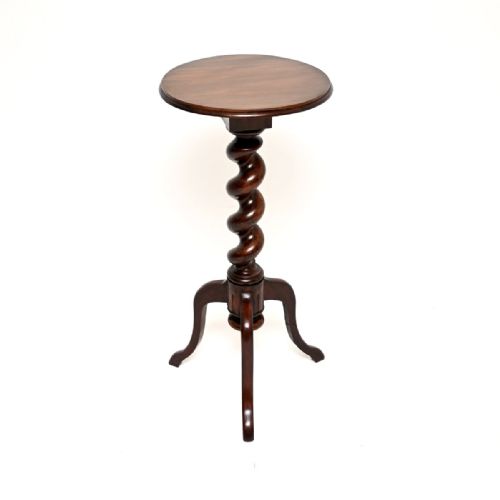
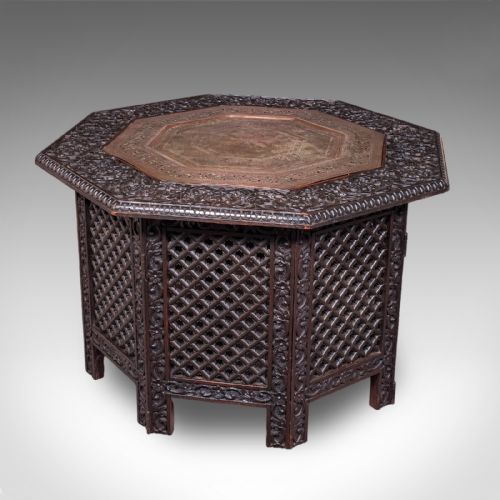
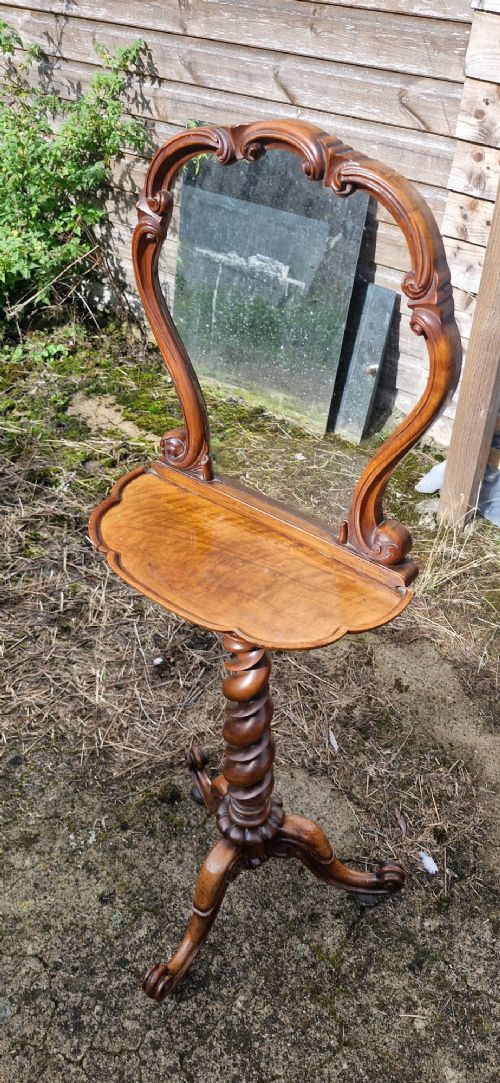
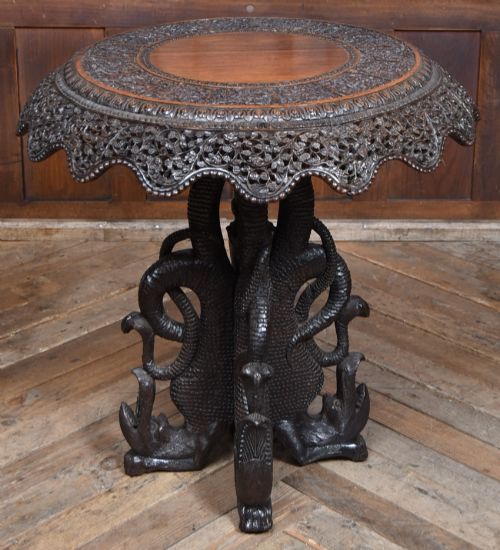
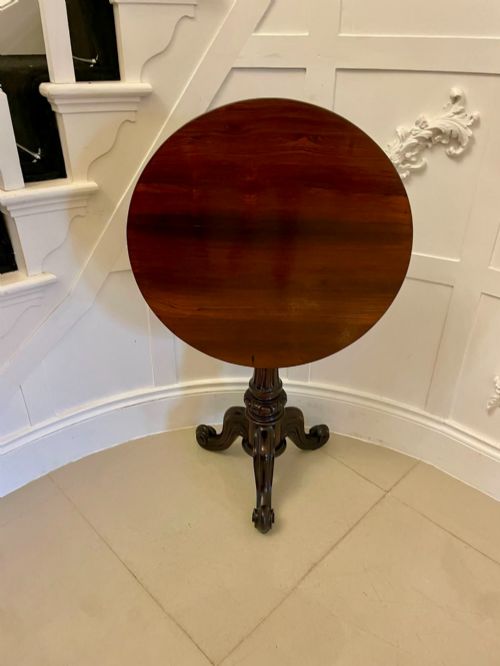

Victorian Carved Occasional Table
When you search for a victorian carved occasional table, you find pieces built for display, sewing and intimate lampsides.
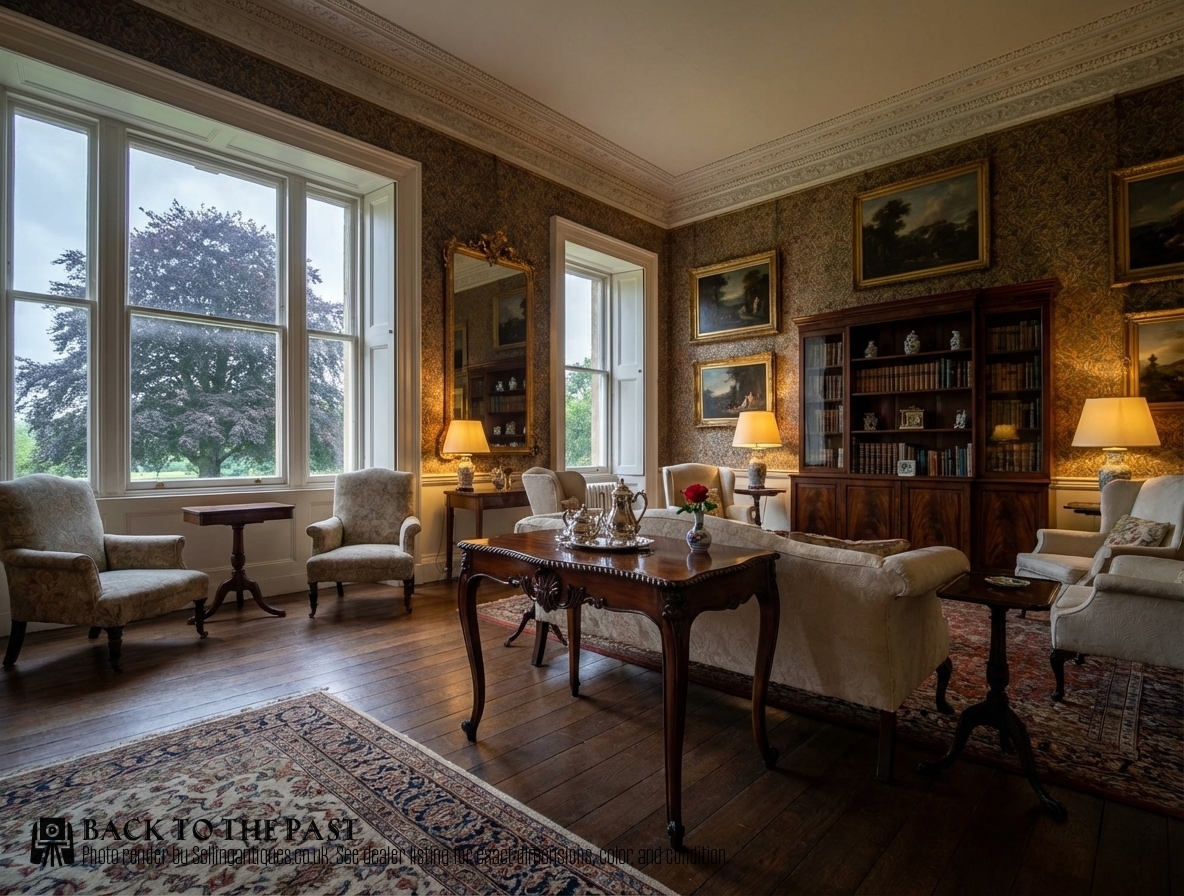
Victorian Carved Occasional Table
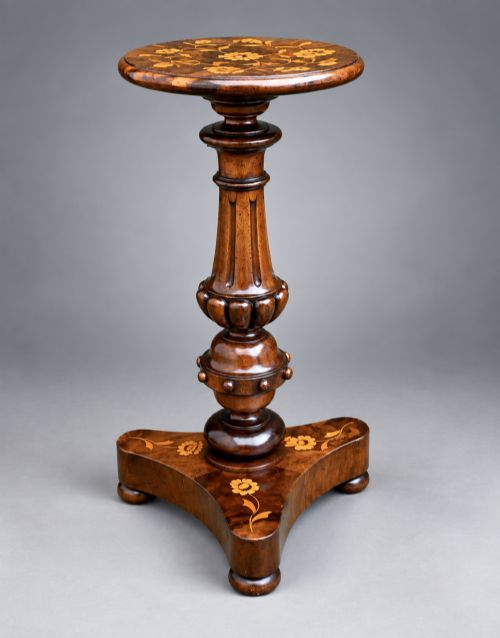
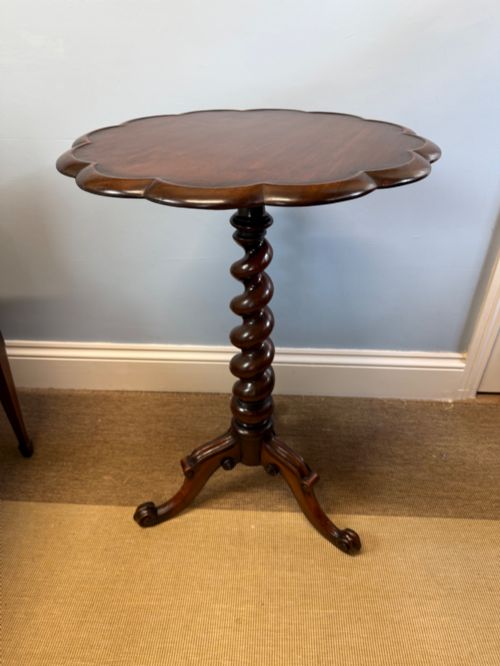
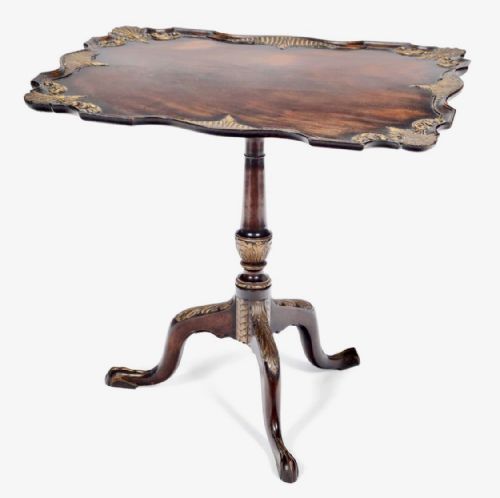
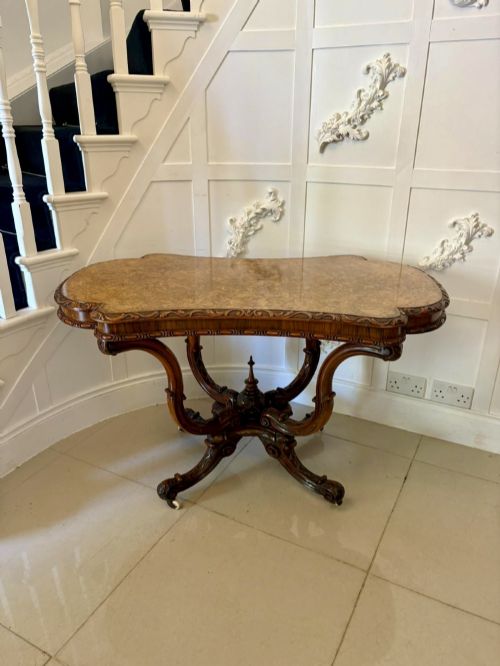
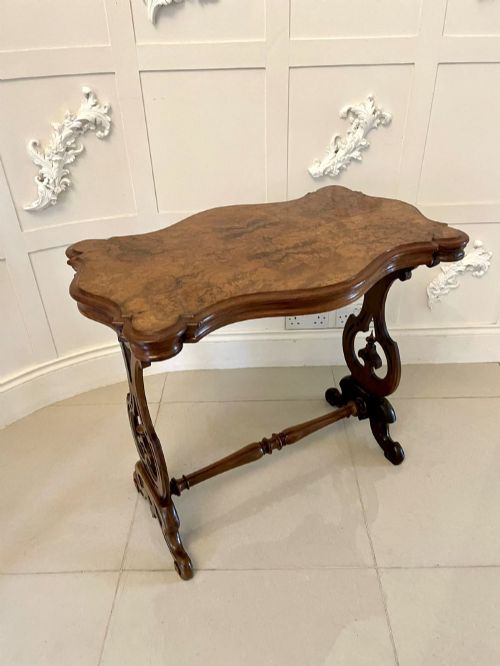
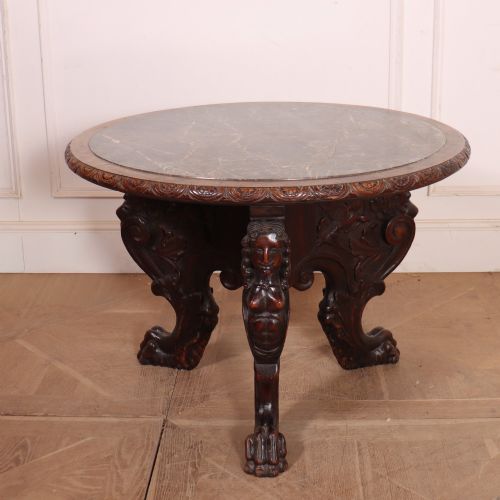
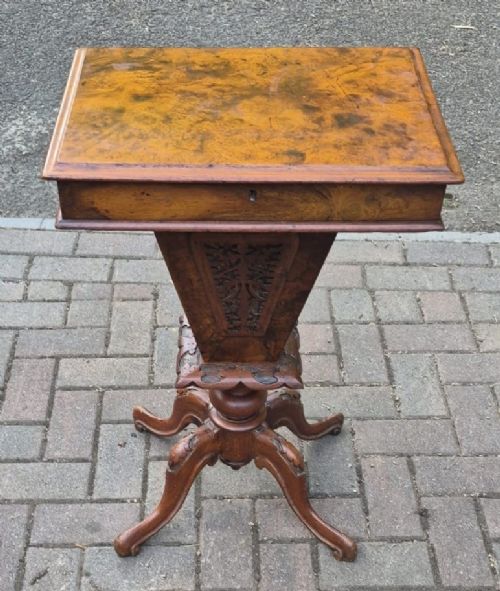
A victorian carved occasional table spans compact lamp tables, tilt-top wine tables and larger centre tables shaped for nineteenth-century parlours. Walnut and burr walnut dominate the selection, often accompanied by solid oak, mahogany and rosewood.
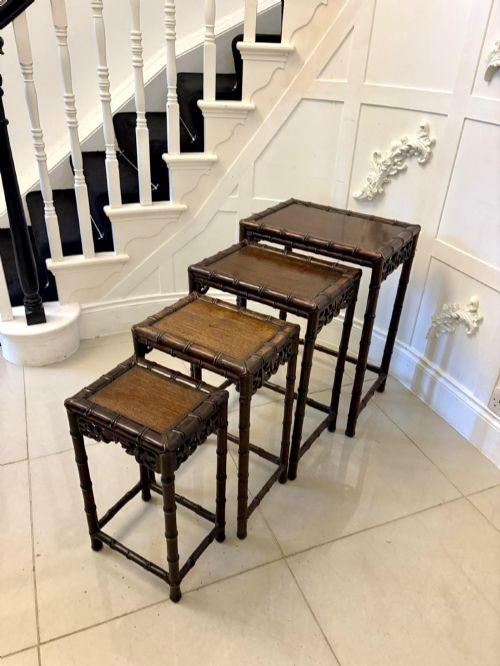
Makers drew on diverse design languages, producing English Gothic and Chippendale Revival styles alongside Anglo-Indian, Burmese and Chinoiserie interpretations. The most common versions on this page are pedestal and tripod tables fashioned from richly grained walnut.
Materials and Technique
Cabinetmakers utilised dense hardwoods, pairing structural mahogany and oak carcases with decorative burr walnut and rosewood veneers. Surfaces display intricate hand-carved motifs, parcel gilding, brass fittings and inlaid marquetry.
Pedestal formats rely on turned central columns supported by three-legged tripod bases, while gate-leg and occasional designs employ pegged joints and clever scissor actions.
Listings feature nineteenth-century woods including walnut, mahogany, oak, rosewood and teak across diverse regional styles.
Judging Quality
The distinction between ordinary and exceptional examples lies in the depth and crispness of the hand-carving rather than the mere presence of decoration. Superior pieces showcase carefully selected burr walnut veneers matched across the tabletop without interruption.
Stability in the pedestal base and precise joinery at the pivot points determine the structural integrity of tilt-top and tripod forms.
The Victorian Carved Occasional Table Glossary
- Burr walnut
- A prized timber veneer showing swirling, knotty grain patterns harvested from the growth excrescences of walnut trees. It was frequently used on top surfaces to create highly decorative visual movement.
- Tripod table
- A small freestanding table supported by a central turned pillar standing on three legs. This construction prevents wobbling on uneven nineteenth-century floorboards.
- Tilt-top mechanism
- A hinge and catch arrangement allowing the tabletop to fold flat vertically when not in use. This allowed tables to be stored against walls in crowded parlours.
- Marquetry
- The art of applying decorative veneer pieces in wood, brass or shell to form pictorial or geometric designs. It elevates a standard surface into an ornate focal point.
- Canterbury
- A low multi-section stand combined with a table base, designed originally for holding sheet music or magazines. It represents a multifunctional approach to Victorian furniture.
Victorian Carved Occasional Table: Frequently Asked Questions
What was an occasional table used for?
These versatile pieces served for holding tea sets, reading lamps, sewing baskets and decorative ornaments in Victorian reception rooms.
Their lightweight construction allowed servants or residents to move them easily around the room depending on the social activity of the hour.
How do I identify a Victorian piece?
Look closely at the timber choice, construction methods and characteristic decorative styles such as Gothic Revival or heavy burr walnut veneering. Nineteenth-century cabinetmakers typically used solid secondary timbers inside drawers and hand-cut joinery.
Examining the wear patterns on the feet and the patina of the French polish also helps confirm age.
Where should I place one at home?
A compact tripod or lamp table fits naturally beside a sofa or armchair as a convenient surface for a reading light. Larger centre tables work effectively in hallways or as low coffee tables in contemporary living spaces.
Avoid placing them in direct sunlight to protect the sensitive walnut and rosewood veneers.
Are tilt-top tables structurally stable?
A well-made tilt-top mechanism locks securely into the horizontal position via a brass catch or wooden peg. While the pivot allows movement, the central pillar and tripod legs should support weight firmly without excessive rocking.