


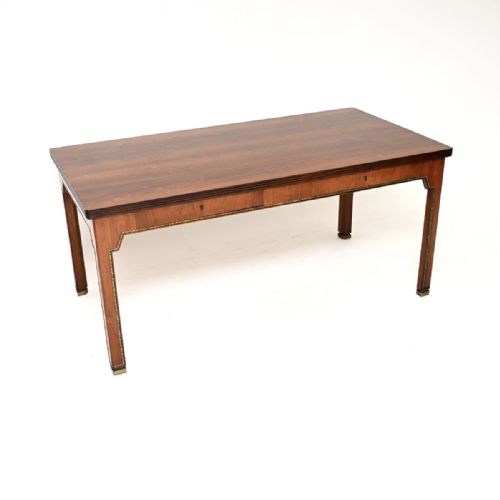
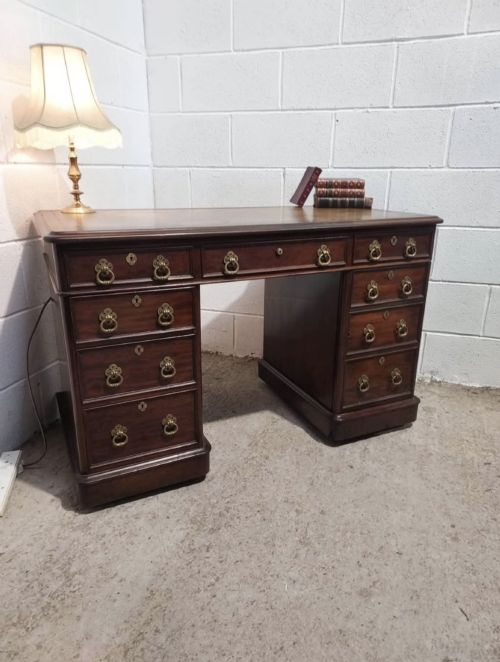
Antique Wood Library Table
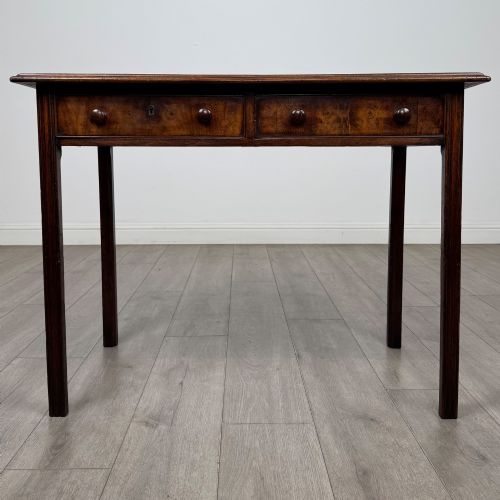
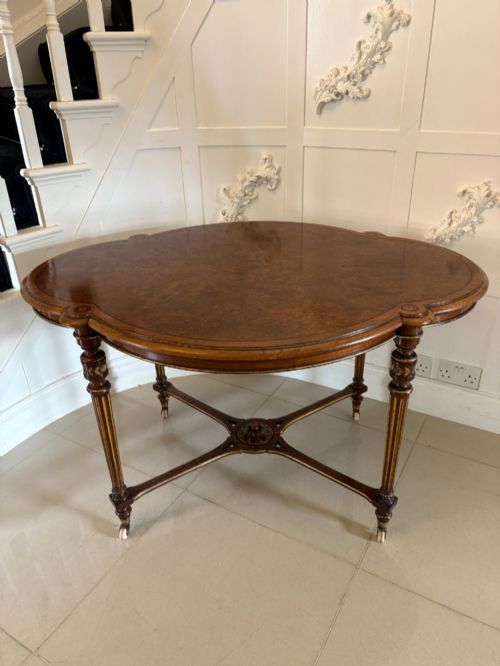
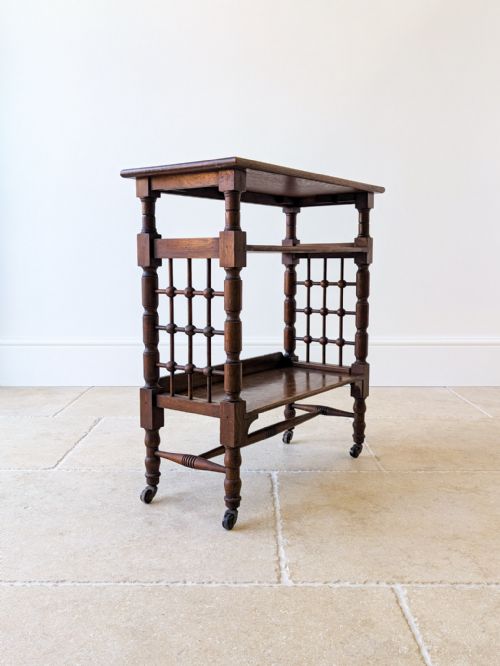
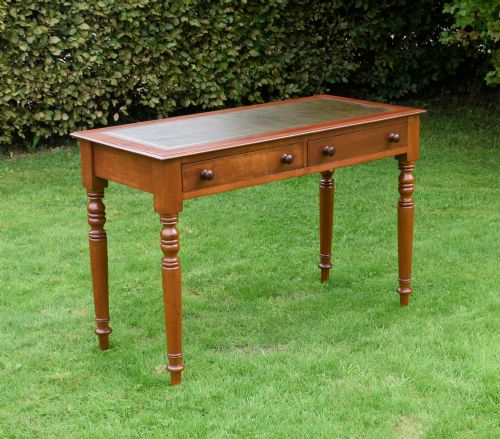
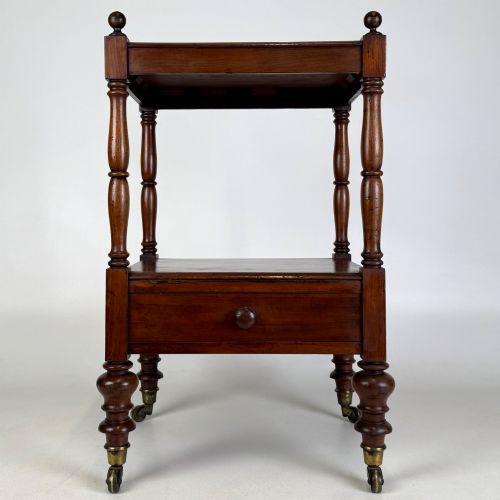
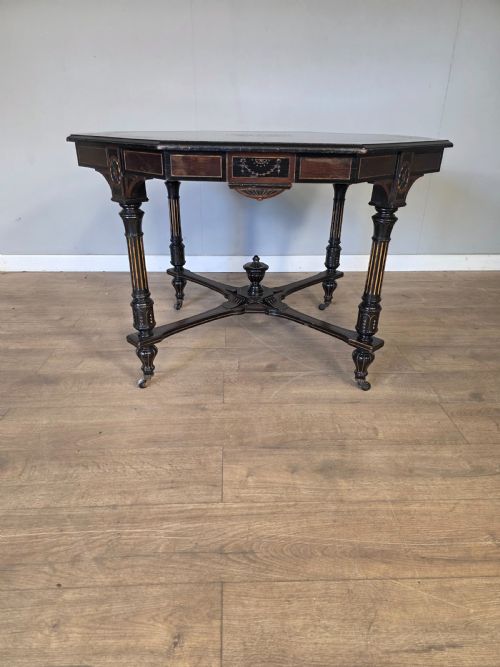
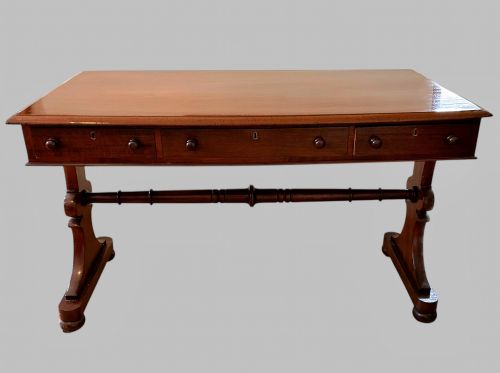
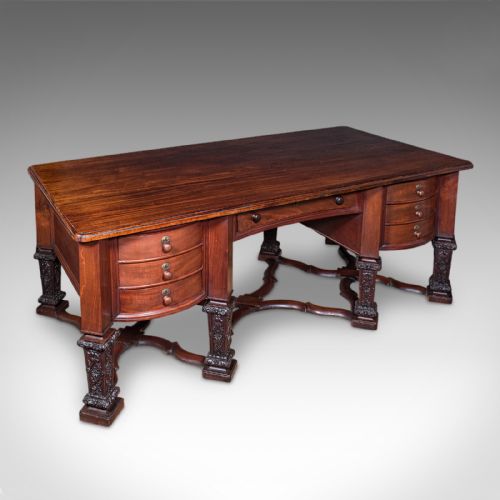
An antique wood library table brings heavy mahogany, rosewood and fitted leather surfaces into a room as a proper workspace.
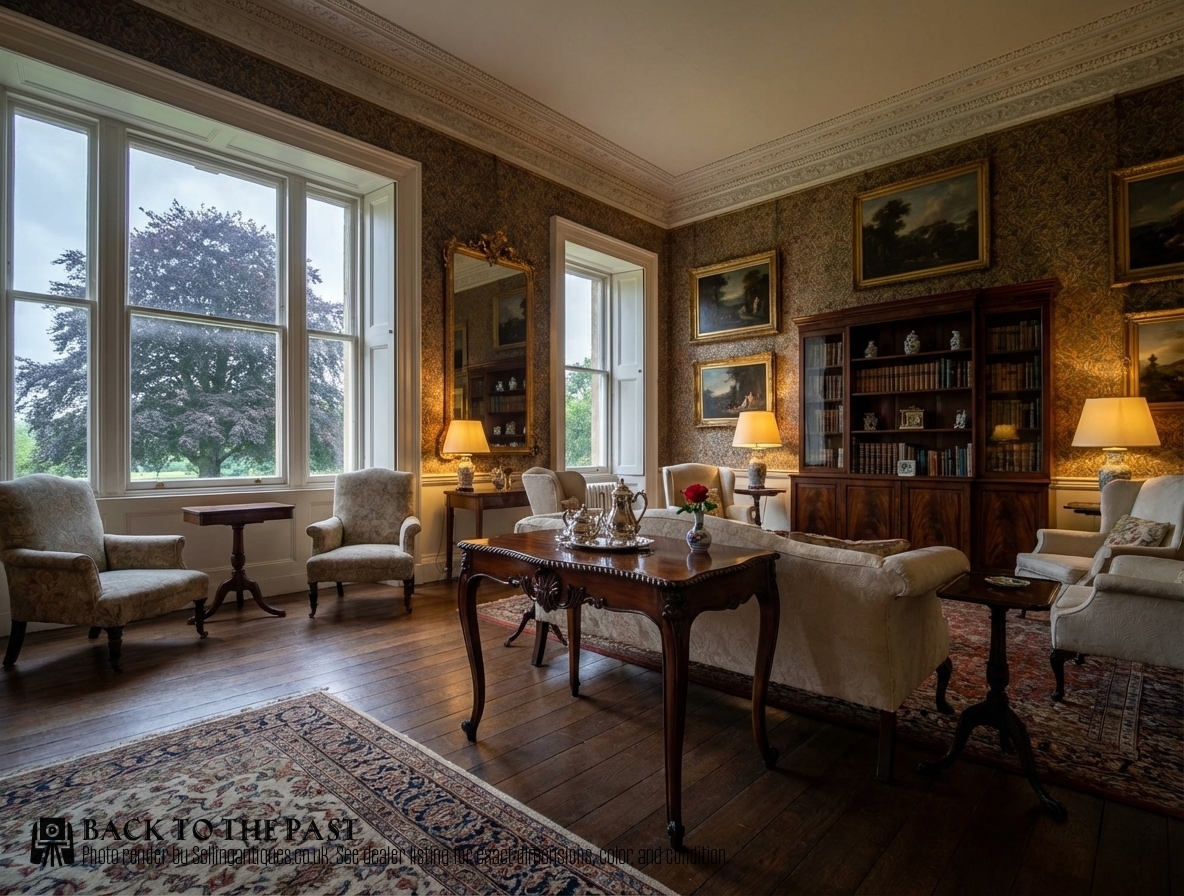
Antique Wood Library Table
An antique wood library table serves as a sturdy freestanding desk or central room piece, originating primarily from the Georgian, Regency, William IV and Victorian eras. These heavy timber tables often feature inset leather writing surfaces and banks of drawers designed for daily study and administration.
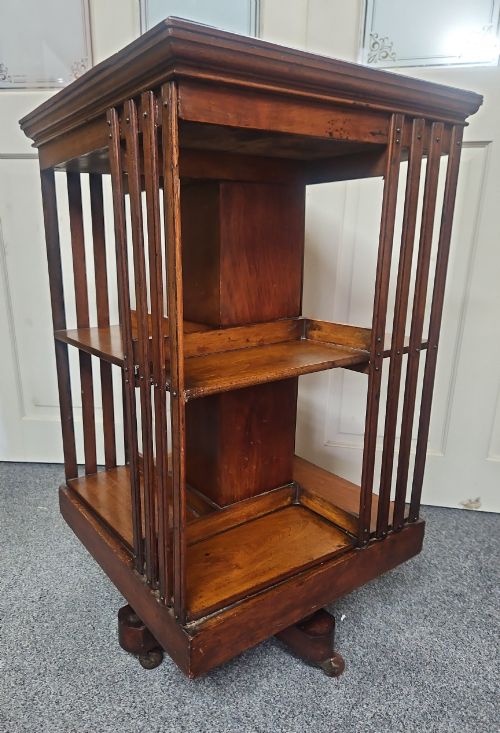
The selection on this page leans heavily towards mahogany and rosewood variants, alongside related forms like partner desks, writing tables and revolving bookcases. Pieces range from grand pedestal formats down to smaller reading tables with adjustable tops.
Origins span English workshops alongside Portuguese and Scandinavian examples, reflecting diverse cabinet-making traditions from the nineteenth century and Edwardian periods.
How they were made
Cabinet makers built these tables using dense timbers such as mahogany, walnut and rosewood, frequently applied over sturdy oak or pine carcases. Finer surfaces display carefully matched veneers like flame mahogany, burr yew and satinwood.
The listings span the Georgian, Victorian and Edwardian periods, utilising mahogany, rosewood, walnut and satinwood.
What varies in quality
Quality rests on the choice of timber and the precision of the cabinet work, from plain solid mahogany up to highly figured rosewood and burr root maple. Finer examples display crisp hand-carving on the legs and mouldings rather than cast substitutes.
Attribution to documented makers such as Gillows or Edwards & Roberts elevates a piece, as does the retention of original brass hardware, leather inserts and secondary timbers.
Trollope and sons·Gillows·Holland and Sons·Edwards and Roberts
The Antique Wood Library Table Glossary
- Partners desk
- A large double-sided desk designed for two people to work opposite one another, featuring matching drawers and cupboards on both faces.
- Sofa table
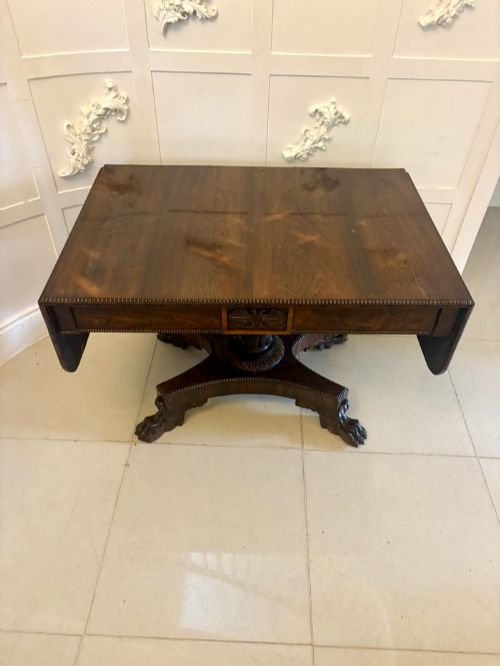
- A small freestanding table traditionally placed in front of a sofa, equipped with drop leaves on either end and usually fitted with two small drawers.
- Drum table
- A circular library table with a deep top containing alternating true and dummy drawers, supported on a central pillar and tripod base.
- Fusee
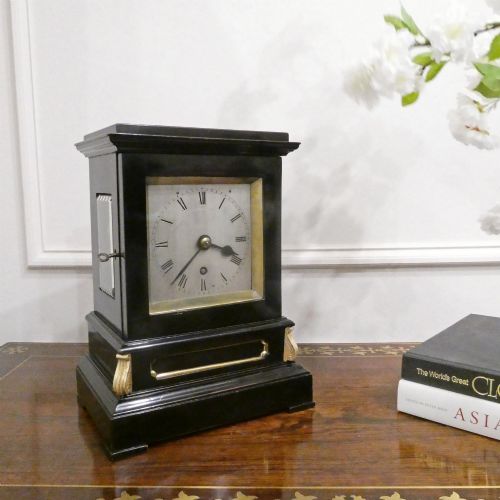
- A conical pulley used in clock movements to maintain equal power as the mainspring unwinds, found in library clocks associated with these rooms.
- Aabuera wood
- An exotic hardwood sometimes utilised in high-status Regency and William IV cabinet making, noted for distinctive grain patterns.
Antique Wood Library Table: Frequently Asked Questions
Where should a library table go?
These pieces function best as freestanding items in the middle of a study or living room rather than pushed against a wall. Their finished backs and substantial proportions allow them to anchor a room from any angle.
Ensure adequate clearance around the table for chairs and movement, as their depth usually exceeds standard writing desks.
How do I date a library table?
Dating relies on timber selection, structural joinery, and stylistic markers such as Regency brass inlay or heavy Victorian carved scrolling. Georgian pieces tend toward restrained lines and bracket or pedestal feet, while later Victorian examples often incorporate bolder, darker woods.
Secondary woods inside drawers also help narrow the era, as oak linings gave way to cheaper softwoods in later decades.
Can I write on the leather top?
Original leather insets provide a suitable writing surface, provided the material remains supple and stable. Many tables feature gold-tooled borders framing these historical hide inserts.
If the leather is dry or fragile, use a protective blotter when writing to prevent further surface wear.
What is the difference between a library table and a partner desk?
A library table is a freestanding table with drawers beneath the top, accessible primarily from one or both long sides but designed for general study. A partner desk is a heavier, pedestal-based desk configured with drawers and cupboards on both opposing sides for two simultaneous users.
Partner desks offer significantly more storage capacity enclosed within twin pedestals.