

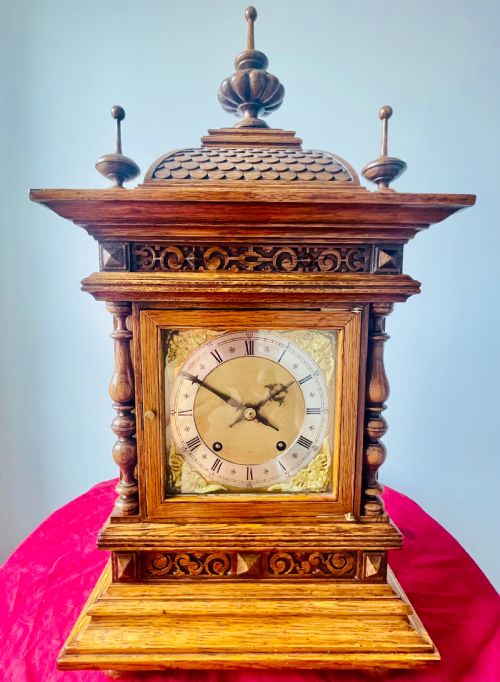


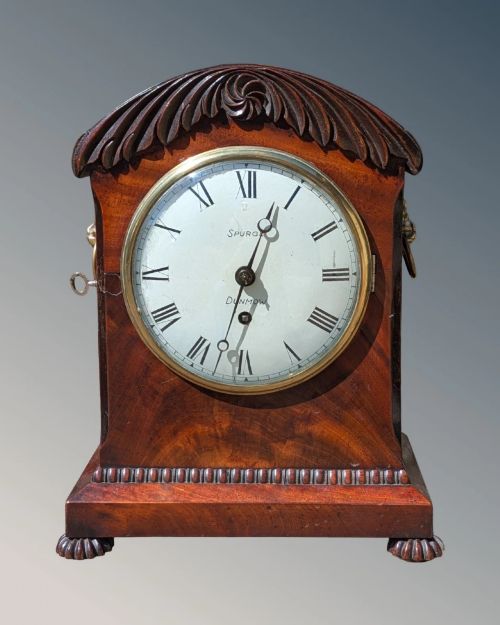

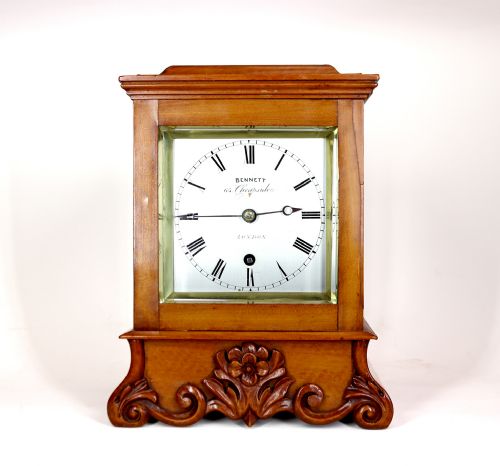

Victorian Carved Mantel Clock
A victorian carved mantel clock brings mechanical precision and deep architectural warmth to a room.
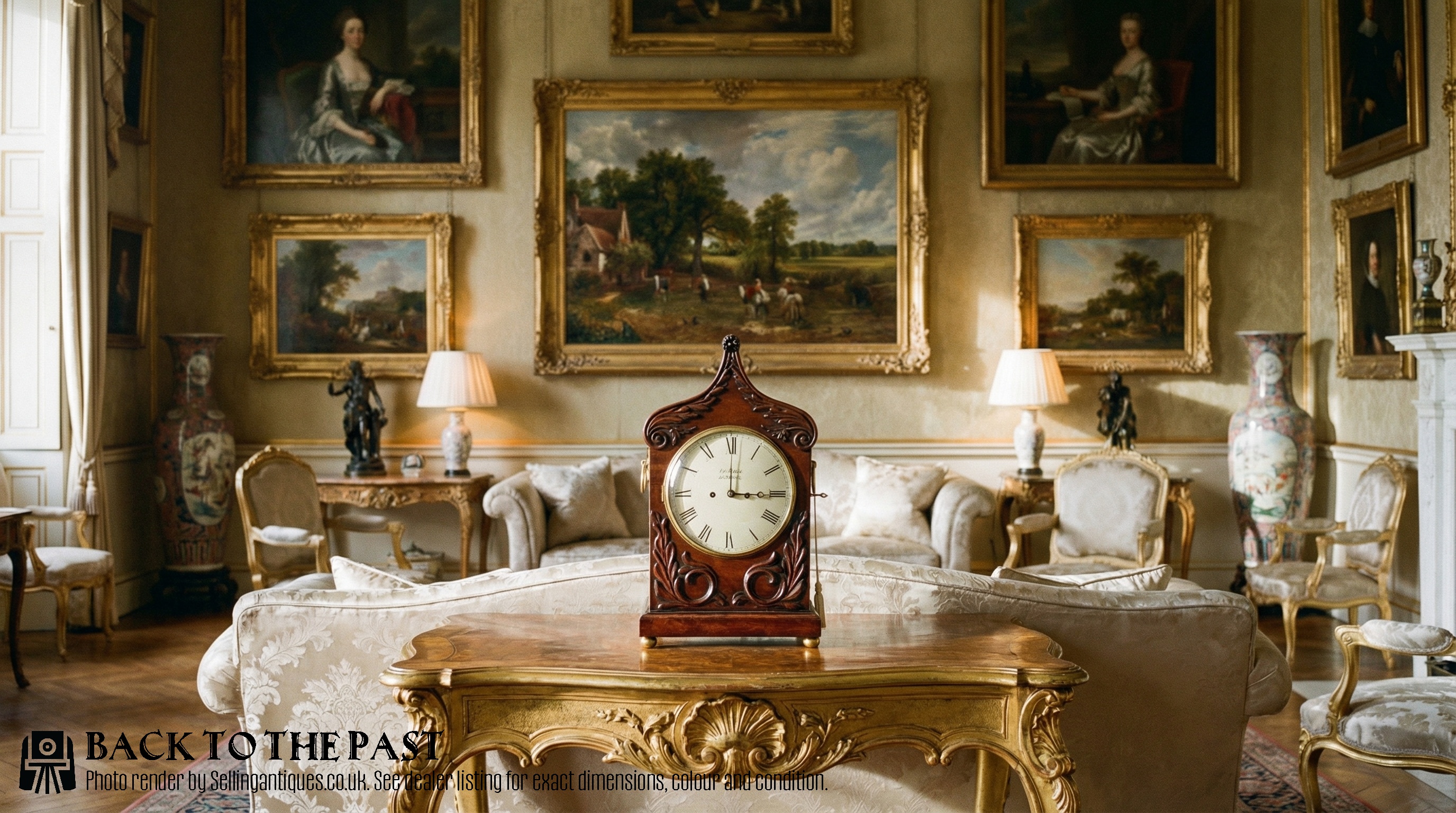
Victorian Carved Mantel Clock
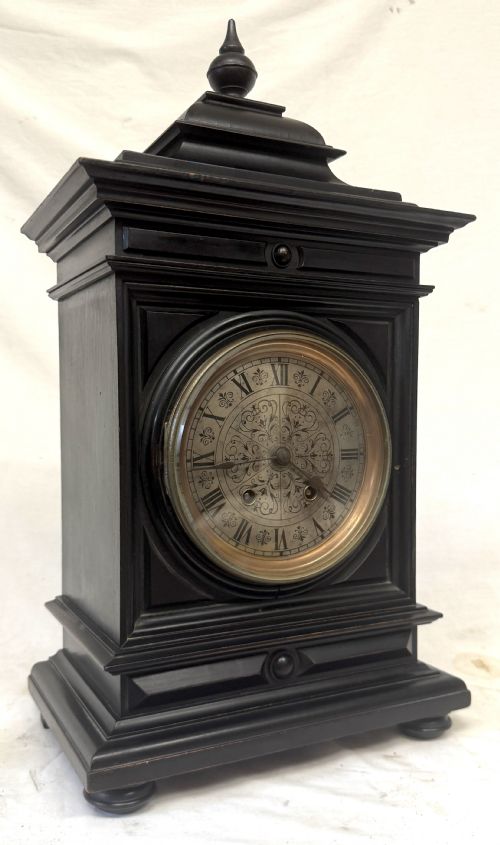
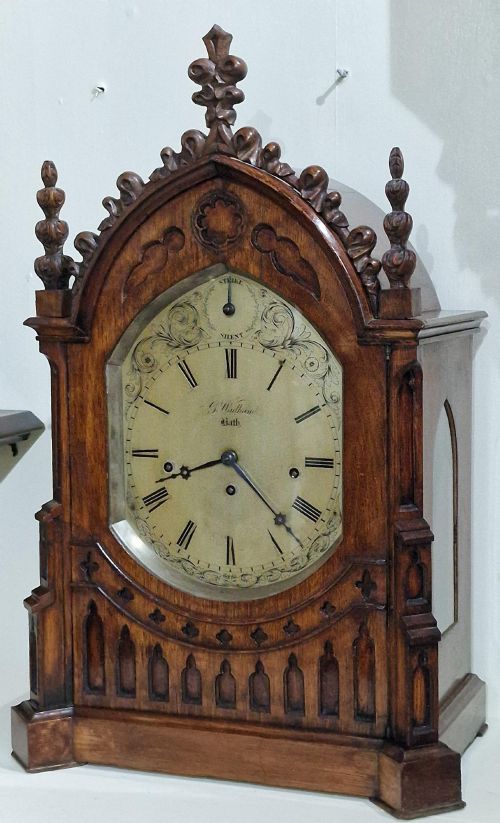
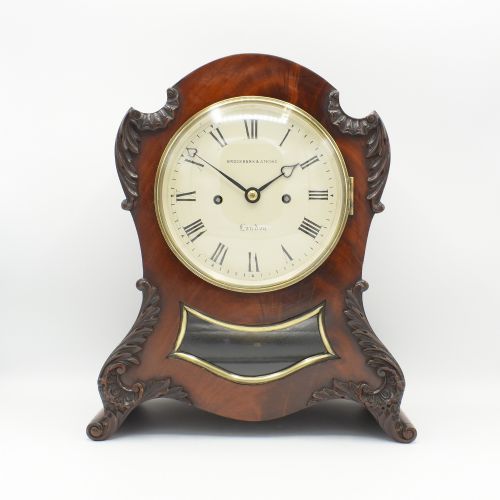
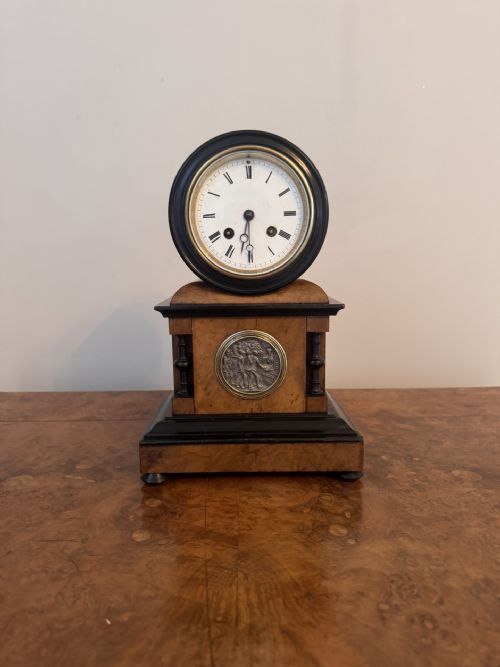
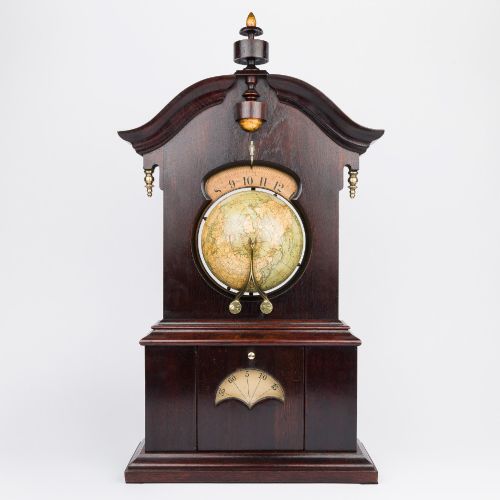
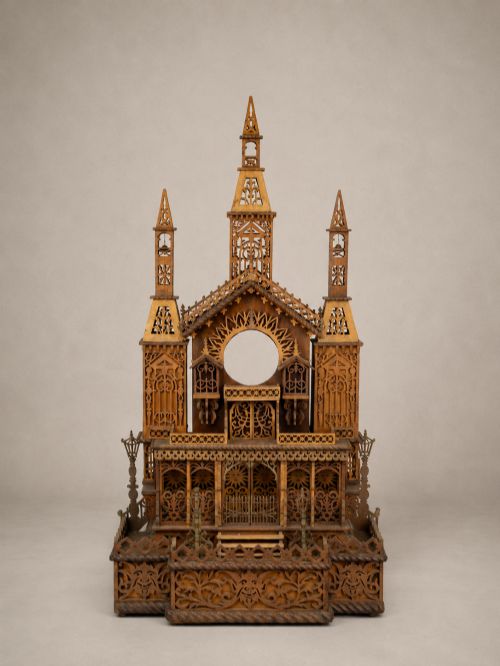
A victorian carved mantel clock combines heavy timber cases with intricate surface decoration, representing the domestic timepieces of the nineteenth century. These clocks range from compact desk models to imposing architectural forms designed for prominent placement in a principal room.
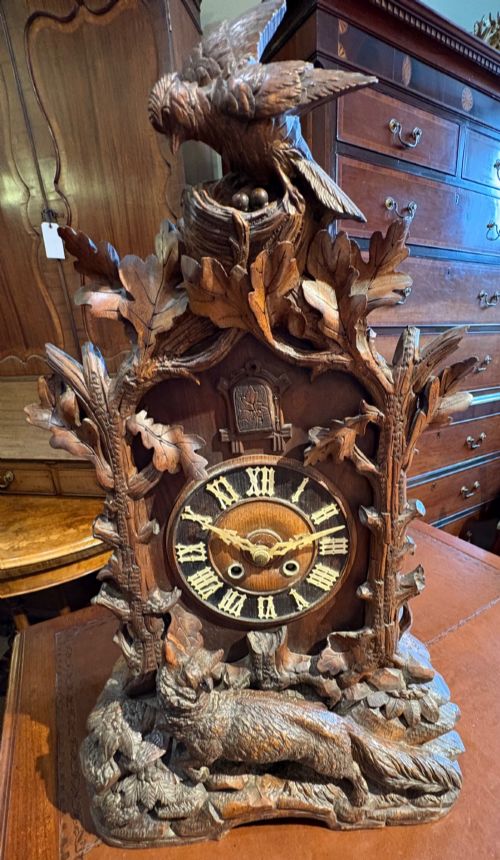
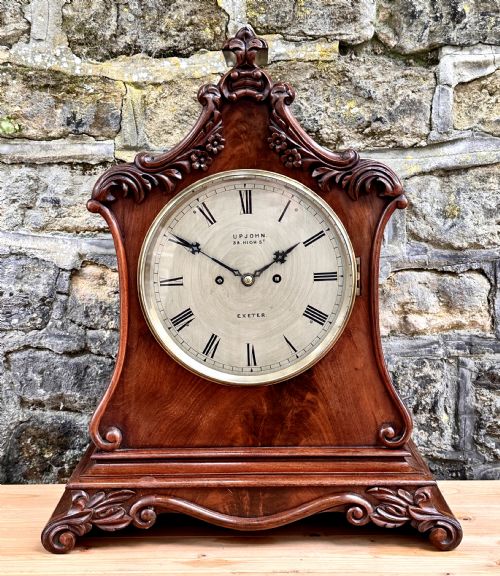
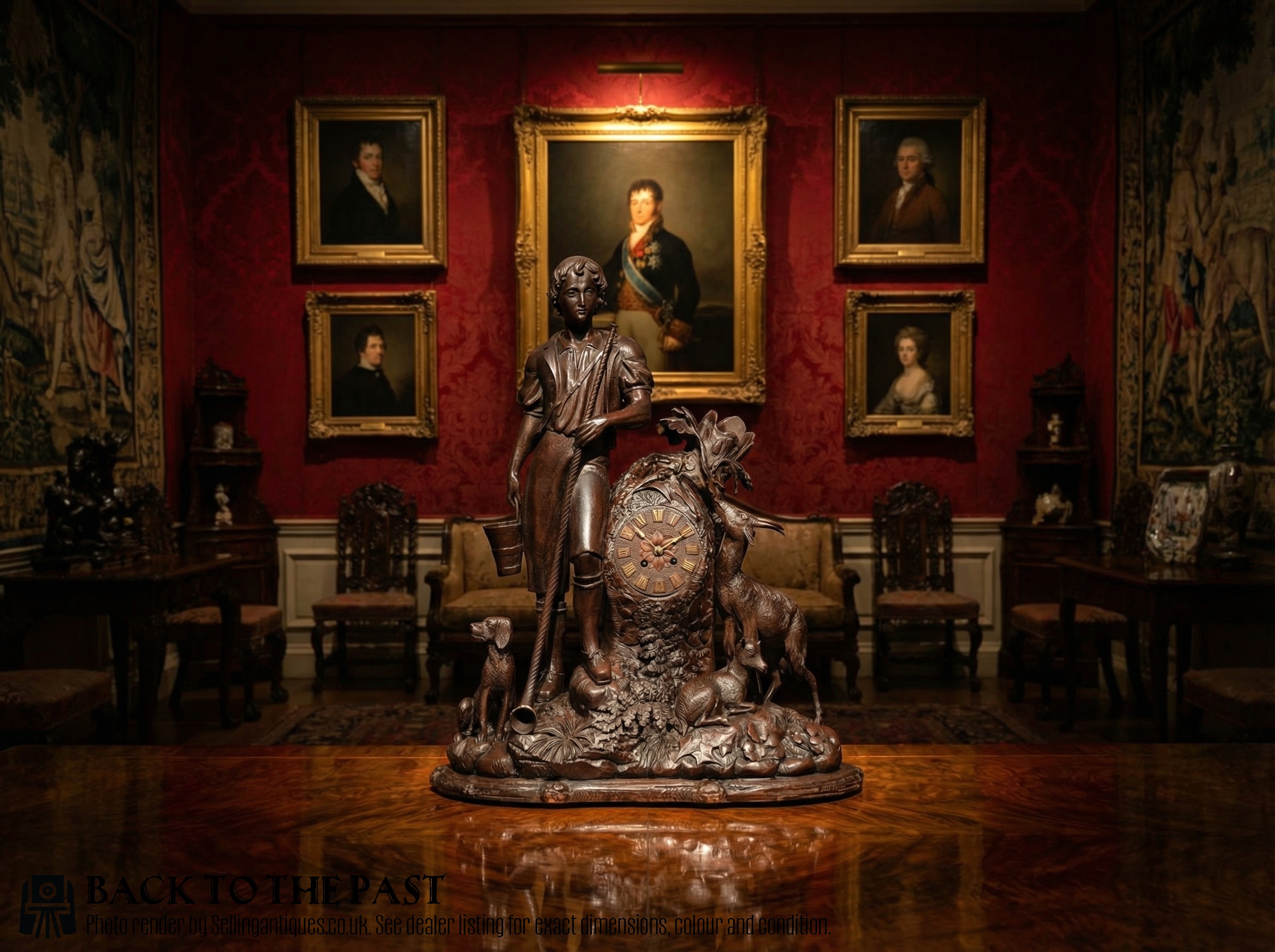
The versions most commonly met on this page span the mid to late nineteenth century, predominantly utilising mahogany, walnut and oak. Many examples draw on regional styles such as Black Forest carving or Gothic revival motifs.
Makers and retailers from London and the regions stamped their authority on dials and movements, creating durable domestic timepieces that survived through generations. The selection here reflects both British cabinet-making traditions and continental European influences.
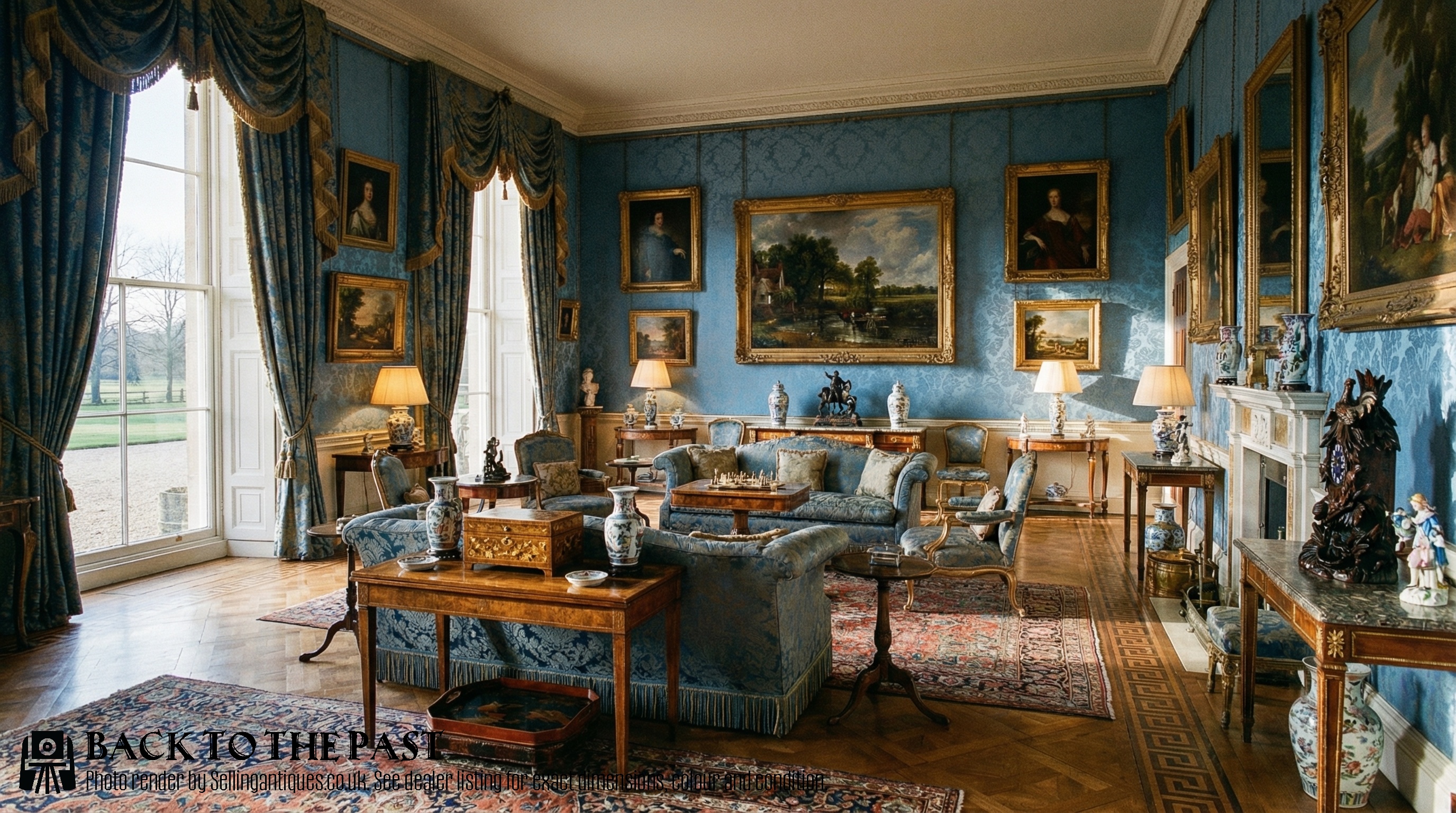
Materials and construction
Cabinet makers constructed the foundational cases using dense hardwoods like mahogany, walnut and oak, often selecting figured veneers to create visual depth. Skilled carvers then applied hand-cut foliage, fretwork and architectural mouldings directly to the timber carcasses.
Movements relied on brass gear trains, enamel or silvered dials, and protective glass bezels to house the delicate escapements. Fusee movements and striking mechanisms demanded exceptional precision from the horologist to ensure reliable timekeeping.
Victorian Carved Mantel Clock Retail Price Guide 2026
Typical asking prices for victorian carved mantel clock among the pieces listed under this phrase on Sellingantiques today, from the lower quarter to the upper quarter. They describe what is for sale here now, not the wider market.
The inventory records pieces spanning the nineteenth century, utilising mahogany, walnut, oak, brass and carved wood across diverse regional styles.
Assessing craftsmanship and execution
The distinction between ordinary production and superior work lies in the crispness of the hand carving and the selection of timber veneers. Deeper, more resolute relief carving demonstrates a higher standard of workshop output than shallow stamped or cast imitation ornament.
Movement quality separates robust pieces from fragile ones, visible in the heavy gauge of the brass plates and the reputation of the horological maker. Original components, signed dials and clean, unpolished mechanical assemblies maintain the integrity of the object.
Winterhalder And Hofmeier·Lenzkirch·Mappin And Webb·Sir John Bennett·Samuel Marti
The Victorian Carved Mantel Clock Glossary
- Fusee
- A conical pulley used in spring-driven clocks to maintain even power as the mainspring unwinds. This mechanism ensures more accurate timekeeping throughout the duration of the wind.
- Bracket clock
- A portable timepiece originally designed to sit on a wall bracket or furniture surface. Many examples from this era function as substantial mantel clocks.
- Ormolu
- Gilded bronze mounts applied to clock cases for decorative contrast. This technique enhances the visual richness of wooden or slate bodies.
- Striking mechanism
- An internal train of gears that sounds the hours or quarters on bells or gongs. It requires additional mechanical complexity within the clock case.
Victorian Carved Mantel Clock: Frequently Asked Questions
How do fusee movements work?
A fusee movement uses a conical drum to equalise the diminishing power of the mainspring as it unwinds. This clever mechanical arrangement ensures the gear train receives constant tension.
Clocks with this system generally achieve superior timekeeping compared to standard spring-driven alternatives.
Where should I place a mantel clock?
These heavy wooden and slate timepieces need a stable, level surface such as a sideboard, desk or firm mantelpiece. Protecting them from direct sunlight and damp air preserves the timber and metal components.
A solid foundation also ensures the pendulum swings evenly for reliable operation.
What defines the Black Forest style?
Black Forest clocks feature deeply carved linden or walnut wood depicting natural motifs like foliage, animals and cuckoo birds. Originating from mountainous regions in Germany and Switzerland, these pieces display exuberant carving.
Their rustic charm contrasts with the formal architectural lines of standard British bracket clocks.