

Victorian Carved Mahogany Armchair
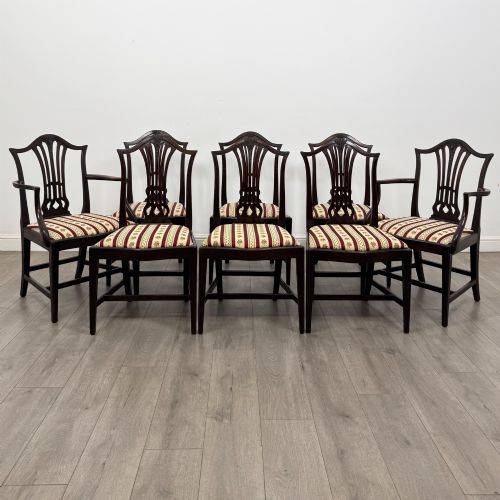
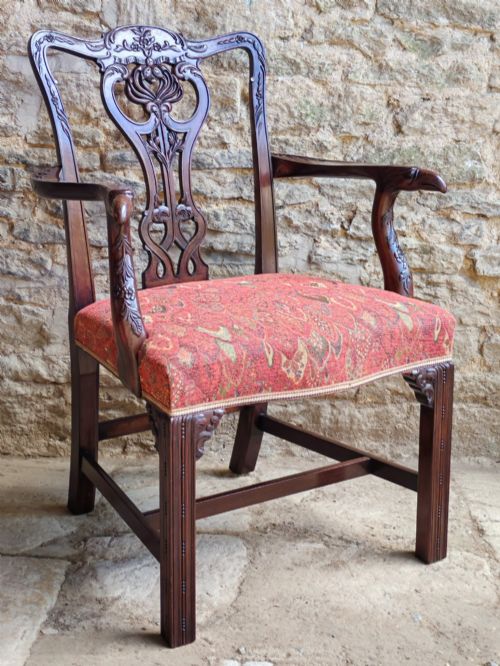
A victorian carved mahogany armchair brings solid timber framing and traditional nineteenth-century seating comfort directly into a modern study or drawing room.
Victorian Carved Mahogany Armchair
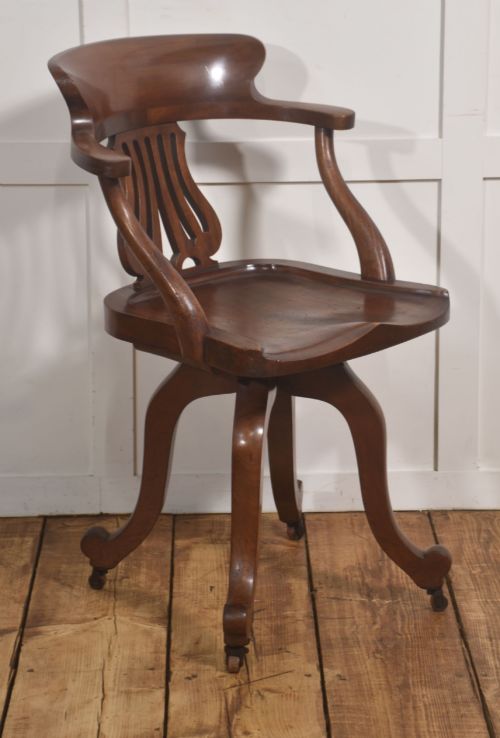
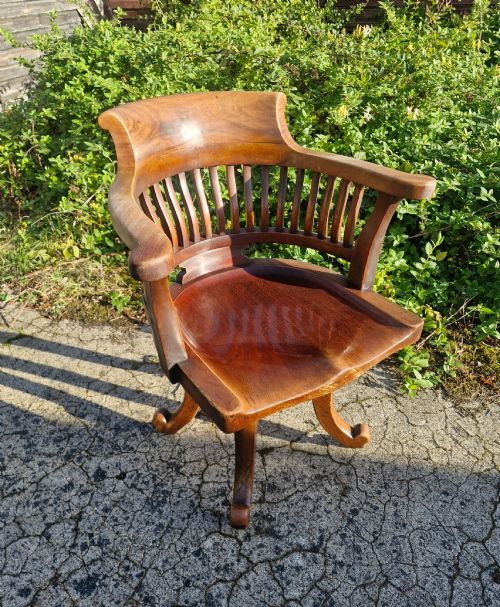
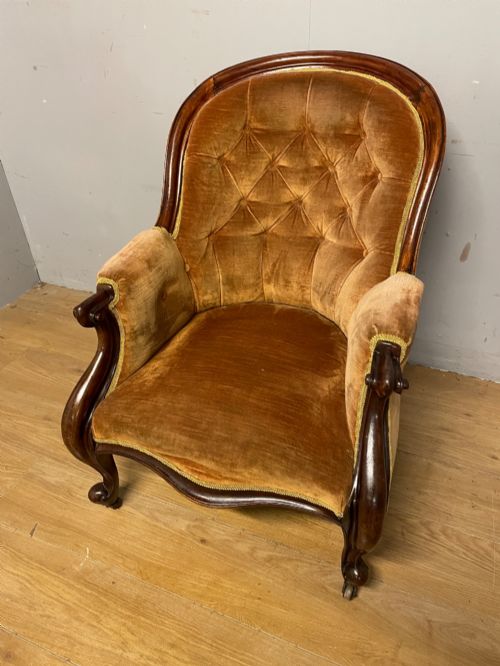
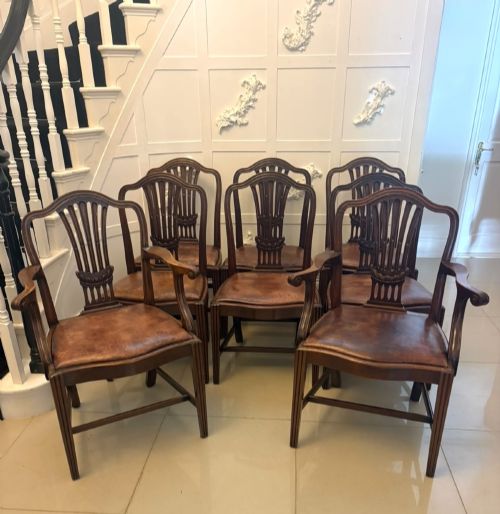
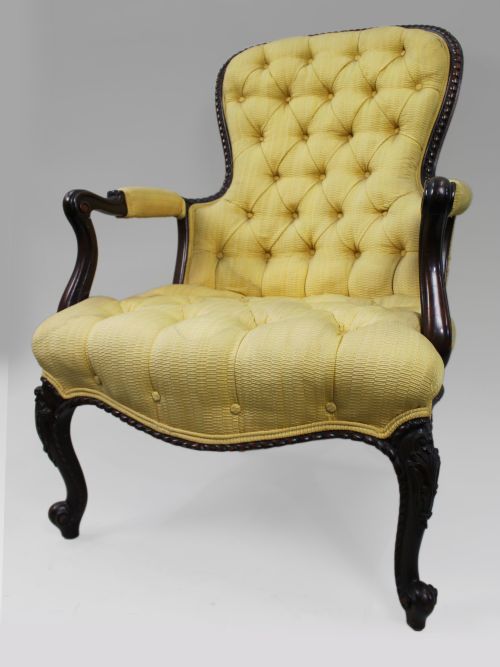
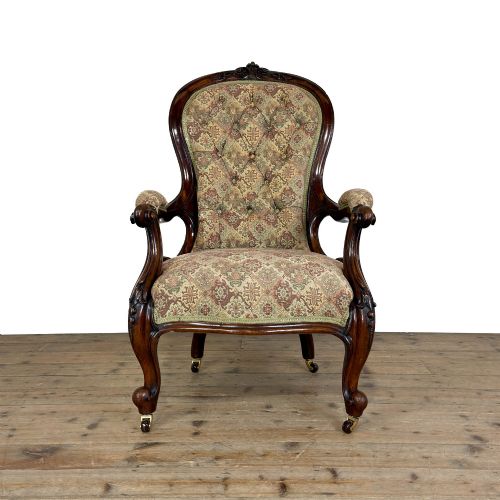
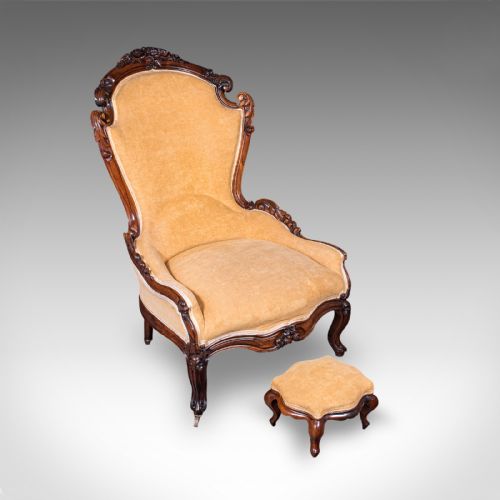
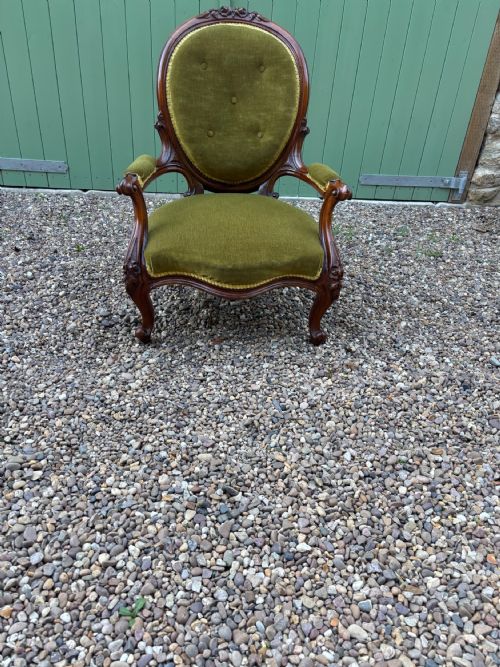
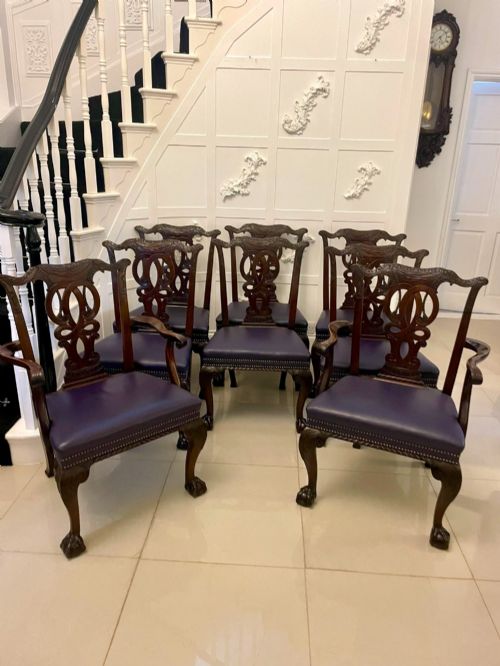
A victorian carved mahogany armchair encompasses a wide variety of seating forms originating primarily from the nineteenth century, ranging from library and desk chairs to deep-buttoned fireside models and dining carvers. The most common version met on this page is the single library or gentleman's armchair featuring solid mahogany frames and upholstered backrests.
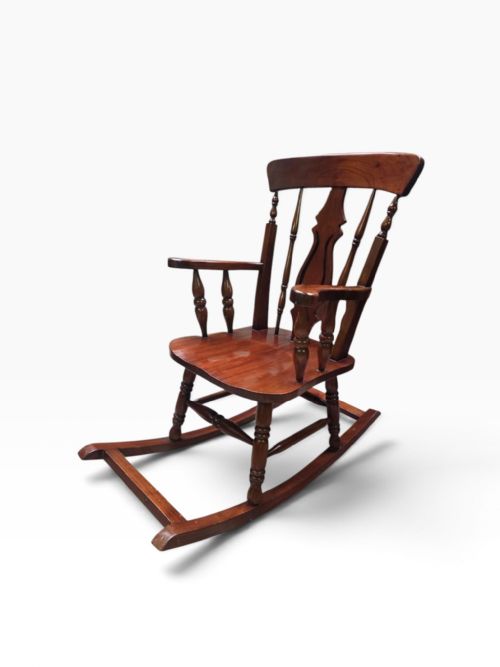
Makers and workshops of the period also produced larger suites, rocking chairs, and revolving desk seating, spanning styles from early Victorian simplicity to later revival motifs like Chippendale and Regency. These pieces reflect the heavy domestic seating demands of Victorian and Edwardian households, utilising resilient hardwoods built for daily use.
Materials and construction methods
Makers relied primarily on solid mahogany for structural integrity, shaping the timber into curved showwood frames, scroll arms, and carved forelegs. Brass castors frequently appeared on the feet of heavier library and desk chairs to ease movement across heavy carpets.
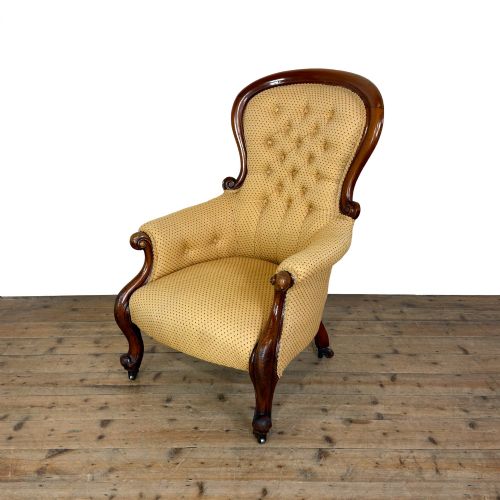
Upholstery involved traditional textiles such as leather, velvet, calico, and fabric secured over horsehair or spring stuffing, often highlighted with deep buttoning or brass tacks. Joinery techniques combined mortise and tenon joints with hand-carved decorative flourishes on the exposed wooden crest rails and splats.
Listings feature mahogany seating across Victorian, Edwardian, and Regency periods, utilising leather, cane, and velvet upholstery.
Distinctions in standard and execution
The distinction between ordinary and superior examples rests on the depth and crispness of the hand-carving on the mahogany frame, particularly around the spoon backs, crest rails, and scroll knuckles. Heavier, dense timber selection and intact original showwood distinguish finer workshop production from standard utility seating.
The integrity of the frame construction and the fidelity of revival styles, such as Hepplewhite or Chippendale influences, dictate the standing of a piece. Well-proportioned seating with balanced proportions and retained historical character commands greater respect among collectors.
Howard and Sons·Warings·Gillows
The Victorian Carved Mahogany Armchair Glossary
- Carver
- An armchair designed to match a set of dining chairs, usually featuring arms to accommodate the head of the table. These pieces often duplicate the decorative back splat of the smaller side chairs.
- Spoon back
- An upholstered chair back shaped to resemble the hollow of a spoon, popular during the mid-nineteenth century for ergonomic support. This curved contour fits the human spine closely.
- Showwood
- The exposed timber portions of an upholstered chair frame left visible around the margins of the back and arms. It allows the carver's ornamentation to remain apparent despite the padding.
- Tub chair
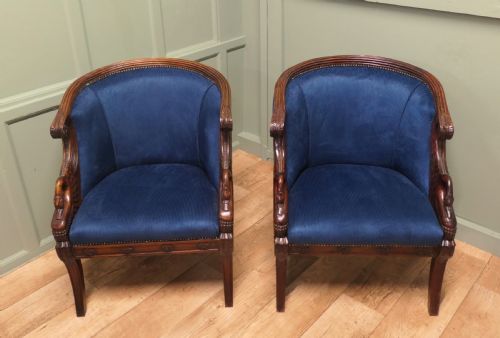
- A fully upholstered seating form with a continuous curved back and arms forming a barrel shape. They offer enclosed comfort and often sit low to the floor.
- Bergere
- An enclosed armchair featuring cane work panels set into the wooden frame sides or back. This technique provides a lighter visual weight compared to solid upholstery.
Victorian Carved Mahogany Armchair: Frequently Asked Questions
How do I identify an early Victorian armchair?
Early Victorian examples usually display heavier proportions, simpler mahogany scrollwork, and restrained ornamentation compared to later nineteenth-century output. They often align with the transition from late Regency aesthetics into robust Victorian forms.
Look for traditional joinery methods and heavier timber sections that define pieces made around the middle of the nineteenth century.
Were these chairs used at desks?
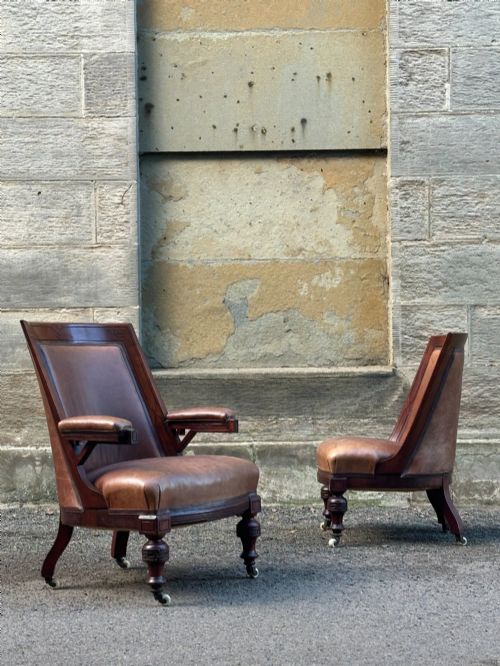
Many Victorian mahogany armchairs served specifically as desk or library seating, incorporating revolving swivel mechanisms or compact proportions to fit beneath writing tables. Revolving office chairs from this era combined heavy timber bases with leather upholstery for working environments.
Such seating provided both mobility and ergonomic support for writing and administrative tasks in nineteenth-century studies.
How should I care for antique mahogany frames?
Maintain antique mahogany timber by applying quality beeswax periodically to nourish the wood and preserve the depth of the polish. Avoid placing furniture in direct sunlight or near heat sources to prevent timber splitting.
Leather and fabric upholstery require gentle cleaning appropriate to the specific textile to protect historical integrity.