

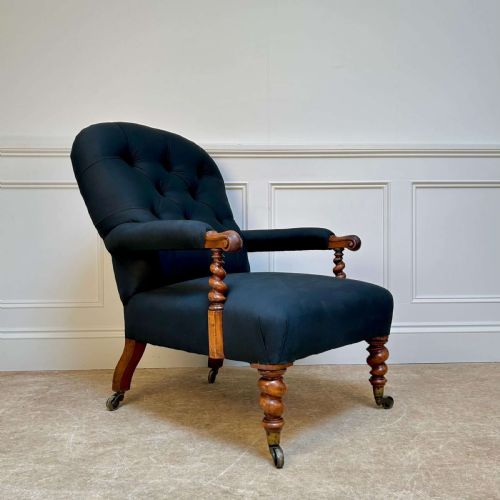
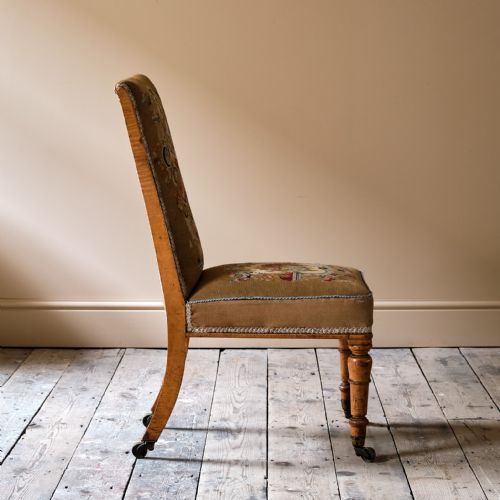


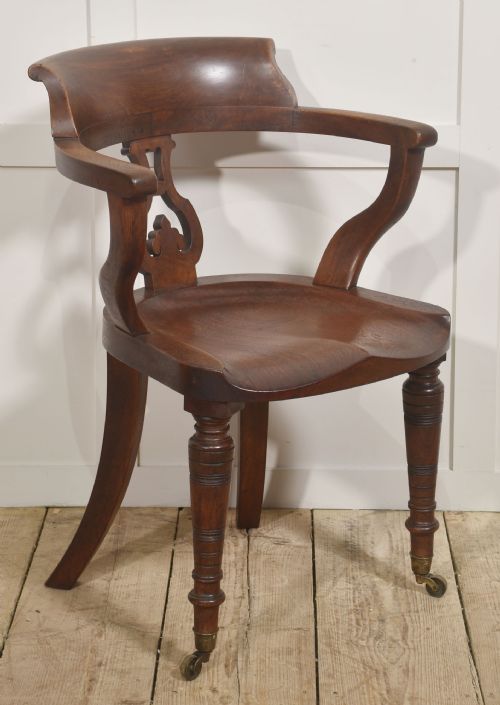


Victorian Desk Chair Castors
Victorian desk chair castors support heavy seating made for nineteenth-century studies and libraries.
Victorian Desk Chair Castors
Victorian desk chair castors appear beneath nineteenth-century seating designed for studies, libraries and offices. The evidence shows these functional supports attached to oak, mahogany, walnut and rosewood frames.
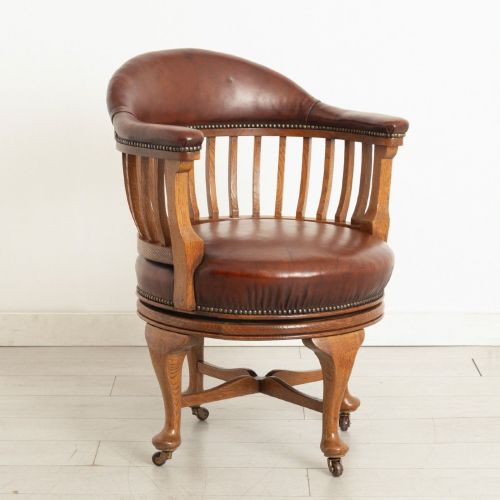
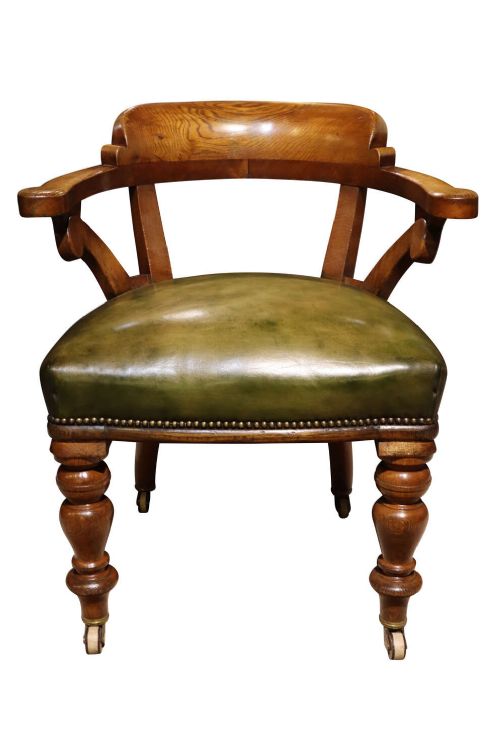
The most common forms carrying these supports on this page are library chairs, armchairs and captain's chairs. They bridge the gap between heavy domestic seating and working furniture.
Makers integrated these rolling feet into pieces spanning the early Victorian era through to the late nineteenth century. They provided mobility across heavy carpets and wooden floors in period rooms.
Materials and construction
Metal components such as brass combine with timber frames in the construction of these seating elements. Workshops utilised durable hardwoods including oak, mahogany and walnut for the primary structure.
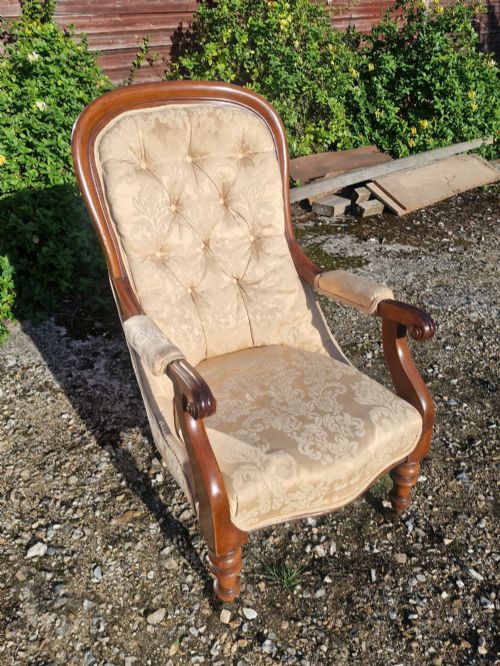
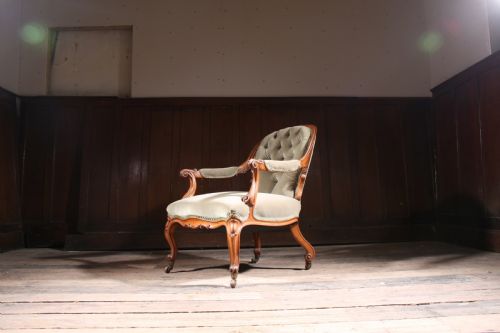
Upholstered versions incorporate leather, velvet, fabric and tapestry secured to the wooden bodies. Turned legs and reeded details frequently receive these functional metal attachments at the base.
The listings show nineteenth-century seating constructed from oak, mahogany, walnut, rosewood and elm.
Judging quality in the range
The distinction between standard examples and finer pieces rests on the choice of timber and the execution of carved or turned details. Solid golden oak and figured mahogany indicate a higher grade of manufacture than plain utility pieces.
The integrity of the frame and the retention of original metal elements dictate the standing of an individual chair. Integration between the timber leg and the rolling hardware reveals the original maker's intent.
Hindley and Sons·W Williamson and Sons
The Victorian Desk Chair Castors Glossary
- Castor
- A small wheel mounted on a swivel attached to the bottom of a leg to allow smooth movement. These metal fittings enabled heavy library chairs to glide across the floor.
- Reeded
- A decorative moulding consisting of parallel convex strips resembling bundled reeds. This technique added formal texture to the wooden legs of nineteenth-century seating.
- Captain's chair
- A low-backed wooden armchair designed for comfort during long hours of work. These sturdy forms often incorporate leather upholstery and rolling feet.
- Gothic Revival
- An architectural and decorative style drawing inspiration from medieval forms. Pieces in this manner display pointed arches and heavy structural oak.
- Bird's-eye maple
- A figured timber exhibiting small circular markings resembling birds' eyes within the grain. This decorative veneer elevates the appearance of nineteenth-century side chairs.
Victorian Desk Chair Castors: Frequently Asked Questions
What woods were used for these chairs?
Makers utilised durable timbers including oak, mahogany, walnut, rosewood and bird's-eye maple. These woods provided the structural strength needed for heavy daily use in studies and libraries.
Golden oak and figured mahogany appear frequently among the pieces recorded in the evidence. Softer woods like elm also supported specific regional forms such as captain's chairs.
How do I identify a Victorian desk chair?
Look for sturdy timber frames combined with functional elements like leather upholstery and rolling supports at the base. Nineteenth-century examples often feature turned front legs or reeded details.
Styles range from plain utilitarian forms to Gothic Revival designs with architectural carving. The presence of period materials helps confirm the nineteenth-century origin.
Were these chairs used at desks?
Nineteenth-century seating served various working environments including home studies, libraries and offices. The addition of rolling feet allowed users to move easily across the floor while seated.
Library chairs, captain's chairs and revolving models all provided the necessary mobility and support for prolonged periods of reading and writing.
How should I care for the leather upholstery?
Maintain leather surfaces by keeping them away from direct heat sources and strong sunlight to prevent drying. Gentle cleaning preserves the natural finish of the material.
Many period pieces retain dark red or green leather surfaces that complement the surrounding oak and mahogany frames.