





Traditional Oak Library Seating
Traditional oak library seating brings heavy timber frames and deep leather pads into studies, offering sturdy comfort built to endure.
Traditional Oak Library Seating
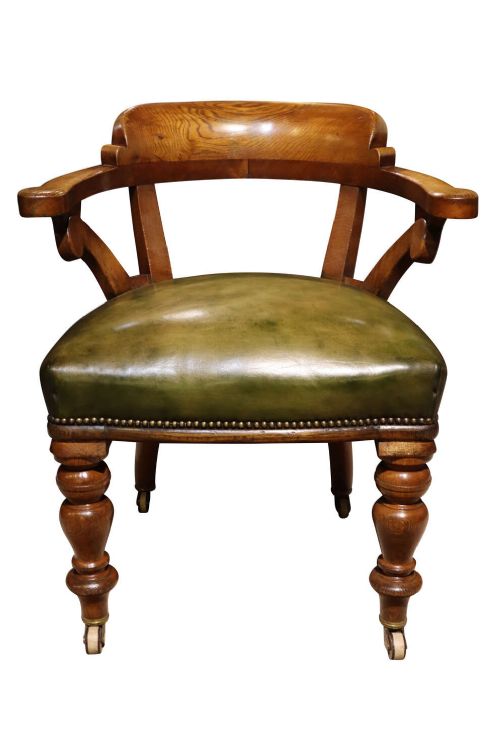
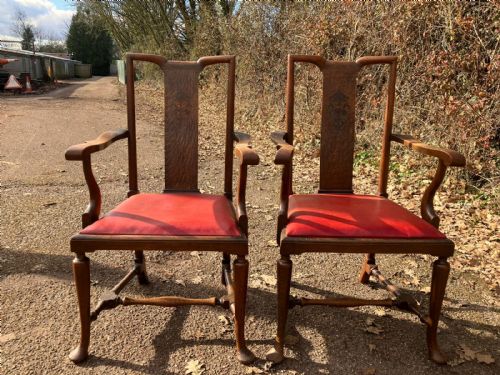
Traditional oak library seating encompasses robust armchairs, swivel desk chairs, and club fenders designed for heavy institutional or domestic study use. Buyers searching for traditional oak library seating encounter sturdy timber frames, often paired with leather or hide upholstery, spanning the eighteenth to early twentieth centuries.
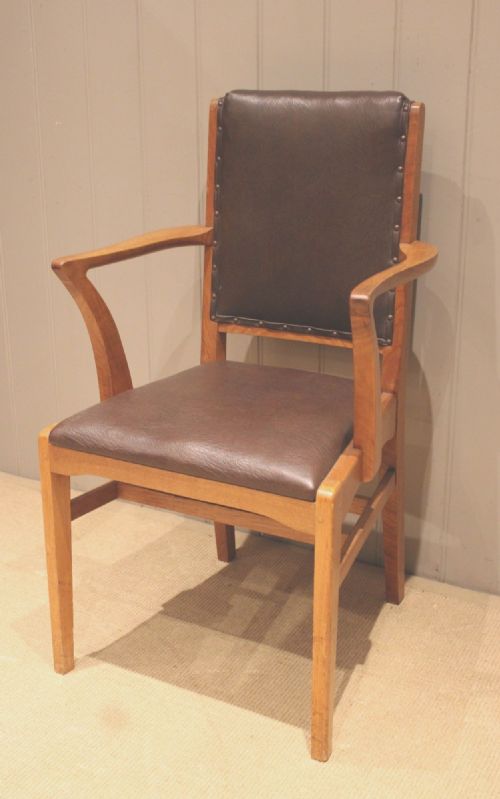
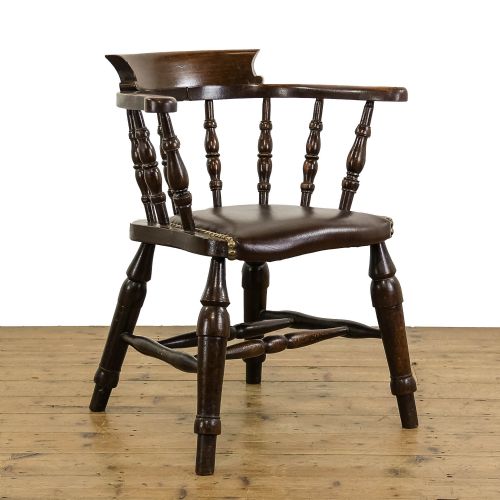
The selection on this page relies heavily on Victorian and Edwardian examples alongside earlier eighteenth-century forms and later Arts and Crafts interpretations. Common variations include captain chairs, revolving desk models, and elbow chairs constructed primarily from oak with occasional beech or mahogany secondary woods.
Materials and construction
Makers utilised solid oak for structural frames, turning to beech or mahogany for specific internal components or alternative forms. Joinery relied on traditional framing and pegging to ensure stability under daily use in public institutions and private studies.
Upholstery incorporated durable leather, tan hide, or fabric pads secured with brass tacks or metal hardware. Club fenders integrated steel and oak frameworks with upholstered top rails designed for fireside seating.
The listings span multiple centuries, ranging from eighteenth-century corner designs through Victorian and Edwardian periods up to nineteen-thirties office seating.
Assessing quality
Quality rests upon the crispness of carved detail in the timber and the integrity of the underlying frame construction. Superior examples maintain tight joinery and heavy oak sections that resist the looseness common in heavily used desk chairs.
The grade of the hide or leather upholstery and the preservation of original metal components distinguish finer library armchairs from standard utility seating. Patina accumulated through decades of use adds depth to the oak surfaces on better preserved pieces.
The Traditional Oak Library Seating Glossary
- Captain's chair
- A sturdy timber armchair with a rounded steam-bent backrest supported by vertical spindles, designed for office or library desks.
- Club fender
- A low fireside seat featuring a metal or steel base surrounded by an upholstered top rail, often framed in oak.
- Arts and Crafts
- A design movement prioritising simple forms, visible construction, and honest use of materials without excessive ornamentation.
- Hide
- Unsplit animal skin used for heavy-duty upholstery on desk chairs and library armchairs.
Traditional Oak Library Seating: Frequently Asked Questions
What defines traditional oak library seating?
These pieces consist of heavy timber armchairs, desk chairs, and club fenders built from solid oak with leather or hide upholstery.
They were designed for prolonged sitting in libraries, studies, and offices during the nineteenth and early twentieth centuries.
How do I care for leather desk chairs?
Keep the leather nourished with appropriate balms to prevent cracking on seats and armrests that experience regular friction.
Protect the timber frames from direct sunlight and extreme humidity fluctuations to maintain the stability of the oak.
Are revolving desk chairs period correct?
Swivel office and desk chairs appear alongside standard armchairs in late nineteenth and early twentieth century periods.
Mechanisms from this era used simpler steel or iron pivots concealed beneath the wooden seat structure.
What is a club fender?
A club fender is a low metal and oak framework featuring cushioned top rails that sits around a hearth.
It provided warm seating close to the fire in large country house libraries and drawing rooms.