

Victorian Carved Dressing Table
A victorian carved dressing table combines solid timber construction with ornate detail, offering a practical mirror and surface for bedroom use.
Victorian Carved Dressing Table
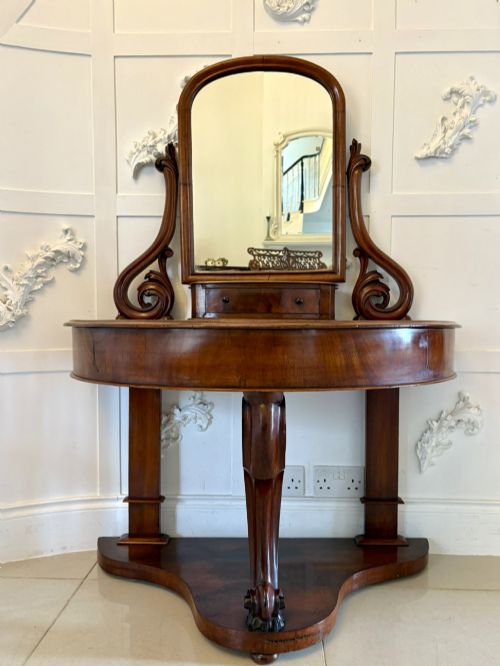
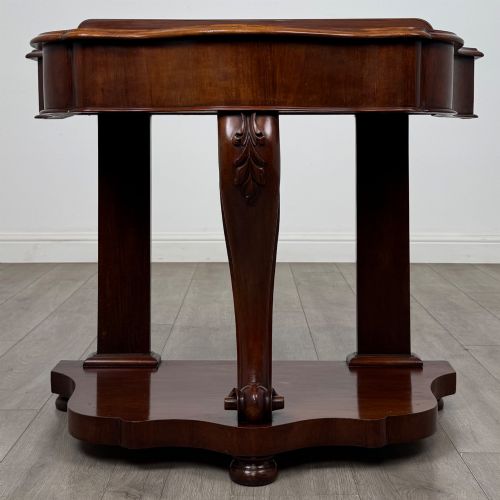
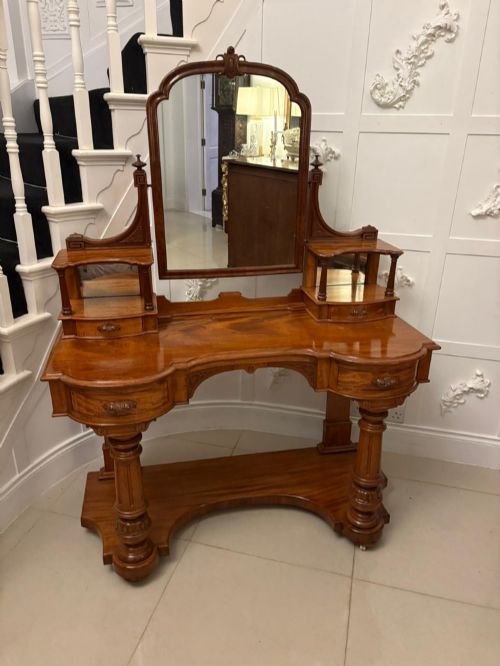
A victorian carved dressing table serves as a functional bedroom furnishing that typically integrates a tilting mirror with storage drawers and a polished surface. The pieces appearing in this category span the nineteenth century, with mahogany and walnut forming the primary timber choices for construction.
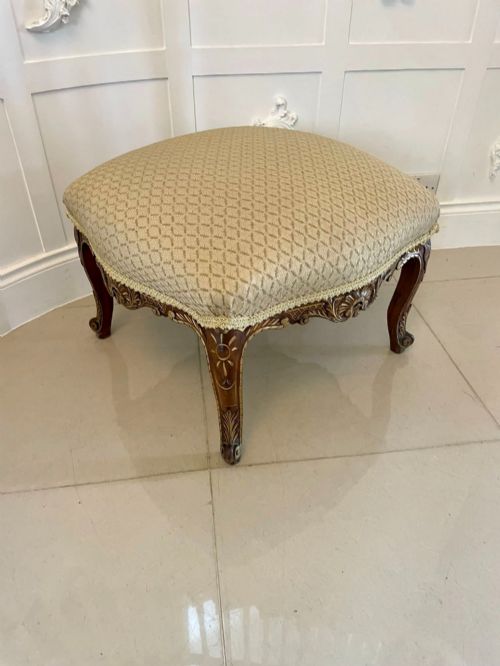
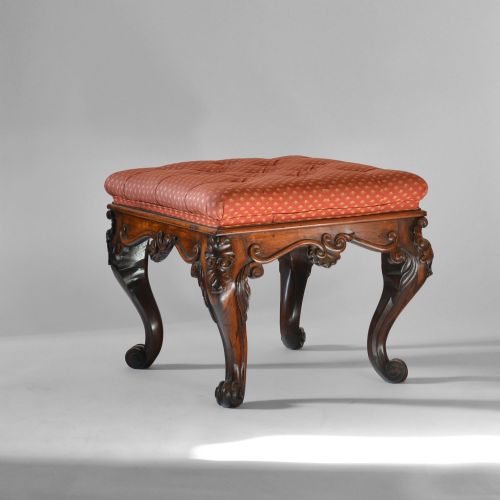
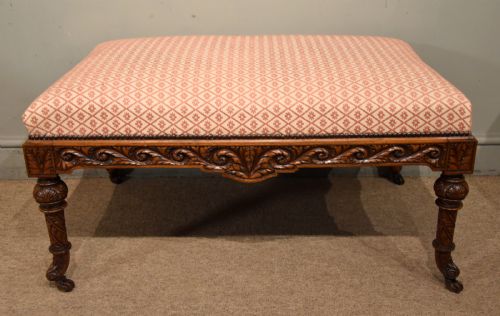
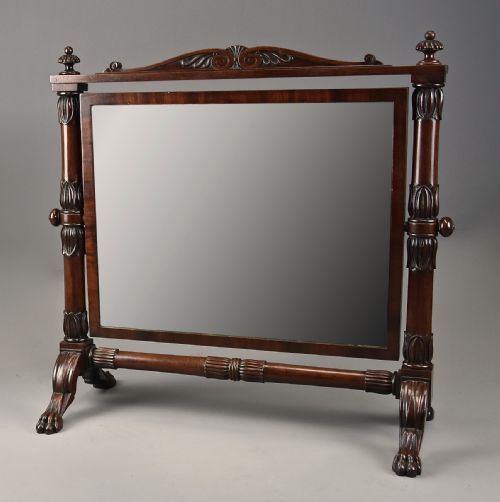
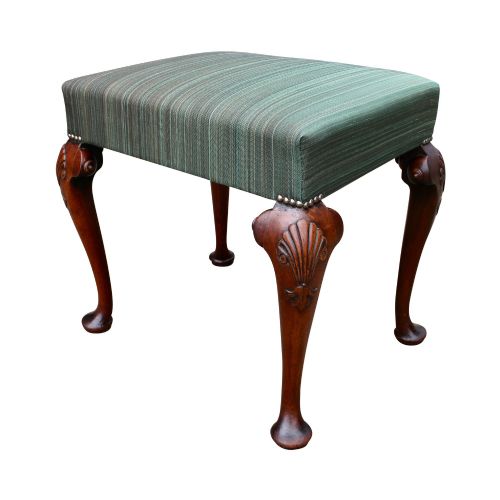
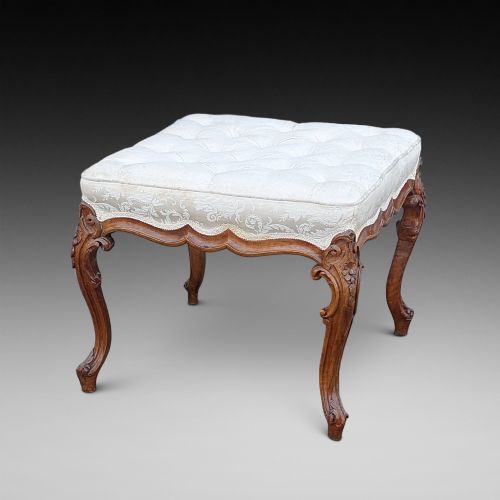
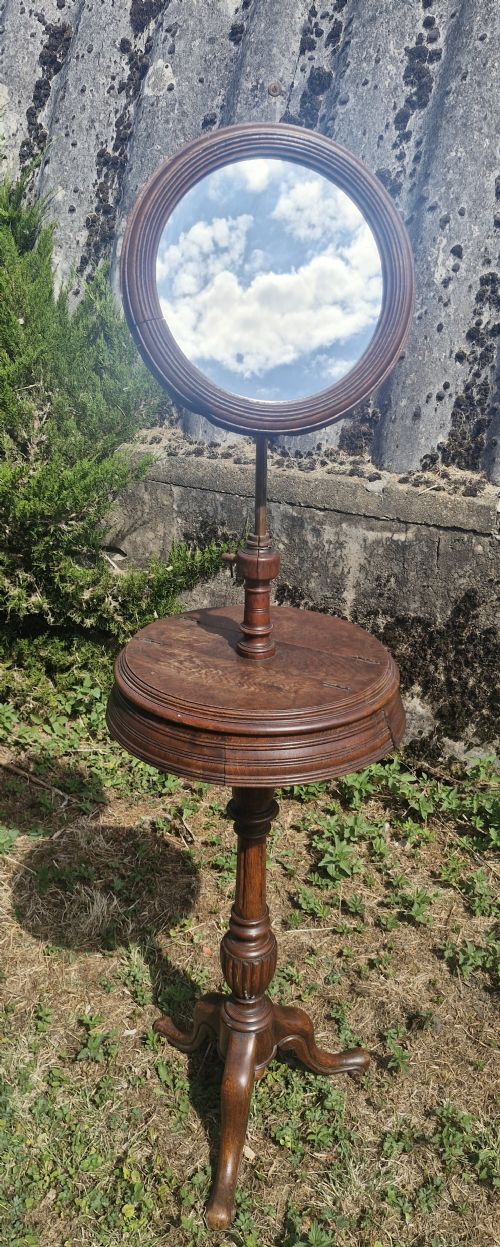
The duchess style represents a prominent variant within the evidence, featuring multiple small drawers, a central mirror, and substantial carved supports. Alongside these major pieces, the selection includes associated dressing stools, washstands, and cheval mirrors that share the same stylistic vocabulary.
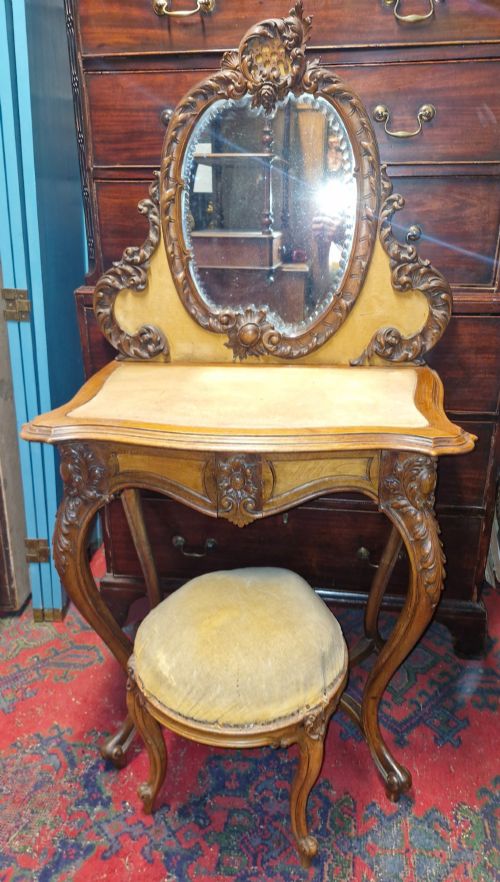
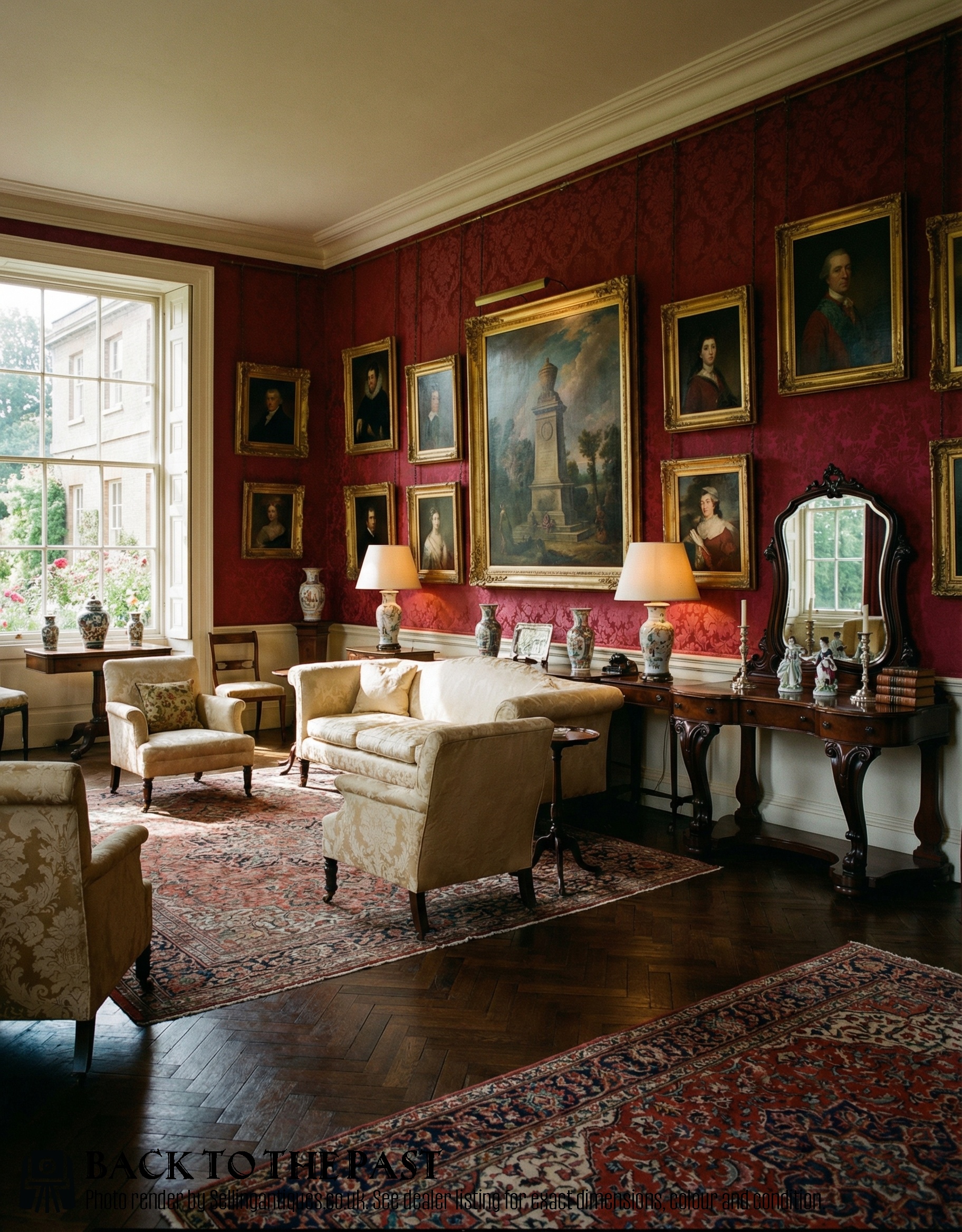
Makers and craftsmen of the period applied revivalist ornament influenced by Rococo, Gothic, and Queen Anne tastes onto practical domestic furniture. These dressing tables reflect the Victorian domestic interior, where utility met complex ornamental carving.

Materials and Techniques
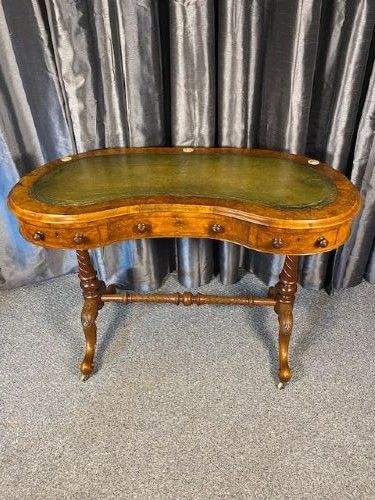
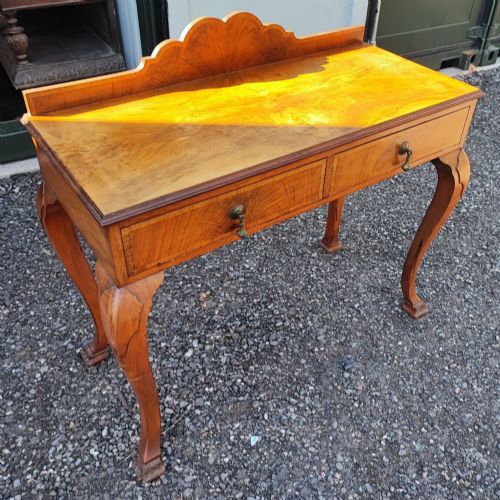
Cabinet makers utilised dense hardwoods such as mahogany, walnut, and burr walnut as the structural basis for these tables, often selecting figured veneers for drawer fronts and top surfaces. Secondary timbers like pine and oak appear in internal drawer framing and structural backing.
Carving was executed by hand directly into the solid timber or onto applied mouldings, employing motifs drawn from Rococo scrollwork and Gothic tracery. Swing mirrors were mounted on adjustable pivots held within carved upright supports, utilising brass hardware and glass mirror plates.
Victorian Carved Dressing Table Retail Price Guide 2026
Typical asking prices for victorian carved dressing table among the pieces listed under this phrase on Sellingantiques today, from the lower quarter to the upper quarter. They describe what is for sale here now, not the wider market.
The listings show dressing tables constructed predominantly in mahogany and walnut, spanning the Victorian era from eighteen-fifty to nineteen-hundred.
Distinctions in Execution
Quality rests in the crispness of the hand-carved detailing and the selection of timber veneers, where highly figured burr walnut or flame mahogany indicates superior workshop production. The integration of structural elements, such as dovetailed drawer boxes and substantial framing, separates standard utility furniture from high-grade commissions.
The presence of original mirrors, matching stools, and intact brass or gilt fittings preserves the integrity of the piece. Refined proportions and balanced decorative schemes distinguish master cabinet maker output from simpler regional work.
P & MA Nicholson·Waring & Gillows
The Victorian Carved Dressing Table Glossary
- Duchess dressing table
- A large nineteenth-century dressing table featuring a central swing mirror flanked by banks of small drawers over a main surface. This form typically stands on heavy carved cabriole or console supports.
- Cheval mirror
- A full-length plate glass mirror suspended on a vertical swivelling frame between two upright posts. These freestanding glasses allowed full-figure reflection in the Victorian bedroom.
- Cabriole leg
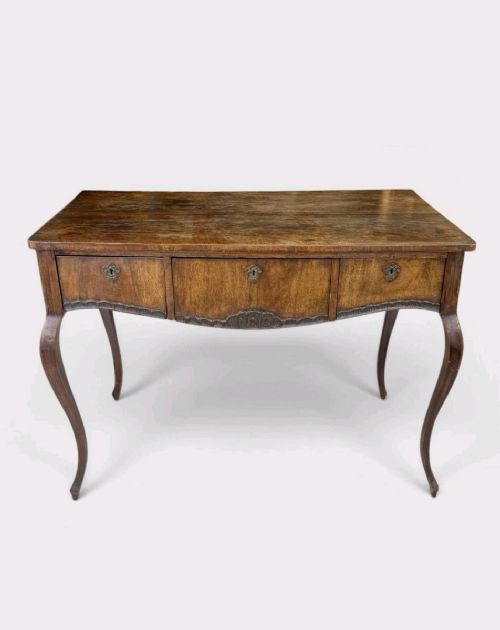
- A furniture leg that curves out and then in, resembling the leg of an animal. This form was widely revived during the Victorian era on tables and matching stools.
- Burr walnut
- Timber taken from the abnormal growth of a walnut tree, yielding complex swirling grain patterns. Cabinet makers prized this wood for decorative veneering on high-status tables.
- Washstand
- A wooden basin stand designed to hold porcelain washware, frequently associated with bedroom suites. These pieces often incorporate marble tops and tile splashbacks.
Victorian Carved Dressing Table: Frequently Asked Questions
What is a duchess dressing table?
A duchess dressing table is a substantial nineteenth-century vanity unit that incorporates a large central swing mirror above several small trinket drawers. The design provides an expansive surface area supported by heavily carved legs or pedestals.
These pieces served as prominent fixtures in Victorian master bedrooms, combining storage space with a dedicated grooming station.
How do I spot a marriage piece?
A marriage occurs when components from different periods or separate pieces of furniture are joined together to form a single item. In dressing tables, look for discrepancies in timber colour, grain direction, and the fit of drawer runners.
Examine the mounting points of the mirror supports to ensure the timber matches the base structure and shows consistent wear patterns throughout.
Are these mirrors original?
Victorian mirror plates frequently exhibit minor foxing, dark spots, and slight distortion in the glass due to the historical silvering process. Original glass is retained whenever possible, though replacement plates appear in pieces restored for daily use.
Inspect the wooden frame holding the glass to verify that the rebate and backing boards correspond to nineteenth-century construction methods.
How should I clean the wood surface?
Maintain the polished timber by applying microcrystalline wax sparingly to feed the dry grain and protect the historical finish from moisture. Avoid modern silicone sprays or abrasive household cleaners that degrade the patina built up over generations.
Use a soft, dry cloth for regular dusting and keep the furniture away from direct heat sources to prevent timber splitting.