



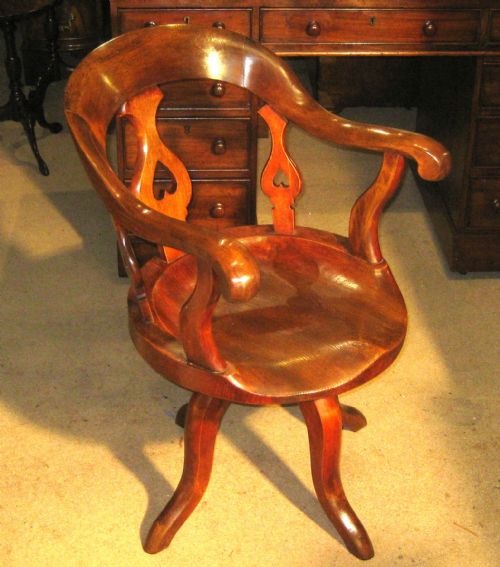
Victorian Captains Desk
When you search for a victorian captains desk, you are looking at robust swivel and writing furniture built for nineteenth-century ships and studies.
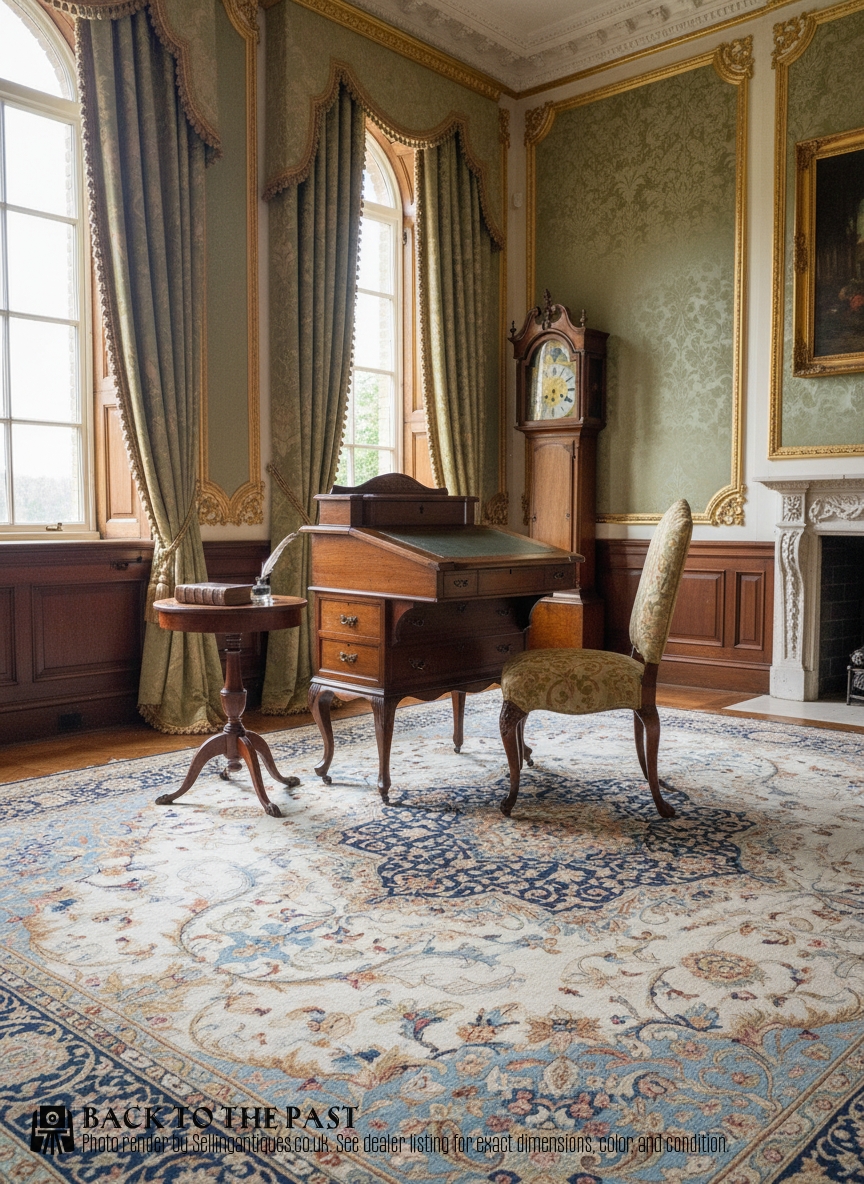
Victorian Captains Desk
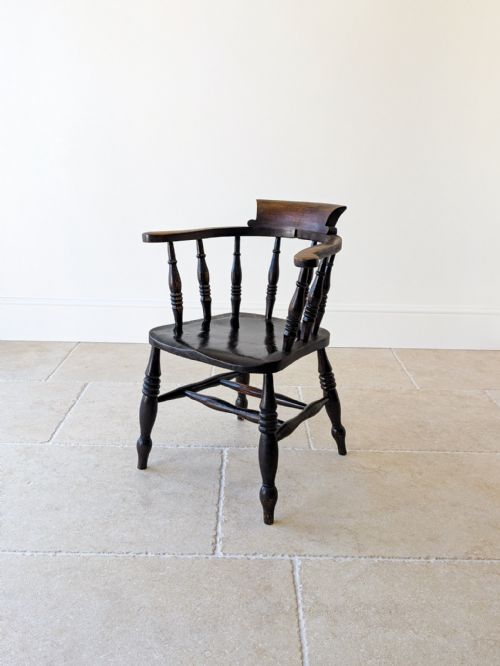
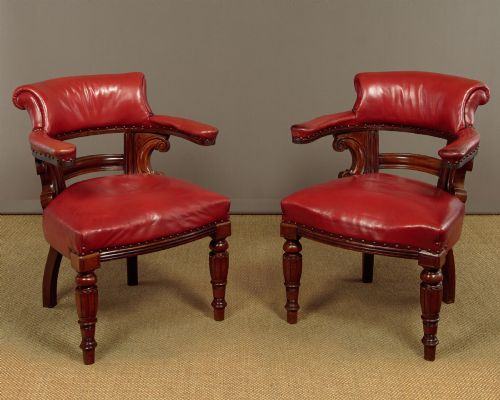
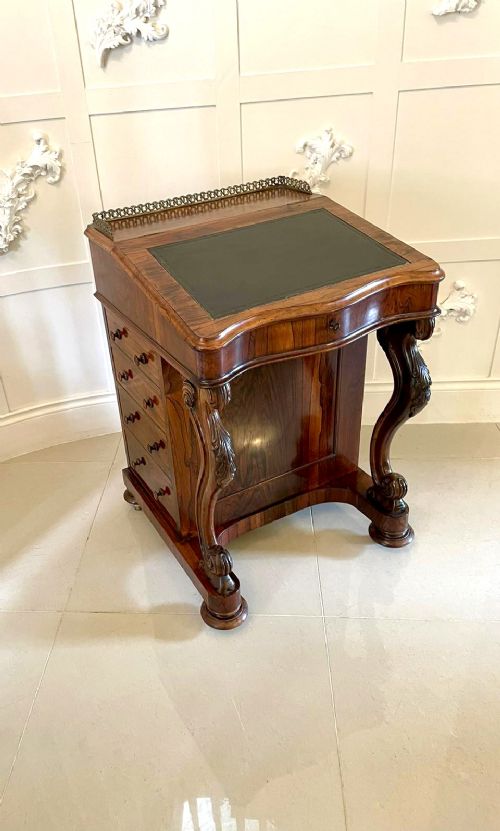
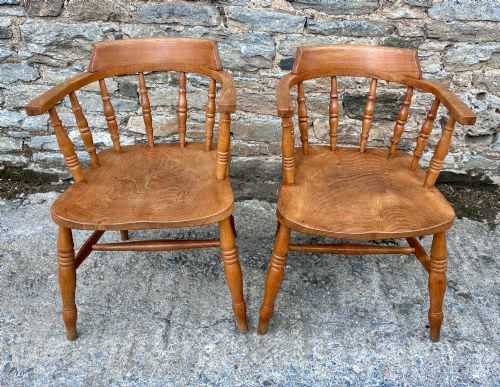
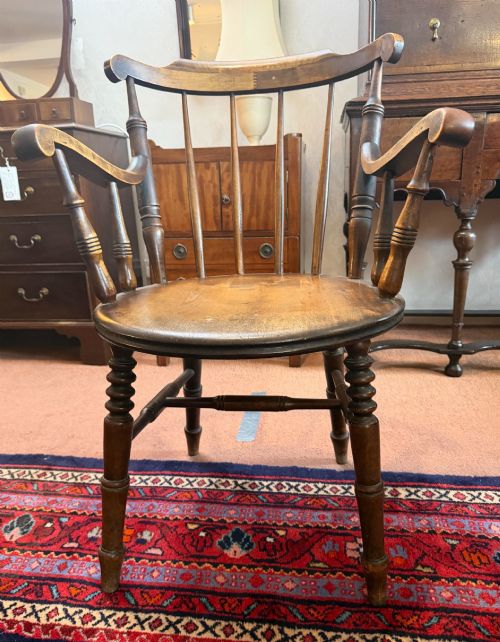
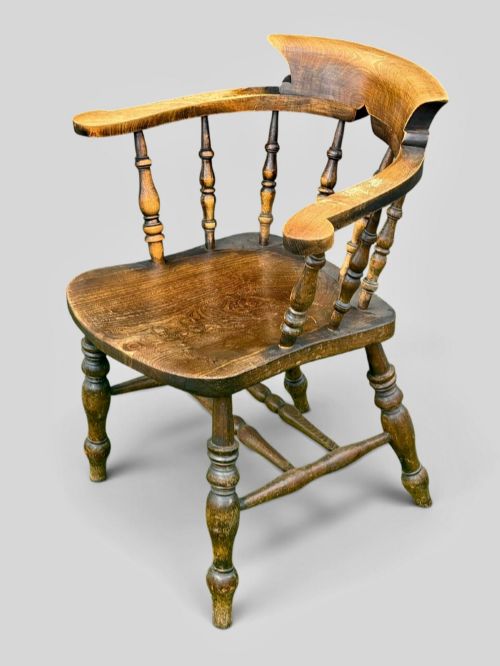
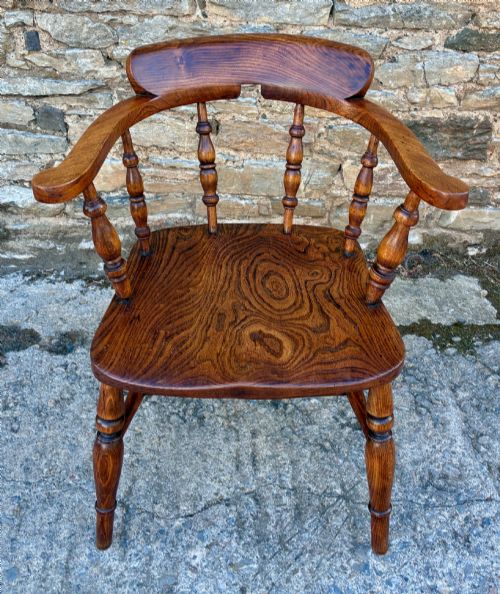
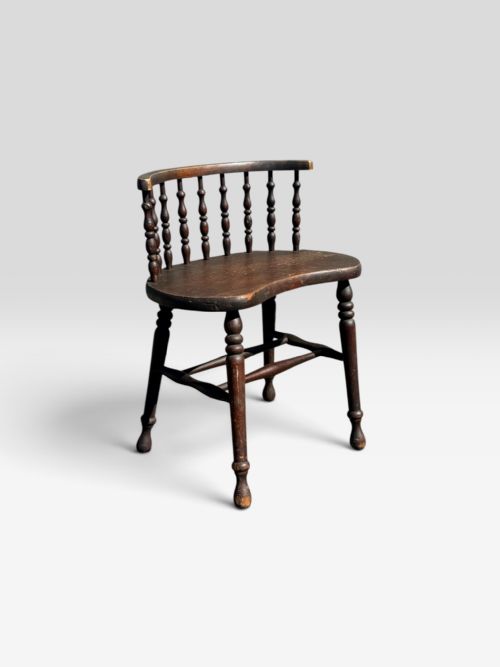
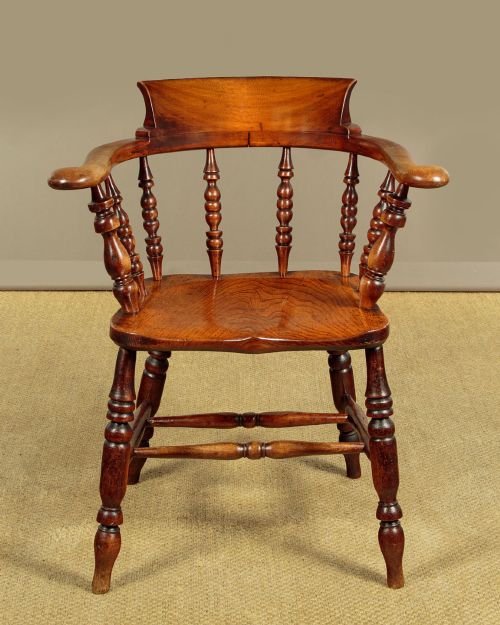
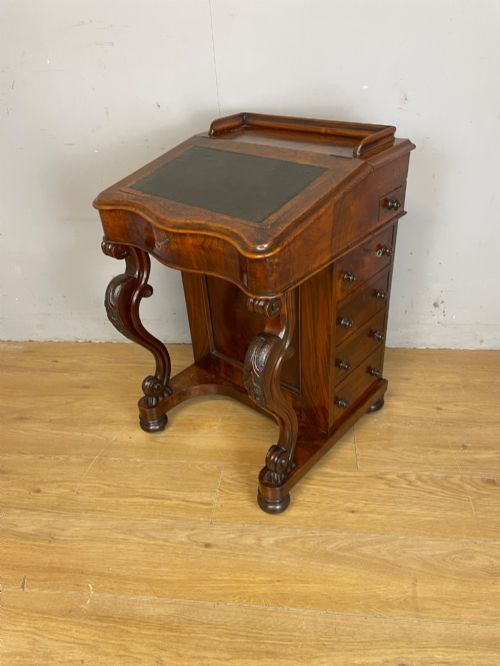
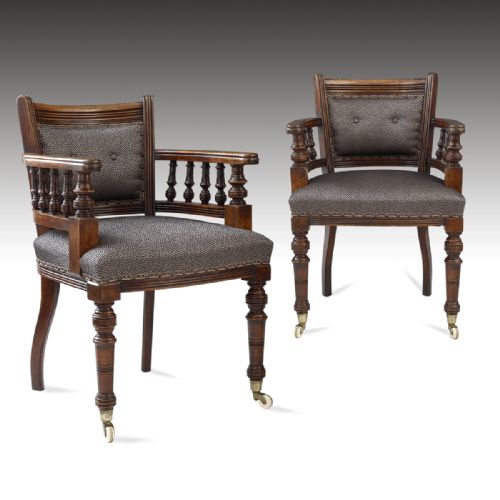
The term victorian captains desk covers sturdy revolving armchairs and compact pedestal writing tables designed for maritime and domestic use. You will most frequently encounter sturdy timber seating with low curved backs alongside traditional slope-top Davenport desks.
Makers adapted these forms from shipboard quarters and libraries, combining heavy pedestals with functional writing surfaces. The materials reflect solid nineteenth-century utility, merging durable hardwoods with brass fittings and leather inserts.
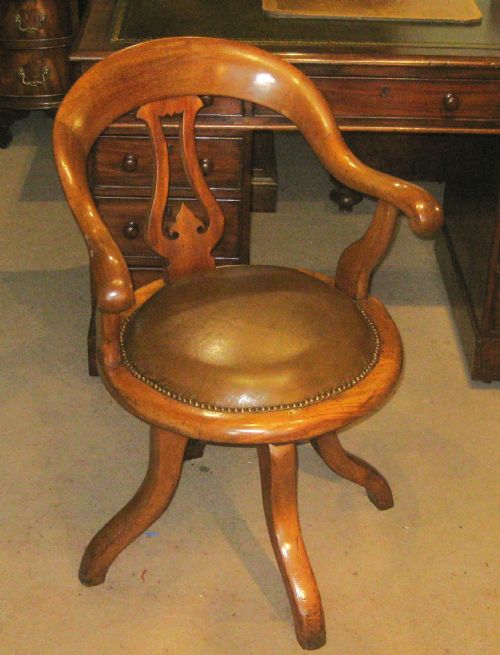
The evidence shows a strong presence of revolving desk chairs alongside stationery chests and compact writing cabinets. These pieces served practical administrative roles in offices and cabins throughout the Victorian era.

How they were made
Cabinet makers utilised dense timbers such as mahogany, oak, walnut and elm to build rigid frames capable of withstanding constant movement and use. Solid wood components were joined with pegged mortise and tenon construction, while swivelling seats relied on iron and brass mechanical spindles.
Writing surfaces were frequently inset with tooled leather panels, whilst desk interiors incorporated pigeonholes and secret drawers. Timber surfaces were finished with French polish or wax to highlight the natural grain of the wood.
Victorian Captains Desk Retail Price Guide 2026
Typical asking prices for victorian captains desk among the pieces listed under this phrase on Sellingantiques today, from the lower quarter to the upper quarter. They describe what is for sale here now, not the wider market.
Captains chairs spent decades spinning in smoky rooms before ever landing on a marketplace page.
What varies in quality
Quality rests upon the selection of timber figures, the weight of the underlying mechanism, and the crispness of turned spindles and carved details. Pieces featuring dense mahogany or figured walnut display superior grain alignment compared to simpler utility models built from mixed hardwoods.
The complexity of the internal mechanism dictates the grade of a revolving chair, with robust iron spiders and smooth swivel action representing finer workshop output. Original leather inserts and intact secondary drawers likewise elevate the integrity of surviving examples.
Alfred Allen·Shannon Company·Gillows
The Victorian Captains Desk Glossary
- Smoker's Bow
- A low-backed wooden armchair with a continuous curved rail, frequently associated with captain and office seating. These chairs feature sturdy spindles and a saddle-shaped seat for extended sitting.
- Davenport
- A compact pedestal desk featuring a sloping, hinged writing surface above a bank of drawers. The top often incorporates a small stationery compartment.
- Kneehole Desk
- A freestanding writing table with a central recess for the user's legs, flanked by pedestals of drawers. These desks are often finished on all sides for placement in the centre of a room.
- Revolving Mechanism
- The iron or brass swivel assembly mounted beneath a desk chair seat. It allows the occupant to turn and tilt while seated at a library table.
- Patina
- The surface sheen and mellowing developed by timber and leather over decades of handling and use. It reflects the natural ageing of the finish.
Victorian Captains Desk: Frequently Asked Questions
How do I identify a Victorian chair?
Victorian seating can be identified by timber choice, construction methods, and distinct nineteenth-century design idioms. Look for dense hardwoods like mahogany and oak combined with traditional hand-joined frames.
Revolving versions will feature period iron or brass mechanical spindles beneath the seat rather than modern pneumatic columns.
Were these desks used on ships?
Many compact desks and swivel chairs were designed with maritime environments in mind, offering secure storage and low centres of gravity. Over time, the style transitioned into land-based libraries and administrative offices.
Surviving examples retain the robust build quality necessary for life at sea.
How do I care for leather desk inserts?
Leather writing surfaces require gentle cleaning with a slightly damp cloth followed by a neutral leather preservative or wax. Avoid heavy saturation to protect the underlying wood.
Keeping the leather nourished prevents cracking while preserving the original gilt tooling.