

Victorian Cane Stand
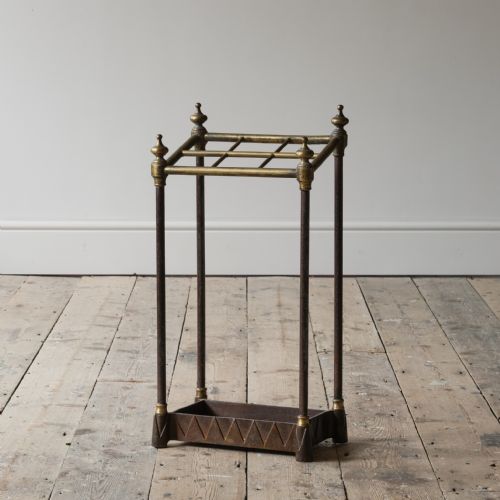
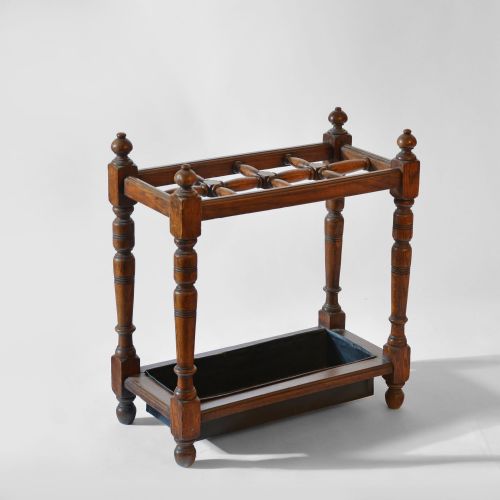
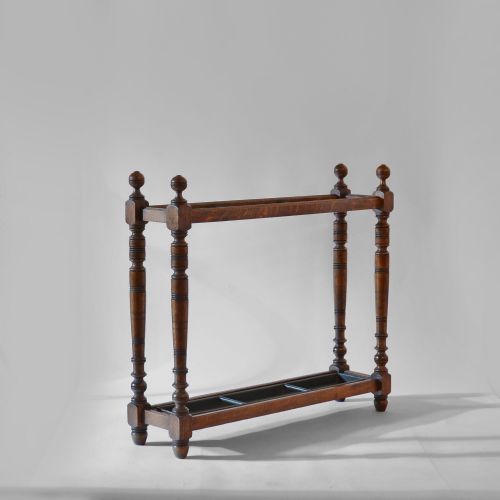
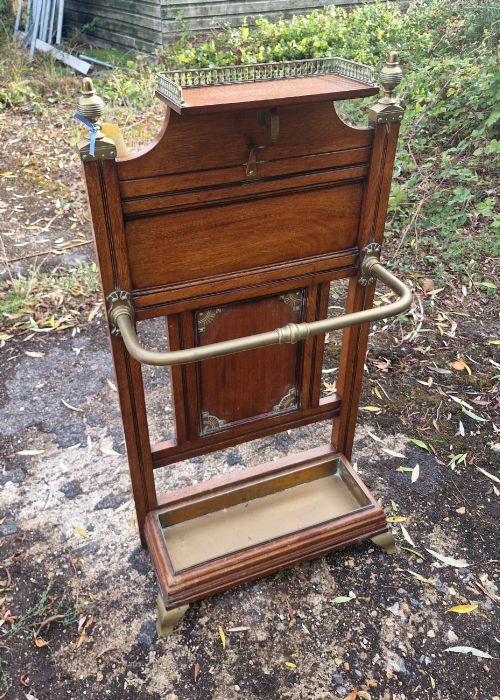
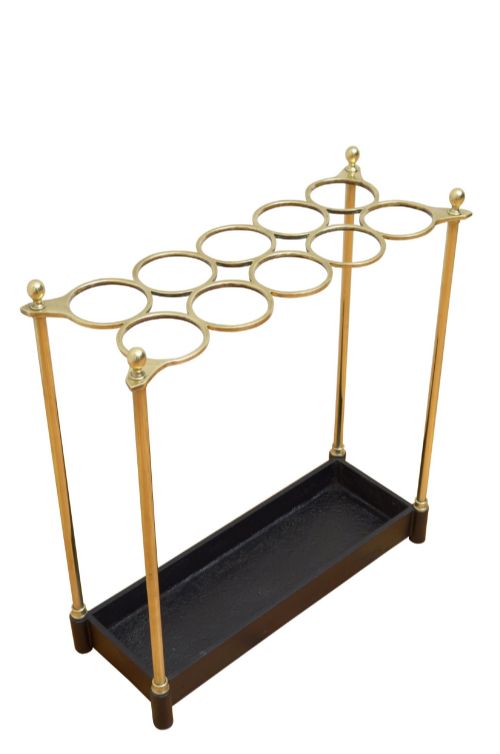
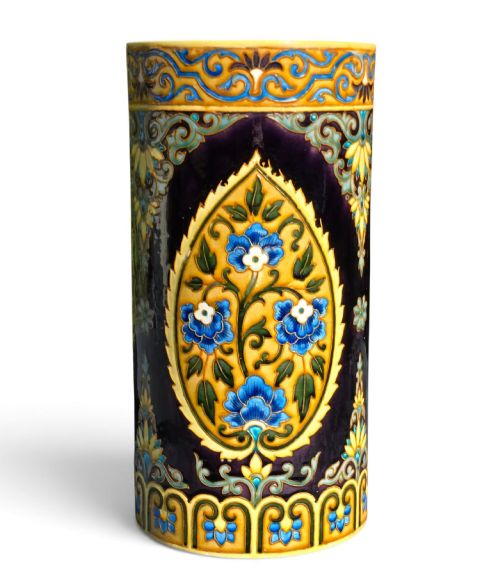
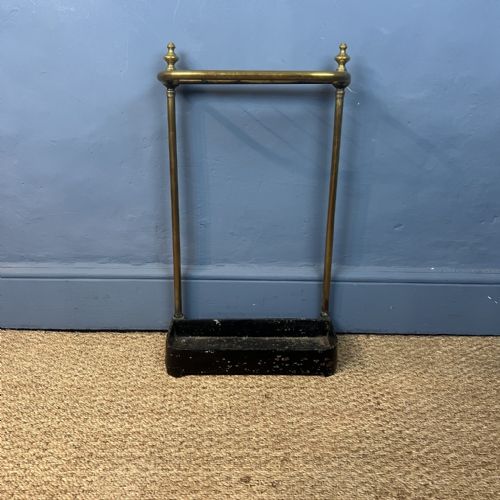
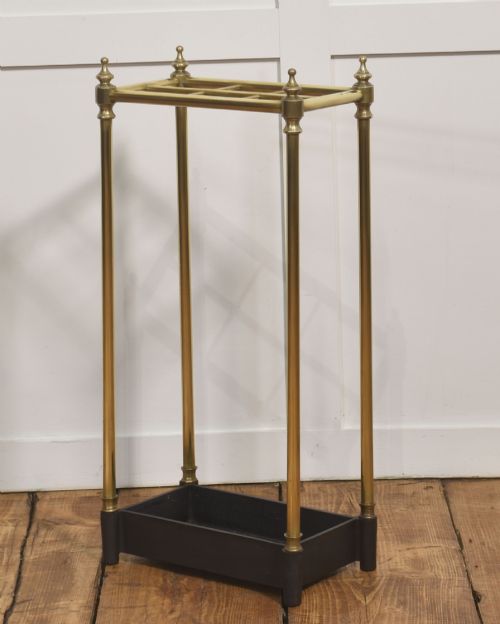
Victorian cane stand pieces organise hallways with robust utility, combining heavy structural metals and rich timber frames to receive walking sticks and umbrellas.
Identifying a Victorian cane stand
A Victorian cane stand provides a dedicated hallway drop for walking sticks and umbrellas, keeping floors clear in busy entrances. Buyers searching this phrase encounter substantial floor-standing furniture designed to handle heavy daily use.
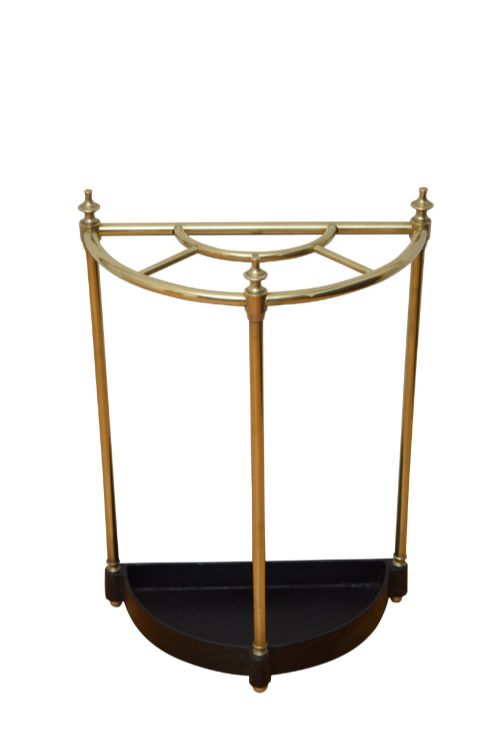
The pieces listed on this page span the Victorian period, including items dated specifically to eighteen seventy and the nineteenth century. Forms alternate between corner configurations and straight linear frames.
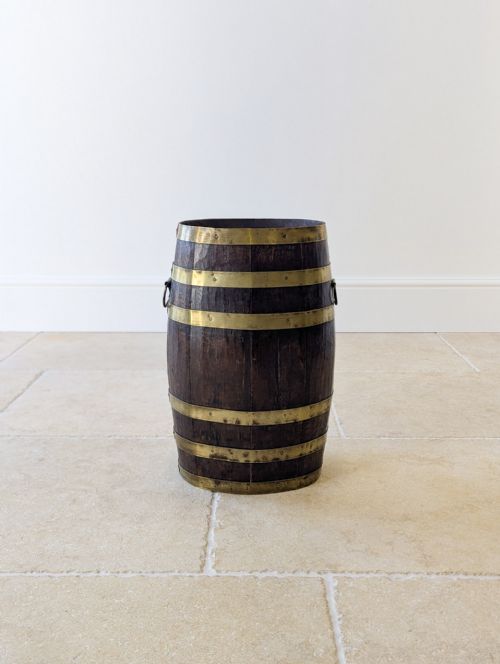
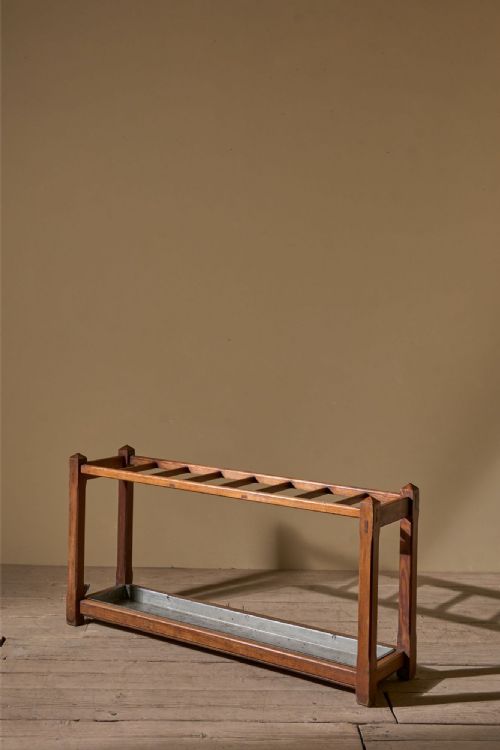
Materials divide into sturdy structural metals such as cast iron and brass alongside warm mahogany timber. These examples serve identical domestic functions while reflecting differing nineteenth-century hallway aesthetics.
Materials and construction
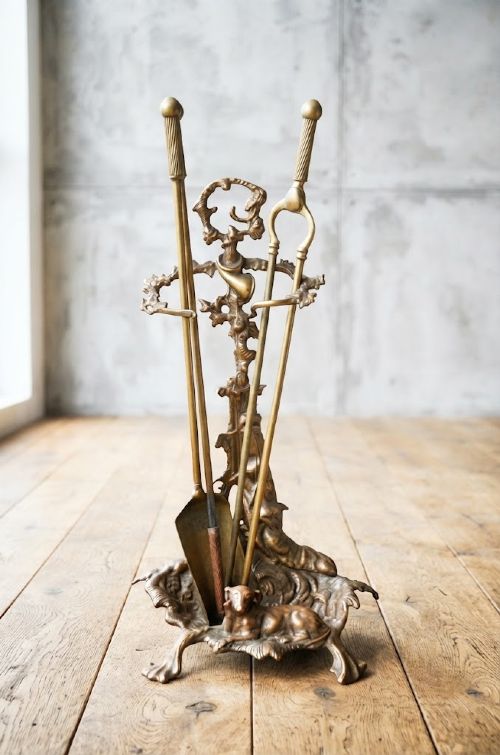
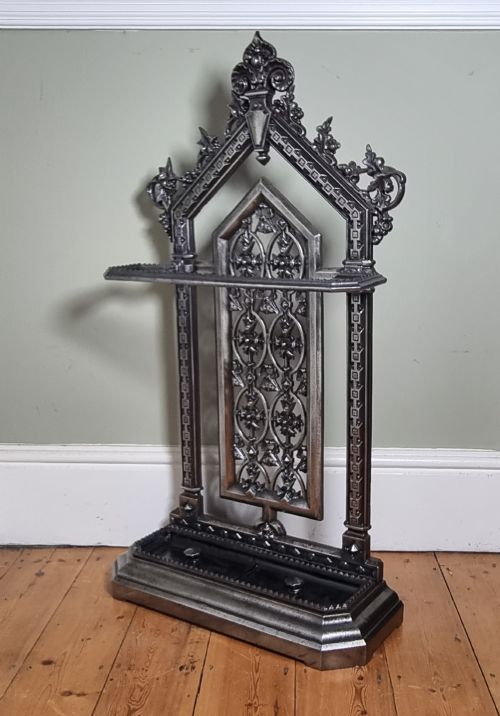
Constructors utilised cast iron and brass to form rigid, moisture-resistant frames capable of withstanding wet umbrella tips and heavy walking sticks. Metal components frequently feature moulded decorative details and openwork designs.
Retail Price Guide 2026
Typical UK retail prices for victorian cane stand, calculated from the Sellingantiques database of over a million retail prices indexed since 2003. This retail price guide relies exclusively on Sellingantiques data; no external sources or auction records are used, so the figures do not describe the wider market.
Many cast iron frames still wear their original black paint, having survived countless damp autumns and muddy walking boots without complaint.
Assessing quality and merit
Superior examples demonstrate refined casting in iron or brass, where decorative motifs remain crisp and structural junctions fit cleanly without excessive reinforcement. Lesser pieces show softer detail and simpler assembly.
Timber quality separates standard joinery from finer furniture pieces, with well-figured mahogany displaying depth and warmth that plain utility woods lack. Original surface patination enhances the visual authority of both wood and metal iterations.
The Victorian Cane Stand Glossary
- Stick stand
- A freestanding domestic piece designed to hold walking sticks upright in an entrance hall. These often share form and function with umbrella racks.
- Cast iron
- An iron-carbon alloy poured into moulds to create rigid, heavy structural frames. This material provides the necessary weight to prevent tipping.
- Mahogany
- A durable tropical hardwood prized for its reddish-brown colour and fine grain. It forms the primary timber structure in wooden entrance pieces.
- Drip tray
- A shallow metal or ceramic basin positioned beneath the rack to catch moisture from wet umbrellas. It protects flooring from water damage.
Frequently Asked Questions
What is a Victorian cane stand?
A Victorian cane stand is a piece of hallway furniture designed to store walking sticks and umbrellas upright. These items keep entryways tidy by containing wet tips and stray handles in a single designated footprint.
Constructed from robust materials like cast iron, brass, and mahogany, they reflect the functional demands of nineteenth-century domestic life. Their designs range from industrial metal frameworks to polished wooden corner units.
How were these stands used?
Households placed them in entrance halls and boot rooms to receive wet umbrellas and walking aids upon entering the home. The open framework allowed damp items to circulate air while containing puddles within a base tray.
They served visitors and residents alike, offering an orderly greeting point just inside the front door. Their sturdy construction ensured they could support heavy wooden shafts and metal ferrules daily.
How do I date a cane stand?
Dating relies on examining the materials, construction techniques, and stylistic markers characteristic of the nineteenth century. Pieces made from solid mahogany or heavy cast iron often align with Victorian manufacturing standards.
Archive records and period listings point towards specific design eras through standardised hardware and joinery methods. Comparing the decorative motifs to documented nineteenth-century examples helps confirm the age of the piece.
Where should I place one?
An entrance hall or boot room provides the most authentic and practical location for positioning a nineteenth-century stick holder. Corner configurations fit neatly into restricted hallway angles without blocking thoroughfares.
Ensure the floor surface tolerates occasional moisture if the stand lacks an intact base tray. Positioning it near the primary exit allows convenient retrieval of walking sticks and umbrellas before stepping outside.