
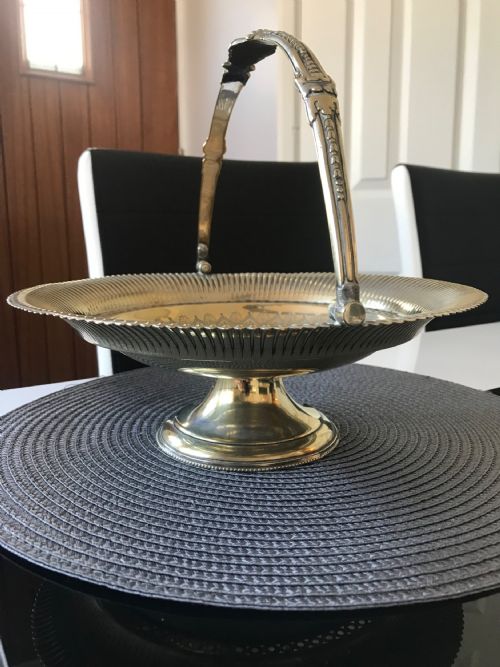


Victorian Cake Basket
A victorian cake basket brings tiered elegance to a table, offering generous proportions and ornate metalwork designed for fine hospitality.
Victorian Cake Basket
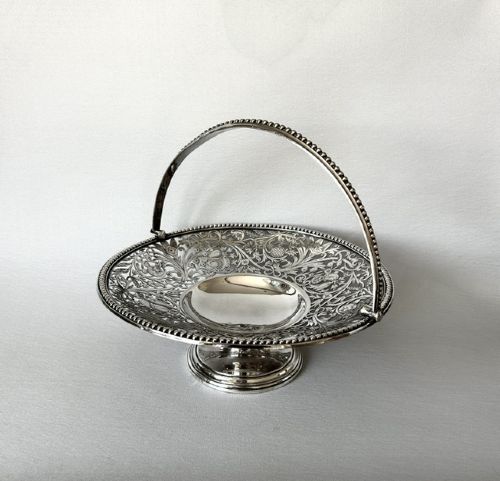
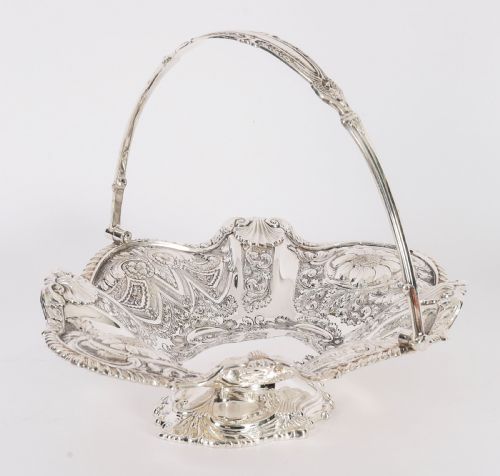
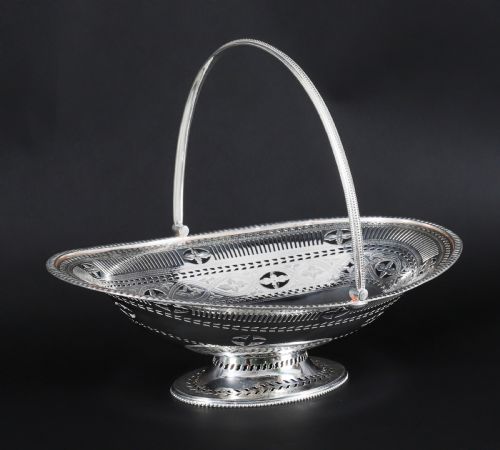
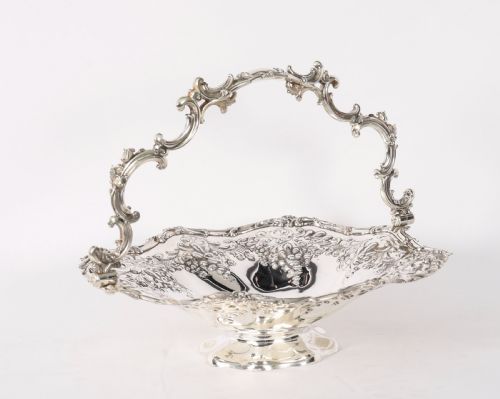
When you search for a victorian cake basket, you encounter open metalwork vessels designed for serving baked goods and fruit during formal gatherings. Most examples on this page are silver plated or sterling silver, dating from the nineteenth century with occasional pieces stretching into the early twentieth century.
The forms range from heavy fruit baskets and bread bowls to swing handled designs and pieces incorporating opaline glass. Styles span plain neoclassical lines through to elaborate rococo revival and art nouveau curves.
Makers stamp their work or apply hallmarks that ground these objects in specific decades. The vessels serve equally well as functional serveware or decorative centrepieces in a modern interior.
What varies in quality
Quality rests in the crispness of the pierced or embossed detailing and the weight of the metal itself. Thicker silver plating resists wear better over time, preserving the sharpness of the chased patterns.
Maker attribution elevates a piece, with recognised firms demonstrating superior balance, heavier gauge materials, and more refined handle engineering compared to unmarked generic examples.
Some Victorian baskets include ingenious folding handles designed to collapse politely out of the way when the pastries ran out.
George W. Scott And Sons Ltd·James Deakin And Sons·W M F·James Dixon·Elkington
The Victorian Cake Basket Glossary
- Electroplated nickel silver
- A base metal alloy of copper, nickel, and zinc coated with a layer of silver through an electrical process. This method became widespread in the nineteenth century for producing affordable tableware.
- Pierced work
- Metal perforated with geometric or floral patterns using a saw or punch. It lightened the appearance of large baskets whilst displaying craftsmanship.
- Opaline glass
- A pale, translucent art glass popular during the nineteenth century. It lent colour and contrast when paired with silver metalwork.
- Swing handle
- A movable handle attached to pivots on the rim of the basket. It allowed the vessel to lie flat on a table before being lifted.
- Hallmark
- Official stamps struck into precious metals indicating the standard of silver, the maker, and the year of assay. These marks provide definitive historical dating.
Victorian Cake Basket: Frequently Asked Questions
How were cake baskets used?
These vessels held cakes, bread, or fruit during formal Victorian tea and dinner services. Guests selected items directly from the open baskets passed around the table.
They functioned as practical serveware and status symbols, often occupying a central position on the sideboard when empty.
Are these baskets made of solid silver?
The inventory includes both sterling silver and silver plated items over metals like brass or nickel silver. Hallmarks on the body indicate solid silver content.
Silver plated versions offer the visual weight of solid silver through a durable coating applied to a base metal core.
How do I date a basket?
Hallmarks on sterling pieces reveal the exact year of assay and the maker's mark. Silver plated examples rely on style cues, registration numbers, and maker stamps.
Neoclassical pieces point to earlier decades, whilst art nouveau curves indicate production around the turn of the twentieth century.
Can I use these for serving food today?
Solid silver and silver plated baskets remain suitable for serving dry foods, bread, or fruit. Hand washing with mild soap preserves the finish.
Avoid leaving acidic foods in contact with the metal for extended periods to protect the antique surface.