
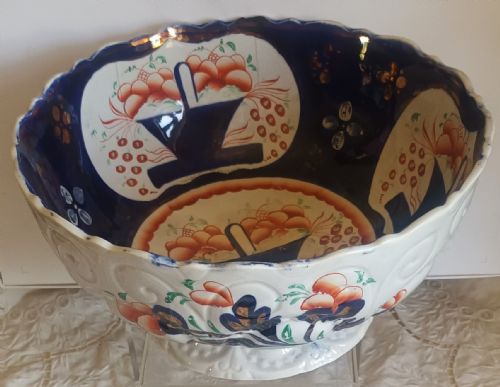
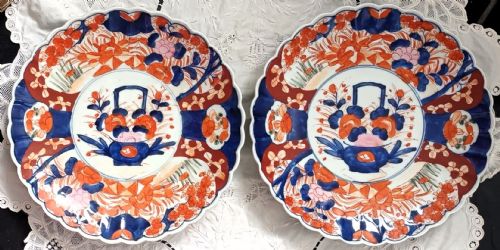


Antique Hand Painted Basket
An antique hand painted basket brings delicate botanical scenes and intricate ceramic craftsmanship directly into a room, offering a tangible link to past decorative traditions.
Antique Hand Painted Basket
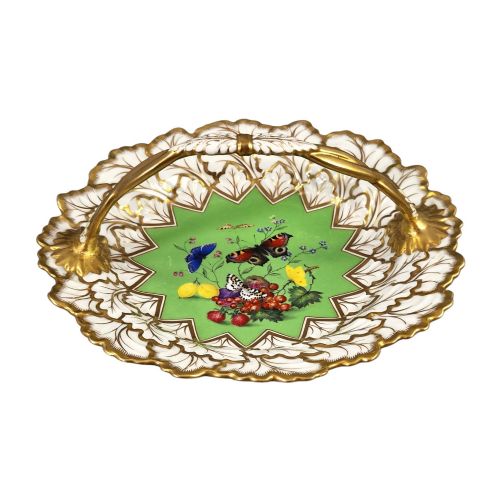
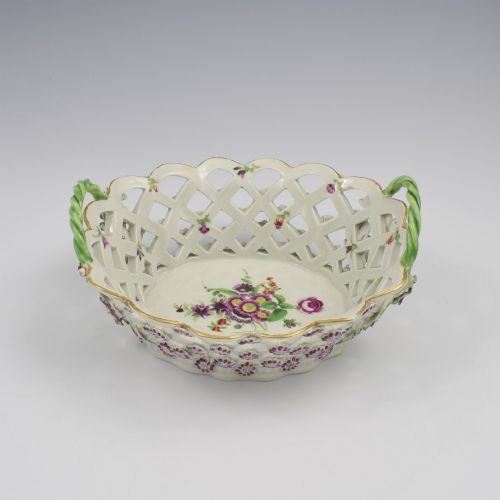
When you search for an antique hand painted basket, you encounter a diverse array of ceramic, porcelain, and carved vessels originating from eighteenth-century English factories down to twentieth-century workshops. The most common examples on this page are porcelain dessert and chestnut baskets from English makers like Worcester, often decorated with botanical scenes or applied flowers.
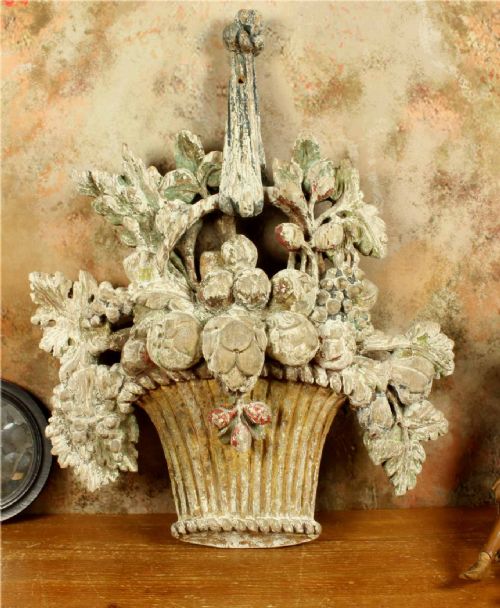
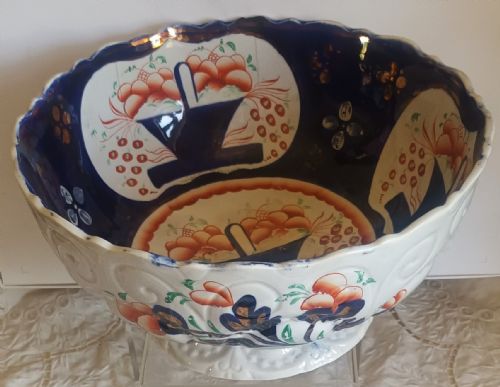
Beyond English porcelain, the selection includes Japanese Imari plates and dishes, German porcelain centerpieces, and carved wood wall reliefs. These objects served various decorative and functional purposes in period homes, functioning as centrepieces, dessert service vessels, or ornamental wall pieces.
The materials and forms reflect the distinct aesthetic movements of their respective eras, ranging from Regency porcelain to Victorian pottery. Buyers select these items for their historical charm and the meticulous artistry evident in every brushstroke.
Craftsmanship and Materials
Makers utilised fine porcelain, earthenware, and ironstone as the primary bases for these decorative pieces, shaping them into openwork lattices or moulded forms. Skilled artisans applied polychrome enamel pigments and gold leaf by hand, firing the pieces multiple times to set the vibrant colours and rich gilding.
Certain English and European pieces feature applied or encrusted porcelain flowers that required individual modelling before attachment to the main basket body. Other items combine ceramic bowls with wicker cases or incorporate delicate wood carving and papier-mâché techniques to achieve their finished appearance.
Works attributed to English factories like Worcester and Rockingham appear frequently among the decorative baskets.
Distinctions in Quality
The refinement of the hand painting largely dictates the calibre of the piece, with crisp, detailed landscape views or floral studies separating superior items from simpler productions. Precision in the moulding of openwork basket weave and the delicacy of applied floral encrustations also indicate the skill of the original factory.
Well-preserved gilding and minimal wear to the enamel surfaces distinguish better-kept examples. The reputation of specific period factories, such as Worcester or Meissen, naturally elevates the standing of an item within the broader range.
Flight Barr and Barr·Chamberlain Worcester·Rockingham Porcelain·Meissen Porcelain·Samson of Paris
The Antique Hand Painted Basket Glossary
- Chestnut basket
- A specialised ceramic vessel used in eighteenth and nineteenth-century dining for serving chestnuts or fruit. These pieces frequently feature pierced sides for ventilation.
- Polychrome
- Decoration employing multiple distinct colours applied by hand. This technique allows for complex pictorial scenes and vibrant floral motifs.
- Gilding
- The application of gold leaf or gold paint to ceramic or wooden surfaces. It highlights moulded details and adds a reflective finish.
- Creamware
- A refined earthenware developed in England during the eighteenth century, known for its warm cream-coloured glaze. It formed the body for numerous utilitarian and decorative tablewares.
- Imari
- A style of Japanese export porcelain characterised by a palette of underglaze blue, iron red, and gilt. It heavily influenced European ceramic design during the period.
Antique Hand Painted Basket: Frequently Asked Questions
How were antique baskets used?
Many of these porcelain and ceramic baskets served practical dining functions, holding fruit, sweetmeats, or chestnuts during formal nineteenth-century dessert courses.
Others were strictly ornamental, designed as centrepieces for tables or as decorative wall reliefs to enhance the interior aesthetics of period homes.
How do I identify porcelain periods?
Identifying the period involves examining the paste, glaze characteristics, and any factory marks stamped or painted on the base. Stylistic clues such as Regency shapes or Victorian floral patterns also help narrow down the date.
Comparing the hand-painted palette to known historical examples provides further confirmation of whether a piece belongs to the eighteenth or nineteenth century.
Can I use these baskets daily?
These delicate antique items are generally unsuited for modern daily use due to their age and fragile enamel or gilt decoration. Hand washing with mild care is essential if they are ever handled.
Most owners choose to display them safely on tables, in cabinets, or mounted on walls to preserve their historic surfaces.