



Victorian Cachepot Planter
A victorian cachepot planter is an ornamental vessel designed to hold potted plants, bringing tactile warmth and period character to an interior.
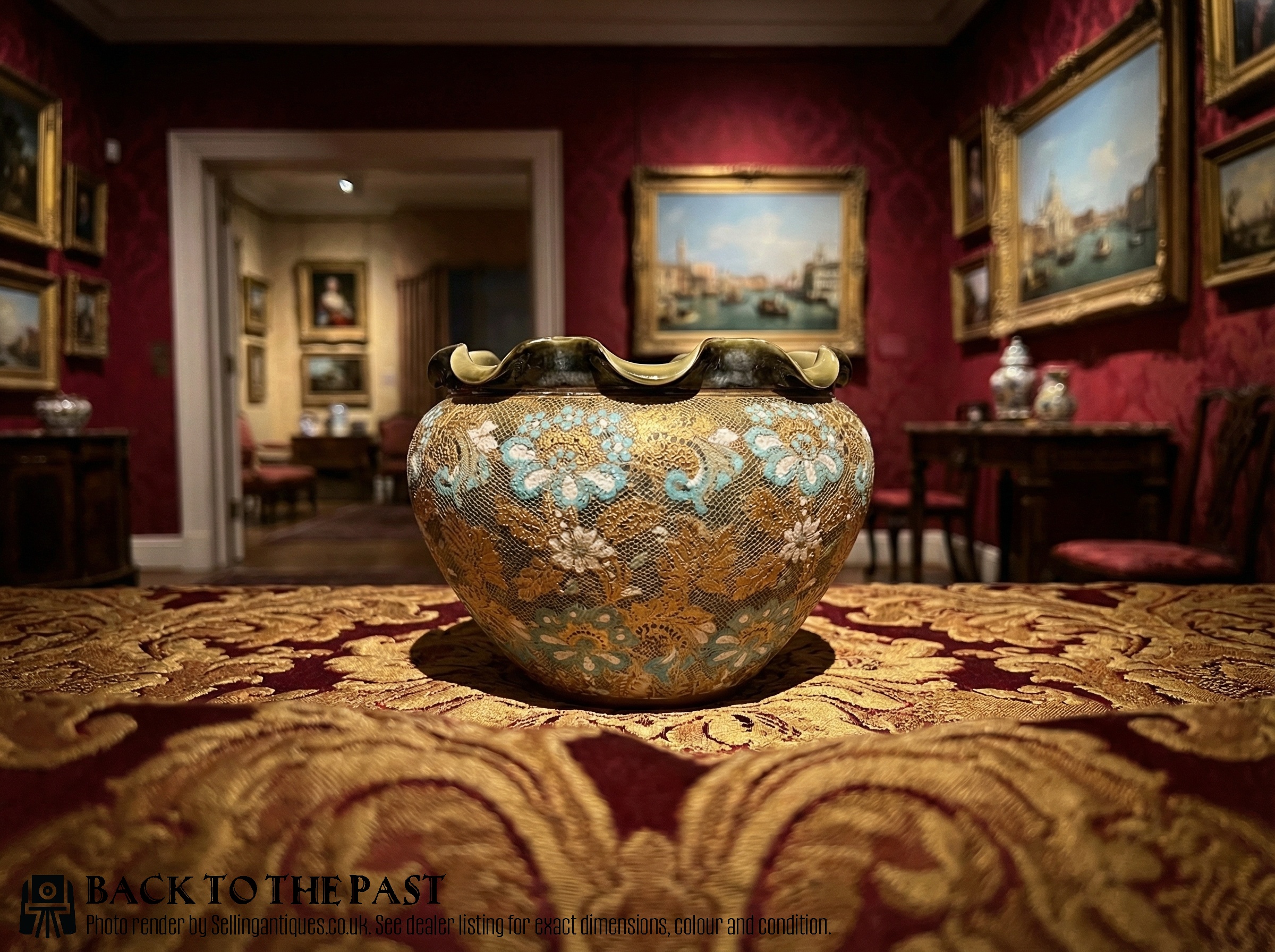
Victorian Cachepot Planter
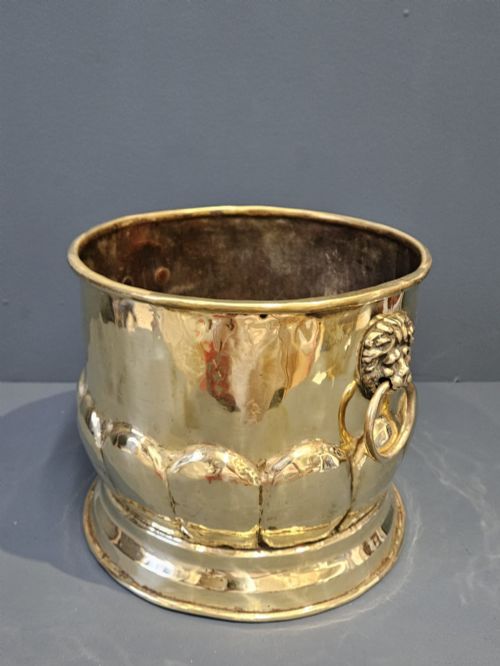
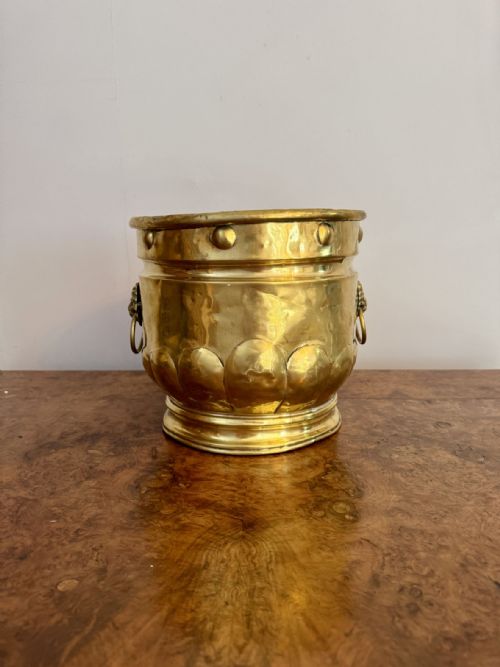
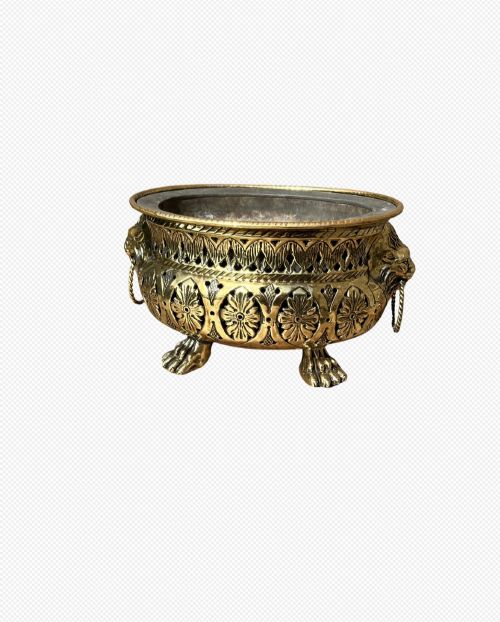
A victorian cachepot planter encompasses a variety of vessel forms, most commonly appearing on this page as brass and copper jardinières alongside ceramic and earthenware pots. These pieces originate from the nineteenth century, spanning periods from the eighteen-fifties through to nineteen hundred, and frequently take the shape of cylindrical planters, footed bowls, and plant holders. Buyers exploring this category encounter utilitarian metal containers alongside highly decorative pottery designed to conceal utilitarian flowerpots.
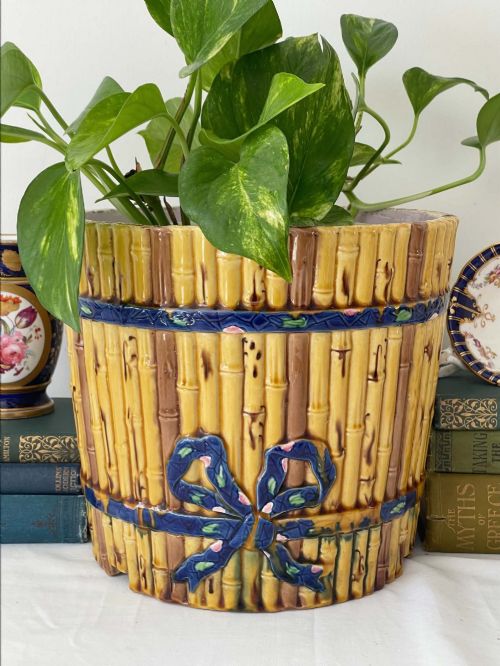
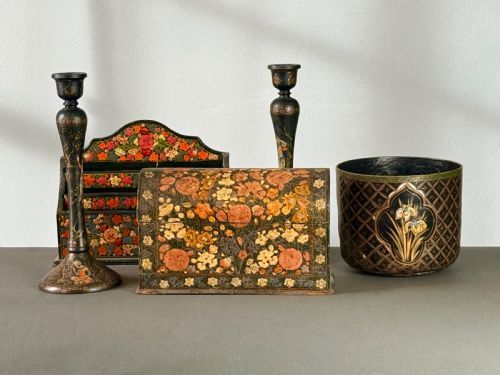
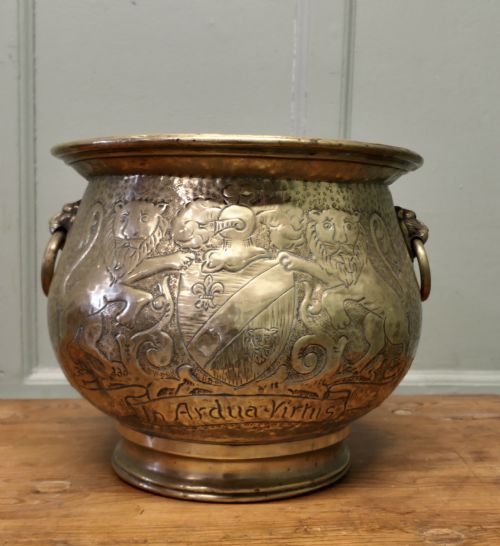
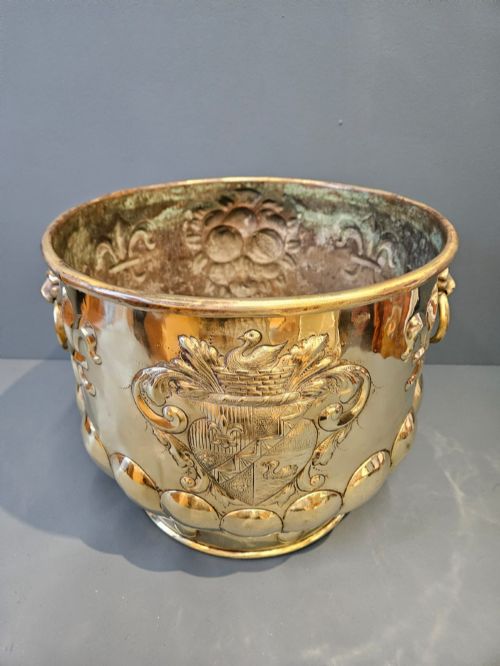
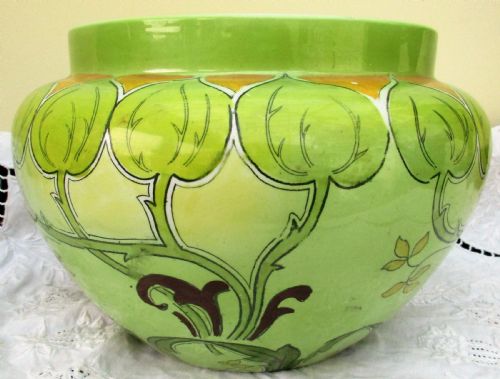
The aesthetic diversity reflects the range of nineteenth-century design movements, incorporating styles such as Gothic Revival, Art Nouveau, Arts and Crafts, and Chinoiserie. Metal examples often display pierced work, crests, shields, or lion mask handles, while ceramic variations present majolica, transferware, or hand-painted details. Certain pieces bridge the gap between practical horticulture and formal interior decoration, functioning equally well as desk accessories or coal buckets.
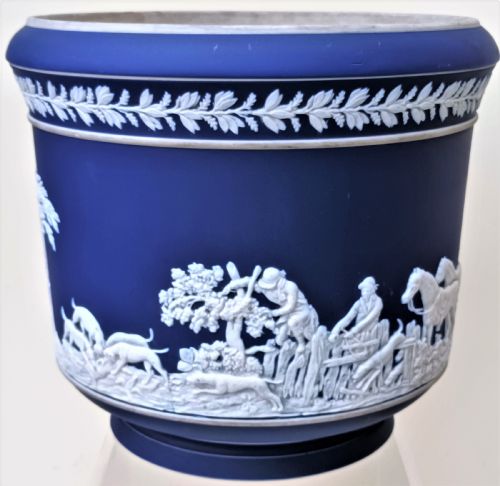
Ceramic forms dominate the earthenware and porcelain selections, with notable output from potteries specialising in glazed finishes, stoneware, and Jasperware. Metal versions lean heavily on sheet brass and solid copper, sometimes paired with wrought iron or finished with gold leaf. This combination of robust metals and decorative ceramics ensures that the pieces found here suit both traditional and eclectic modern rooms.

How they were made
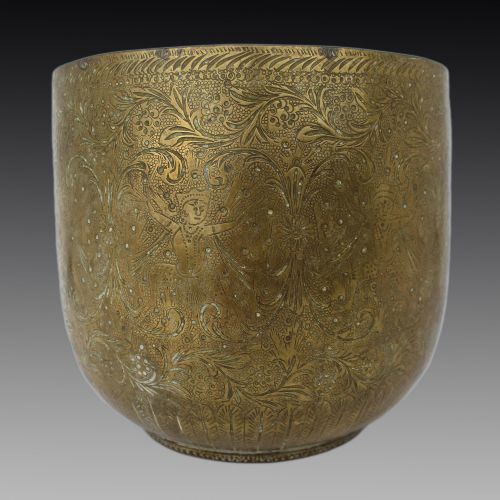
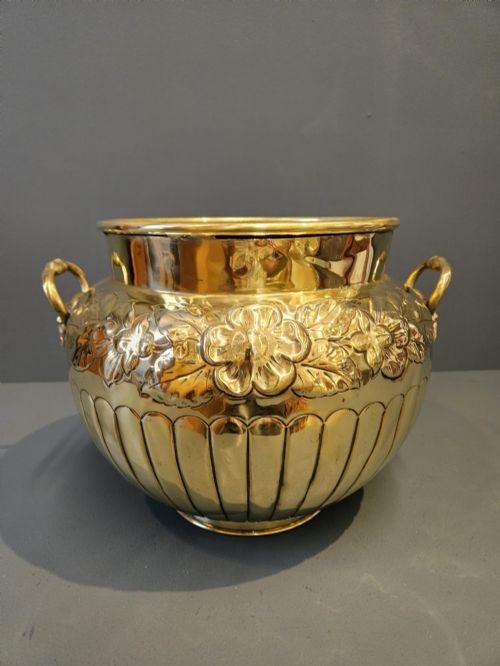
Metal vessels in this category rely upon sheet brass and solid copper, often shaped by hand-engraving, piercing, or panel construction. Artisans applied mechanical punching and repoussé techniques to create surface patterns, shields, and crests before attaching handles made of brass or wrought iron. The resulting metalwork displays a direct relationship between structural utility and ornamental detail.
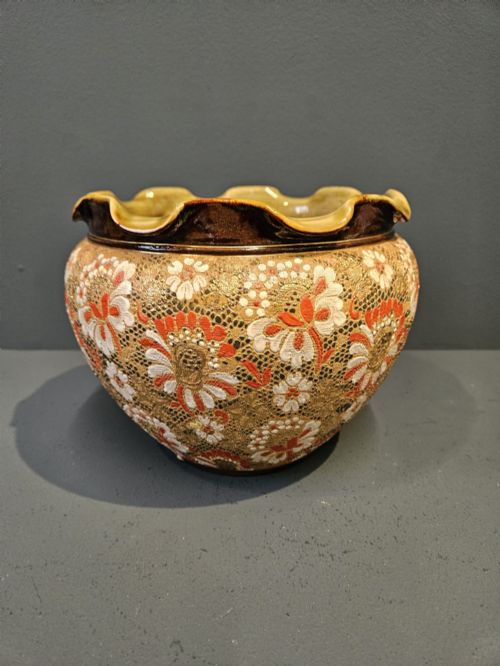
Ceramic and pottery examples utilise earthenware, stoneware, and porcelain bodies finished with specialised glazes, including salt glaze, majolica, and blush ivory. Potters shaped these materials on wheels or within moulds, subsequently applying botanical, foliate, or figural decoration before kiln firing. Workshops also employed specialist techniques such as Slaterware to create textured, tactile surfaces on the clay body.
Listings feature nineteenth-century materials including solid copper, brass, stoneware, earthenware, porcelain, and gold leaf across multiple decorative forms.
What varies in quality
Quality in metalwork is dictated by the thickness of the brass or copper gauge and the crispness of the hand-engraving or piercing. Superior examples demonstrate substantial weight, secure handle attachments, and well-defined motifs rather than superficial stamping. The integrity of the construction determines how well the metal ages and holds its form over time.
In ceramic pieces, distinction lies in the depth of the glaze, the precision of the hand-painted or moulded details, and the clarity of factory marks or artist signatures. Pieces that retain their original colour saturation and structural soundness without heavy restoration represent the upper tier of the range. The integration of design elements, such as bamboo motifs or figural supports, further separates standard production from exceptional studio output.
Minton·Doulton Lambeth·William Adams and Sons·WA Adderley·Doulton Burslem·Royal Doulton·Royal Worcester·James Hadley·Kister·Scheibe-Alsbach
The Victorian Cachepot Planter Glossary
- Cachepot
- A decorative container designed to hold an ordinary flowerpot and catch drainage water. The French term translates literally as hide-pot.
- Jardiniere
- A large ornamental pot or stand for plants or flowers, usually manufactured from ceramic or metal. These vessels often form the central decorative focus of a room.
- Majolica
- A type of earthenware coated with an opaque tin-lead glaze and painted with brightly coloured metal oxides. Victorian examples frequently feature naturalistic plant and animal forms.
- Slaterware
- A ceramic technique developed by Doulton where clay surfaces are textured to resemble lace or basketry, often highlighted with metallic gilding. This creates a tactile, rough finish distinct from smooth glazes.
Victorian Cachepot Planter: Frequently Asked Questions
What is a cachepot planter?
A cachepot planter is an indoor decorative vessel intended to hold a potted plant and conceal standard nursery pots. They prevent water from damaging interior surfaces while adding ornamental value to a room.
These pieces were produced in a wide array of materials during the nineteenth century, ranging from heavy beaten brass to glazed earthenware and porcelain. Their primary function remains decorative housing for greenery.
How were these planters used?
Historically, these vessels stood on tables, pedestals, or hearths to bring outdoor plants into the domestic interior. They accommodated ferns, palms, and flowering plants in period drawing rooms and parlours.
Beyond horticulture, larger metal versions occasionally served alternative domestic purposes such as coal buckets or wine coolers. Their robust construction allowed them to handle damp soil or heavy fuel logs without failing.
How do I care for antique brass?
Antique brass requires gentle dusting and minimal intervention to preserve its historic surface and natural oxidation. Avoid abrasive chemical polishes that strip away the aged patina built up over decades.
If cleaning is necessary, use a soft cloth and mild soapy water, ensuring the metal is dried thoroughly afterwards. Protecting the interior with a removable plastic liner prevents moisture damage to older metal seams.
How do I identify a Victorian ceramic piece?
Victorian ceramics often bear impressed factory marks, registration numbers, or artist initials on the unglazed base. These stamps help pinpoint the manufacturing pottery and occasionally the exact year of production.
Stylistic cues such as Aesthetic movement patterns, majolica glazes, or specific floral motifs also point towards the nineteenth-century origin of the ceramic body. Examining the weight, glaze consistency, and base wear confirms the age.