


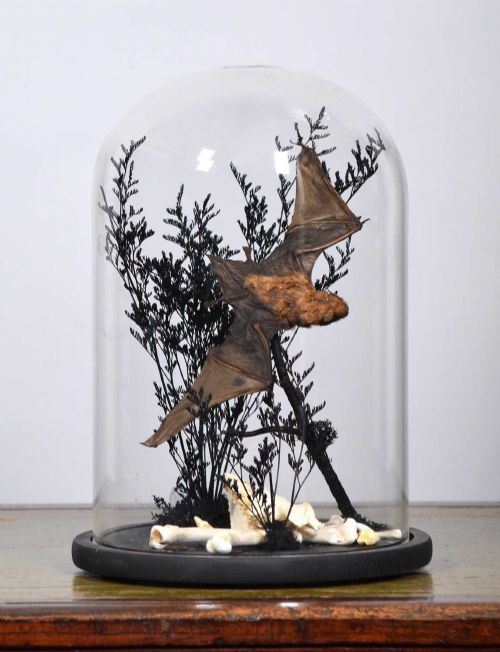


Victorian Cabinet of Curiosities
A victorian cabinet of curiosities holds the natural and man-made wonders of the world, offering a tangible link to an age of scientific exploration.
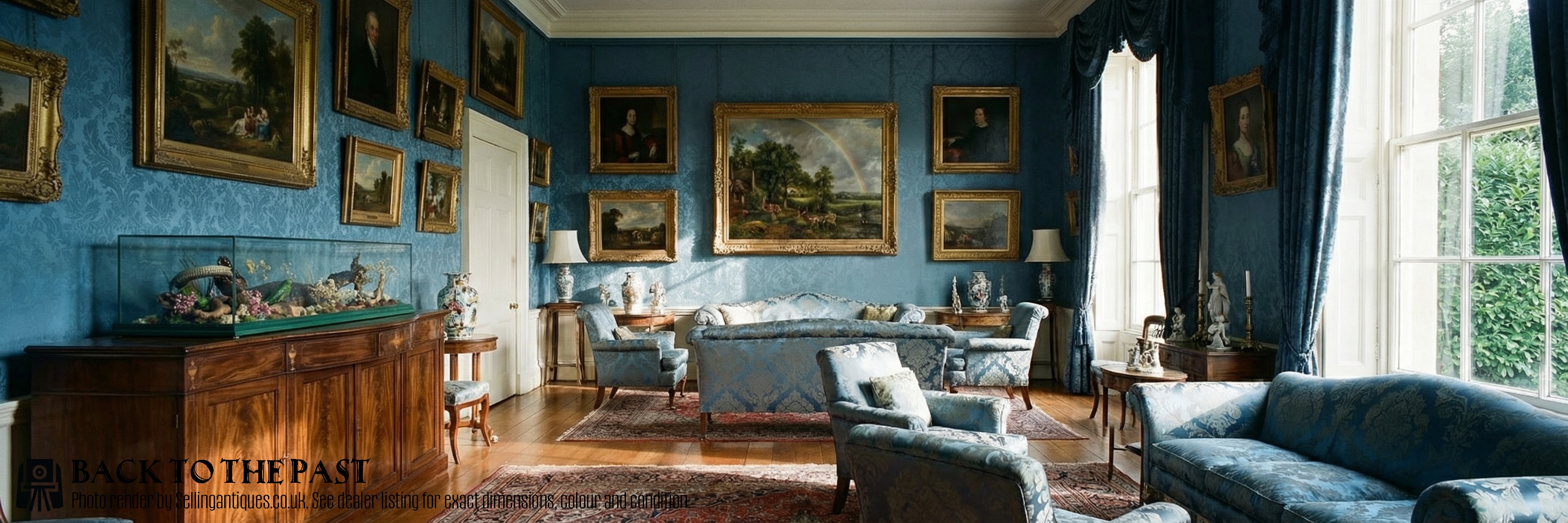
Victorian Cabinet of Curiosities
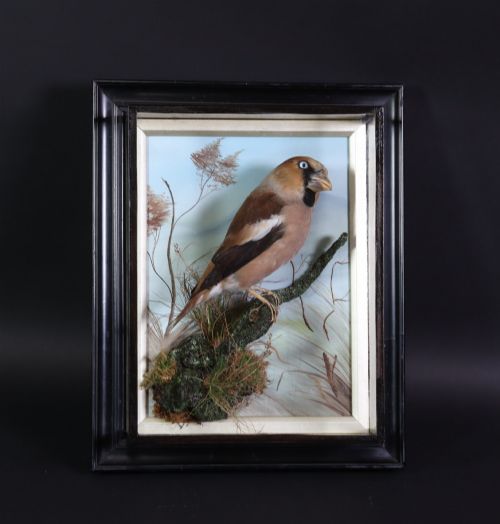
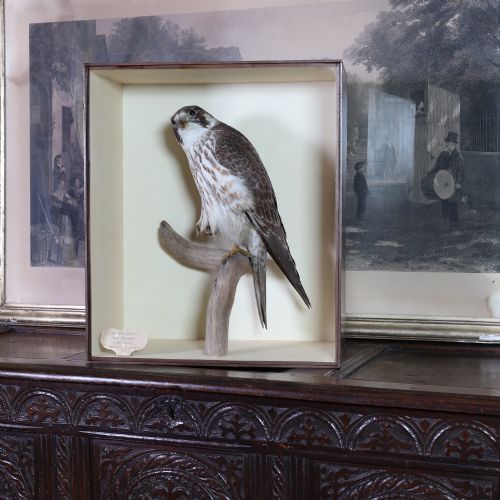
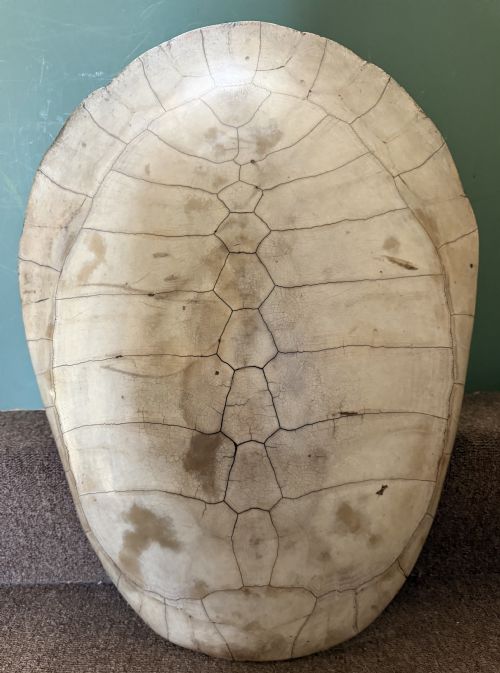
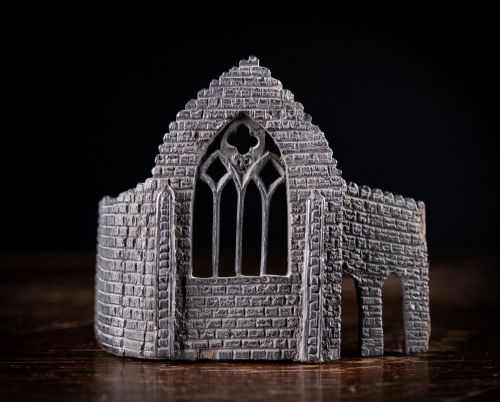
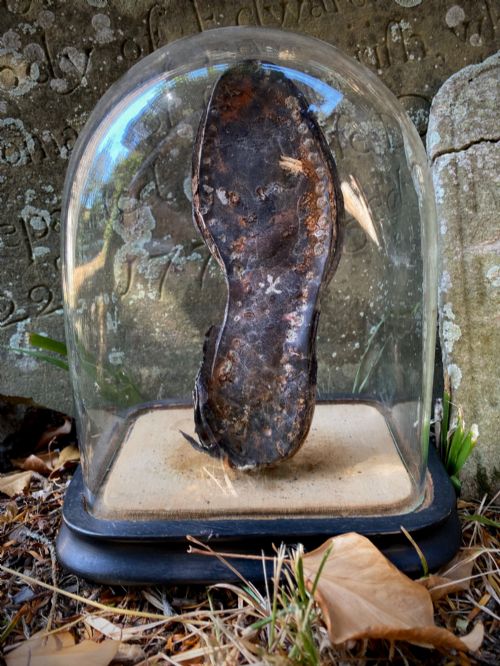
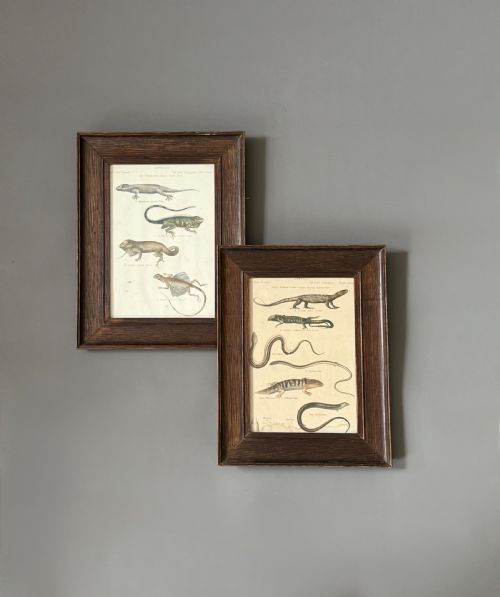
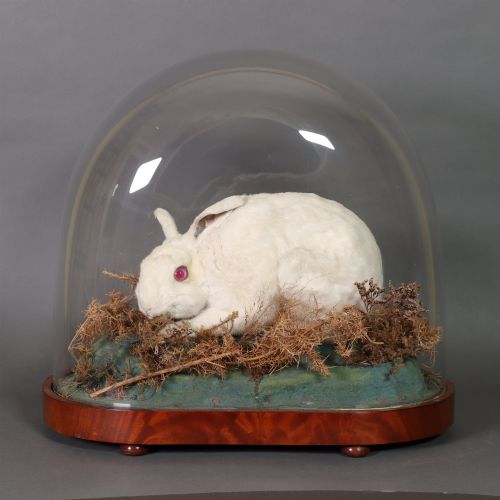
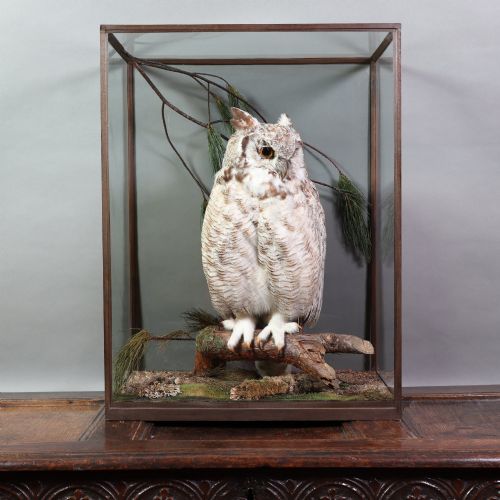
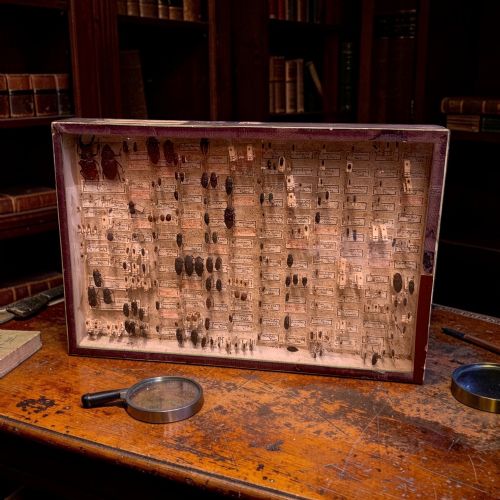
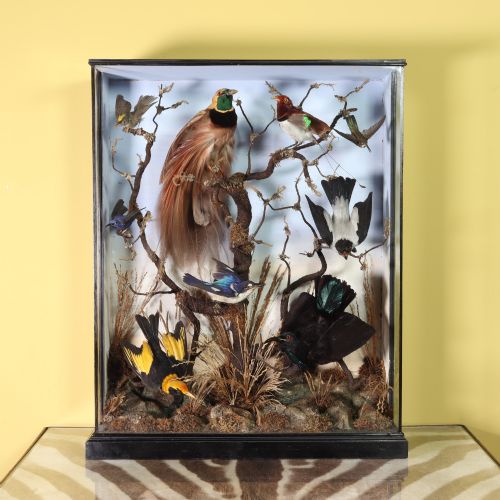
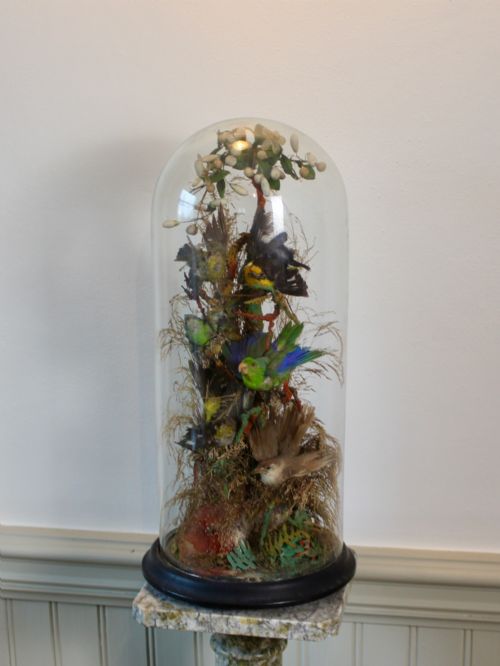
The objects take many forms, including glazed display domes, multi-drawer wooden collector chests, and specialised wall cases. On this page, buyers frequently encounter taxidermy birds under glass, framed entomology collections, and skeletal or anatomical models.
Originating in the Victorian and Edwardian eras, these pieces served as focal points in private studies and drawing rooms. They bridge the gap between scientific study and decorative display, designed to provoke curiosity and wonder.
Materials and Construction
Natural materials dominate the contents, incorporating feathers, bone, shell, coral, and preserved animal specimens. Brass hardware, paper labels, and fabric linings frequently complete the interior fittings of scientific and natural history cases.
Victorian Cabinet of Curiosities Retail Price Guide 2026
Typical asking prices for victorian cabinet of curiosities among the pieces listed under this phrase on Sellingantiques today, from the lower quarter to the upper quarter. They describe what is for sale here now, not the wider market.
The inventory spans the nineteenth and early twentieth centuries, featuring glass, wood, bone, feathers, and brass across various display forms.
Assessing Craftsmanship and Condition
The standard of taxidermy taxidermy preservation and the artistry of the interior setting largely determine the merit of a natural history piece. Master practitioners arranged specimens in naturalistic poses surrounded by painted or dried foliage that mimics their native habitats.
Cabinetwork varies from simple utilitarian boxes to finely inlaid satinwood and marquetry cases with numerous close-fitting drawers. The clarity of old blown glass domes and the structural integrity of original wooden frames further distinguish finer examples.
James Gardner of London·Rowland Ward Ltd·Henry Ward London·A Pollard·Hutchings of Aberystwyth
The Victorian Cabinet of Curiosities Glossary
- Taxidermy
- The art of preparing, stuffing, and mounting the skins of animals for display. In these pieces, birds and mammals appear in glass cases or under domes.
- Bijouterie
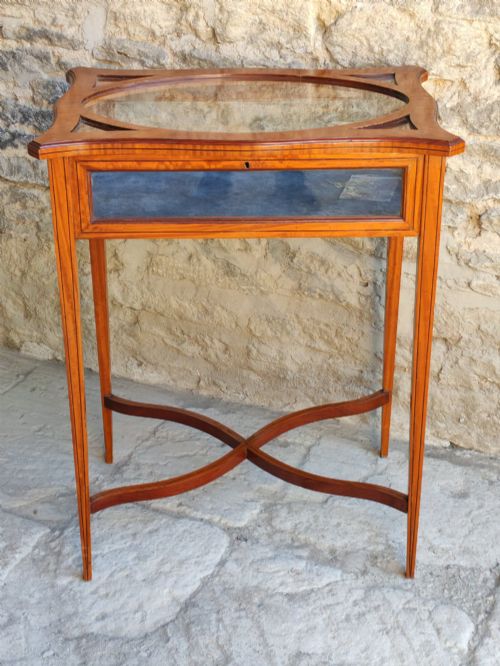
- A small cabinet or table with glass panels designed for displaying trinkets and small curiosities. These items often feature satinwood frames.
- Cloche
- A bell-shaped glass cover used to protect delicate specimens and ornaments. They sit upon wooden or ebonised bases.
- Marquetry
- The art of applying pieces of veneer to a structure to form decorative patterns. Craftsmen utilised this technique on collector cabinets.
- Memento mori
- An artistic or symbolic reminder of the inevitability of death. These objects often include anatomical models or skeletal items.
Victorian Cabinet of Curiosities: Frequently Asked Questions
What is a Victorian cabinet of curiosities?
It is a collection or housing of unusual natural history specimens, scientific instruments, and artefacts assembled during the nineteenth century. These objects reflect an era of intense global exploration and scientific discovery.
Today, the term applies both to the fitted wooden furniture built to hold such items and to the assembled collections of taxidermy, shells, and fossils displayed within glass domes or wall cases.
How were taxidermy birds displayed?
Victorian taxidermists mounted birds inside glazed wooden display cases or under blown glass domes to protect the delicate feathers from dust and damage. These mountings often included painted backgrounds and natural foliage to recreate outdoor habitats.
Pairs or groups of colourful species, such as birds of paradise or owls, were arranged in complex compositions designed to look lifelike and dynamic.
What materials are typical in these cabinets?
Cabinet frames and drawers commonly employ woods like satinwood, satin walnut, and ebonised timber. Interior fittings frequently incorporate brass hinges, paper labels, and fabric backings.
The contents themselves consist of organic and geological materials, including bone, feathers, coral, shells, wax, and glass.
How do I date a piece correctly?
Dating relies on examining the construction methods of the wooden housing, the style of the glass, and any maker labels affixed to the back or interior. The materials used, such as specific types of hardware or paper, also provide clues to the period.
Pieces originating in the nineteenth or early twentieth century often bear the distinctive stamp or signature of known taxidermy firms and cabinet makers on the base or backing paper.