



Natural History Wall Mount
Natural history wall mount pieces bring the outdoors inside, offering preserved specimens and framed artwork that anchor a room with striking organic form.
Natural History Wall Mount
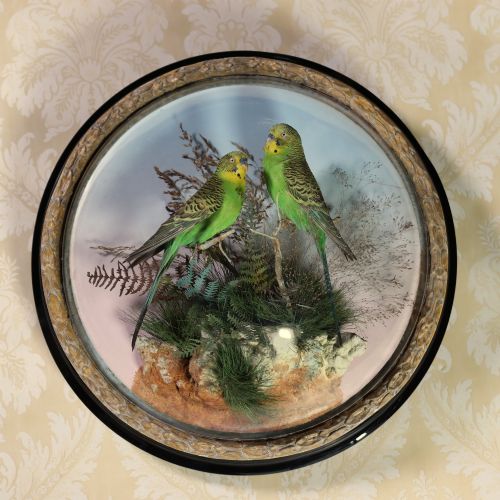
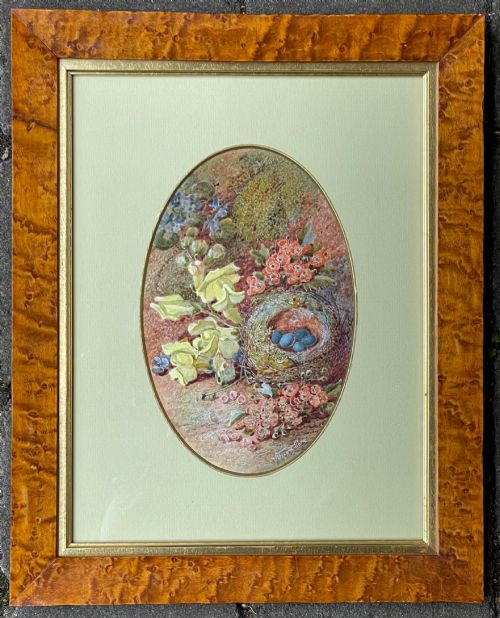
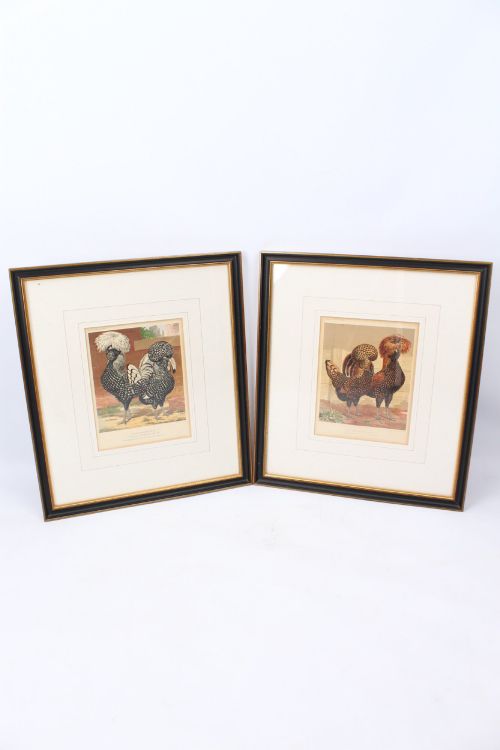
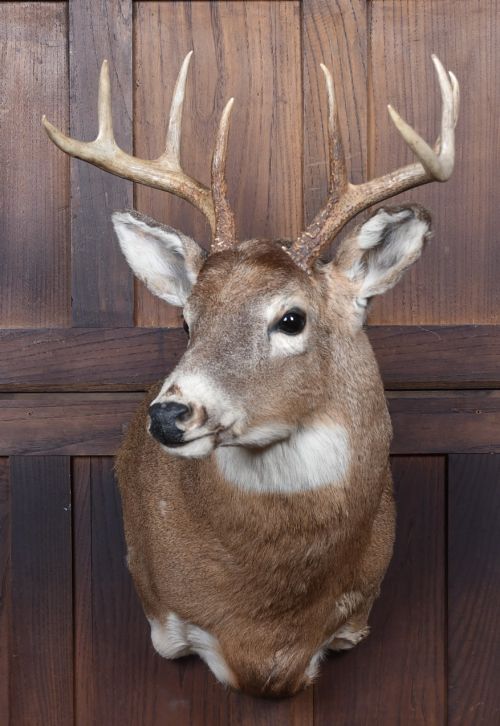
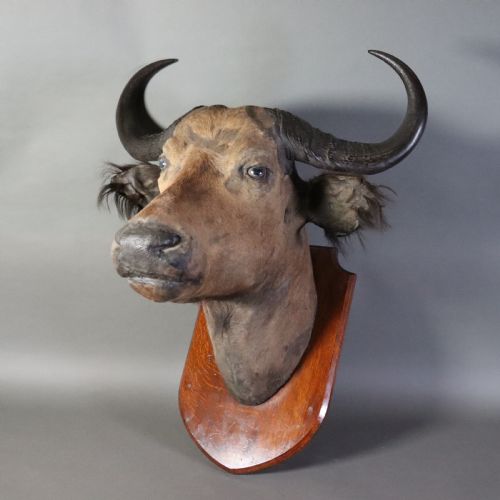
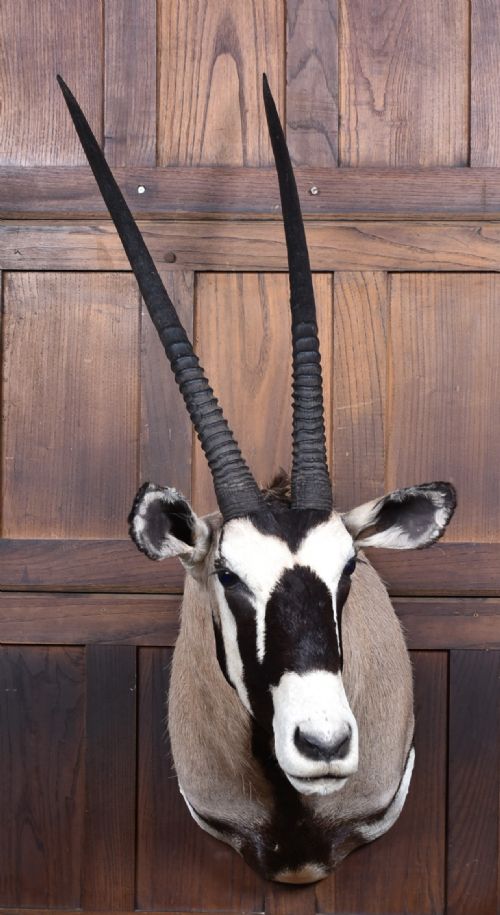
A natural history wall mount encompasses taxidermy trophies, framed bird prints, and detailed watercolours from the nineteenth and early twentieth centuries. These objects range from imposing antelope horn mounts on carved oak shields to delicate hand-coloured engravings of waterfowl and songbirds.
The version most commonly encountered on this page is the Victorian or Edwardian taxidermy head, alongside framed natural history artwork. Makers such as Gerrard and Sons London or J. Cooper and Sons produced enduring pieces that reflect period scientific curiosity and domestic display.
Buyers select these items to create focal points in studies, hallways, or living spaces, drawing on aesthetics from Highland hunting lodges to mid-century British naturalism. Each piece bridges decorative art and natural science.
Materials and construction
Taxidermy mounts utilise preserved hides, horns, and taxidermy hide fitted over structural forms, frequently mounted on carved wooden shields or ebonised frames. Wood and glass protect fragile paper watercolours, lithographs, and engravings adorned with gold leaf mounts.
Artworks employ watercolour, ink, and lithography on paper, often housed behind glass within deep giltwood or ebonised timber frames. Master taxidermists and illustrators relied on meticulous preservation and hand-colouring techniques to ensure lasting detail.
Natural History Wall Mount Retail Price Guide 2026
Typical asking prices for natural history wall mount among the pieces listed under this phrase on Sellingantiques today, from the lower quarter to the upper quarter. They describe what is for sale here now, not the wider market.
Current listings feature Victorian and Edwardian taxidermy trophies, mid-century bird paintings, and nineteenth-century bird engravings by notable illustrators.
Quality and execution
Quality rests upon the anatomical accuracy and expression achieved by the taxidermist, distinguishing master workshops like Gerrard and Sons from lesser practitioners. Superior taxidermy maintains lifelike posture, clean hide condition, and secure attachment to the shield.
In framed works, the vibrancy of hand-colouring on watercolours and engravings, alongside the originality of the framing materials, dictates excellence. Pieces retaining their period mounts and untouched paper surfaces command greater admiration.
Edward Gerrard & Sons·J. Cooper & Sons·W.F. Homer London·Vincent Clare·Charles F. Tunnicliffe·William Swainson·Edward Lear
The Natural History Wall Mount Glossary
- Taxidermy mount
- The art of preserving and displaying an animal's hide or entire body for exhibition. These pieces often take the form of wall-hanging trophies or shoulder mounts.
- Ebonised frame
- Wood treated with a finish to imitate expensive ebony wood. This dark border creates a sharp contrast that highlights the colours of enclosed prints or watercolours.
- Lithograph
- A print produced from a flat stone or metal plate prepared to accept ink. This technique allowed accurate mass reproduction of natural history illustrations during the nineteenth century.
- Carved oak shield
- A wooden backing board shaped like a heraldic shield, typically utilised for mounting large taxidermy trophies. The carved detail frames the specimen for wall display.
Natural History Wall Mount: Frequently Asked Questions
Where should I place natural history artwork?
Watercolours, lithographs, and framed prints benefit from placement away from direct sunlight to prevent fading of the delicate pigments and paper. Rooms with stable humidity help preserve both the paper documents and the taxidermy hides.
Consider hanging them in studies, libraries, or hallways where traditional aesthetic themes complement the subject matter.
How do I care for historic taxidermy?
Maintenance involves gentle dusting with a soft, dry brush to remove particulate matter without disturbing the hair or feathers. Avoid using water or chemical cleaners on taxidermy hides or mounts.
Keep specimens away from heat sources and damp environments to protect the natural materials from deterioration.
How can I identify Victorian pieces?
Victorian natural history items often display period framing techniques, such as deep giltwood mounts and ebonised timber. Taxidermy from this era frequently includes written provenance or maker stamps from prominent London establishments.
Stylistic cues, including the use of carved oak shields and traditional taxidermy postures, also point to nineteenth-century origins.