


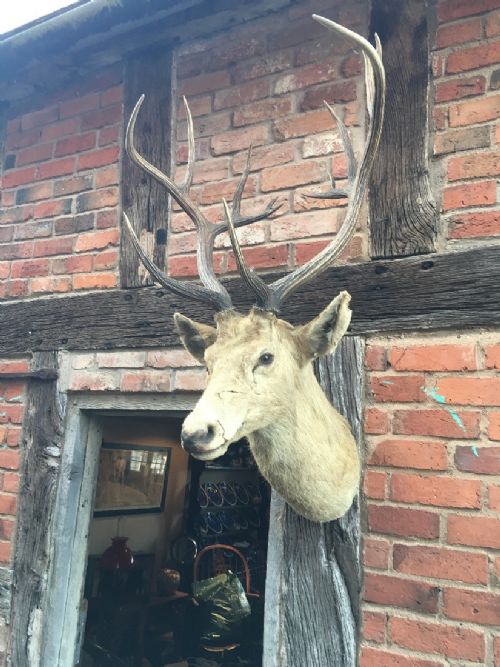
Edwardian Taxidermy Head
Edwardian taxidermy head pieces bring historic sporting wildlife and domestic hunting history directly onto the wall with preserved hide, antlers, and glass eyes.
Edwardian Taxidermy Head
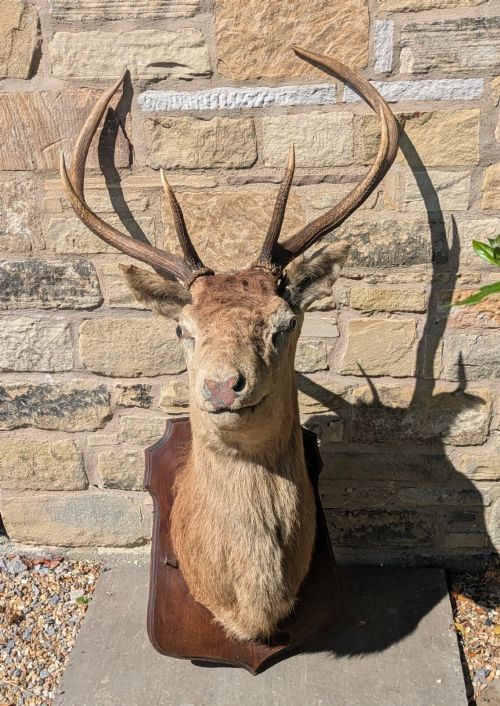
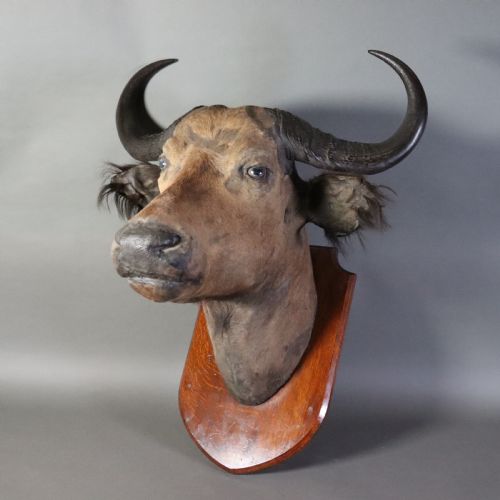
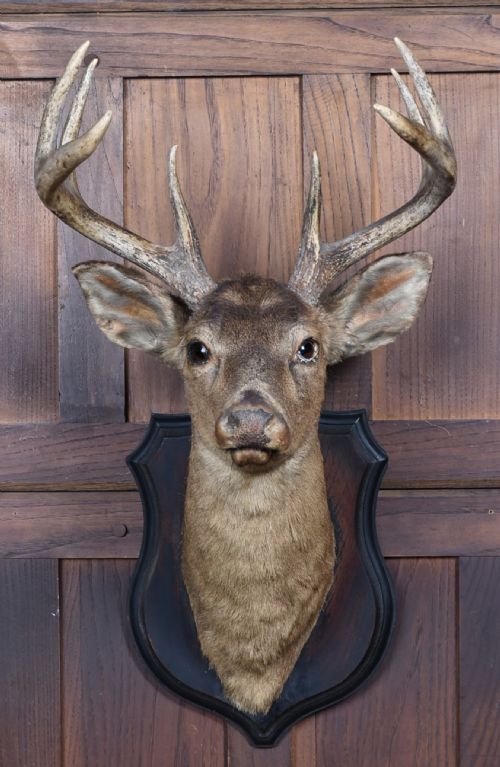
An edwardian taxidermy head represents preserved animal specimens mounted as wall trophies or masks, capturing British sporting culture and natural history from past centuries. These pieces typically take the form of stags, foxes, deer, and exotic game species displayed on wooden backing shields.
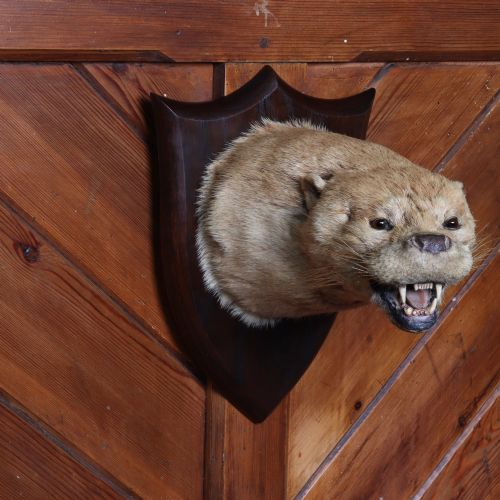
The selection on this page centres heavily on traditional British sporting mounts and highland subjects alongside regional variants from various decades. Buyers encounter everything from small fox masks to large stag heads featuring real antlers and taxidermy hide.
How they were made
Taxidermists constructed these mounts by stretching natural hide and taxidermy hide over shaped forms supported by internal armatures. Glass eyes were inserted to restore a lifelike gaze to the preserved animal heads.
The completed specimens were mounted securely onto wooden shields, oak plaques, or timber backing boards using metal brackets and screws. Antlers and horns were attached firmly to the skull bones or reinforced head blocks.
What varies in quality
The condition of the taxidermy hide and the stability of the timber mount influence the overall preservation of the piece. Superior examples retain their original glass eyes, intact fur, and securely mounted antlers without excessive drying or cracking.
Peter Spicer & Sons·Gerrard & Sons London·Edward Gerrard & Sons
The Edwardian Taxidermy Head Glossary
- Taxidermy mount
- The art of preserving and displaying an animal's skin with lifelike effect. These preparations often include artificial forms and glass eyes.
- Taxidermy mask
- A preserved head and neck portion of an animal, commonly utilised for smaller species such as foxes or otters. These are frequently mounted on wooden shields.
- Backing shield
- A shaped piece of timber, often oak, used to support and display a taxidermy head on a wall. It provides structural stability for the heavy antlers and head.
- Glass eyes
- Artificial eyes inserted into taxidermy specimens to replicate the appearance of a living animal. Their quality and realism vary across different periods and makers.
Edwardian Taxidermy Head: Frequently Asked Questions
How do I hang a heavy taxidermy head?
These mounts require robust fixings attached directly into wall studs or masonry using appropriate wall plugs and heavy screws. The weight of the timber backing board and antlers demands secure hardware.
Ensure the mounting bracket on the back of the wooden shield engages fully with the wall hook before releasing the weight of the piece.
How should I clean taxidermy fur?
Gentle dusting with a soft brush or a dry cloth helps maintain the fur without damaging the delicate skin beneath. Avoid using water or liquid cleaning products on the taxidermy hide.
Professional conservators should handle any deep cleaning or restoration required for older specimens.
Are these mounts from the Edwardian era?
The pieces span multiple periods including the Victorian era, the Edwardian period, and interwar decades. Makers continued traditional sporting taxidermy methods across all these years.
Check the listed dates and stylistic details to determine the specific period of manufacture for each individual mount.
How do I protect taxidermy from pests?
Keep mounted specimens away from direct sunlight, damp conditions, and extreme temperature fluctuations to prevent the hide from drying out. Regular inspection helps detect any pest activity early.
Displaying pieces in well-ventilated rooms reduces the risk of damage from moths and other insects.