
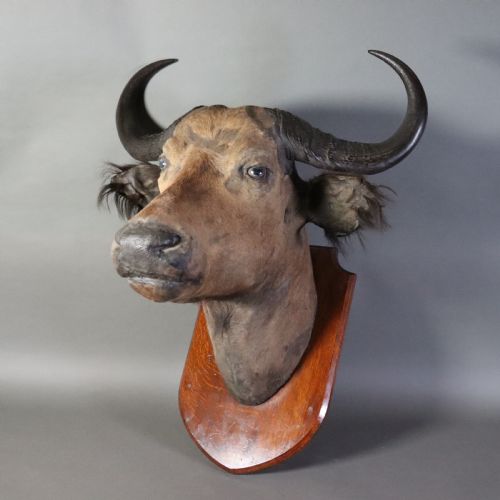


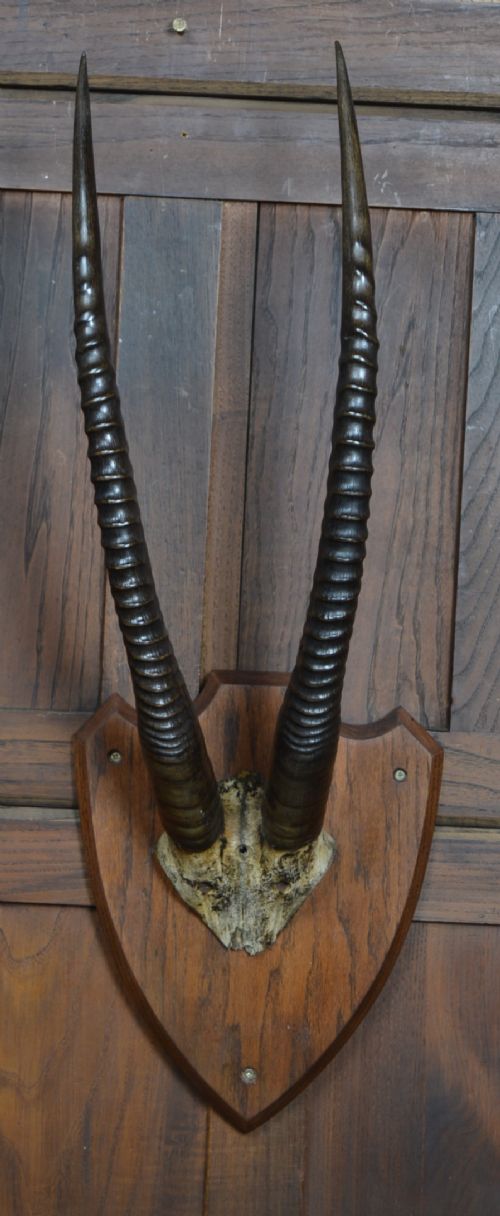

Oak Shield Trophy Mount
An oak shield trophy mount brings the robust tradition of British sporting taxidermy straight to the wall.
Oak Shield Trophy Mount
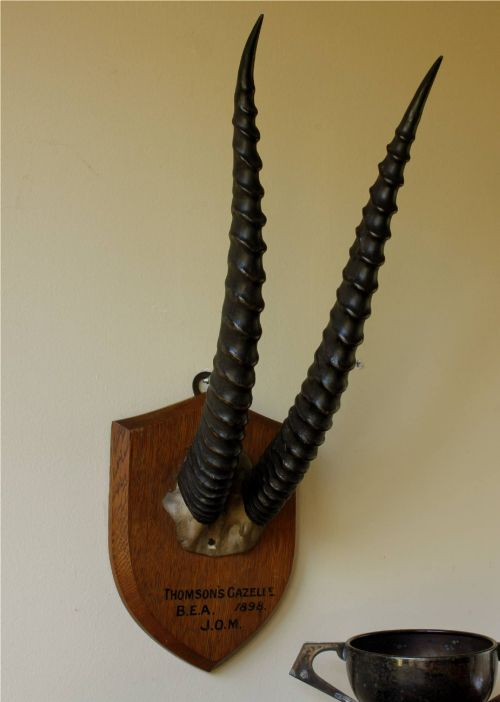
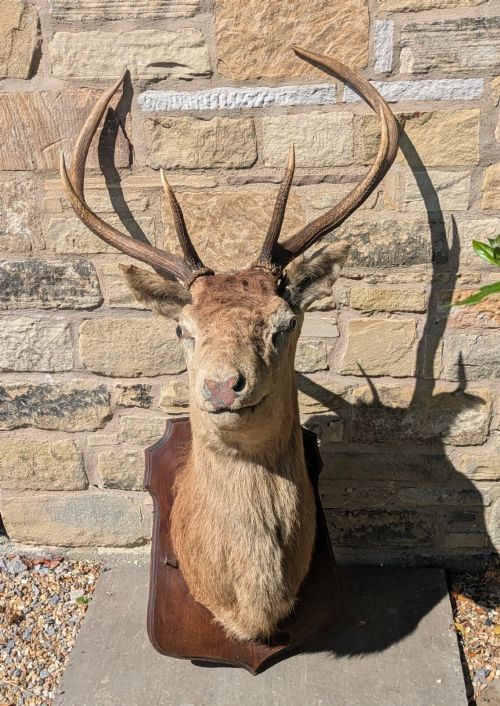
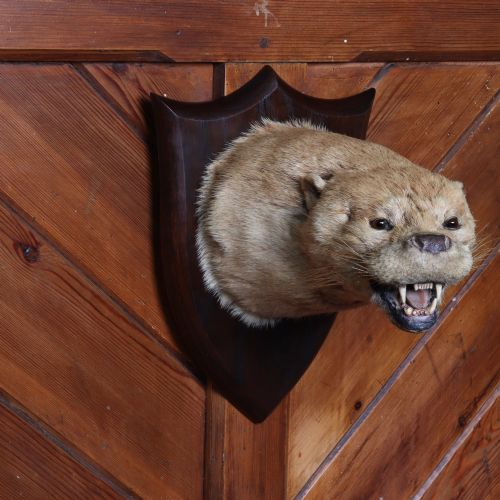
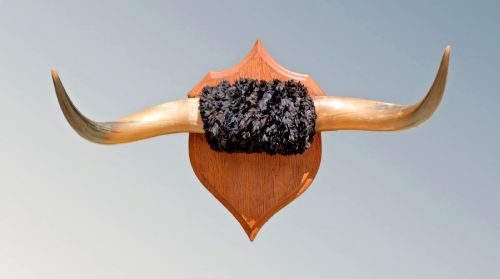
An oak shield trophy mount is a traditional taxidermy display piece featuring antlers, horns, masks, or full heads secured to a wooden backplate. These pieces emerge primarily from Victorian, Edwardian, and interwar sporting contexts, reflecting a distinct era of field sports.
The assortment on this page spans simple steers and roebucks to major African big game and specialised fox masks. Many examples date from the late nineteenth century through to the mid-twentieth century, capturing enduring craft traditions.
How they were made
Makers utilised seasoned oak for the structural shields, frequently carving the wood with bevelled edges or foliage motifs to complement the specimen. Taxidermists mounted animals such as deer, foxes, and antelopes utilising natural hide, fur, horn, bone, and glass eyes.
Specialist taxidermy firms constructed these wall mounts by securely fastening crania and horns to the timber backing with concealed iron brackets. The integration of wood and natural specimen required steady carpentry and precise taxidermy techniques to ensure stability.
The listings feature oak, glass, horn, bone, antler, natural fur, and natural hide across Victorian, Edwardian, and interwar sporting styles.
What varies in quality
Quality rests in the anatomical accuracy of the taxidermy and the depth of the oak carving on the shield. Work by renowned taxidermists displays superior modelling of expression, particularly in mammal masks, alongside dense, well-figured timber.
Condition of the natural fur, hide, and antlers distinguishes standard pieces from exceptional examples. Original mounts retain sound structural integrity in both the wooden backing and the taxidermy attachment.
Peter Spicer & Sons·Gerrard & Sons London
The Oak Shield Trophy Mount Glossary
- Taxidermy mount
- The art of preserving and displaying an animal's skin, horns, or head for exhibition. These pieces serve as traditional wall decor.
- Shield
- A wooden backplate, typically carved from oak, shaped to support and frame an animal trophy. It hangs directly on a wall.
- Antlers
- The deciduous bony appendages shed and regrown by cervids, mounted here on wooden shields. They represent standard sporting trophies of the Victorian and Edwardian periods.
Oak Shield Trophy Mount: Frequently Asked Questions
How do I hang a heavy trophy mount safely?
These mounts require sturdy wall fixings due to the weight of dense oak and preserved animal materials. Utilise heavy-duty picture hooks or direct screw fixings into wall studs.
Ensure the mounting bracket on the reverse of the oak shield is secure before hanging. Professional installation is advisable for larger stags heads and big game trophies.
What periods do these pieces come from?
The pieces span from the late nineteenth century through the Edwardian era and into the interwar period. Victorian and Edwardian examples represent the height of traditional British sporting taxidermy.
Later pieces extend into the mid-twentieth century while maintaining similar mounting styles on oak shields.
How should I clean taxidermy and wood?
Dust the oak shield gently with a dry, soft cloth to preserve the polished wood finish. Avoid liquid cleaners that might damage the timber or moisture-sensitive taxidermy materials.
For the fur and horns, use a very soft brush to remove dust carefully. Keep mounts away from direct sunlight and damp environments to protect the natural hide and hair.
What animals are commonly found on these shields?
Common specimens include British sporting animals such as roebucks, stags, foxes, and otters. These reflect traditional hunting and country pursuits of the nineteenth and twentieth centuries.
Exotic big game species such as antelopes, gazelles, and buffalo also appear among the mounted trophies from this era.