
Victorian Burr Walnut Shelving
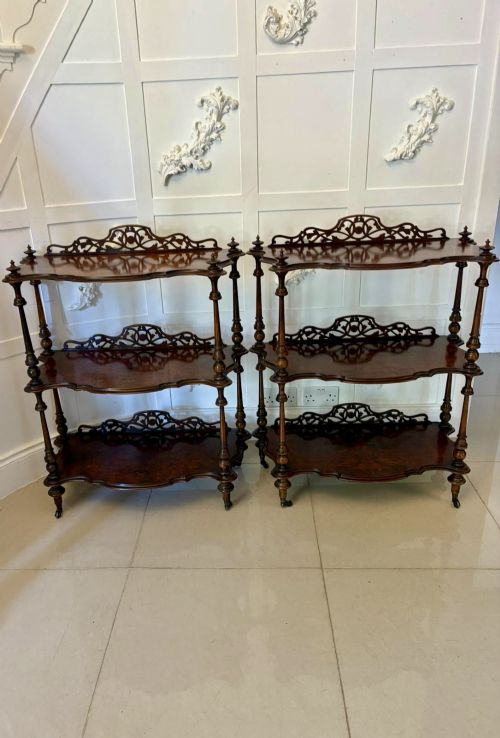
Victorian burr walnut shelving brings rich, swirling grain and functional display space into a room through open bookcases, whatnots and credenzas.
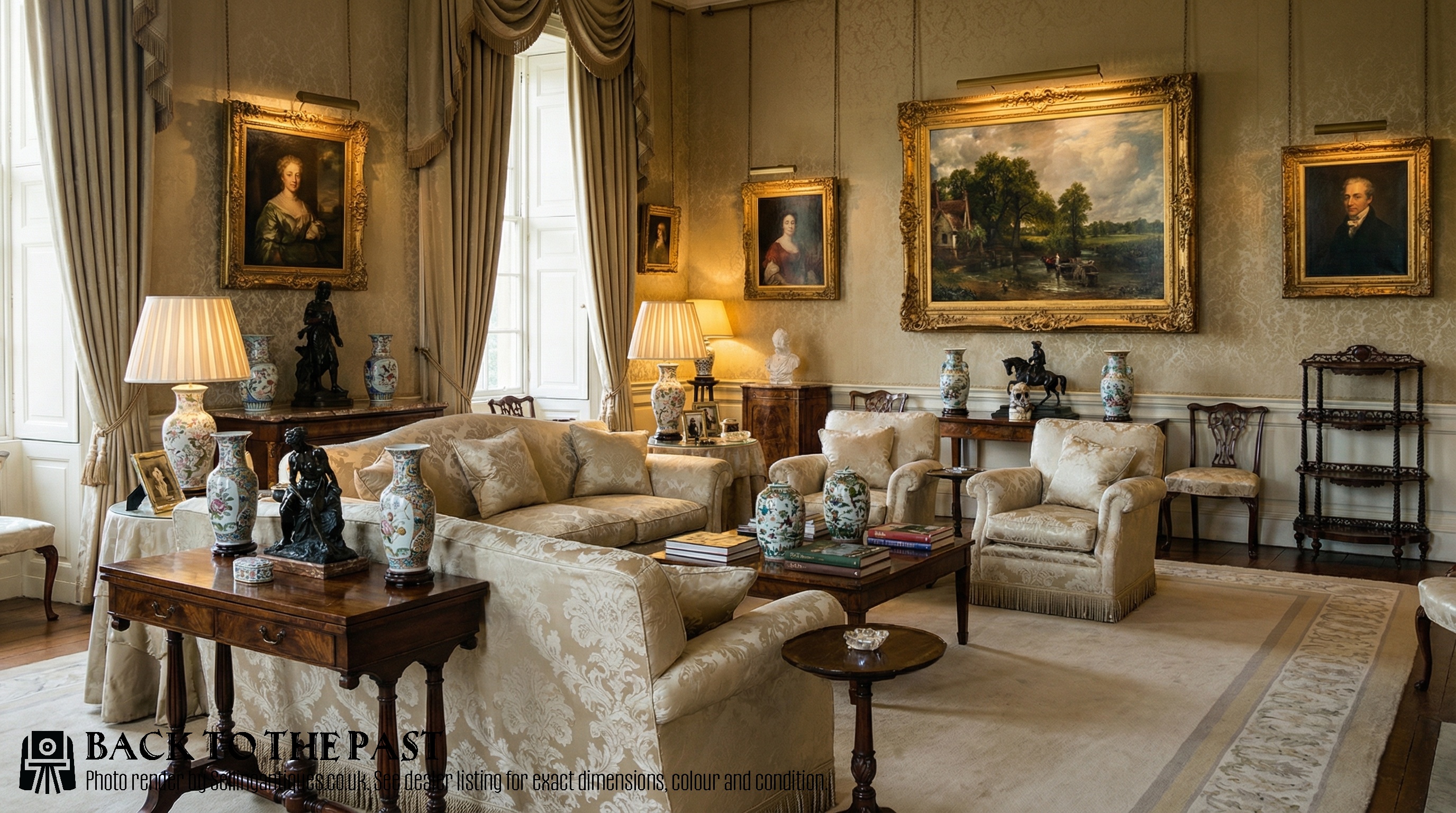
Victorian Burr Walnut Shelving
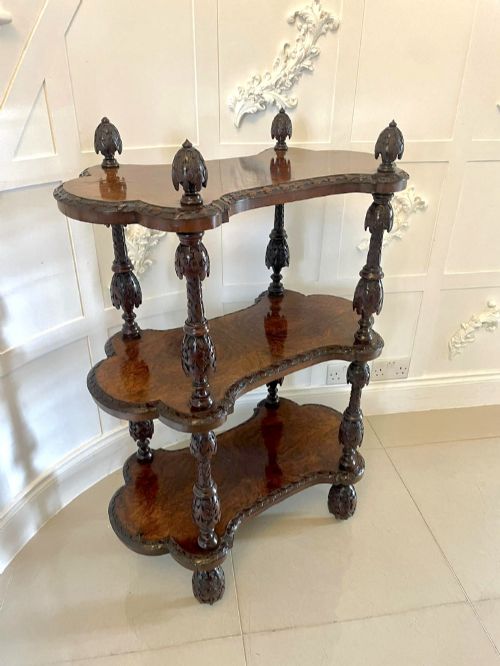
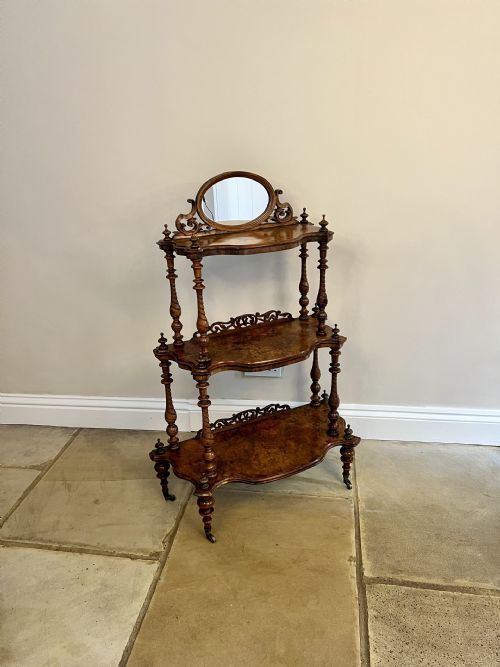
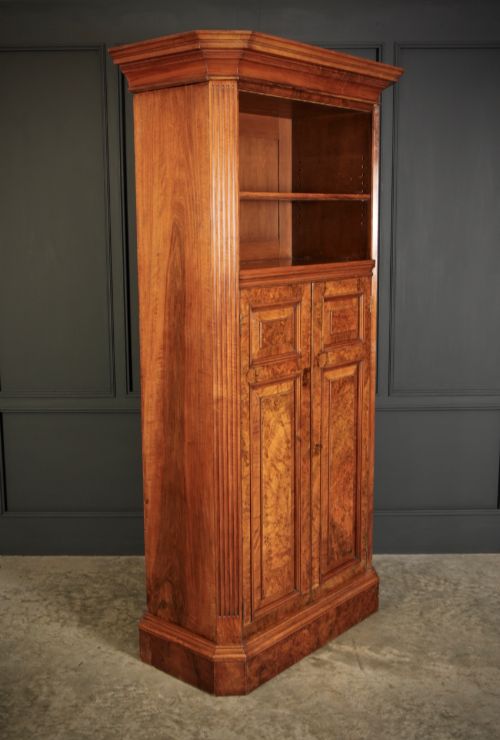
Victorian burr walnut shelving encompasses varied multi-tiered furniture pieces designed for books, display and storage within nineteenth-century interiors. These items appear primarily as open bookcases, tiered whatnots, etageres and credenzas dating from the mid-nineteenth century onwards.
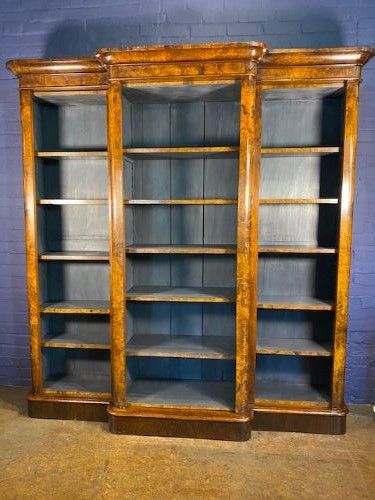
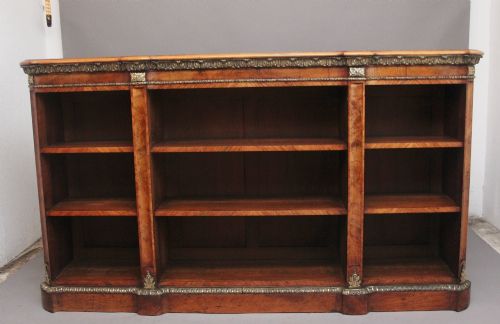
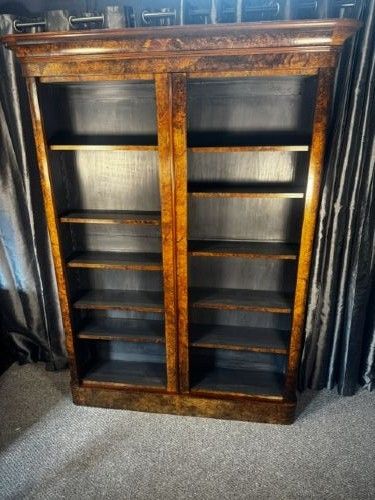
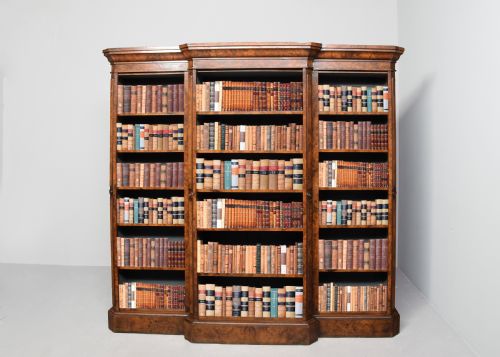
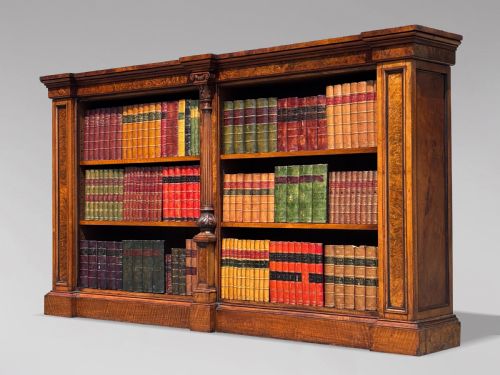
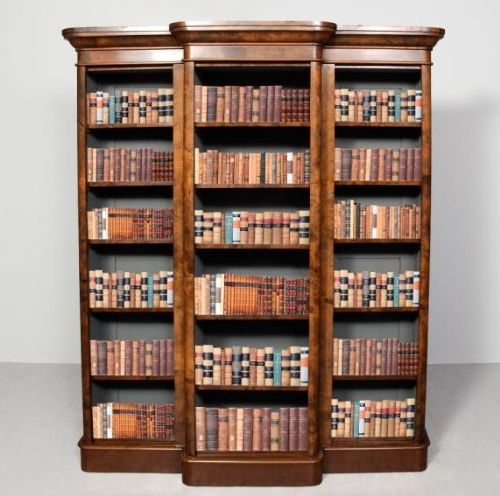
The form most frequently met on this page is the open bookcase, often built in breakfront sections with adjustable shelves, alongside multi-tier whatnots designed for corner or freestanding placement.
Distinctions in Quality
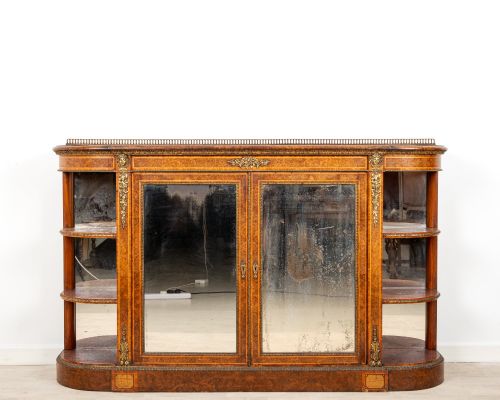
Quality rests in the selection and matching of the burr walnut veneer across large expanses, alongside the crispness of marquetry inlay and the weight of ormolu mounts. Finer examples display harmonious grain patterns that wrap symmetrically around curves and breaks.
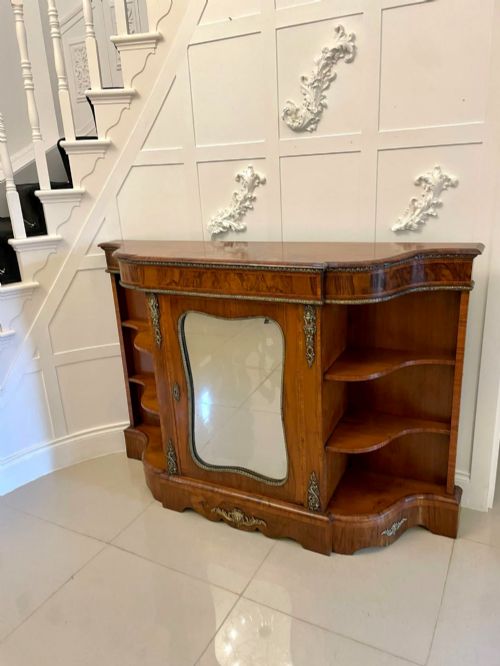
Structural complexity also separates standard items from exhibition pieces, as seen in serpentine shapes, breakfront configurations with multiple sections, and stamped maker attributions from notable cabinetmakers.
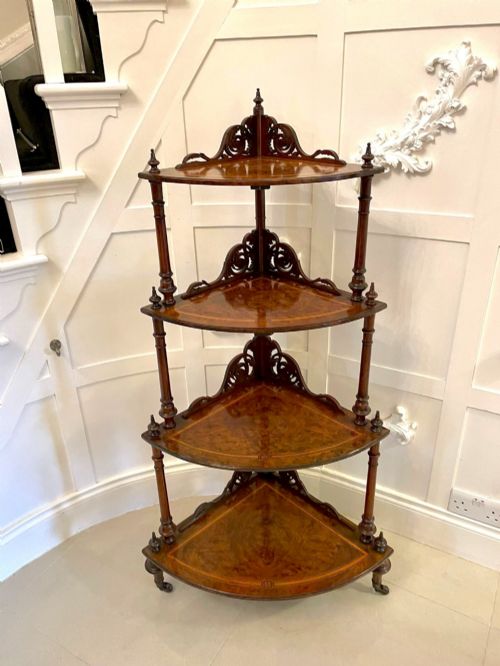
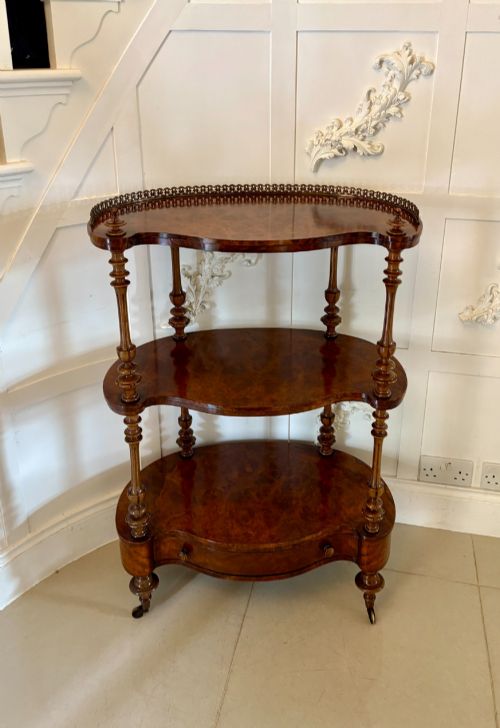
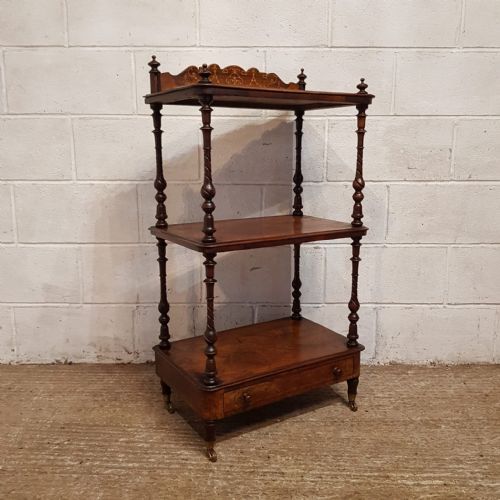
Some corner whatnots provide four stacked tiers of display surface, ensuring even the most neglected room corner can hold its own collection.
Johnstone and Jeanes·Gillows·Druce and Co
The Victorian Burr Walnut Shelving Glossary
- Burr walnut
- A figured wood veneer taken from the growth excrescences of walnut trees, prized for its intricate, swirling grain patterns. It creates a highly decorative surface on nineteenth-century cabinet furniture.
- Whatnot
- An open shelving unit with multiple tiers supported by slender columns or uprights, used for displaying ornaments and books. These pieces often feature corner or serpentine designs.
- Ormolu
- Gilt bronze or brass mounts applied to furniture for decorative enrichment, frequently paired with walnut and marquetry. This technique adds metallic contrast to wooden surfaces.
- Credenza
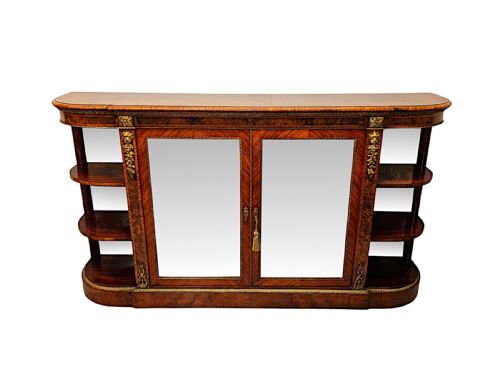
- A low cabinet or sideboard enclosed by doors, often featuring mirrored panels and gilt metal mounts. Victorian versions frequently incorporate burr walnut veneers.
- Breakfront
- A piece of furniture where the central section projects forward from the flanking wings. This configuration adds architectural depth to large bookcases and side cabinets.
Victorian Burr Walnut Shelving: Frequently Asked Questions
What is the difference between a whatnot and an open bookcase?
A whatnot is a multi-tiered open stand designed primarily for displaying decorative objects, often featuring slender uprights and corner shapes.
An open bookcase focuses on shelf space for storing books, typically built as a lower, wider unit with fixed or adjustable timber shelves.
Where should I place a burr walnut credenza?
A burr walnut credenza suits a principal reception room or dining space where its figured veneer and mirrored doors can function as a focal point.
Because these low cabinets often feature finished backs or refined sides, they sit well against a primary wall or within an alcove.
How do I care for burr walnut veneer?
Keep burr walnut furniture away from direct sunlight and strong heat sources to prevent the timber veneer from drying out or splitting.
Dust regularly with a dry cloth and occasionally apply a suitable wax polish to maintain the sheen of the polished surface.
Are the shelves adjustable on Victorian bookcases?
Many nineteenth-century open bookcases on this page include adjustable shelving systems to accommodate books of varying heights.
Buyers should examine specific listings to confirm whether the individual piece retains its original adjustable mechanism and wooden shelves.