

Victorian Bronze Lamp
A victorian bronze lamp brings heavy 19th-century metalwork and period lighting into a room, offering warm illumination alongside classical cast detail.
Victorian Bronze Lamp
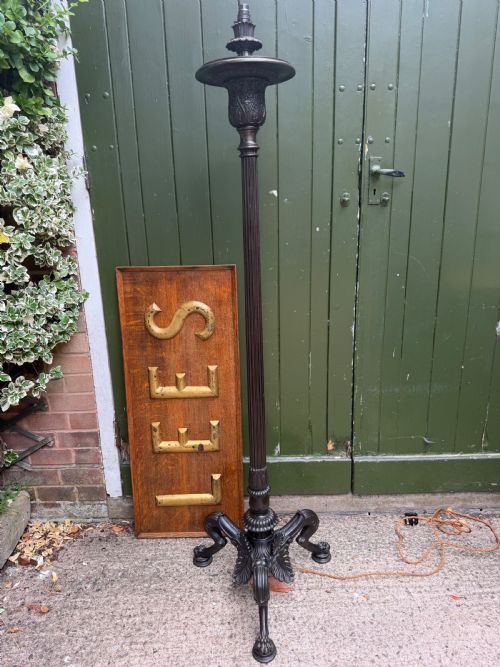
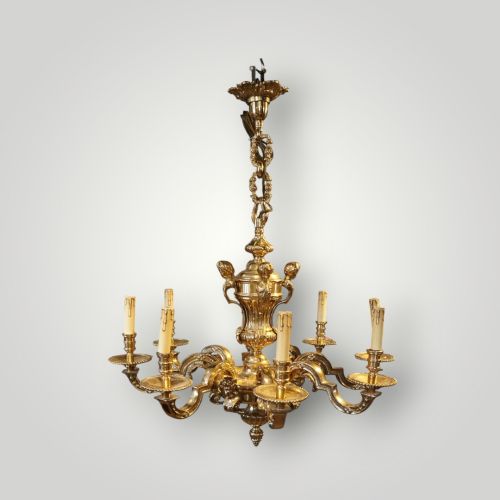
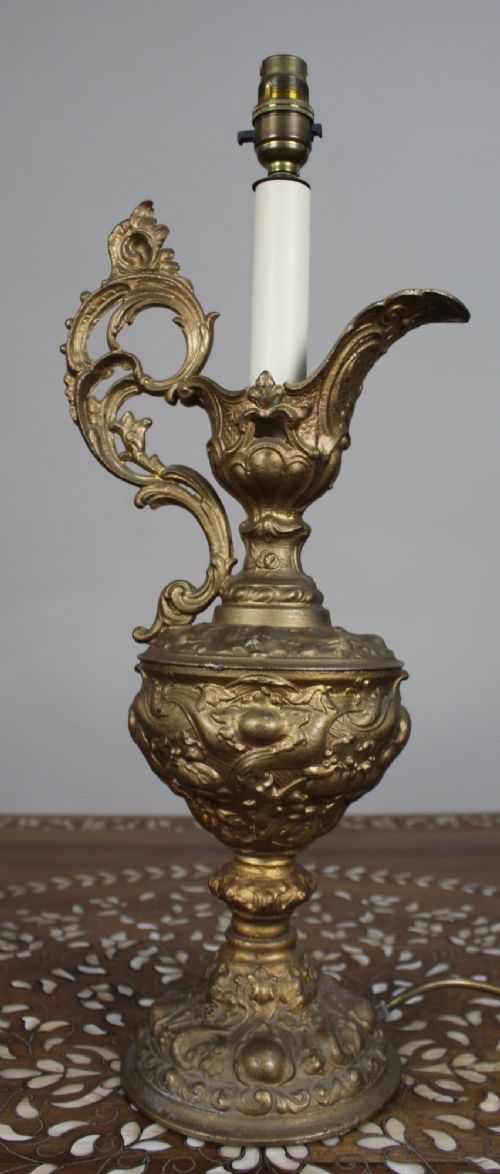
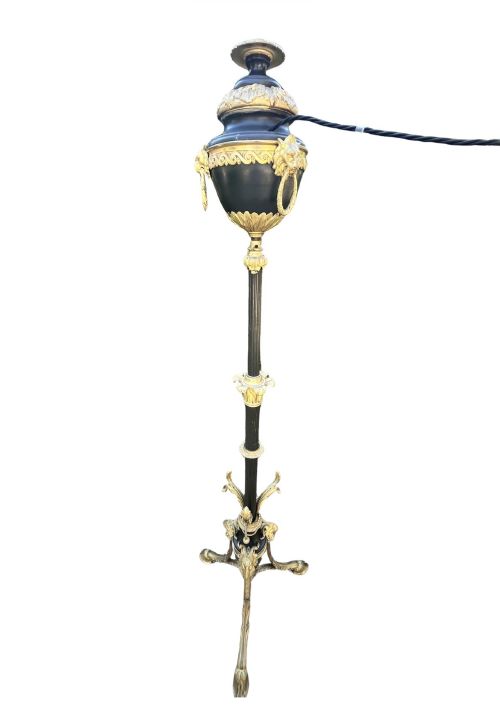
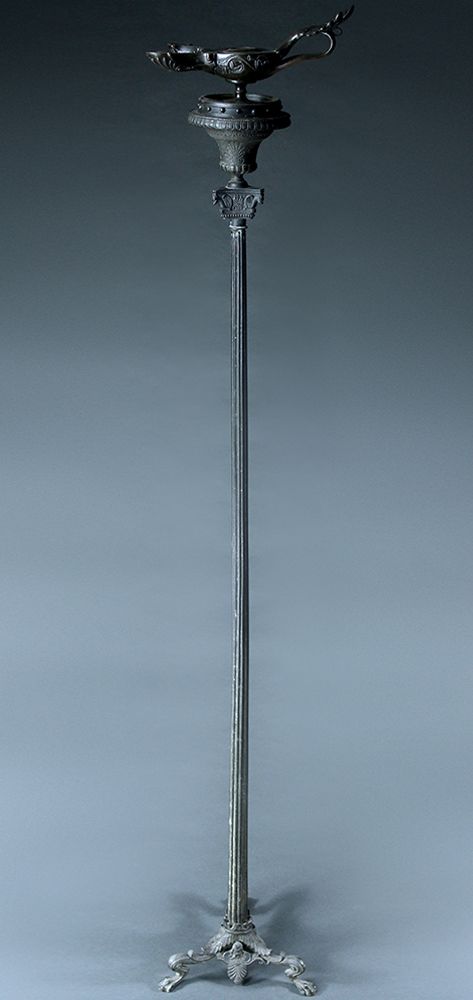
When searching for a victorian bronze lamp, buyers encounter a mix of domestic lighting forms spanning table models, floor-standing standards, and converted oil lamps. The selection leans heavily toward French and English manufacture, often incorporating classical, rococo revival, or neoclassical motifs.
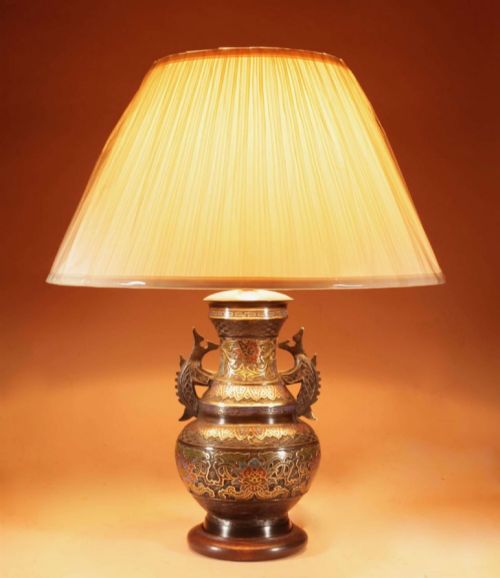
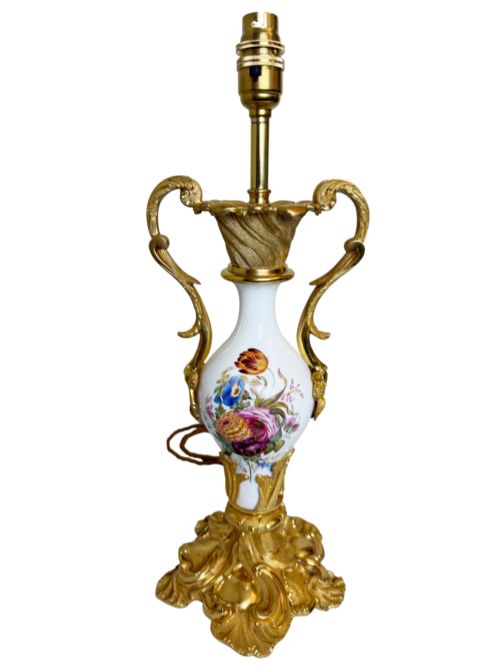
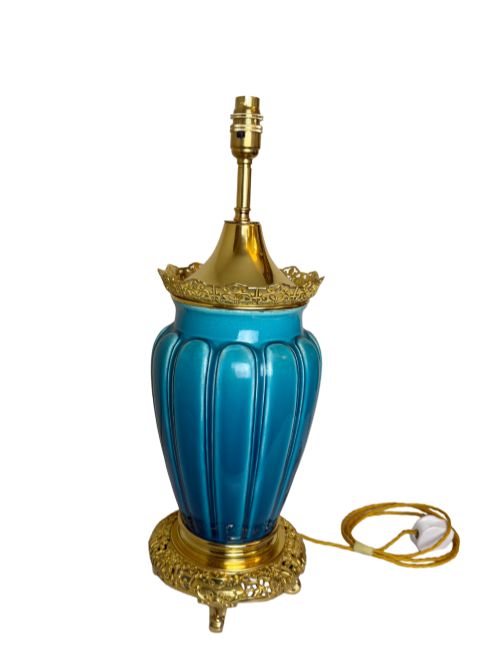
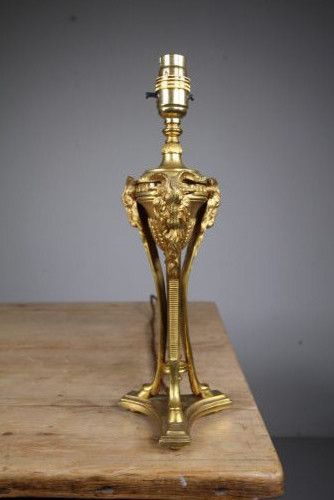
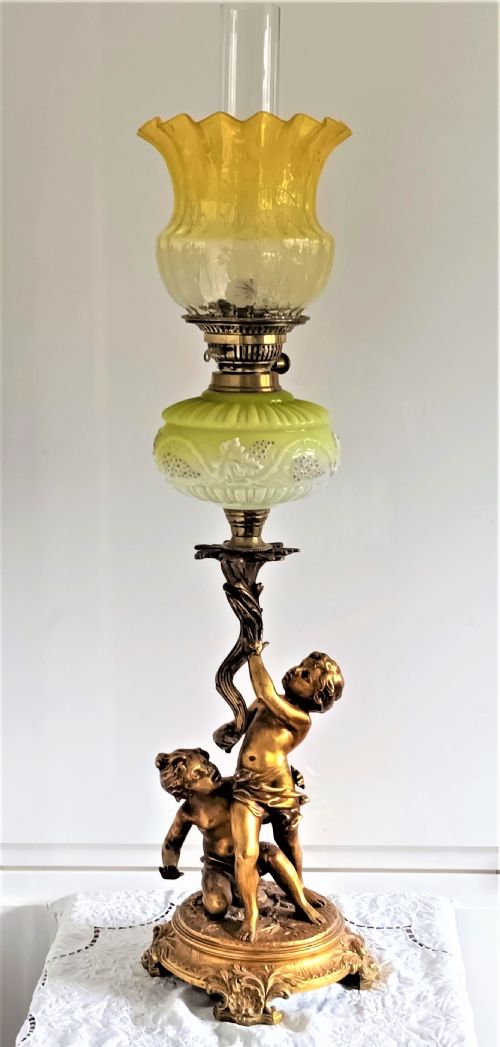
Many examples utilise cast bronze alongside contrasting materials like porcelain, marble, or opaline glass to create decorative silhouettes. Table lamps and column lamps predominate, frequently featuring figural elements such as cherubs or mythological subjects.
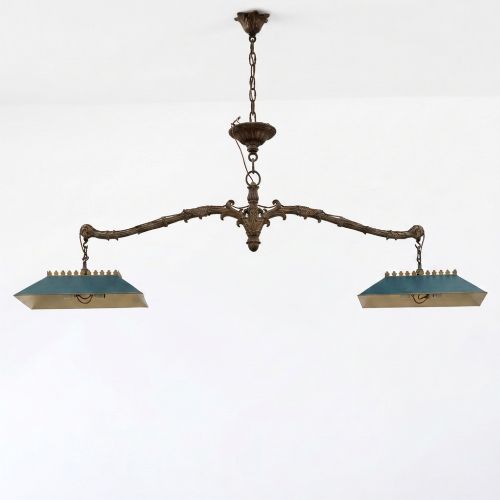
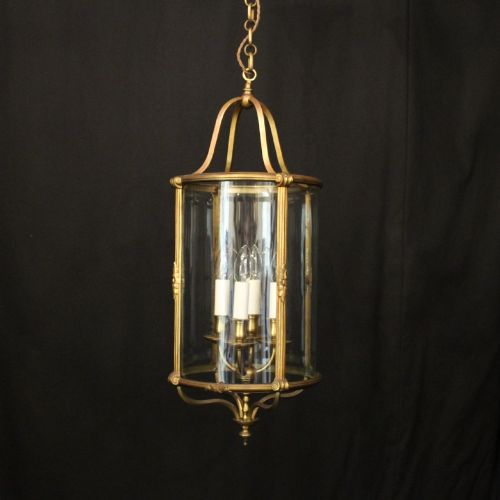
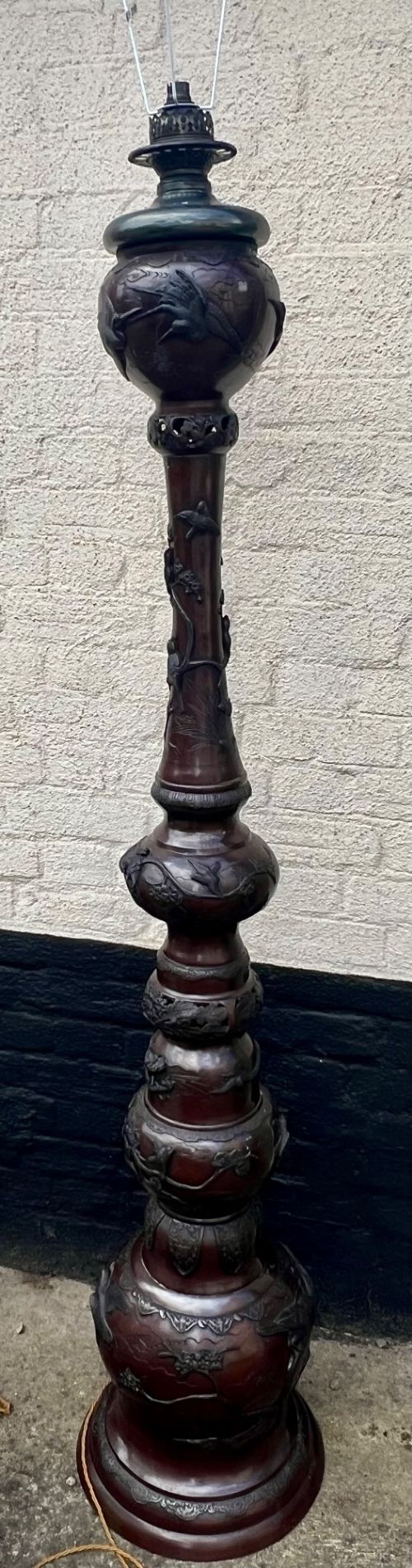
The category extends beyond simple desk or table lighting to include grand tour souvenirs, hall lanterns, and standard lamps designed for principal reception rooms. These objects reflect the varied manufacturing output of the 19th century, drawing on Japanese Meiji influences as well as European revival styles.
How they were made
The foundation of these pieces rests on metal casting techniques, producing robust bronze, brass, and ormolu components that were frequently patinated, gilded, or cold-painted. Makers combined these heavy metallic elements with fragile inserts like opaline glass, rock crystal, and porcelain bodies.
Decorative surface work involved detailed chiselling, chasing, and application of gilt highlights to accentuate classical scrollwork and figural casting. Components were threaded or pinned together, integrating structural marble bases and ceramic reservoirs into stable lighting assemblies.
Listings feature materials such as bronze, brass, ormolu, porcelain, marble, and glass across table lamps, floor lamps, and chandeliers.
What varies in quality
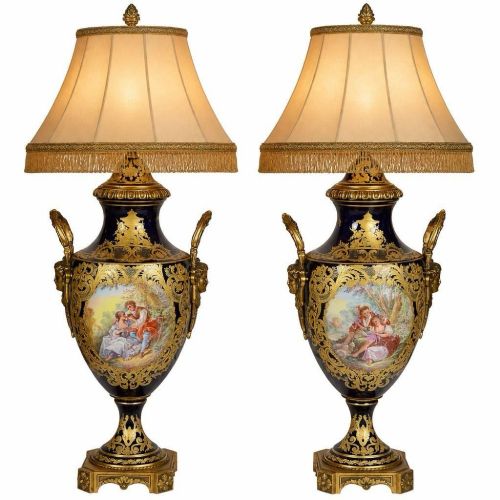
The choice of secondary materials dictates the overall calibre of the piece, with fine hand-painted porcelain reserves, unblemished rock crystal columns, and heavy mercury gilding separating standard production from exceptional studio output.
Emile Picault·Joseph Hinks·Perry And Co
The Victorian Bronze Lamp Glossary
- Ormolu
- Gilded bronze, produced by applying a mercury and gold amalgam to a bronze base and heating it to leave a rich metallic coating. This finish appears frequently on fine French lighting fixtures.
- Patination
- The surface coloration achieved naturally over time or artificially through chemical treatments applied to bronze. It defines the dark, mellow tones seen on 19th-century metalwork.
- Champlevé
- An enamelling technique where troughs are dug into the bronze surface and filled with vitreous paste before firing. Japanese and European decorative pieces utilise this colourful method.
- Opaline glass
- A milky, translucent glass popular during the 19th century for lamp shades and vase bodies. It diffuses light softly and often appears in shades of white or turquoise blue.
- Grand Tour
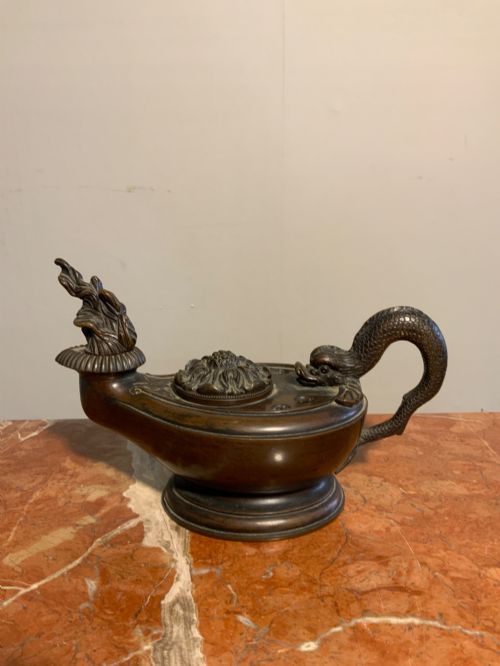
- A cultural journey undertaken by wealthy young Europeans visiting classical sites in Italy and Greece. This practice inspired souvenir bronzes, inkwells, and lamp bases modelled on antiquities.
Victorian Bronze Lamp: Frequently Asked Questions
Were these lamps originally electrified?
Most lighting fixtures from this era were originally designed for oil, gas, or candles rather than electricity. Many surviving examples have undergone later conversion to accept standard electrical wiring.
Buyers should inspect the fittings to understand how the original burner or candle socket was adapted for modern use. Professional rewiring ensures safety while preserving the structural integrity of the antique metalwork.
How do I identify french pieces?
French production often exhibits specific stylistic markers such as cast ormolu mounts, intricate rococo scrollwork, and signature patination. Makers frequently utilised classical allegories and figural bases.
In addition, French lamps commonly incorporate Sevres style porcelain or finely chased gilt bronze elements that reflect Parisian atelier standards of the 19th century.
What is the difference between bronze and brass?
Bronze is an alloy composed primarily of copper and tin, offering a heavier weight and a darker, richer capacity for patination. Brass is an alloy of copper and zinc, tending to yield a brighter, more golden hue.
Victorian lighting utilised both metals, sometimes combining cast bronze for figures with brass for internal fittings or structural stems.
How do I care for antique bronze?
Maintenance requires gentle dusting with a soft, dry cloth to prevent the accumulation of dirt within the chased details of the metal. Avoid harsh commercial metal cleaners that strip away historical patination or damage gilt surfaces.
Wax is rarely necessary unless specified for a particular finish, as normal handling transfers natural oils that help maintain the bronze skin.