

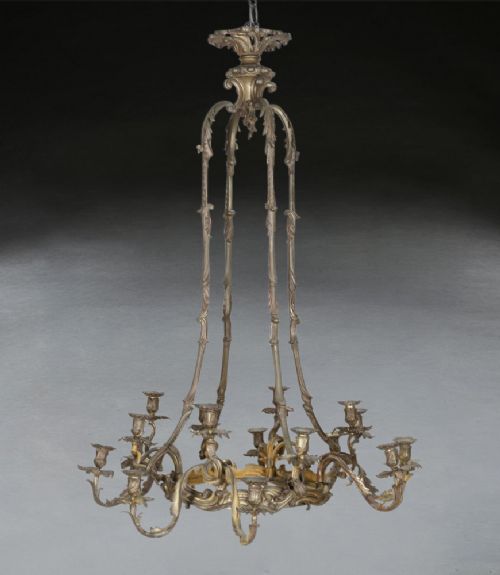
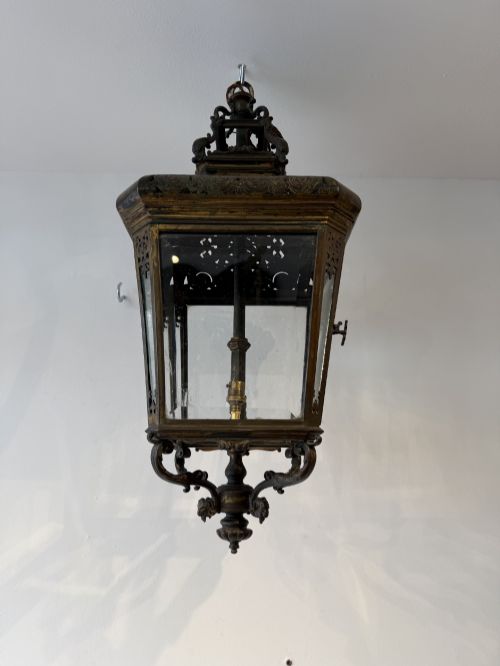


Victorian Bronze Hall Light
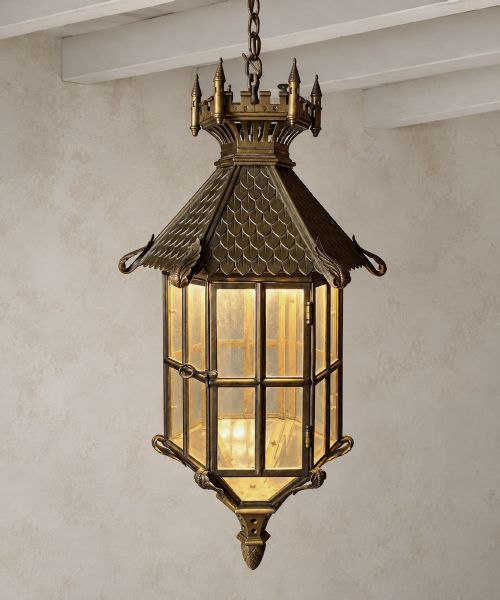
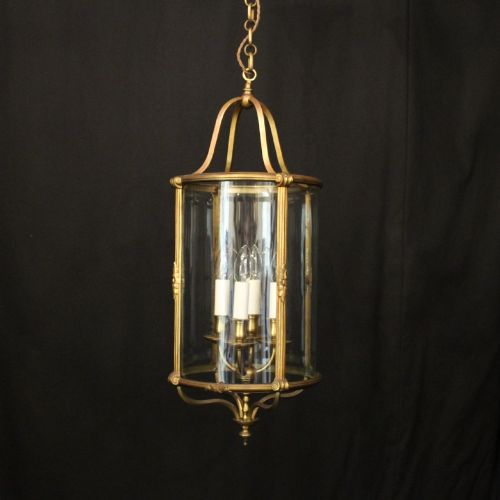
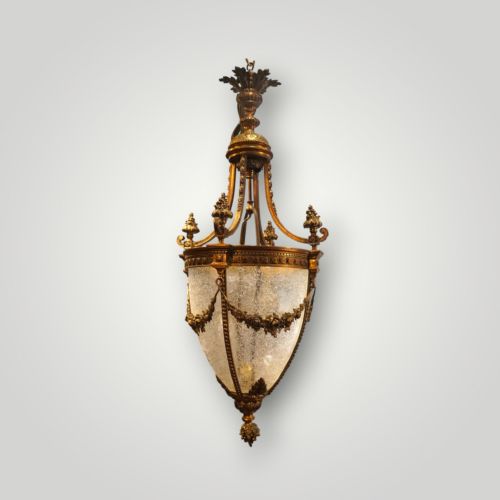
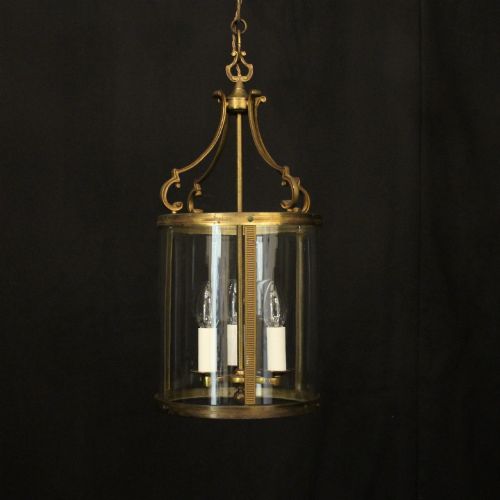
A victorian bronze hall light brings weight and presence to an entrance, casting warm illumination through glass and metal.
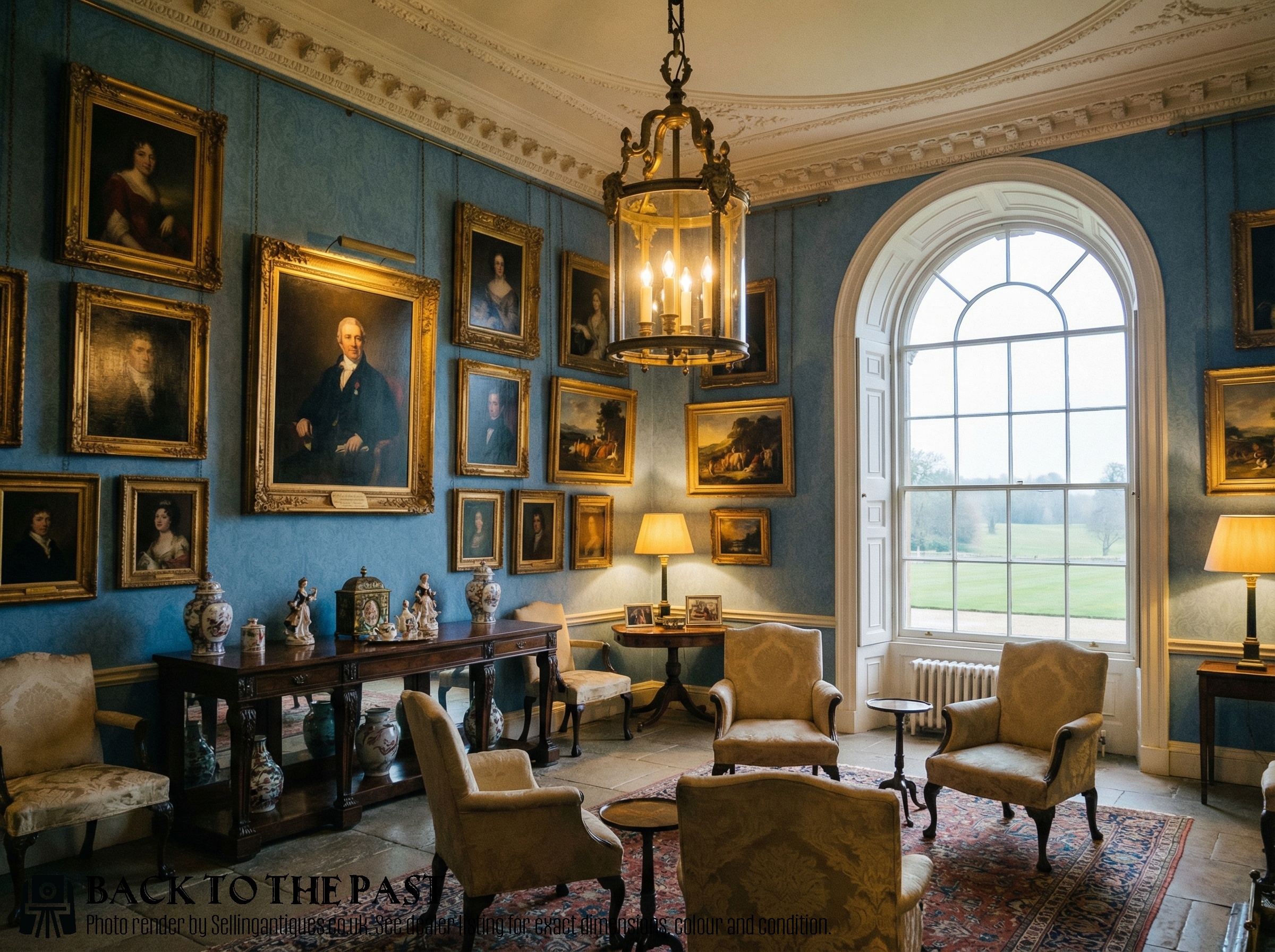
Victorian Bronze Hall Light
A victorian bronze hall light is typically encountered as a hanging hall lantern or ceiling light from the nineteenth century or the early twentieth century. These pieces serve to light corridors and entrance spaces with period character.
The selection on this page includes French gilded bronze lanterns, English examples, and related forms such as chandeliers, pendant lights, and wall sconces. Many pieces combine bronze or gilt bronze with glass panels to enclose the light source.
Makers such as Perry & Co are represented among these brass and bronze creations, alongside various unsigned lanterns and country house coaching lights.
How they were made
Makers utilised cast bronze, gilt bronze, and brass, often combining these metals with glass panels or opaline glass to diffuse the illumination. Wrought iron and gilt metal also appear in the construction of certain hanging frames and ceiling lights.
Construction techniques involve joining cast metal components to house multiple candle points or early electric fittings. Decorative elements draw upon French Neoclassical, Louis XVI, Louis XV, Rococo, and Gothic styles.
Victorian Bronze Hall Light Retail Price Guide 2026
Typical asking prices for victorian bronze hall light among the pieces listed under this phrase on Sellingantiques today, from the lower quarter to the upper quarter. They describe what is for sale here now, not the wider market.
Some heavy coaching lanterns originally intended for horse-drawn travel now find a second life lighting domestic front doors.
What varies in quality
The standard of a victorian bronze hall light rests on the crispness of the metal casting and the depth of the gilding or patination. Heavier metalwork and finer chased detailing distinguish superior examples from simpler production.
The integrity of the glass panels and the complexity of the frame design further separate standard utility pieces from grander architectural lanterns.
Perry & Co
The Victorian Bronze Hall Light Glossary
- Bronze
- An alloy consisting primarily of copper, historically utilised for durable and decorative hardware. It develops a rich patination over time.
- Gilt Bronze
- Bronze that has been coated with a thin layer of gold or gold leaf, providing a bright and decorative metallic finish. This technique was favoured in French Neoclassical and Louis-style lighting.
- Hall Lantern
- A hanging light fixture specifically designed for entrance halls and corridors, typically enclosed with glass panels. These fixtures were originally adapted for candles before transitioning to gas and electricity.
- Opaline Glass
- A type of semi-translucent white glass used to soften and diffuse light. It frequently appears in pendants and lanterns from the Victorian period.
Victorian Bronze Hall Light: Frequently Asked Questions
What is a victorian bronze hall light?
A victorian bronze hall light is a hanging or wall-mounted lighting fixture made from bronze or brass, often paired with glass, designed to illuminate entranceways and corridors.
These pieces range from single-bulb lanterns to multi-light chandeliers reflecting nineteenth-century and early twentieth-century design.
How were these lanterns originally lit?
Many early hall lanterns were designed to be lit by candles before being converted to gas and later electricity.
Survival of original candle sockets or interior drip pans often indicates the early conversion history of a piece.
Where should I hang a hall lantern?
A hall lantern is traditionally placed in a hallway, vestibule, or high-ceilinged entrance passage where its vertical proportions can be appreciated.
Ensure adequate ceiling height is available to allow comfortable clearance beneath the hanging chain or drop.
How do I identify the style?
Style identification relies on examining the decorative motifs, such as Gothic tracery, Rococo scrolls, or French Neoclassical symmetry.
Materials like gilt bronze and the presence of convex glass panels also point towards specific design influences.