

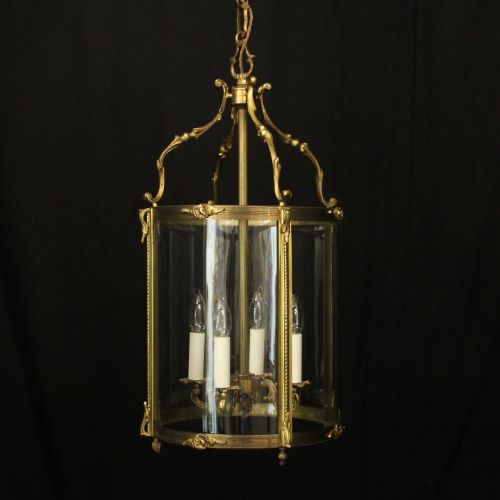
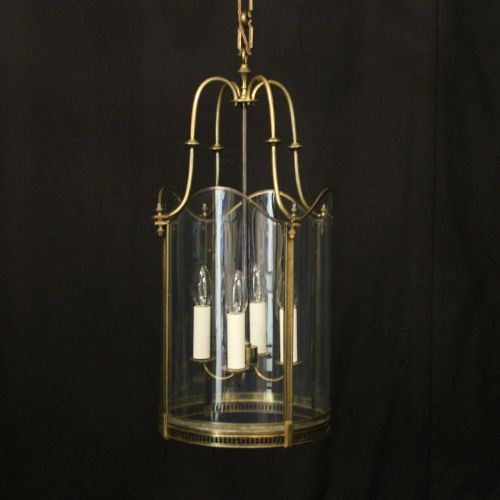
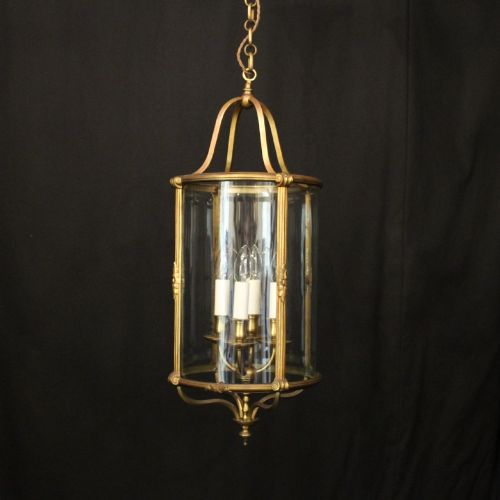


Four Light Glass Lantern
A four light glass lantern brings weight and height to a hall, using bronze, brass, steel, and glass to hold four bulbs.
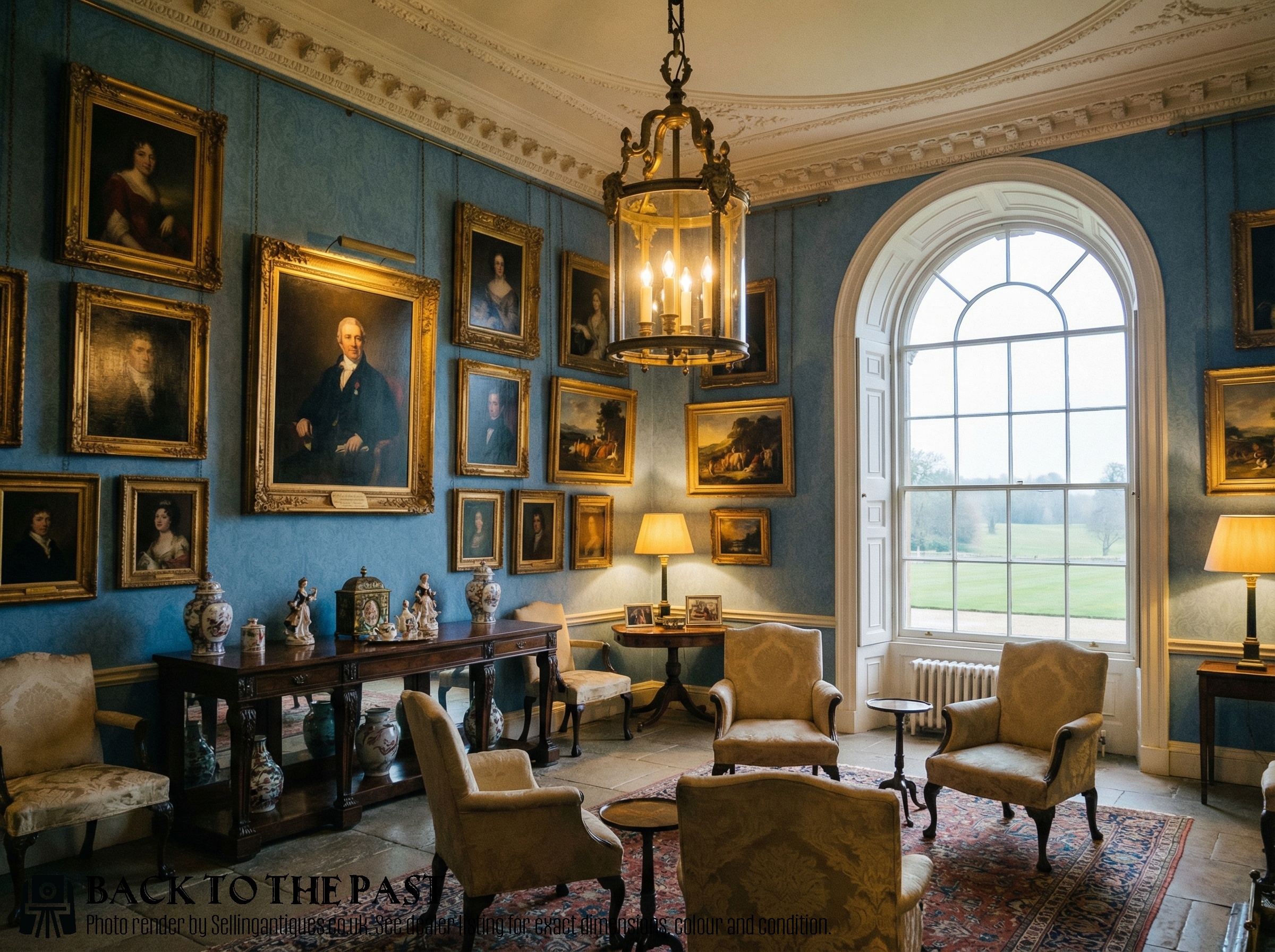
Four Light Glass Lantern
When you search for a four light glass lantern, you find hanging ceiling lights designed principally for halls and large entranceways. The pieces listed span the nineteenth century through the 1920s and 1930s.
You are most likely to meet French and English examples configured with convex glass panels. These objects function as grand hall lanterns, pendant lights, and ceiling lighting.
The forms draw upon French Neoclassical, French Chateau, Rococo Revival, English Regency, and Grand Regency styles. They combine metal frameworks with multiple lights to illuminate vertical spaces.
How they were made
The construction relies heavily on cast and formed metals including bronze, gilded bronze, brass, gilt brass, gilded brass, and steel. Artisans shaped these metals to form rigid frames capable of holding glass panels securely.
Glass panels, sometimes cut or convex, fit into the metal frameworks to enclose the light fittings. Gilt and gilded finishes were applied to bronze and brass to enhance the reflective quality under four interior lights.
Four Light Glass Lantern Retail Price Guide 2026
Typical asking prices for four light glass lantern among the pieces listed under this phrase on Sellingantiques today, from the lower quarter to the upper quarter. They describe what is for sale here now, not the wider market.
Some lanterns are large enough to require two people just to clean the curved glass properly.
What varies in quality
Quality rests in the weight and definition of the metal castings and the clarity of the glass. Heavier bronze frames and crisp chasing separate standard production from exceptional pieces.
The sophistication of the metalwork, such as finely detailed gilt brass or substantial steel and brass combinations, dictates the grade of the lantern. Convex glass and complex frames require greater skill than flat panels.
The Four Light Glass Lantern Glossary
- Convex glass
- Glass panels curved outward toward the viewer. This shaping magnifies the internal light and creates distortion that catches the eye.
- Gilded bronze
- Bronze metal coated with a thin layer of gold leaf or gilt. This finish prevents tarnishing and gives a rich, warm metallic sheen.
- Grand Regency
- An architectural and decorative style noted for heavy classical influence and grandeur. Pieces from this tradition use bold symmetrical lines.
- Hall lantern
- A ceiling-hung light fixture created specifically for entrance halls and corridors. These fixtures project light downward and outward in enclosed spaces.
- Rococo Revival
- A nineteenth-century revival of eighteenth-century Rococo design characterised by asymmetrical scrolls and natural ornamentation. It appears in the decorative mounts of these lanterns.
Four Light Glass Lantern: Frequently Asked Questions
Where should I hang a four light glass lantern?
These lanterns suit high-ceilinged entrance halls, corridors, and large stairwells where their drop and width can be fully appreciated.
Ensure the ceiling height accommodates the hanging length of the fixture so that it clears head height while illuminating the room.
How do I date a glass lantern?
Dating relies on the metal composition, the casting techniques, and stylistic markers linked to periods from the nineteenth century to the 1930s.
English Regency and French Neoclassical details provide stylistic clues, while material choices like steel combined with brass point toward later twentieth-century manufacturing.
Can these lanterns be wired for modern electricity?
Most antique lanterns are adapted for modern electrical standards to hold four internal light bulbs safely.
Professional rewiring ensures the internal lamp holders comply with current regulations while preserving the historic exterior metal and glass frame.