

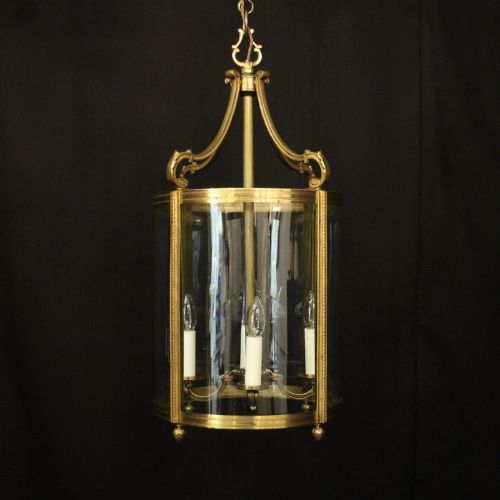


French Bronze Entry Lighting
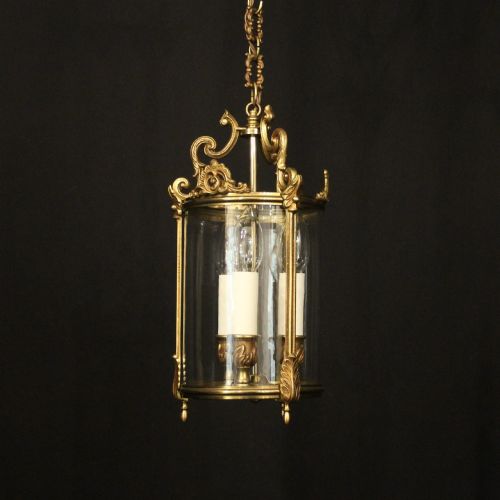
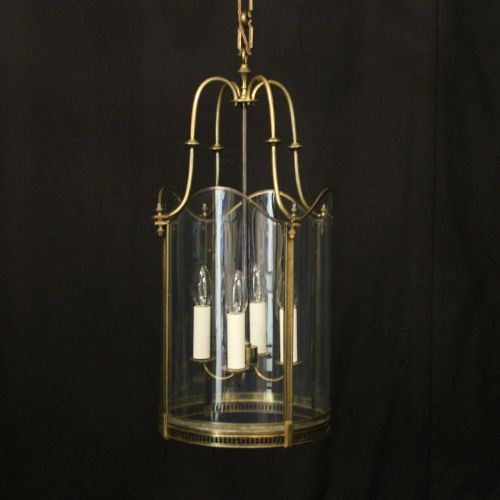
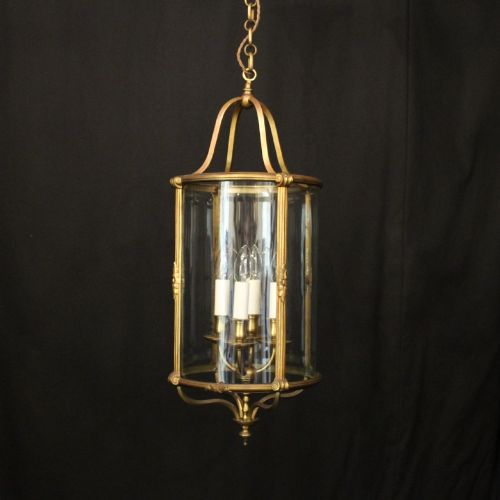
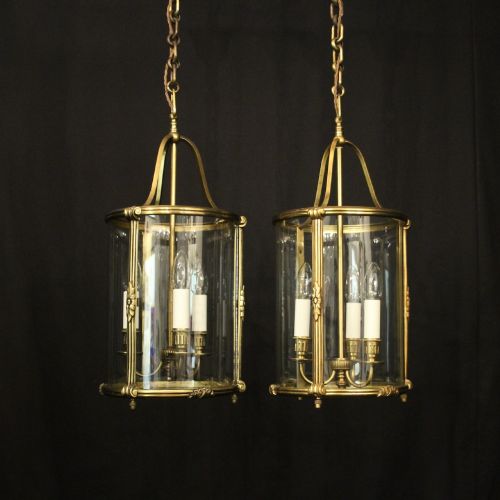
French bronze entry lighting brings grand proportion to a hallway, channelling historical styles from the nineteenth and early twentieth centuries.
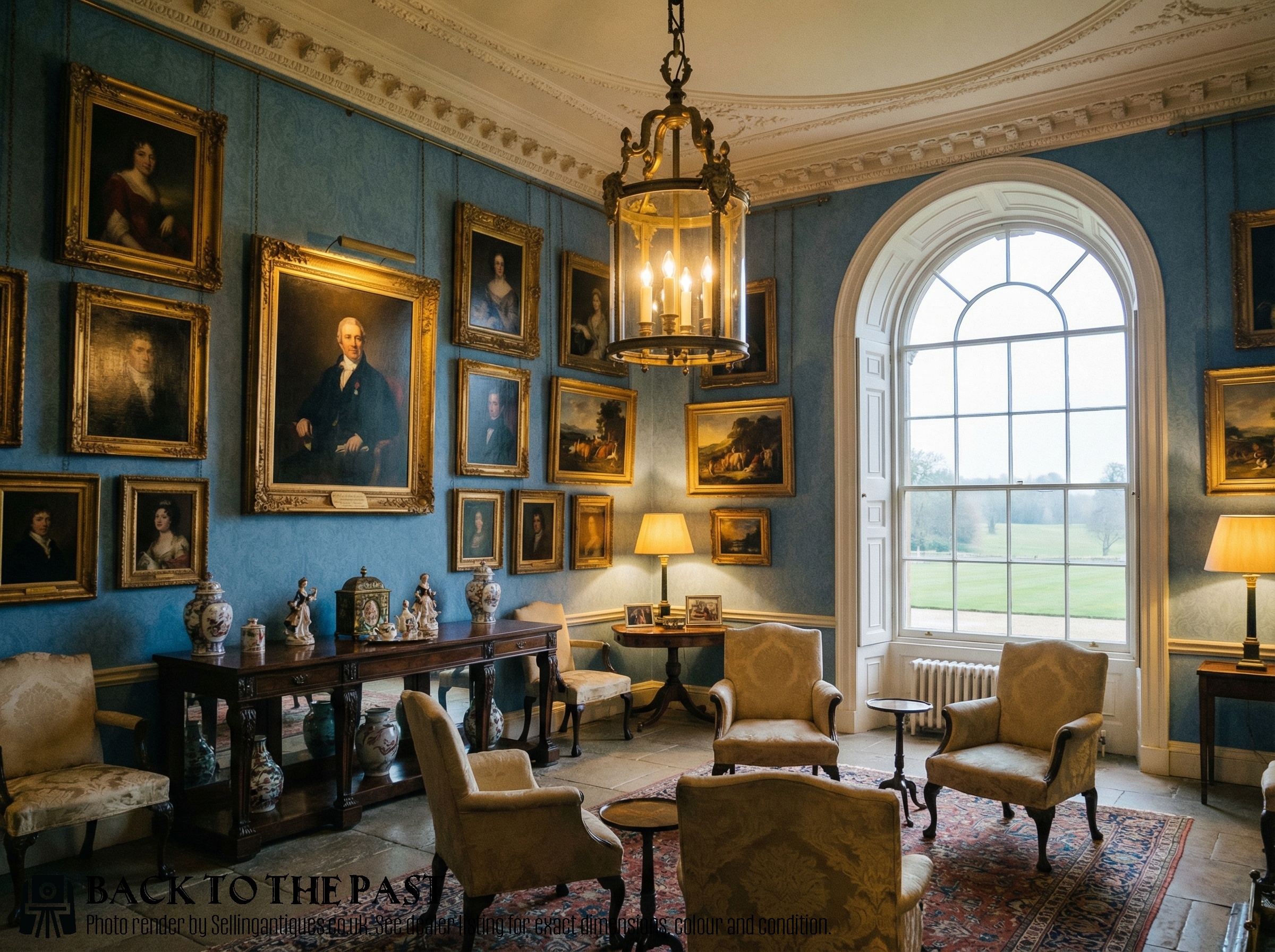
French Bronze Entry Lighting
French bronze entry lighting encompasses hall lanterns, ceiling lights, hanging lanterns, and pendant lights designed for vestibules and corridors. You encounter pieces spanning the nineteenth century through the 1930s, reflecting classical French design traditions.
The selections on this page concentrate heavily on hall lanterns and hanging lanterns fitted with multiple lights. These fixtures often feature convex or bevelled glass panels held within robust metal frames.
Originating predominantly from France alongside occasional English interpretations, these pieces utilise styles such as French Rococo, Louis XV, Louis XVI, and Neoclassical. They range from single-bulb pendants to substantial four-light configurations suited to high ceilings.
Materials and construction
These fixtures are built using cast bronze, brass, and gilded bronze or gilt brass. Metal components are shaped into decorative frames that house transparent glass elements.
Glazing typically involves heavy bevelled glass or curved convex glass panels. Gilt finishes and silver gilding are applied to the bronze frameworks to enhance their decorative impact.
French Bronze Entry Lighting Retail Price Guide 2026
Typical asking prices for french bronze entry lighting among the pieces listed under this phrase on Sellingantiques today, from the lower quarter to the upper quarter. They describe what is for sale here now, not the wider market.
Convex glass panels ensure your hallway gets a delightfully warped, fish-eye perspective of anyone ringing the doorbell.
Assessing quality and finish
Quality in these lanterns rests upon the crispness of the bronze casting and the depth of the gilding. Superior examples display sharply defined ornament and substantial metal weight rather than hollow or thin construction.
The integration of the glass panels dictates the refinement of the piece. Precision-cut bevels and unblemished convex glass fitted securely into the metal rebate separate finer workshop output from standard production.
The French Bronze Entry Lighting Glossary
- Bronze
- An alloy of copper and tin utilised for durability and fine detail casting in light fittings. It forms the primary structural frame for heavy entry lanterns.
- Gilded Bronze
- Bronze that has been coated with a thin layer of gold leaf or applied gold wash. This finish provides a bright, reflective surface characteristic of formal French interiors.
- Convex Glass
- Glass that is curved outward to create a rounded profile. It diffuses light gently while adding visual volume to the lantern body.
- Bevelled Glass
- Glass panes featuring an angled edge ground along the perimeter. This treatment catches ambient light and creates prismatic reflections.
- Hall Lantern
- A ceiling-hung lighting fixture designed specifically for corridors and entrance halls. These pieces direct illumination downward while enclosing the light source within decorative panels.
French Bronze Entry Lighting: Frequently Asked Questions
What rooms suit these lanterns?
These fixtures fit naturally into entrance halls, vestibules, and stairwells with adequate ceiling height. Their enclosed design protects the internal bulbs while directing light downward into circulation spaces.
Larger four-light versions require substantial spatial volume to balance their proportions. Smaller single or triple-light lanterns work effectively in narrower corridors.
How do I date these lights?
Dating relies on stylistic markers combined with construction methods and materials. Pieces span the nineteenth century through the 1930s, absorbing influences from Louis styles and Rococo Revival.
Earlier nineteenth-century examples often display heavier casting and distinct hand-finishing marks. Pieces from the 1910s to 1930s maintain classical proportions while reflecting early twentieth-century manufacturing techniques.
Are these lights electrified?
Most surviving antique lanterns have been adapted for modern electrical wiring to permit domestic use. Internal lamp holders are fitted inside the glazed cage to accommodate standard bulbs.
Rewiring should be inspected by a qualified professional to ensure safety compliance. The original hanging chains and ceiling canopies generally support the weight of the electrified fixture.
How do I clean gilded bronze?
Gilded bronze requires gentle maintenance to preserve the delicate gold surface. Dusting with a soft, dry cloth prevents the buildup of grime without abrasive friction.
Avoid chemical polishes and harsh cleaning agents which strip away the historic gilding. Professional conservation cleaning is recommended for heavily tarnished or soiled metalwork.