
Antique Foyer Pendant Light
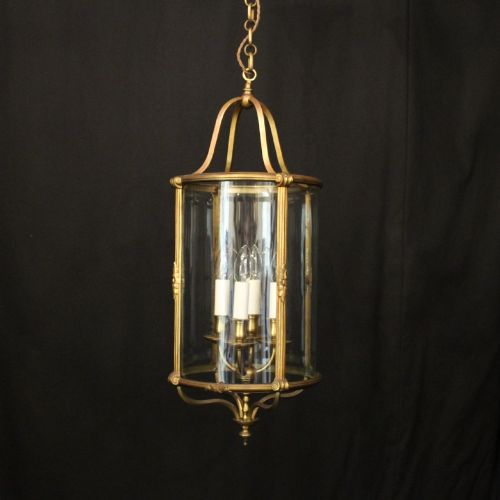
An antique foyer pendant light greets guests with period illumination, offering substantial metalwork and glass to anchor an entrance hall.
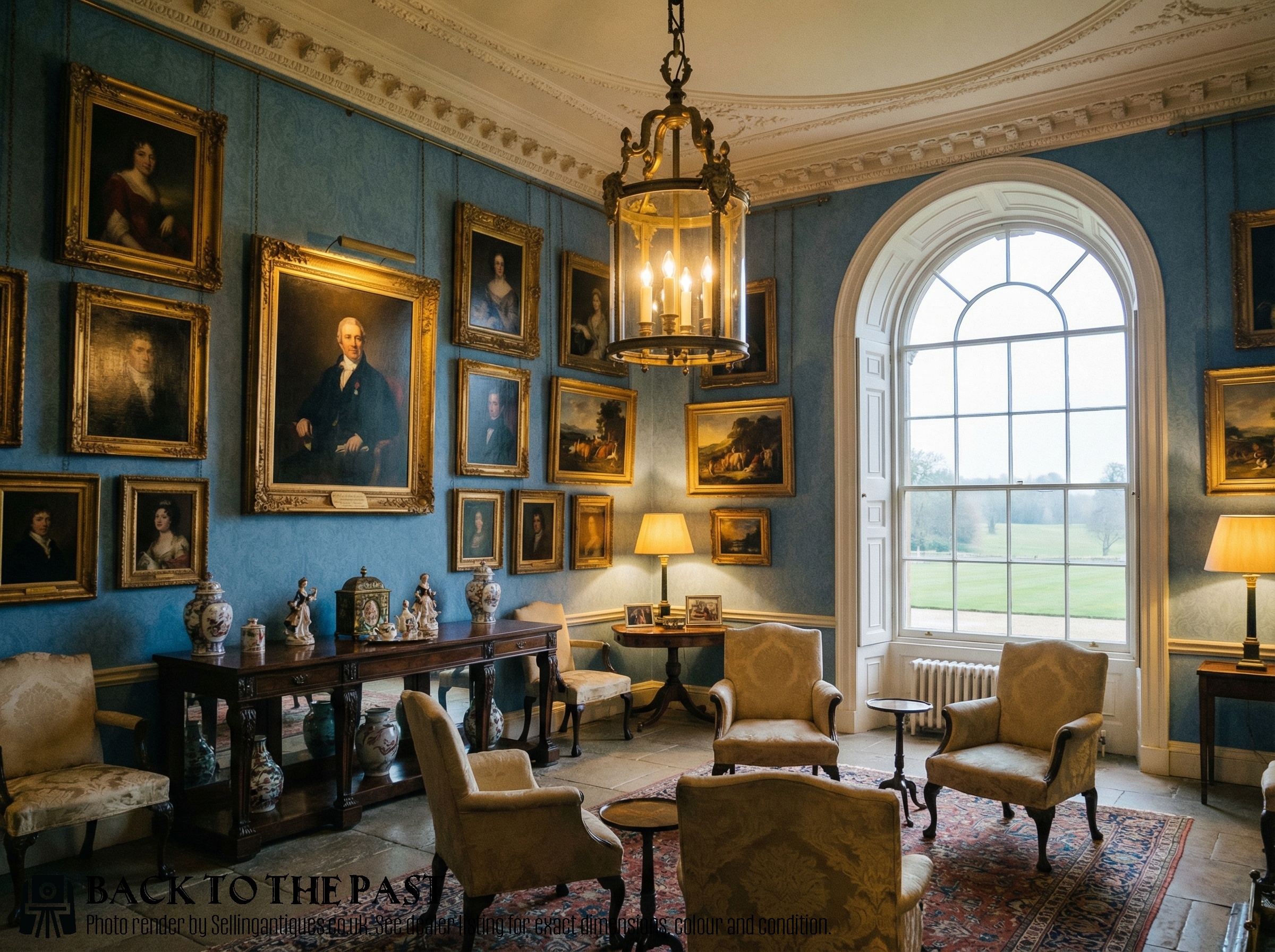
Antique Foyer Pendant Light
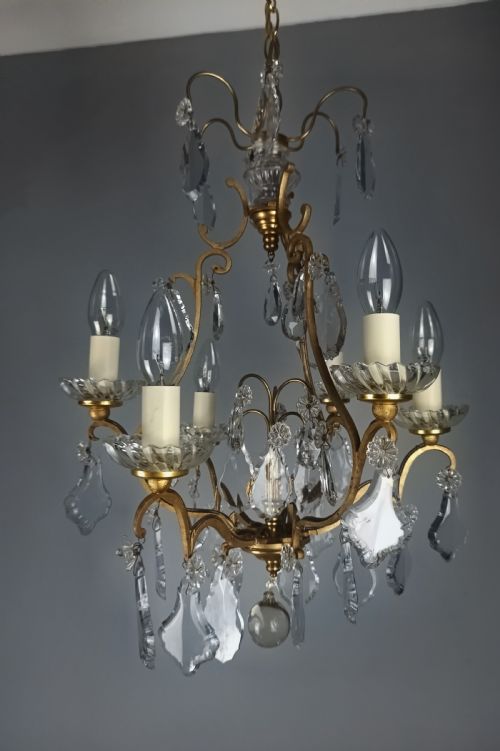
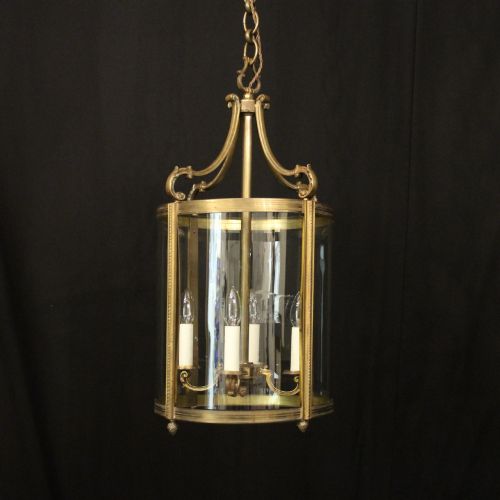
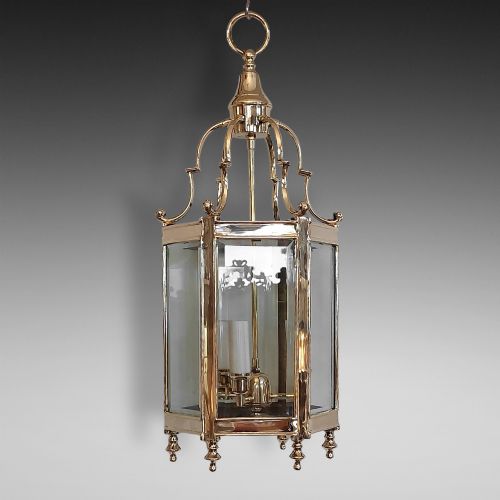
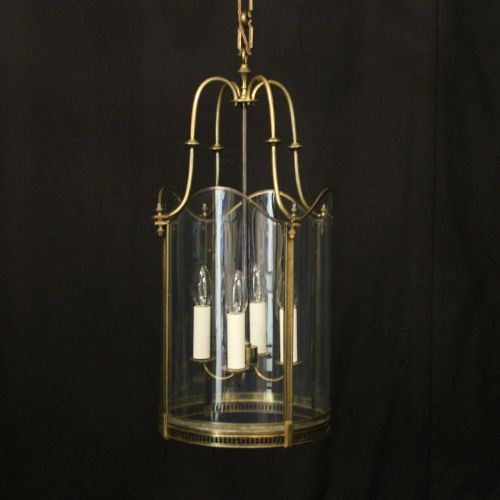
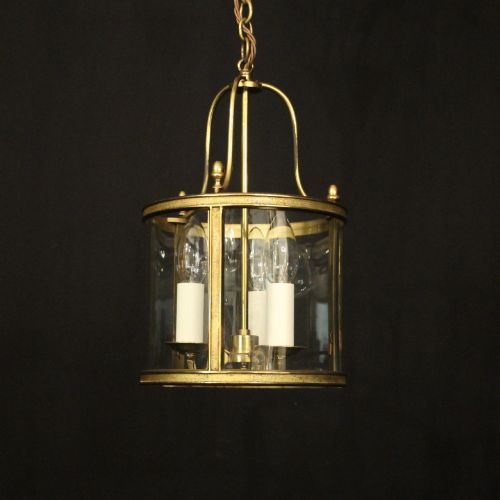
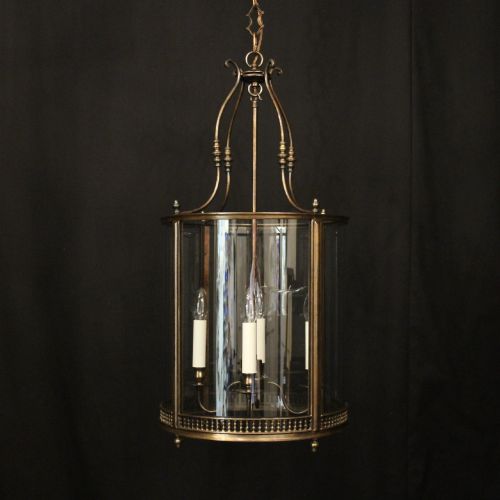
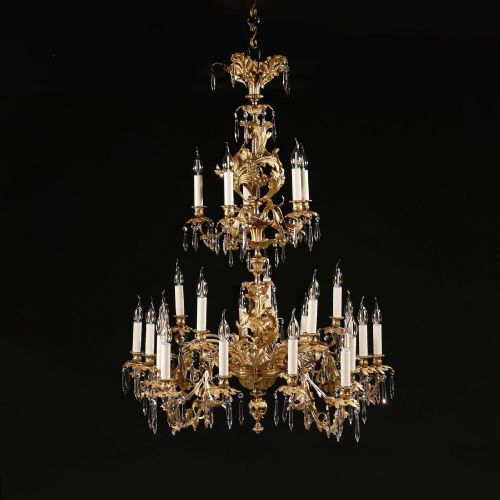
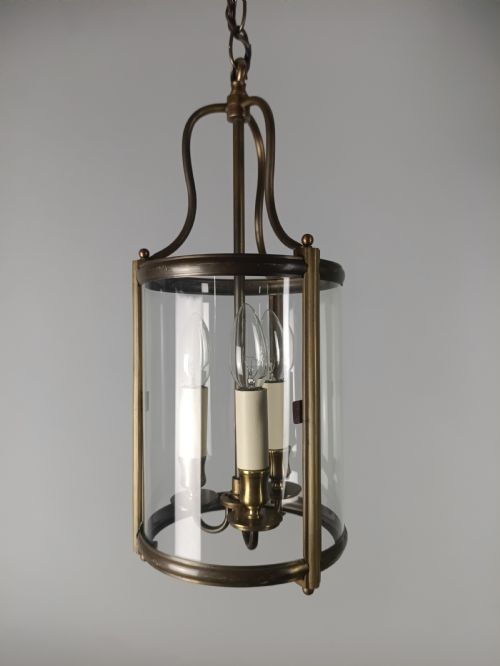
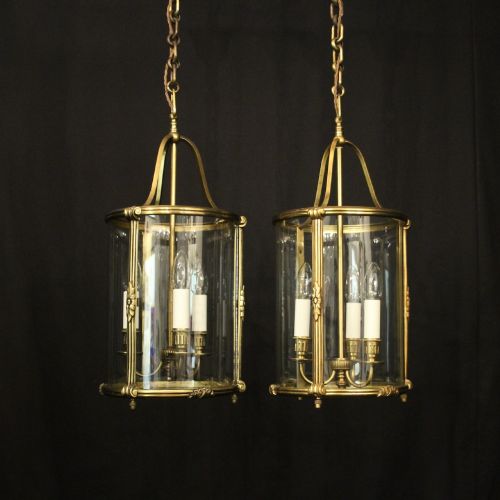
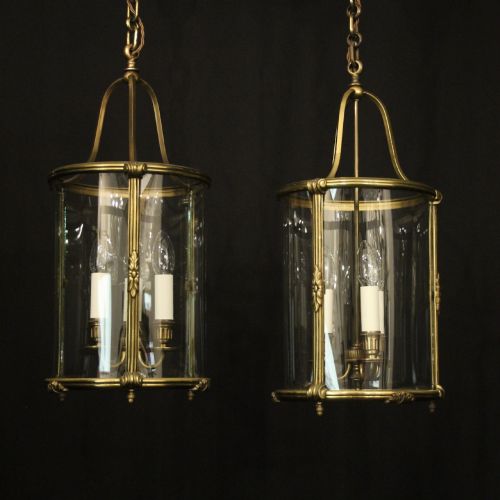
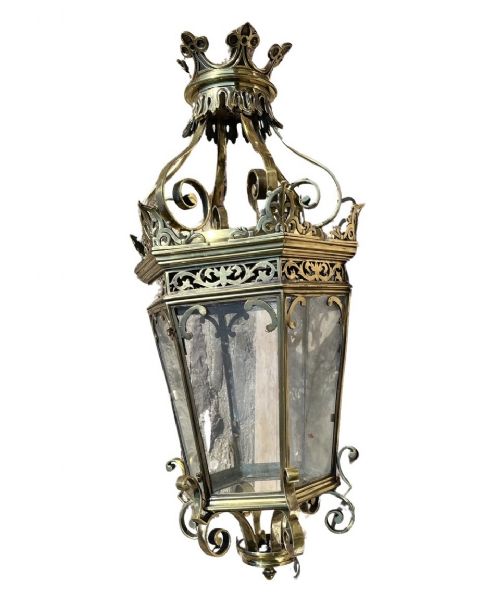
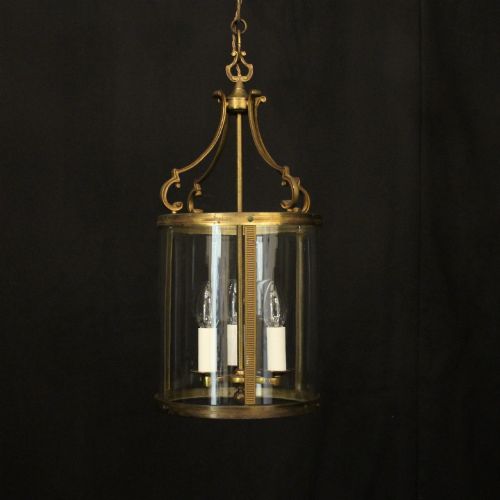
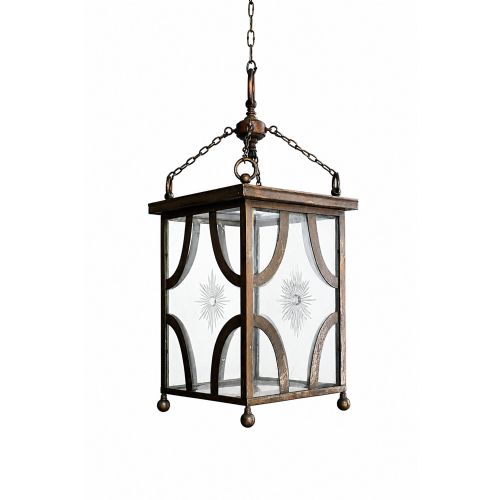
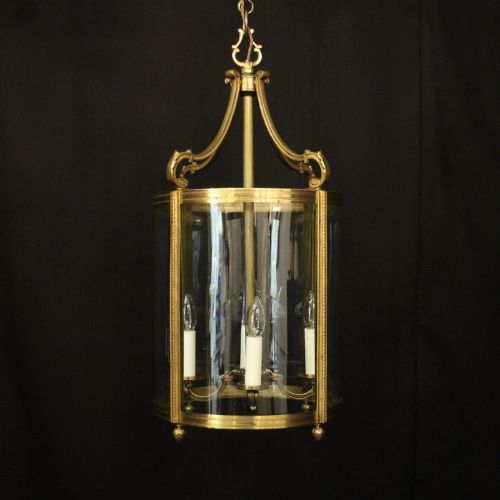
When you search for an antique foyer pendant light, you encounter hanging fixtures designed for entrance spaces and hallways, drawing primarily from the nineteenth and early twentieth centuries. These pieces take the form of hall lanterns, ceiling lights, and chandeliers that illuminate corridors with architectural presence.
The most common examples on this page are French and English lanterns featuring metal frames and glass panels, alongside multi-light chandeliers. Originating from periods spanning the Victorian era through the 1930s, these objects bring historical character directly to interior thresholds.

How they were made
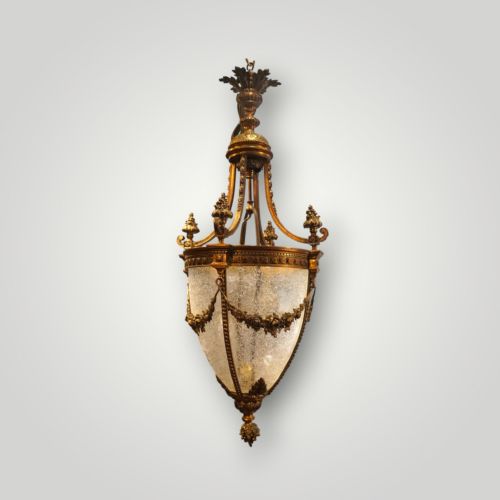
Craftsmen built these fixtures using robust metal structures of brass, bronze, and gilt bronze, often applying a layer of gilding for elevated reflection. Glass components, including convex panes and cut crystals, were then fitted into hexagonal or round frames to diffuse the internal light.
Makers shaped the metalwork through casting and soldering, incorporating decorative elements from French chateau, neoclassical, and gothic revival styles. These techniques ensured the lanterns could support multiple internal lights while maintaining structural integrity in high-traffic entryways.
Some twenty-five light chandeliers provide enough illumination to spot every single speck of dust upon the hallway floor.
What varies in quality
The distinction between tiers of these fixtures rests upon the heft of the metal casting and the clarity of the glasswork. Heavier bronze frames and intricately cut crystal or bevelled glass indicate superior manufacture.
Design complexity also defines the range, moving from simple utilitarian brass boxes to elaborate gilt bronze frames adorned with refined ornamentation. The integration of coordinated hardware and balanced proportions distinguishes exceptional examples.
The Antique Foyer Pendant Light Glossary
- Hall Lantern
- A hanging light fixture specifically proportioned for entrance halls and corridors. These typically feature enclosed glass panels held within a metal framework.
- Gilt Bronze
- Bronze metal coated with a thin layer of gold or gold-coloured wash. This technique enhances the warmth and visual presence of the fixture under illumination.
- Convex Glass
- Glass panes curved outward to scatter light more broadly across a space. This treatment appears frequently on French hall lanterns.
- Bevelled Glass
- Glass panes with angled edges cut around the perimeter. This process refracts light to create a decorative prismatic effect.
- Hexagonal
- Having six sides and six angles. This geometric plan forms the structural base for many period lantern frames.
Antique Foyer Pendant Light: Frequently Asked Questions
Where should an antique foyer pendant light hang?
These fixtures fit best in entrance halls, corridors, and high-ceilinged vestibules where visitors first enter the home. Their downward illumination provides practical lighting for transitional spaces while establishing a distinct historical character.
Ensure adequate ceiling height allows the lantern to hang freely without obstructing movement below. The scale of the fixture should match the proportions of the hallway rather than overwhelm the architecture.
How do I date an antique brass lantern?
Dating relies on examining the metal casting techniques, the style of the glass panels, and the overall decorative vocabulary. Victorian and Edwardian examples often display heavier brass construction and specific regional design traits.
Matching the mounting hardware and construction methods to known production periods helps narrow down the decade of manufacture. Consulting the listed period details provides a reliable guide for identification.
What is the difference between a lantern and a chandelier?
Lanterns typically enclose their light sources within a protective frame of glass panels and metalwork, making them ideal for narrow hallways. Chandeliers branch outward with multiple exposed light arms designed to illuminate larger open rooms.
Both forms appear across the nineteenth and early twentieth centuries, serving different spatial requirements within period interiors.
How do I maintain gilded bronze fixtures?
Maintenance requires gentle dusting with a soft, dry cloth to prevent the accumulation of dirt on the delicate metal surface. Avoid harsh chemical cleaners that can strip or damage the historic gilt finish.
Periodic checks of the internal wiring and hanging mechanisms ensure the fixture remains safe for daily operation in your hallway.