
Vintage Brass Chandelier Lantern
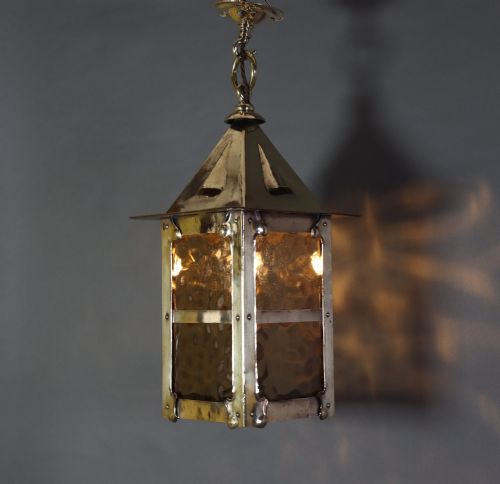
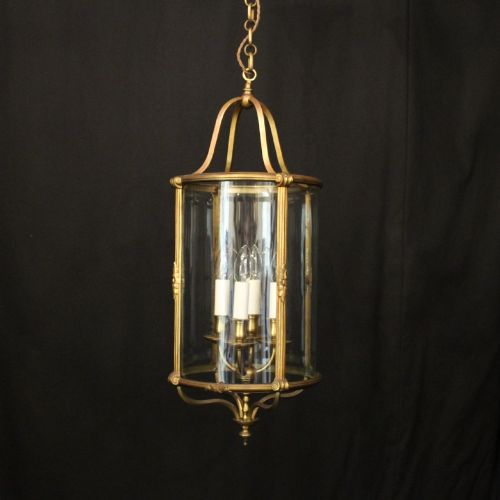
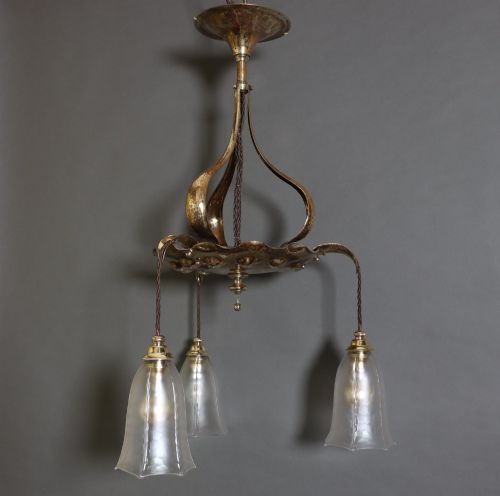
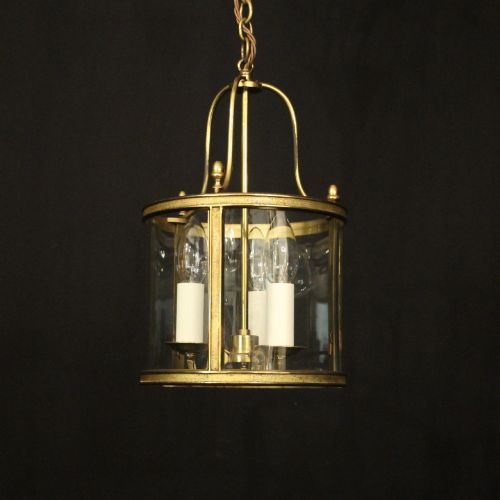
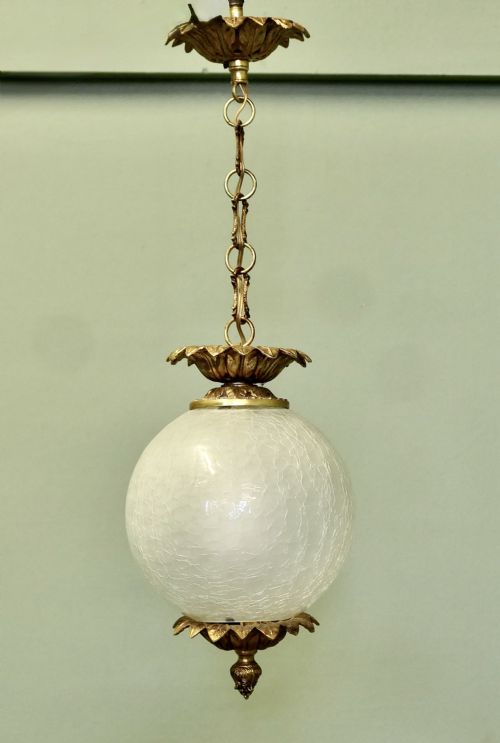
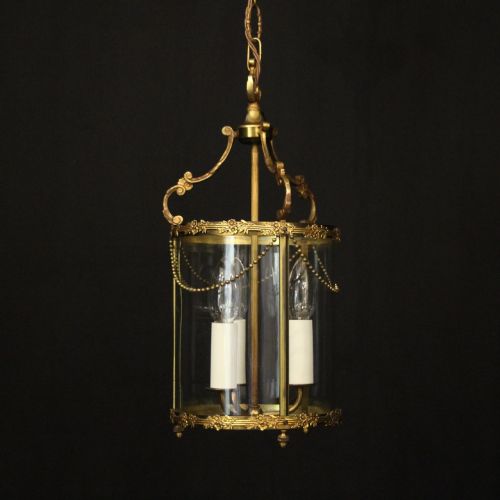
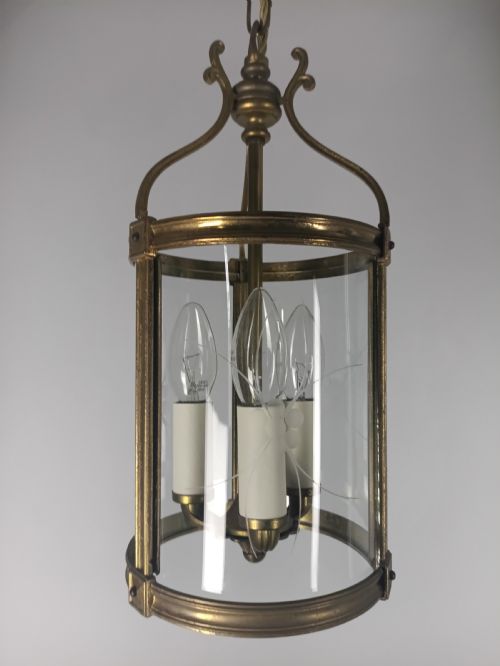
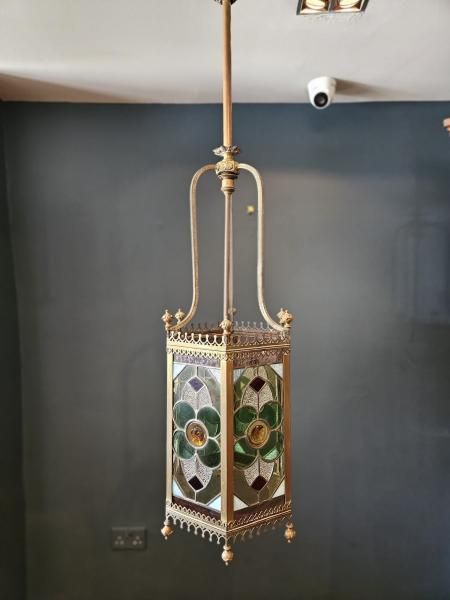
These vintage brass chandelier lantern examples bring glowing character to entranceways, combining heavy metalwork and clear glass panels to illuminate hallways.
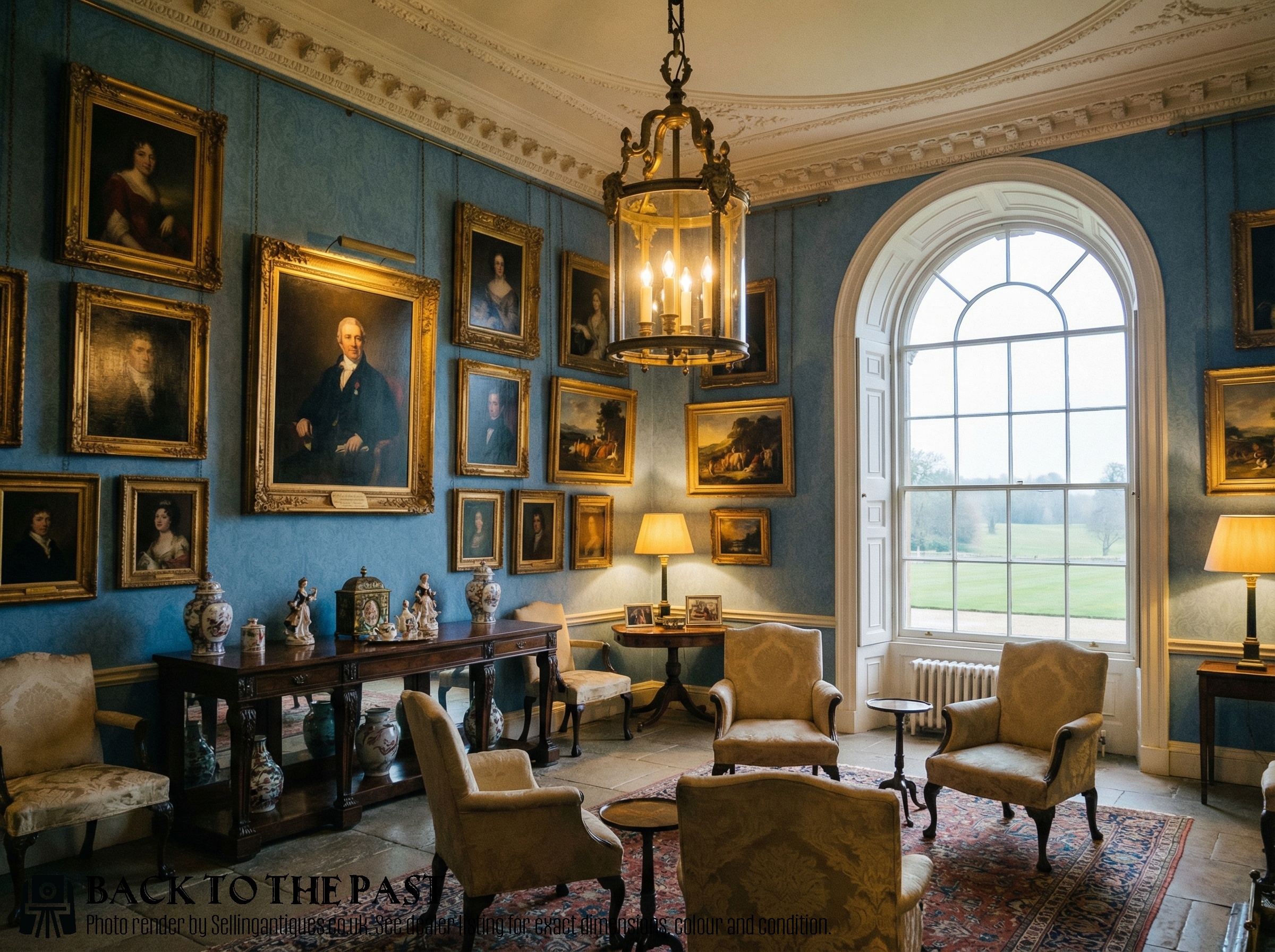
Vintage Brass Chandelier Lantern
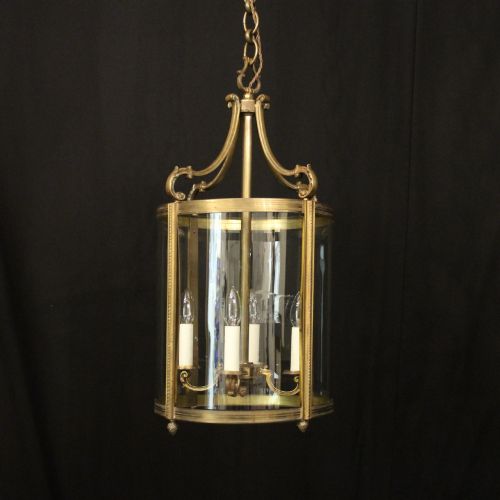
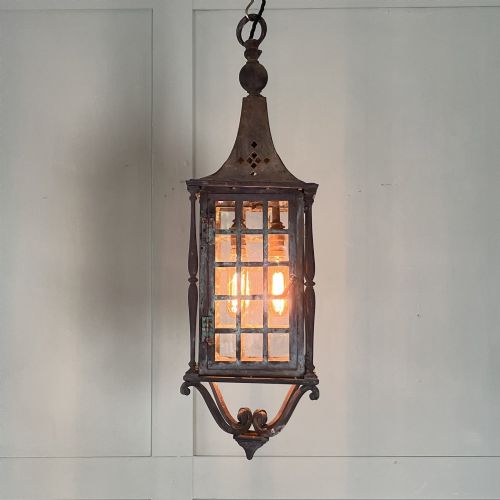
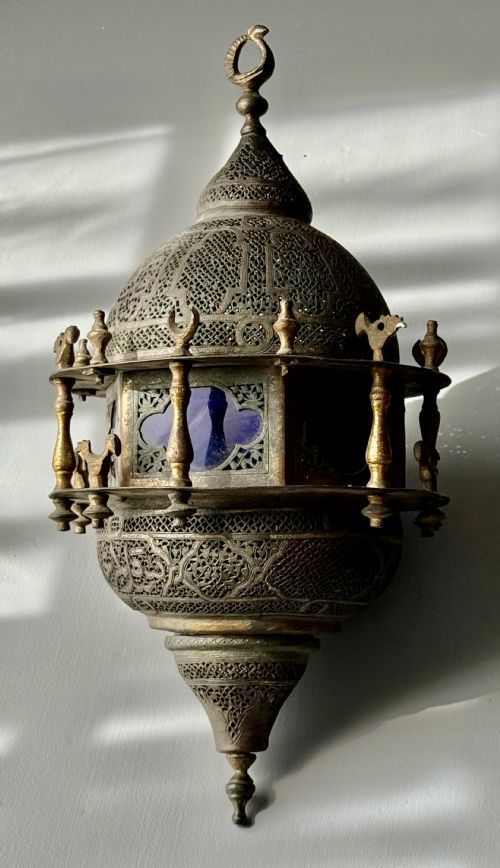
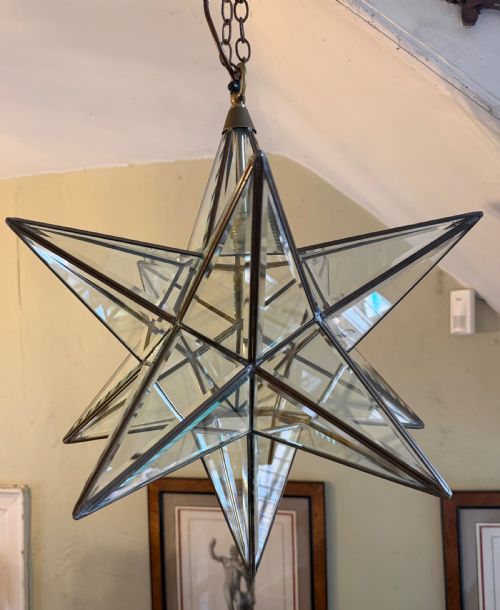
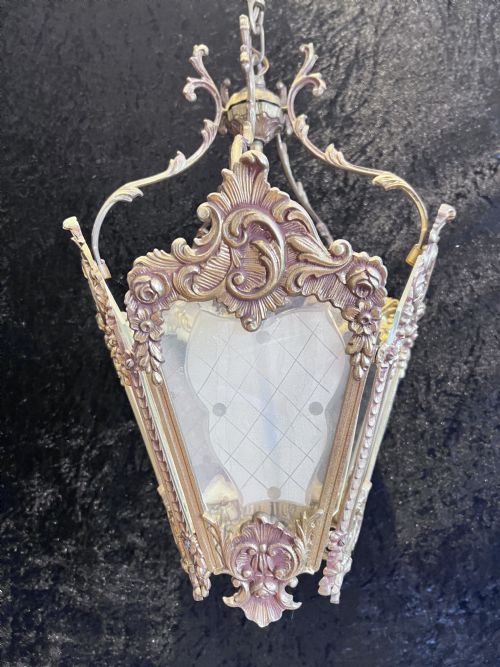
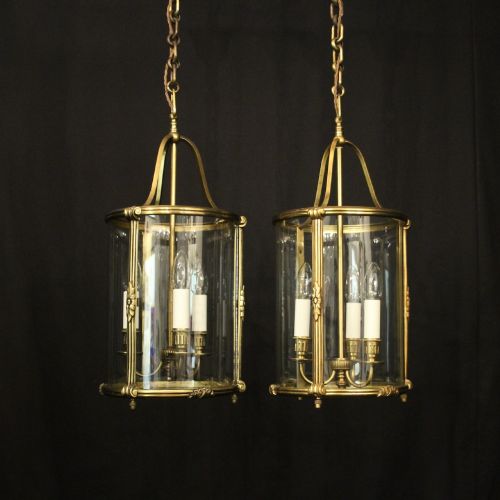
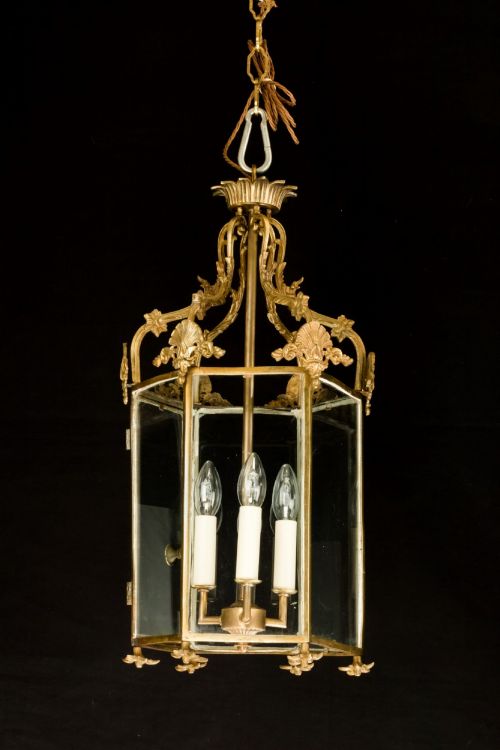
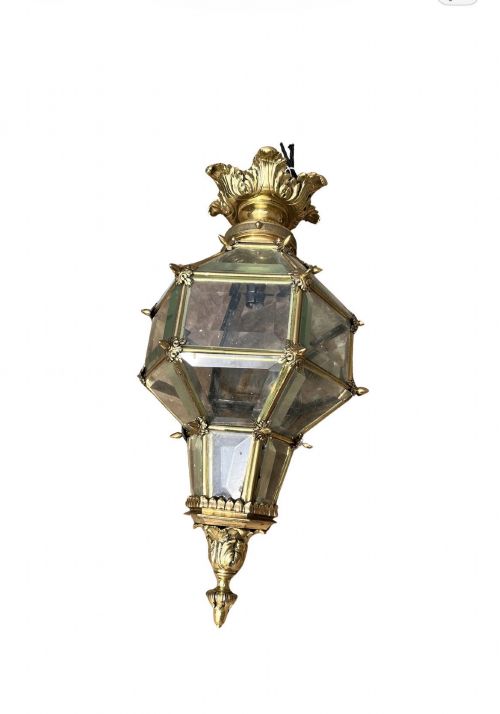
The objects take several distinct structural forms, ranging from simple geometric hexagons to multi-light gilded bronze fixtures and pierced metal vessels. You will frequently encounter French hall lanterns utilising convex or bevelled glass panes, alongside Moorish and North African pierced brass designs that cast intricate patterns of light.
These fixtures serve both functional and decorative purposes, originally created to illuminate transitional spaces within large homes. Surviving examples retain their architectural presence, whether rendered in bright polished brass, dark patinated bronze or heavily gilded metal.
How these fixtures were constructed
Maker workshops built these lanterns using sturdy frames of cast brass, bronze, or gilded metal soldered or bolted together to support heavy glass elements. Metalworkers employed casting, chasing, and piercing techniques to create decorative mounts, foliate scrolls, and intricate geometric fretwork.
Glaziers fitted the metal cages with bevelled, etched, convex, or moulded glass panes, securing them with internal clips or lead cames. Many pieces incorporated multi-light internal clusters or burners designed to distribute illumination evenly through the surrounding glass.
French design influences dominate the selection, including Louis XVI, rococo, and neoclassical styling alongside British Arts and Crafts examples.
Factors determining quality in hanging lanterns
Quality rests heavily on the weight and crispness of the metal casting, where sharply chased details and thick bronze or brass frames distinguish superior pieces from lighter, mass-produced alternatives. The quality of the glass panels matters equally, with bevelled, thick convex, or finely etched panes representing higher craftsmanship than plain flat glass.
The integrity of the original mercury gilding or bronze patination also dictates overall merit, as does the survival of matching original suspension loops, chains, and internal candle-arms. Pieces that retain their complex structural hardware without modern replacements hold greater architectural authenticity.
The Vintage Brass Chandelier Lantern Glossary
- Hall lantern
- A ceiling-hung lighting fixture specifically scaled for narrow entryways, corridors, and staircases. These pieces usually feature enclosed glass panels to protect the internal flame or bulb from drafts.
- Gilded bronze
- A metal object cast in bronze and subsequently coated with a thin layer of gold or gold-coloured leaf. This technique provides a rich, warm metallic lustre that resists tarnishing over decades.
- Bevelled glass
- Glass panes possessing ground and polished angled edges around the perimeter. This treatment catches and refracts light as it passes through the lantern panels.
- Convex glass
- Curved glass panels that bulge outward from the metal frame. This technique magnifies internal light sources and adds visual depth to the lantern silhouette.
- Ormolu
- French term for applied gold-coloured bronze mounts used extensively in neoclassical and rococo revival decorative arts. The finish mimics solid gold ornamentation on high-end lighting fixtures.
Vintage Brass Chandelier Lantern: Frequently Asked Questions
How do I hang a heavy brass lantern safely?
Suspension requires fixing the main support chain directly into a ceiling joist or heavy structural noggin using a rated steel ceiling hook. Avoid hanging substantial bronze or brass fixtures from standard plastic electrical boxes.
Electrical wiring should be threaded down through the central chain links and connected by a qualified electrician to ensure the ceiling mount supports the dead weight of the metal frame safely.
Can these antique lanterns be wired for modern electricity?
Most surviving hanging lanterns have already been converted to electricity during previous decades of use. Standard candle-tubes and bulb holders fit neatly inside the existing metal frames without altering the outer appearance.
An electrician can easily update older cloth or rubber wiring inside the fixture to modern safety standards while preserving the original brass canopy and chain.
How do I clean antique brass and glass panels?
Dust the metal frame gently with a soft dry cloth and avoid aggressive metal polishes that strip away aged patination or thin surface gilding. Lacquered brass requires only a damp cloth wiped across the surface.
Glass panels can be removed carefully from their holding tabs or cleaned in place using standard glass cleaner applied to a cloth rather than sprayed directly into the electrical fittings.
What is the difference between a chandelier and a hall lantern?
A chandelier typically consists of an open framework radiating multiple arms designed for general room illumination without protective side panels. Hall lanterns feature an enclosed cage of glass and metal designed specifically for transitional corridors.
Lanterns direct light downward and outward through protective panes, whereas chandeliers project exposed light freely across a larger living space or dining area.