


French Chateau Lantern
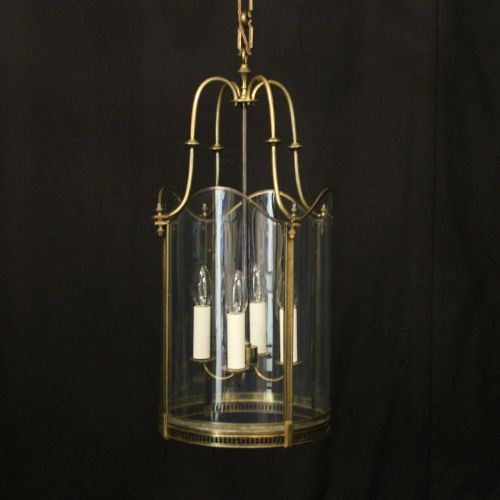
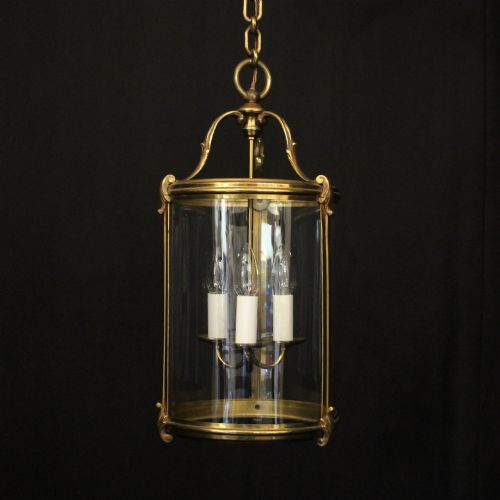
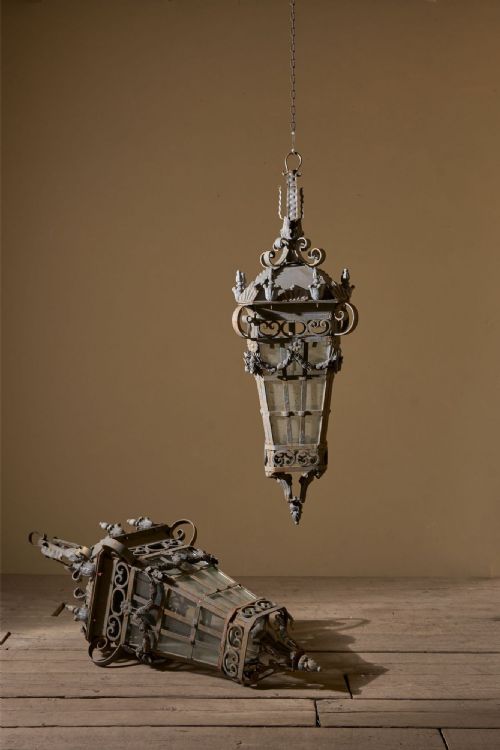
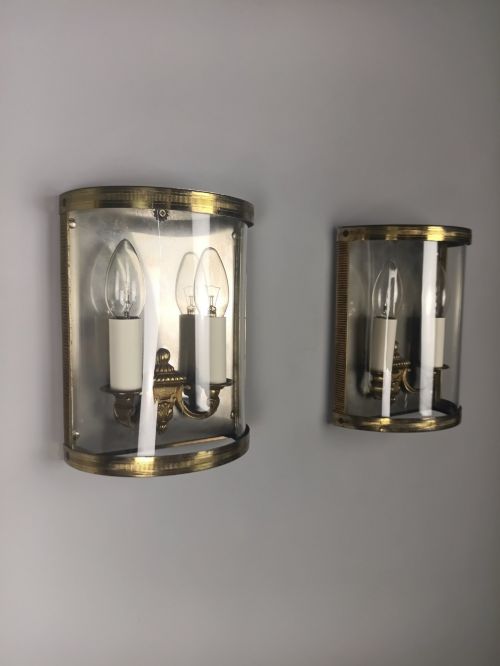
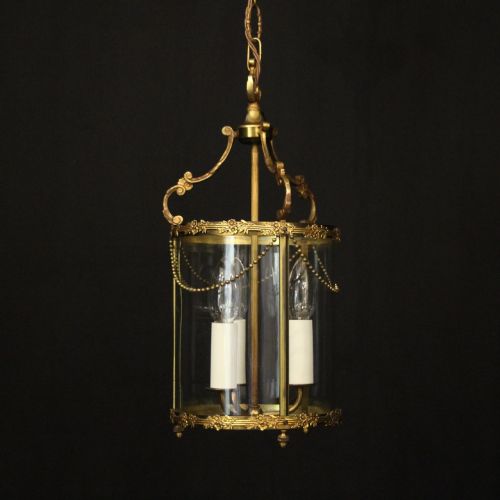
These French chateau lantern fixtures bring architectural presence and clear illumination to hallways and vestibules.

Identifying a French chateau lantern
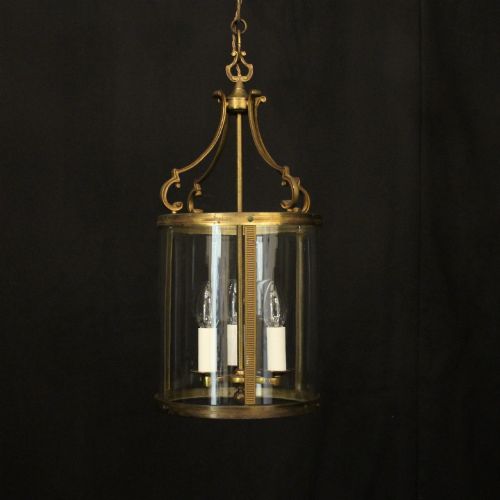
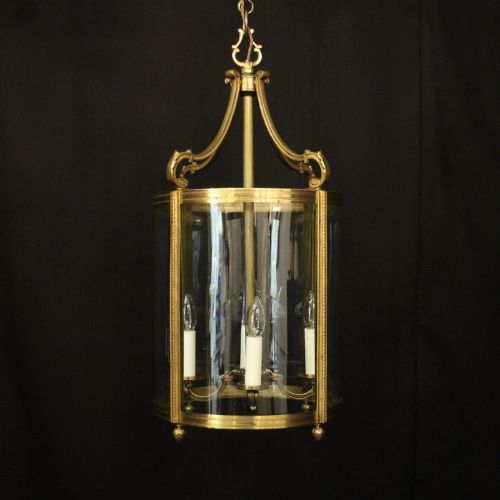
A French chateau lantern is an imposing hanging light fixture designed for high-ceilinged hallways and entrance spaces. Pieces appearing on this page date from the late nineteenth century up through the nineteen-thirties, spanning periods from eighteen-ninety to nineteen-thirty.
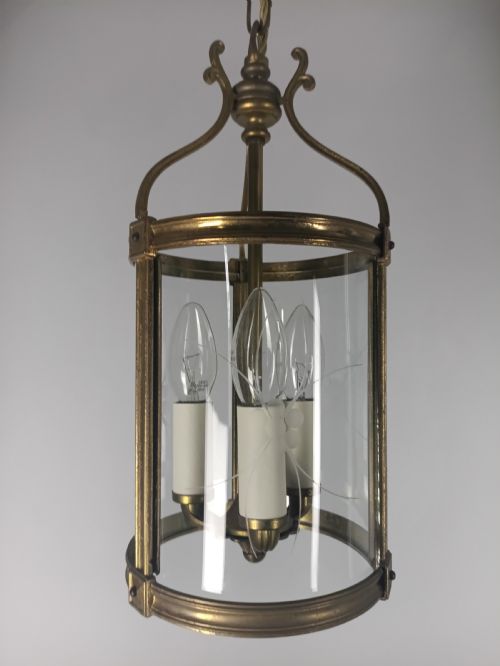
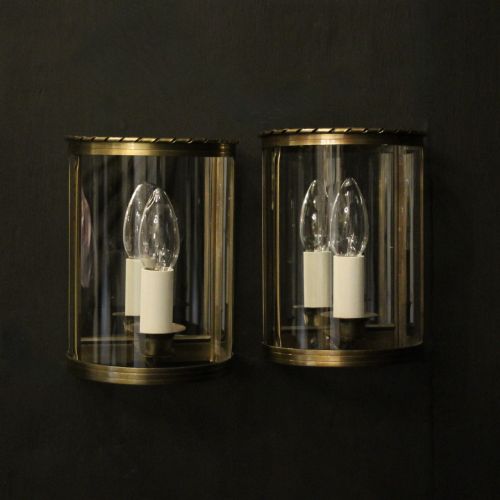
The dominant forms are pendant lights, ceiling lighting, and specific hall lantern configurations. These range from single light brass lanterns to substantial triple light versions housed in gilt brass and bronze frames.
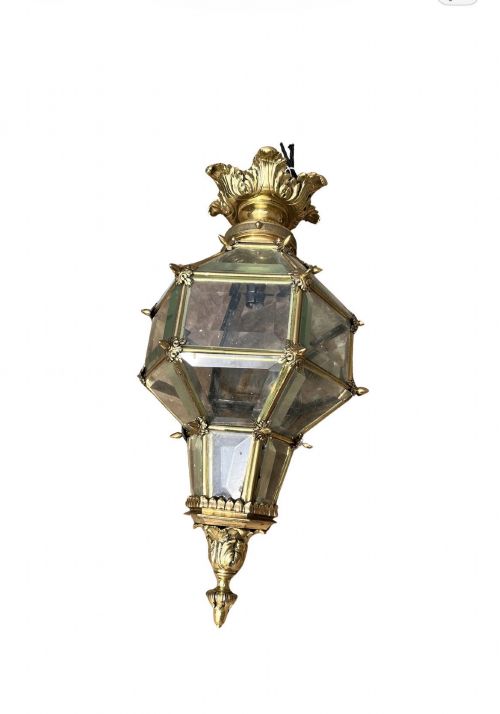
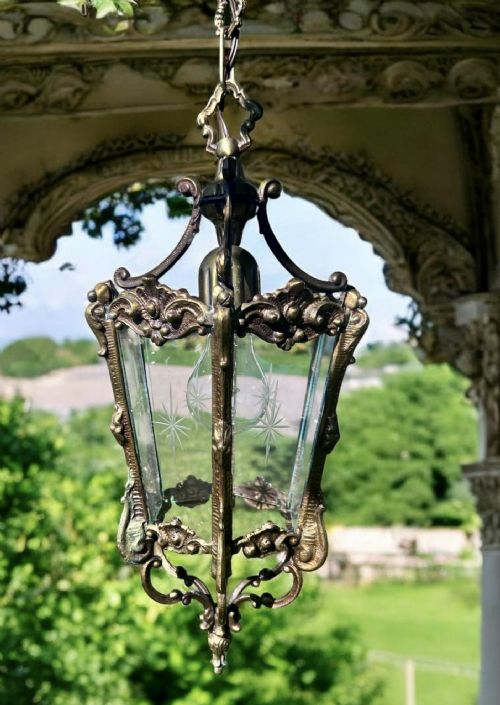
Design influences draw directly from historical French styling, specifically French Rococo and Louis XIV style aesthetics. A notable variant includes a gilt bronze and glass lantern modelled after Versailles design motifs.
Materials and construction
Metalwork forms the structural backbone of these fixtures, utilising brass, gilt brass, bronze, and gilt bronze. These heavy metal frames provide the rigid geometry necessary to secure large glass panels safely.
Glazing typically involves clear or etched glass, frequently shaped with convex curves to refract light outward. Metal components are cast and joined to support multi-bulb configurations within enclosed hanging frames.
Retail Price Guide 2026
Typical UK retail prices for french chateau lantern, calculated from the Sellingantiques database of over a million retail prices indexed since 2003. This retail price guide relies exclusively on Sellingantiques data; no external sources or auction records are used, so the figures do not describe the wider market.
Recorded styles include French Rococo and Louis XIV aesthetics alongside designs specifically referenced after Versailles.
Assessing quality and craftsmanship
Quality separates simple utility lighting from decorative statements through the weight of the cast metal and the crispness of the chasing on bronze and gilt brass surfaces. Finer examples display meticulous surface finishing that mimics grand interior metalwork.
The treatment of the glass panels further distinguishes pieces, where simple flat panes give way to convex or heavily etched surfaces. The integration of multi-light internal fittings rather than single-bulb setups also marks a more ambitious construction.
The French Chateau Lantern Glossary
- Convex glass
- Curved glass panels that bulge outward, designed to soften and diffuse the light emitted from internal bulbs while adding textural depth to the lantern profile.
- Gilt bronze
- Bronze metal treated with a thin layer of gold or gold-coloured alloy applied to the surface, offering a rich metallic sheen characteristic of formal French decorative arts.
- Hall lantern
- A hanging light fixture specifically proportioned for narrow entryways, corridors, and stairwells, typically featuring enclosed glass sides to protect the flame or bulbs from drafts.
- Louis XIV style
- A classical French design aesthetic defined by grand symmetry, heavy ornamentation, and authoritative architectural motifs that inspired later revival lighting.
Frequently Asked Questions
How do I date a brass lantern?
Dating relies on examining the casting techniques, the style of the metal alloy, and any accompanying construction markers typical of periods from eighteen-ninety to nineteen-thirty. Stylistic cues such as Louis XIV revival details also help place the piece within its era.
Later twentieth-century reproductions often lack the heavy hand-chased quality and substantial brass or bronze thickness found in authentic early pieces.
What is the difference between brass and gilt bronze?
Brass is an alloy of copper and zinc, valued for its bright metallic appearance and durability in structural frames. Gilt bronze involves a copper and tin alloy treated with a golden surface finish for heightened decorative effect.
Bronze generally permits sharper cast details and heavier structural stability compared to standard brass fixtures.
Can these lanterns hold modern electrical bulbs?
Most antique lanterns are adapted for modern electrical wiring to accommodate standard interior lighting requirements. Single light and triple light configurations can accept various bulb types depending on the internal socket assembly.
Professional rewiring is recommended to ensure safety and compatibility with contemporary household electrical circuits.