
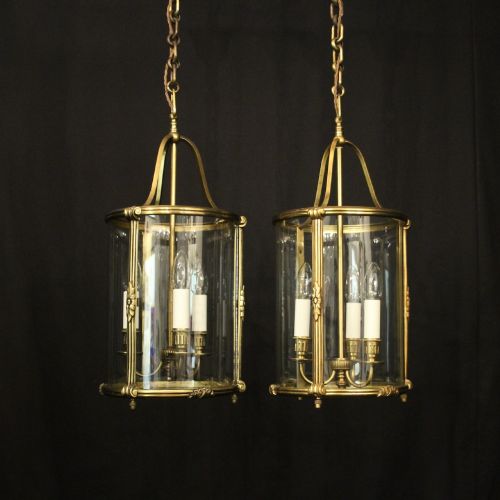
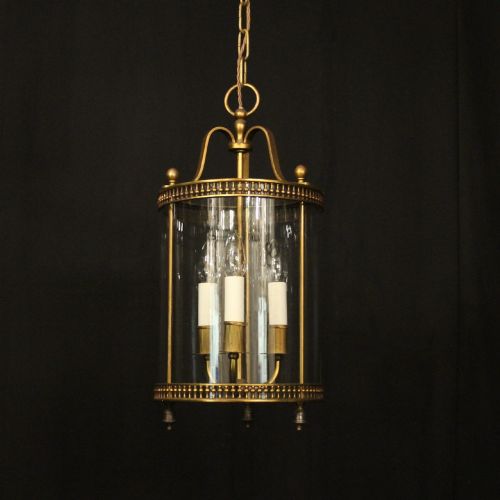
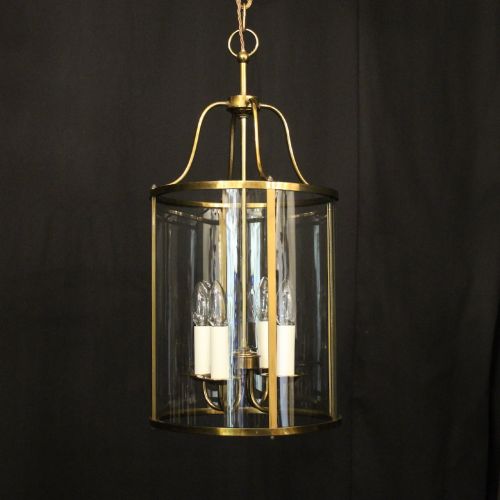
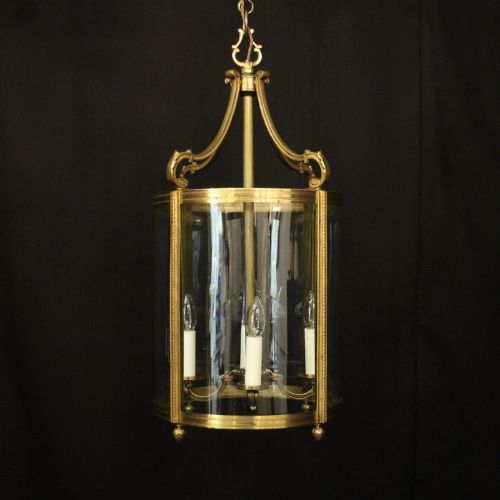


Brass Entry Lantern
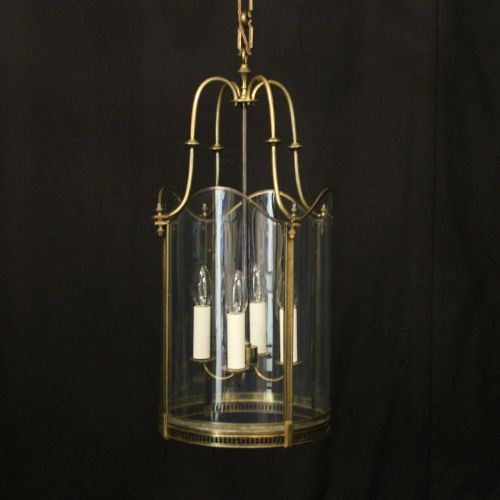
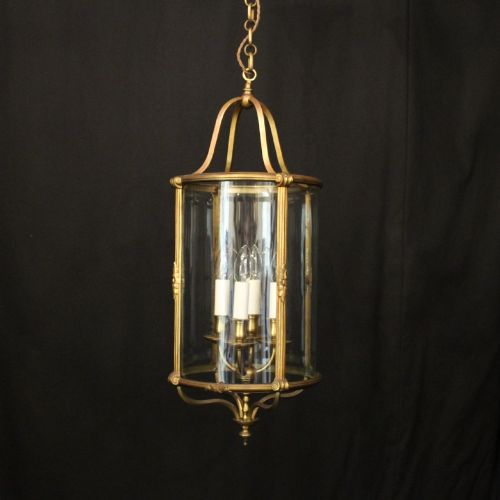
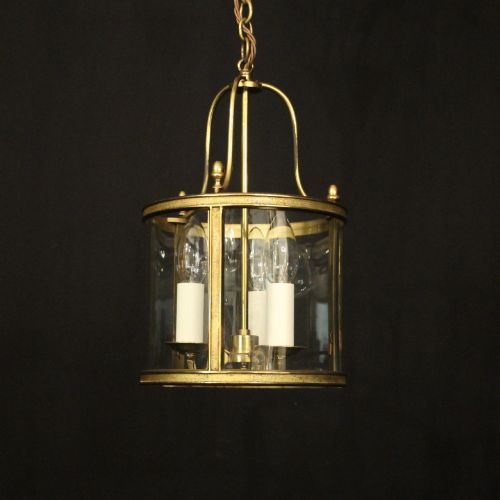
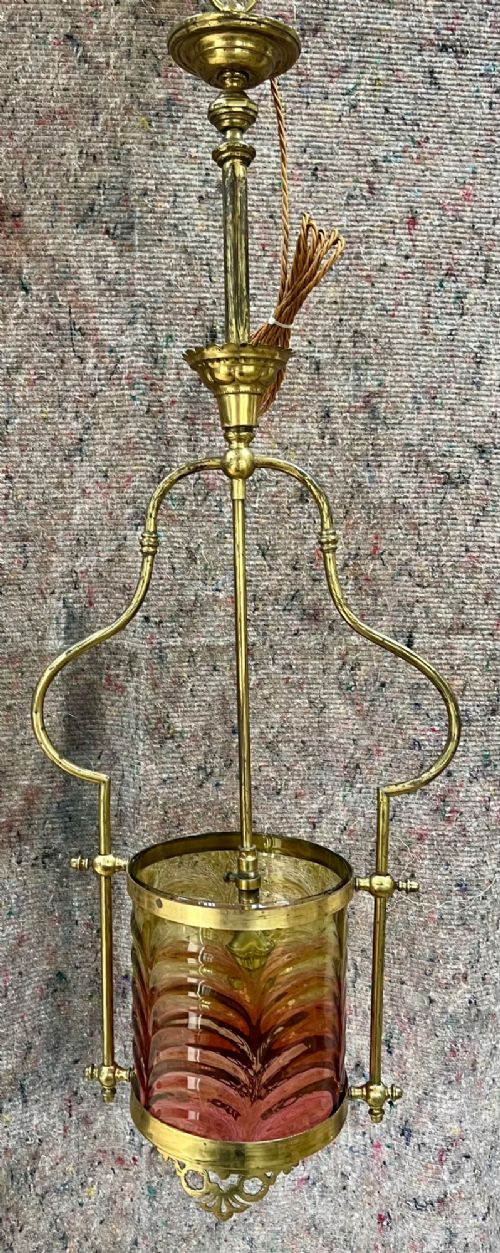
A brass entry lantern lights a hallway with distinct presence, cast in gilded bronze or polished brass to catch the eye.
Brass Entry Lantern
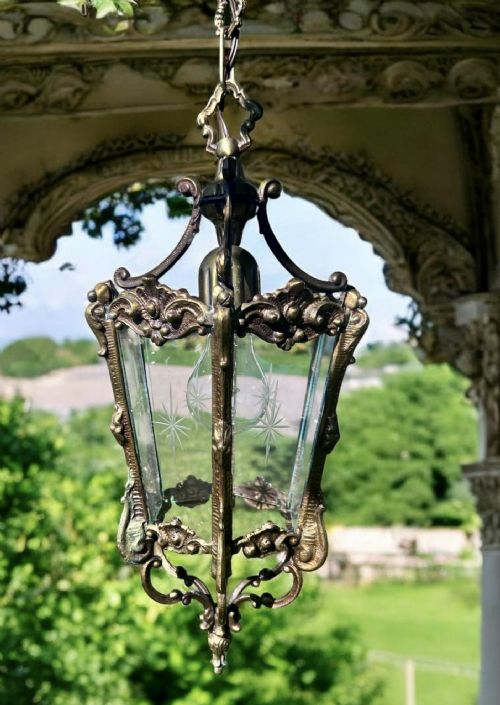
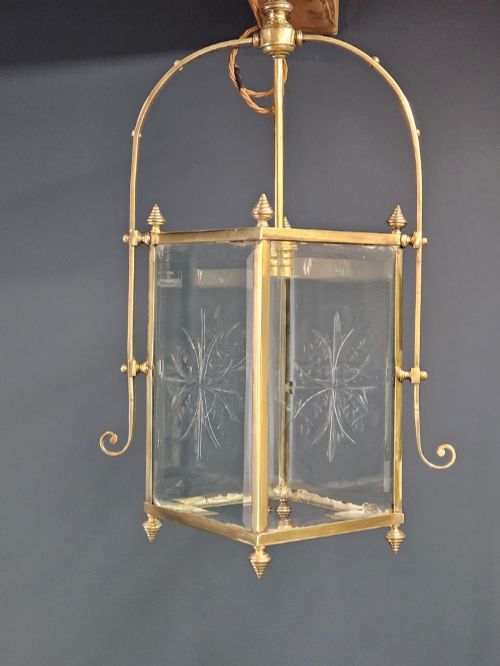
A brass entry lantern is typically designed as a ceiling light, pendant light, or hall lantern to illuminate corridors and entranceways. The pieces seen here stretch from the late nineteenth century through the Edwardian era and into the 1920s and 1930s. French chateau, neoclassical, rococo, and grand regency styles dominate the selection.
Most examples originate from French workshops, favouring gilded bronze, gilt brass, and solid brass frames paired with glass panes. Buyers frequently encounter single-light, triple-light, and four-light configurations housed in round, hexagonal, or convex shapes. English variants also appear, alongside arts and crafts and art deco interpretations.
Materials and construction
The primary structural material is brass, often cast as bronze or finished with gilding to impart a rich metallic sheen. Metalworkers formed frames by joining cast components or rolled brass sections, housing individual glass panes within the metal framework.
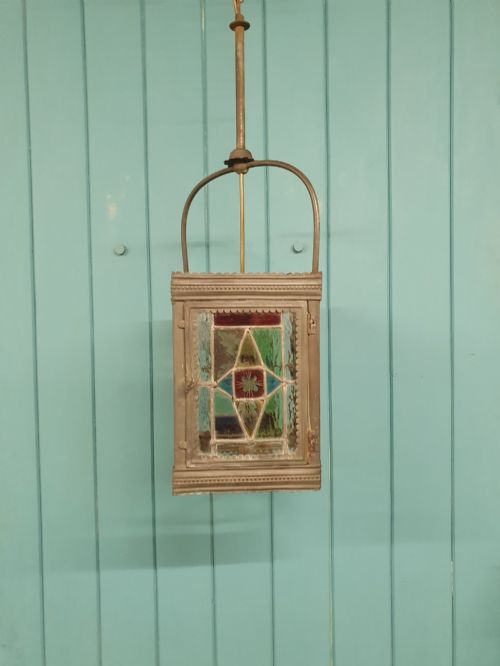
Glazing typically involves bevelled glass, cut glass, or leaded panels secured tightly into the metal structure. Many pieces incorporate decorative mounts, cast floral motifs, or rococo scrolls soldered or pinned directly to the main frame.
Several lanterns feature convex glass panes designed to make flickering candlelight look twice as large as it actually was.
What sets examples apart
Quality rests in the crispness of the metal casting and the depth of the original gilding applied to the bronze or brass. Finer pieces display sharply defined neoclassical or rococo ornamentation rather than soft, mass-produced surface detailing.
The choice and execution of the glass panels heavily influence the overall standard. Bevelled and thick cut glass plates demonstrate greater ambition than plain, flat panes held loosely within the frame.
The Brass Entry Lantern Glossary
- Hall lantern
- A ceiling-hung lighting fixture designed specifically for narrow spaces like corridors and entrances. These fixtures usually feature enclosed glass sides to protect the flame or bulb from draughts.
- Convex glass
- Curved glass panes that bulge outward from the metal frame. This technique distorts light softly and widens the visual presence of the lantern.
- Gilded bronze
- Bronze metal treated with a thin layer of gold leaf or gold paint. It combines the structural strength of bronze with a bright, warm surface finish.
- Bevelled glass
- Glass panes with edges cut and polished at an angle. This treatment creates prismatic light refractions when illuminated.
- Regence period design
- A French decorative style bridging the heavy baroque and lighter rococo movements. It relies on symmetrical curves and restrained classical motifs.
Brass Entry Lantern: Frequently Asked Questions
Where should I hang a brass entry lantern?
These lanterns suit entrance halls, corridors, and high-ceilinged vestibules where pendant lighting anchors the room. Their enclosed glass designs direct illumination downward while casting a warm glow across the walls.
Ensure you measure the ceiling height and clearance needed for foot traffic underneath. Many multi-light examples command visual attention and work best as the primary focal point of a hallway.
How do I date a brass entry lantern?
Dating relies on stylistic clues, construction methods, and the specific metal finishes used by the maker. Late nineteenth-century pieces often display heavy regence or rococo revival details, whereas 1920s and 1930s versions lean toward cleaner lines or simpler geometric frames.
Examine the fixings, wiring channels, and glass cutting styles for period manufacturing traits. French pieces from the interwar decades frequently feature substantial gilded bronze castings.
Are these lanterns wired for modern electricity?
Most antique lanterns have been adapted for modern electrical circuits during their lifetime. It is sensible to have a qualified electrician inspect the internal wiring and bulb fittings before installation.
Original internal sockets and wiring are rarely left intact on working period fixtures. Modern replacement components can be fitted discreetly inside the frame to preserve the exterior appearance.