

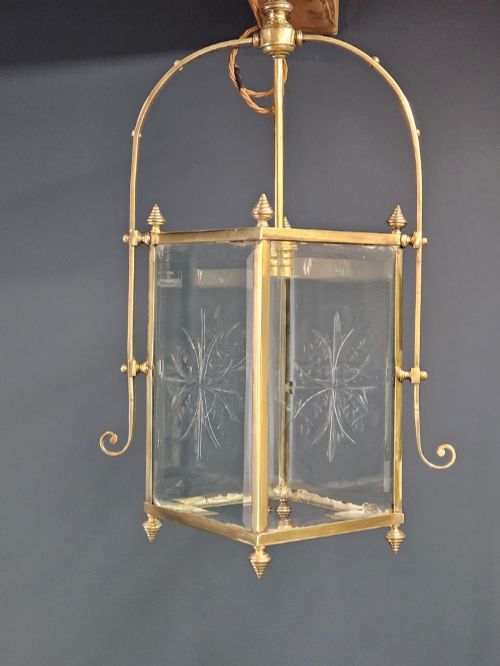
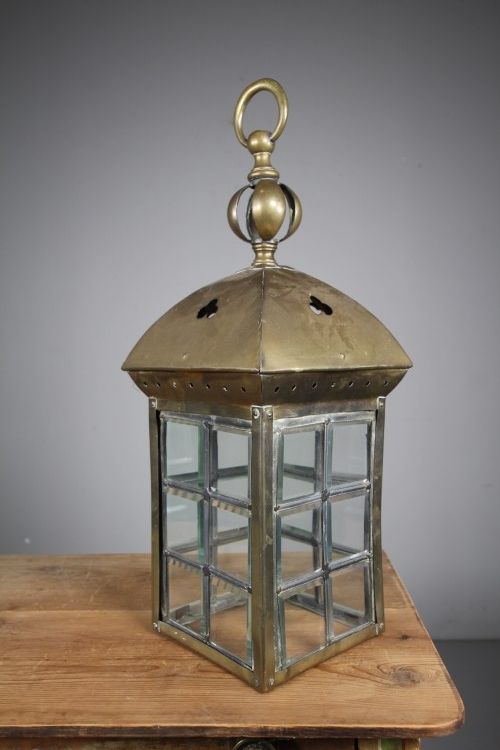
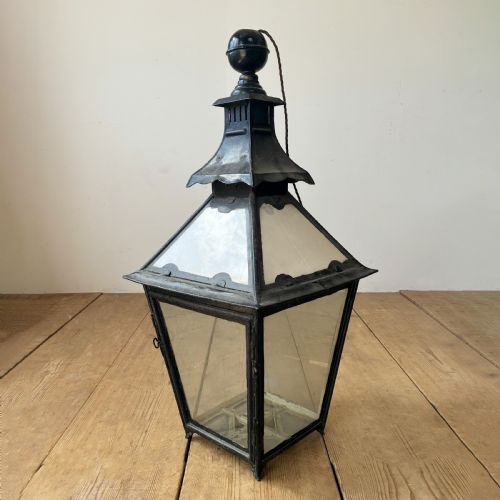
Antique Porch Lantern Pendant
An antique porch lantern pendant brings weight and warm illumination to an entrance, casting a disciplined historical light.
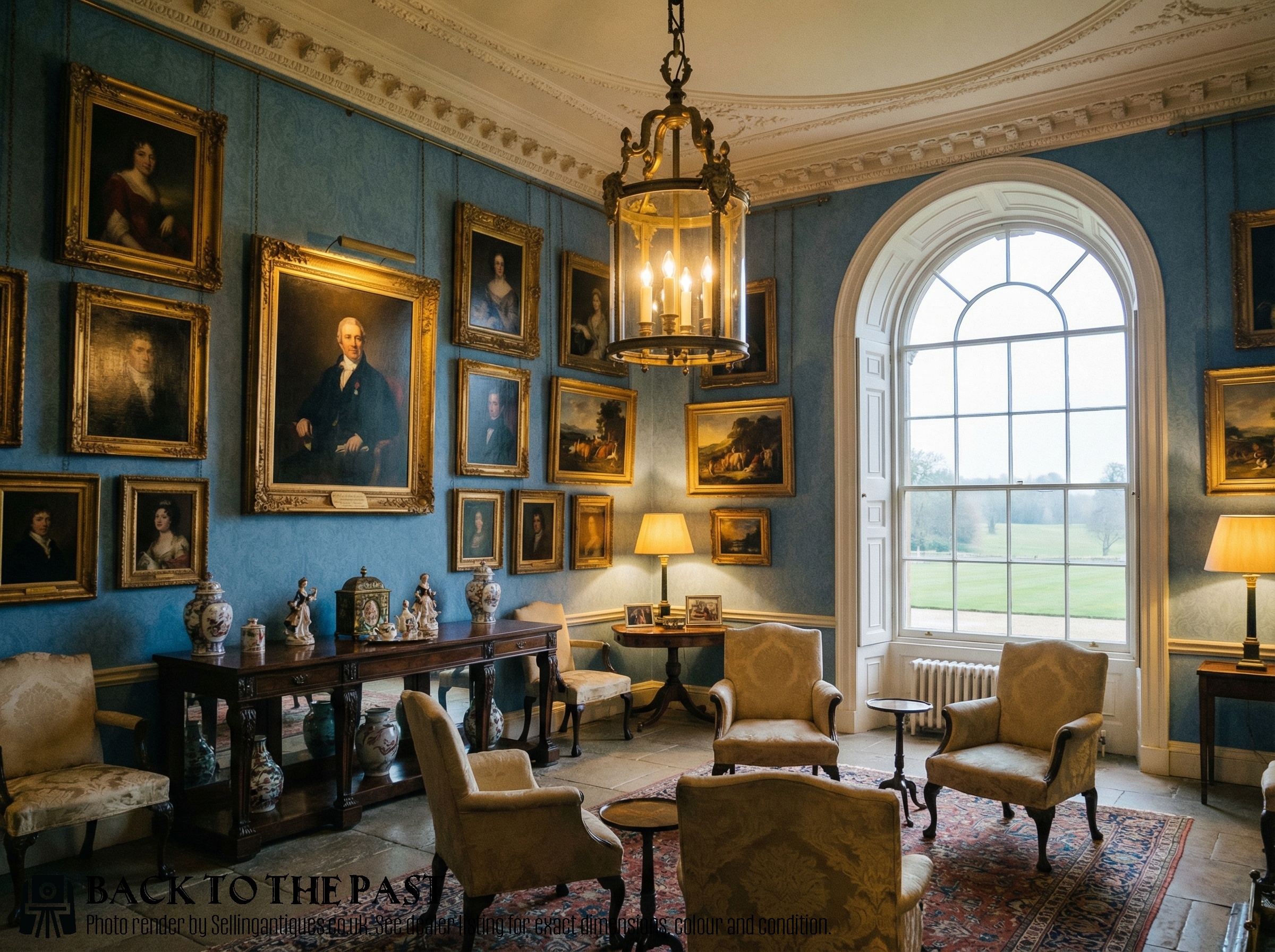
Antique Porch Lantern Pendant
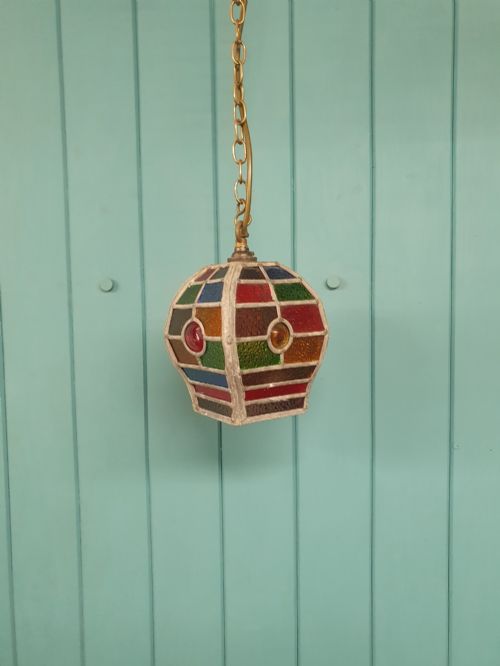
An antique porch lantern pendant provides functional overhead exterior and transitional hallway illumination. These hanging fixtures range from compact domestic lights to substantial country house lanterns.
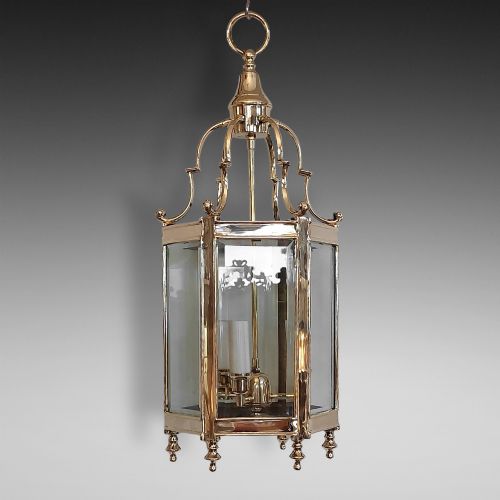
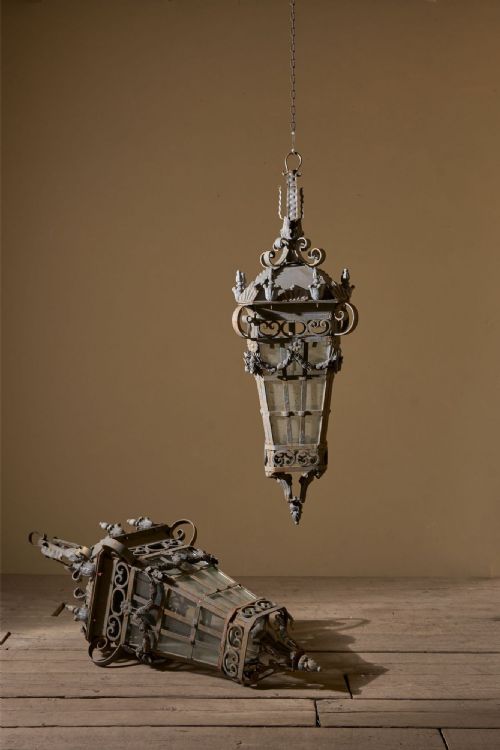
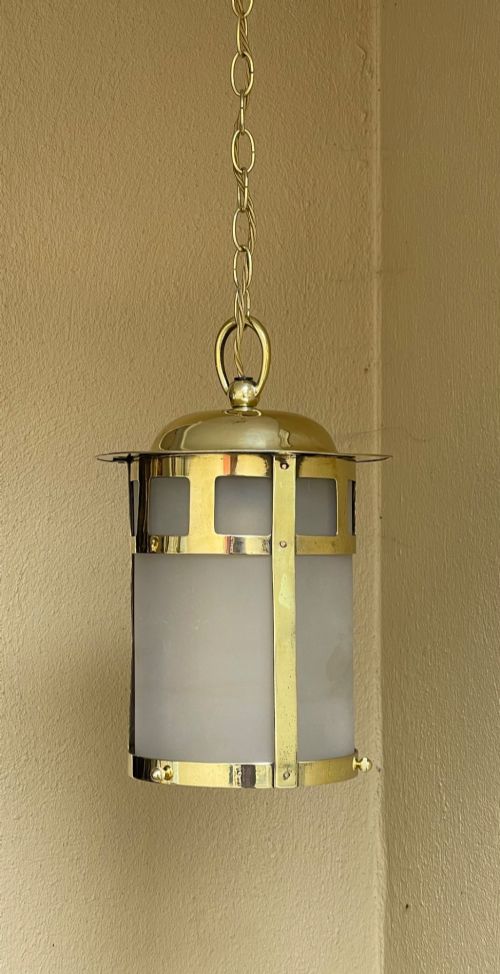
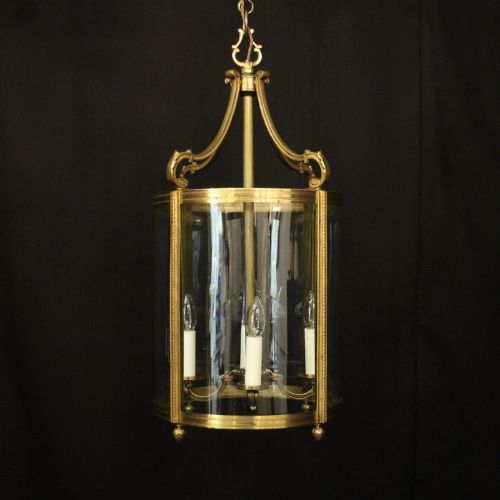
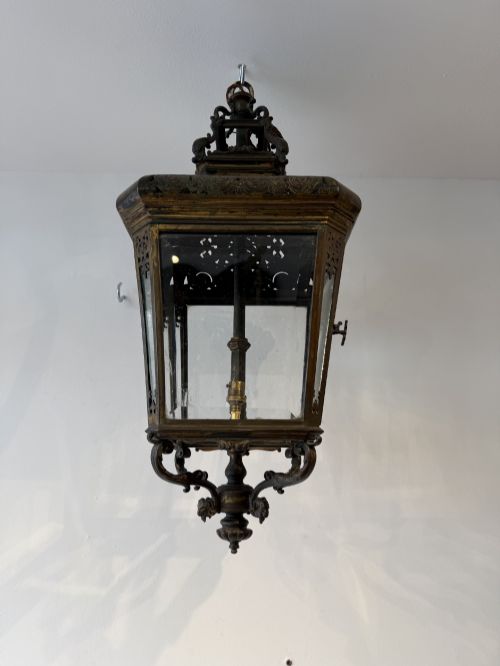
The pieces appearing on this page mostly span the Victorian, Edwardian, and early twentieth-century periods. Brass frames and glass panels dominate the selection, alongside robust copper, bronze, and iron examples.
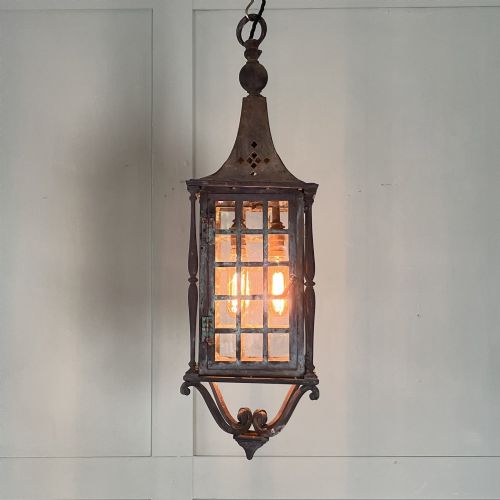
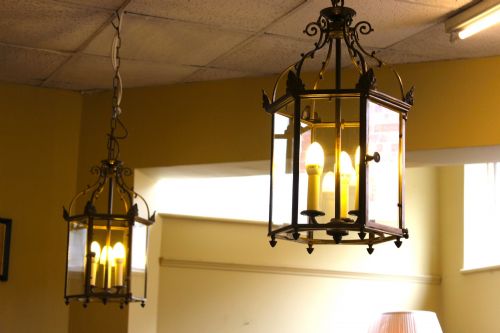
Makers and designers drew on distinct idioms including Gothic Revival, Arts and Crafts, and French styles. Buyers encounter both single hanging lights and matched pairs suited for symmetrical architectural placement.
Materials and construction methods
Makers constructed these lanterns using durable metals suited to sheltered exterior or hallway positions. Brass, copper, bronze, and iron provide the structural framework, often joined with lead cames holding individual glass panels.
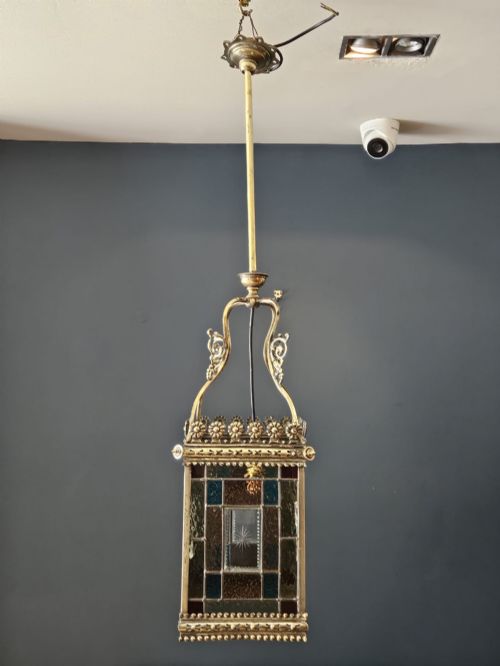
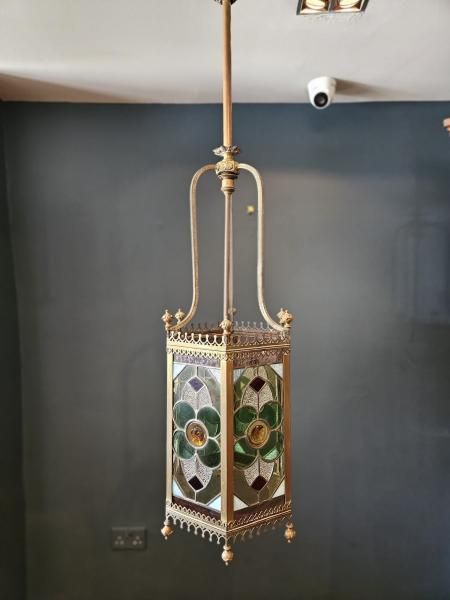
Surface treatments and assembly techniques reflect the period of manufacture, from blacksmith-wrought iron to cast and gilded bronze. Leaded and stained glass inserts diffuse the internal light source while protecting it from drafts.
Listings span from the nineteenth century through the 1940s, featuring brass, copper, iron, bronze, and leaded glass.
Evaluating the standard of execution
Quality rests in the heaviness of the metal gauge and the precision of the frame assembly. Superior lanterns display crisp casting, tight structural joints, and carefully soldered leaded glass rather than flimsy stamped components.
Artistic ambition also separates standard production from exceptional work. Pieces referencing specific design movements like Gothic Revival or incorporating bespoke decorative motifs command greater visual presence.
Pugin·Voysey
The Antique Porch Lantern Pendant Glossary
- Pendant
- A light fixture suspended from the ceiling by a chain, rod, or cord. This format positions the illumination precisely where needed in hallways and porches.
- Leaded glass
- Individual pieces of glass held together within lead cames. This technique creates geometric or figurative patterns common in period lanterns.
- Gothic Revival
- An architectural and decorative style drawing on medieval forms. Pieces in this idiom feature pointed arches and heavy ecclesiastical proportions.
- Arts and Crafts
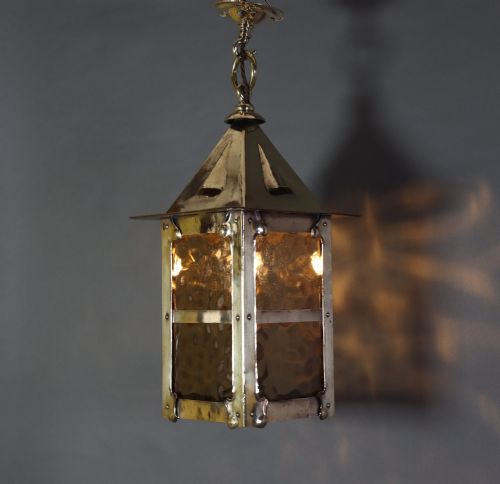
- A design movement prioritising handcraft and honest materials. Lanterns from this tradition emphasise simple construction and visible metalwork.
- Hexagonal
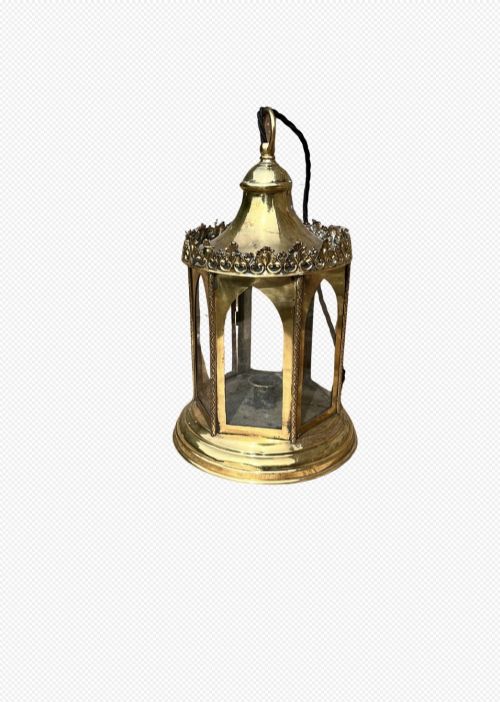
- A six-sided geometric form frequently used for lantern bodies. This shape allows multiple glass panels to distribute light evenly in all directions.
Antique Porch Lantern Pendant: Frequently Asked Questions
Where should an antique porch lantern pendant hang?
These fixtures suit covered entrance porches, vestibules, and grand hallways with sufficient ceiling height. They create an immediate historical impression upon entering a property.
Ensure the hanging height allows comfortable clearance beneath while positioning the light source to illuminate pathways and doorways effectively.
How do I identify a Victorian lantern?
Victorian examples frequently incorporate heavy brass framing, elaborate Gothic Revival details, or rich leaded glass panels. Their proportions tend to be substantial and ornate.
Compare the construction methods and decorative vocabulary against known nineteenth-century design patterns to confirm the period.
Can these pendants be used outdoors?
Most antique lanterns were designed for sheltered exterior porches or interior hallways rather than exposed wet locations. Weatherproofing standards differ from modern exterior lighting.
Consult a qualified electrician regarding modern wiring safety and placement under protected outdoor overhangs.
What defines an Arts and Crafts lantern?
Arts and Crafts pieces focus on honest construction, visible handcraft, and simpler materials like copper and wrought iron. They eschew excessive ornamentation in favour of form.
Look for hammered metal surfaces and straightforward geometric frames that celebrate the work of the blacksmith or metalworker.