




Victorian Bronze Dog
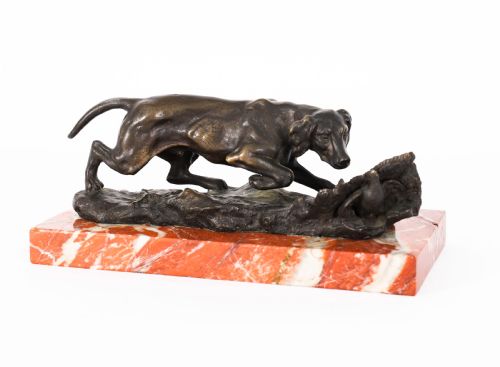
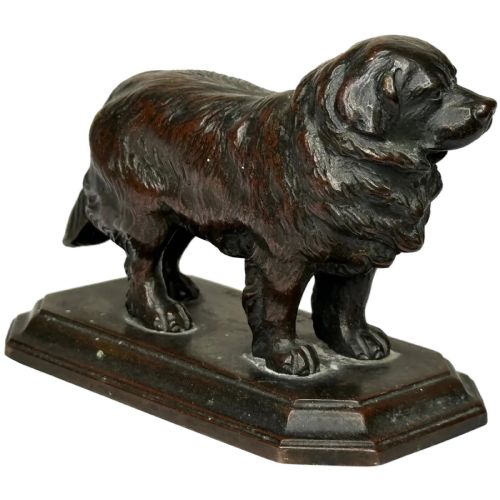
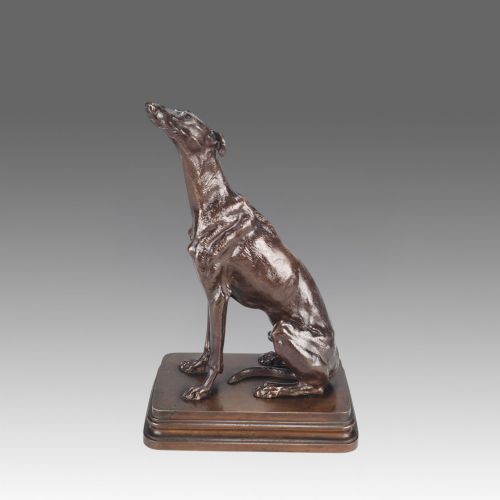
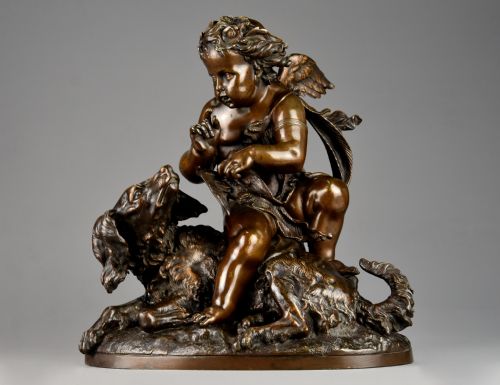
A victorian bronze dog captures the faithful spirit and sturdy build of hounds and sport dogs in enduring metal.
What They Are
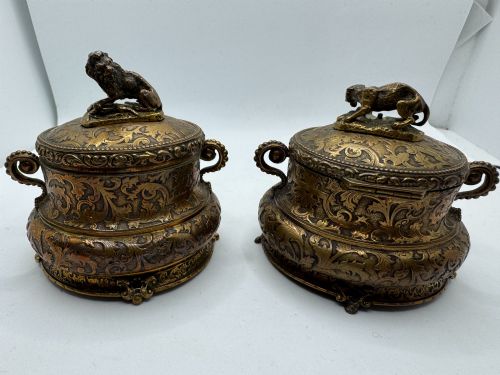
When searching for a victorian bronze dog, a buyer encounters solid metal animal sculptures and decorative figurines representing various canine breeds. These pieces capture hounds, terriers, and sporting dogs in natural poses.
Makers ranged from French studios to Austrian foundries, producing both standalone desk ornaments and larger sculptural groups. Each figure reflects the period fascination with realistic animal anatomy and character.
How They Were Made
Foundries cast these figures using the lost-wax method or sand casting in solid bronze. Artisans then finished the metal surface with cold patination or gilding to enhance texture and detail.
Sculptors paid close attention to musculature, fur, and posture, capturing the distinct traits of each breed. Casts often bear patinas ranging from dark brown to warm golden tones.
Retail Price Guide 2026
Typical UK retail prices for victorian bronze dog, calculated from the Sellingantiques database of over a million retail prices indexed since 2003. This retail price guide relies exclusively on Sellingantiques data; no external sources or auction records are used, so the figures do not describe the wider market.
Listings feature bronze dog sculptures from the nineteenth and early twentieth centuries, spanning French animalier works and Austrian cold-painted novelties.
What Varies in Quality
Quality rests in the fidelity of the casting and the crispness of the chasing work on the bronze surface. Finer examples retain sharp details in the fur and expression without softening from worn moulds.
Artistic attribution and foundry signatures elevate a piece, distinguishing standard decorative door stops from signed works by notable animalier sculptors.
Alfred Dubucand·Jules Moigniez·Pierre-Jules Mêne·Stephan Buchinger
The Victorian Bronze Dog Glossary
- Animalier
- A nineteenth-century artistic movement focused on the realistic depiction of animals. Sculptors in this style studied live subjects closely to capture movement and anatomy.
- Cold patinated
- A method of applying colour or chemical finish to bronze without heat. This technique allowed for vibrant, multi-coloured surfaces on small Austrian figures.
- Lost-wax casting
- A traditional metalworking process where a molten bronze pour replaces a wax model inside a mould. This allowed for intricate undercut details in sculptural work.
- Chasing
- The manual refinement of a raw bronze casting using small punches and hammers. Skilled artisans used this process to sharpen textures and remove casting flaws.
Frequently Asked Questions
What is an animalier bronze?
An animalier bronze is a nineteenth-century sculpture focused specifically on realistic animal forms. These works celebrate the natural movement and distinct anatomy of various species.
Artists observed animals in motion, resulting in lively figures of dogs, horses, and wild beasts captured in bronze.
How do I identify the period?
Period identification relies on casting techniques, patination styles, and stylistic markers typical of the nineteenth century. Examining the wear on the bronze underside also offers clues.
Makers often included signatures or foundry marks directly on the bronze base, which helps date the piece accurately.
Where were these bronzes made?
Production centred primarily in France, Austria, and England during the Victorian era. Each region developed distinct characteristics in casting and surface finish.
French foundries often produced refined sculptural groups, while Austrian workshops specialised in colourful cold-painted novelties.
How do I care for bronze?
Bronze requires minimal maintenance beyond gentle dusting with a soft, dry cloth. Avoid using harsh chemical cleaners that can strip the original patina.
Keeping the metal in a stable environment protects the surface finish from moisture and humidity.