
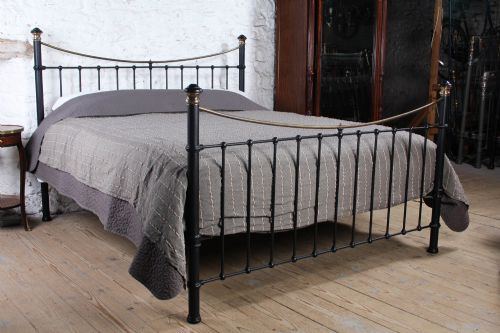


Victorian Brass Top Bedstead
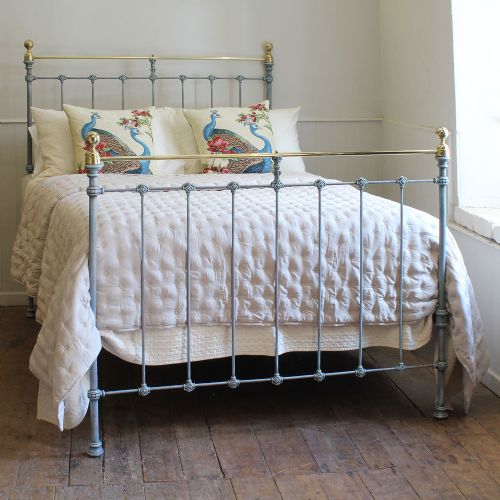
A victorian brass top bedstead combines polished metalwork with robust iron frames, offering a striking centrepiece for a period bedroom.
Victorian Brass Top Bedstead
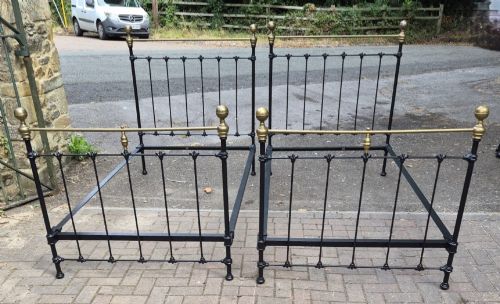
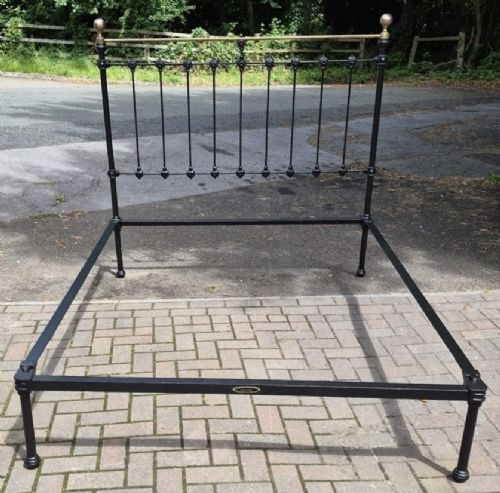
A victorian brass top bedstead brings together traditional iron framing and bright metalwork, appearing across single, double, king, and super king sizes. Buyers encounter pieces from the nineteenth century alongside later examples from nineteen hundred and nineteen ten.
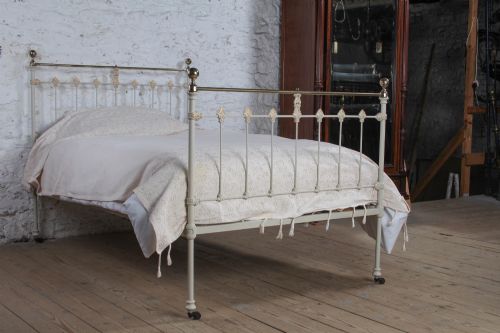
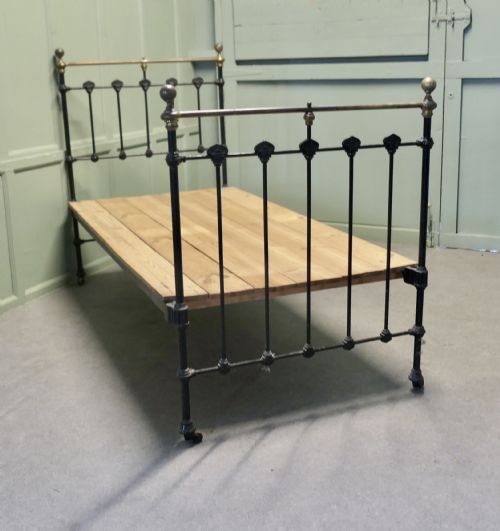
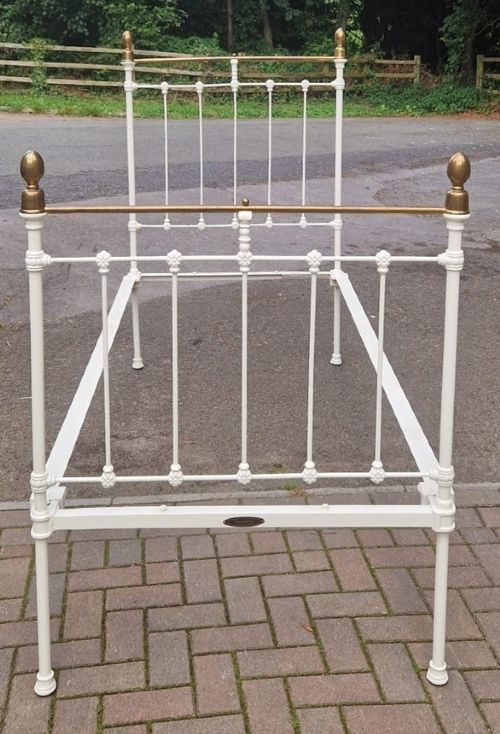
The selection ranges from classic straight rail designs to dip rail configurations and no end variants. Many examples incorporate ornate brass detail and cast iron frameworks finished in black or white paint.
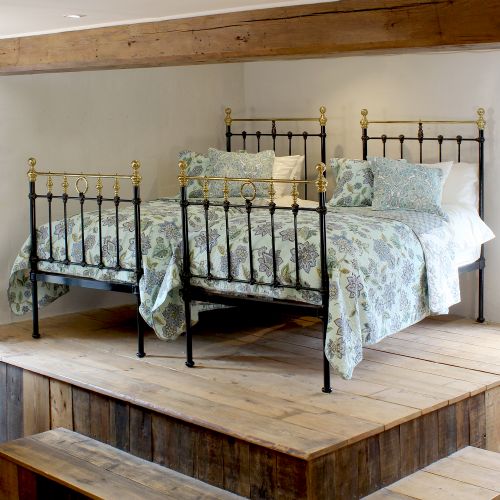
Makers and workshops produced these frames to accommodate various domestic requirements, including pairs suitable for joining and models featuring original castors. The forms span the Victorian and Edwardian eras, reflecting enduring preferences for combined metal construction.
Materials and construction methods
Makers built these bedframes using durable combinations of brass, cast iron, and wrought iron. The primary structure typically relies on heavy iron for stability, while brass components provide decorative top rails and finials.
Castings add ornamental detail to the corners and junctions of the frame. Finished surfaces frequently utilise applied paint in black or white alongside polished metal elements.
Several beds come with rings, presumably so the occupants could hang on tightly during particularly energetic nineteenth-century nightmares.
Distinguishing quality in period bedsteads
Quality reveals itself in the crispness of the brass castings and the structural integrity of the iron joints. Finer examples display harmonious proportions between the heavy metal framing and the decorative brass elements.
The standard of the original finish and the retention of authentic components, such as manufacturer fittings or matching castors, separate standard items from superior pieces.
Heals
The Victorian Brass Top Bedstead Glossary
- Dip rail
- A headboard or footboard rail that curves downward in the centre. This configuration softens the profile of the bedstead.
- Castings
- Decorative metal components poured in moulds and fixed to the frame. They provide ornamental detail at structural joints.
- Straight rail
- A horizontal top bar without curves or dips. This linear form defines a clean architectural silhouette.
- No end bed
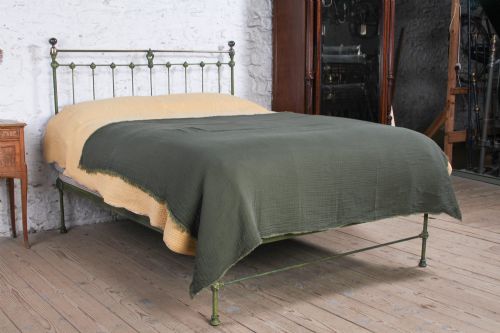
- A bedstead lacking a high footboard, featuring only a headboard. This design suits rooms with limited space at the foot of the bed.
- Castors
- Small wheel attachments fitted to the base of the legs. They allow the heavy iron frame to move smoothly across floor surfaces.
Victorian Brass Top Bedstead: Frequently Asked Questions
What sizes are available in these bedsteads?
These bedframes span single sizes, doubles, three quarter queen sizes, king sizes, and super king dimensions. The variety accommodates both compact guest rooms and larger master bedrooms.
Widths and lengths vary according to the original nineteenth and early twentieth century domestic standards. Buyers should verify specific mattress dimensions before fitting a modern mattress.
How do I distinguish Victorian from Edwardian frames?
Victorian pieces generally date from the mid to late nineteenth century, displaying robust cast iron construction and substantial brass ornamentation. Edwardian examples often date from nineteen hundred to nineteen ten, tending towards lighter profiles and refined dip rail designs.
Both periods utilise similar materials, but stylistic shifts lean towards airier visual compositions in the later Edwardian era.
Can I use a modern mattress on these beds?
Most antique metal bedframes accept modern mattress sizes once appropriate modern slats or base supports are fitted. The standard length of nineteenth century beds can occasionally differ slightly from contemporary norms.
Checking the internal dimensions between the side rails ensures a secure fit for standard modern bedding.
Are pairs of single beds common?
Matching pairs appear regularly within these listings, often featuring identical cast iron frames and brass decoration. Some single pairs are specifically constructed so they can be joined together.
Such configurations offer flexible sleeping arrangements while maintaining a cohesive aesthetic in a shared bedroom.