
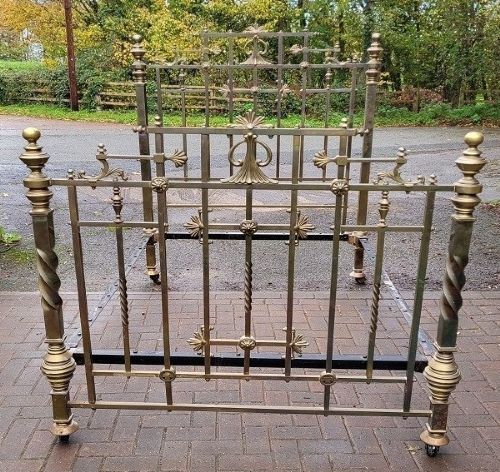
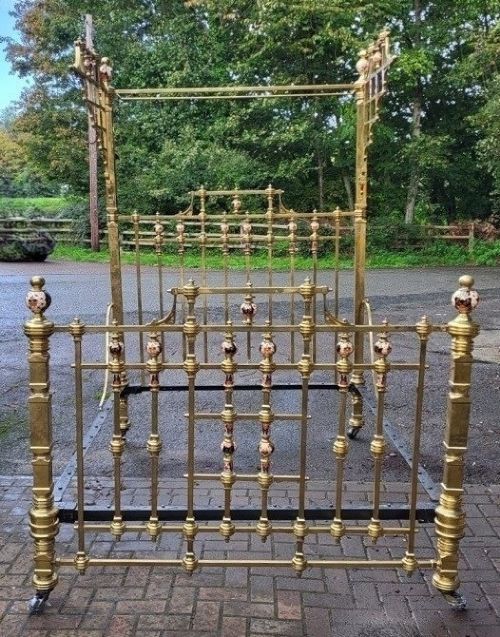
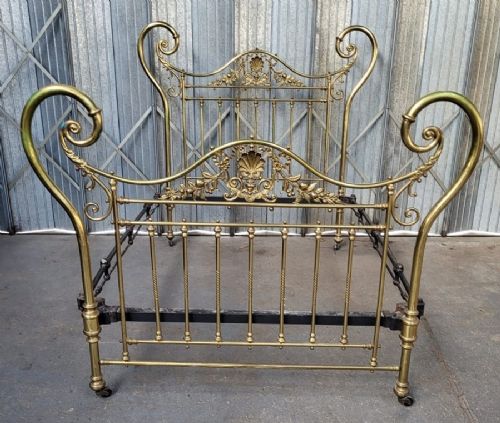
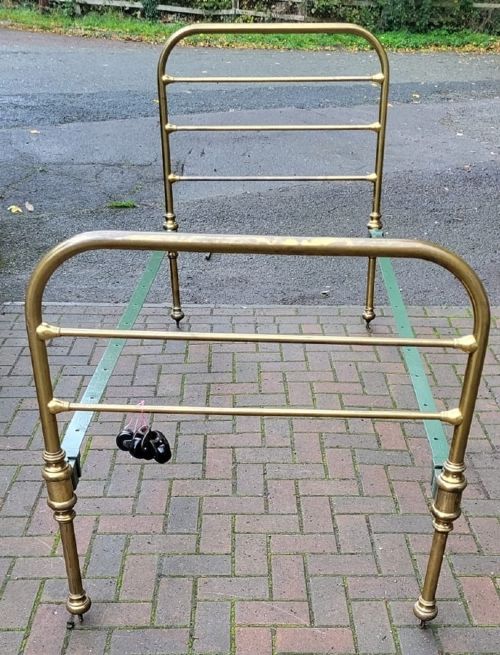

Victorian Brass Metal Bedstead
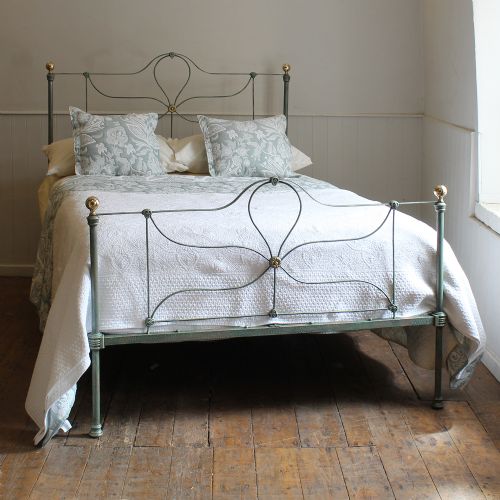
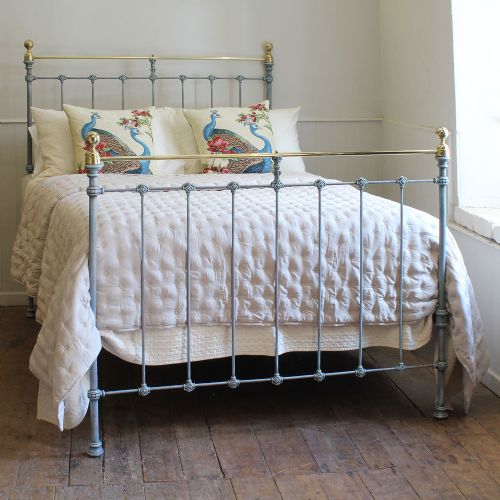
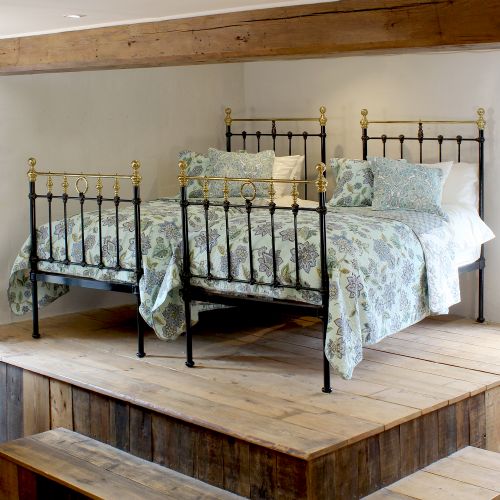
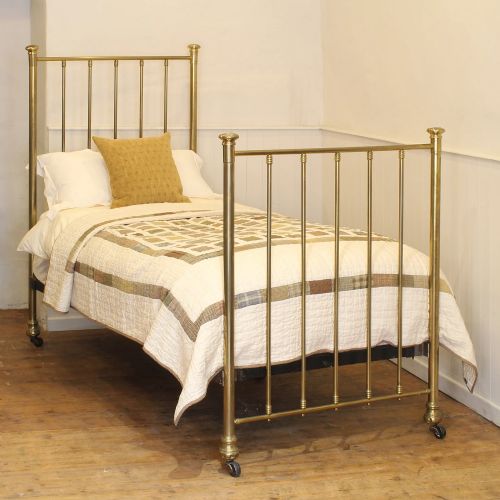
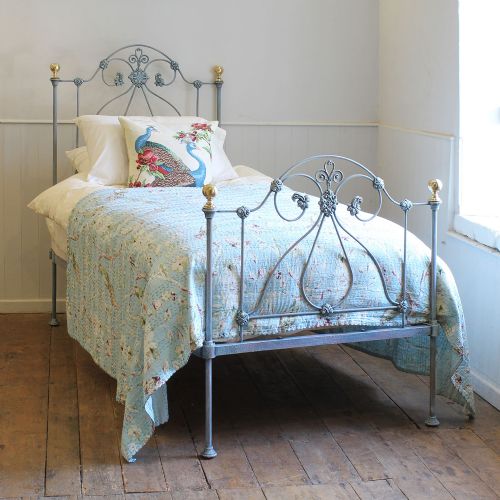
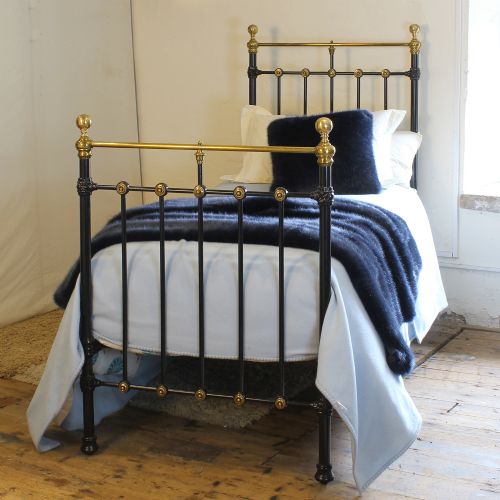
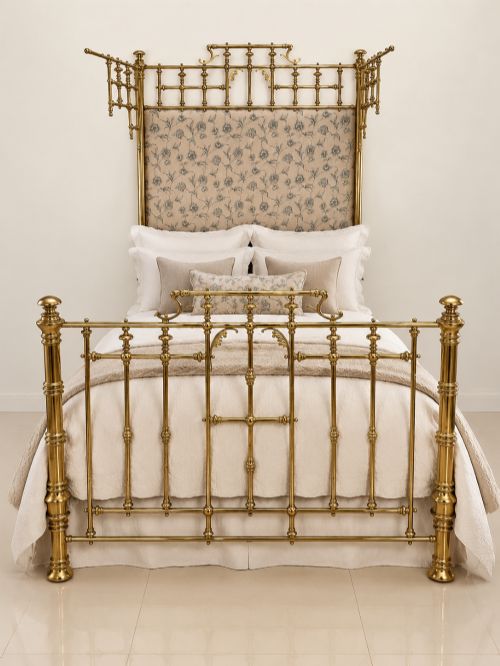
A victorian brass metal bedstead brings substantial presence and robust nineteenth-century construction directly into a modern bedroom.
Victorian Brass Metal Bedstead
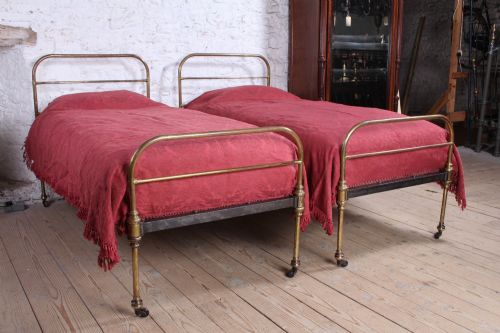
A victorian brass metal bedstead encompasses robust double, king size, and super king formats alongside smaller single and three-quarter options designed for nineteenth-century domestic spaces. These frames emerge primarily from the Victorian and Edwardian eras, spanning years from eighteen sixty through to nineteen ten.
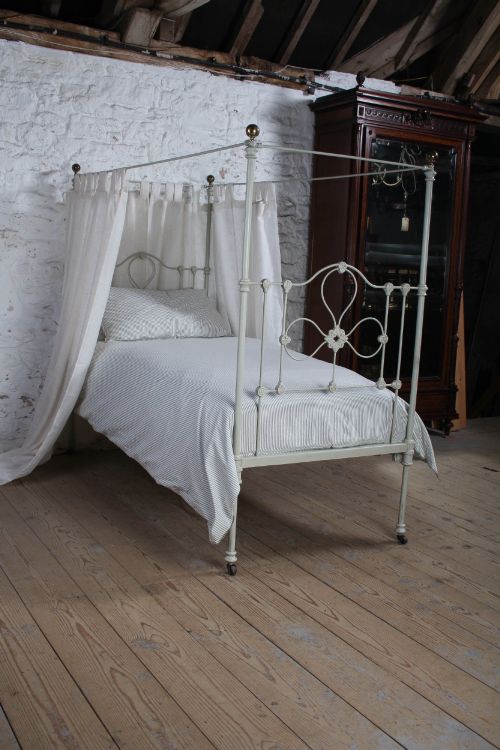
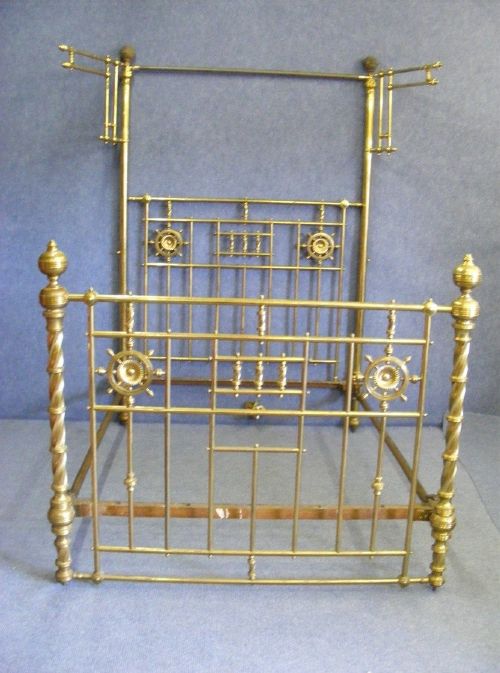
The configurations vary from simple single beds to grand half tester frames and ornate gothic revival designs. Buyers frequently encounter combinations of polished brass and painted iron framework set upon original castors.
Specialised items such as rocking cots or cribs also appear alongside standard bed frames, offering diverse options for period interiors.
Materials and Technique
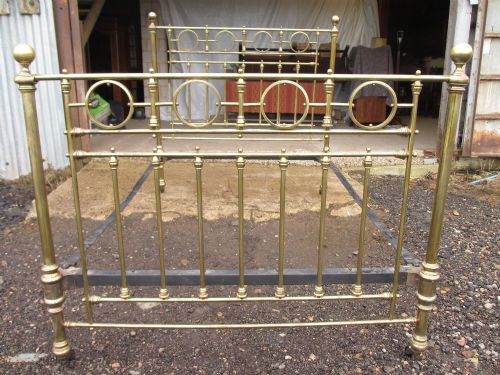
Construction relies heavily on structural iron combined with solid brass components, utilising cast iron for frames and slot-in side rails. Decorative elements often include intricate metal castings, ceramic details, and mother of pearl inlays.
Makers finished iron sections with protective paint, whilst brass tubing and mounts were polished to a bright lustre. Beds frequently incorporate tapered posts, decorative castings, and sturdy joints designed for straightforward assembly.
Materials documented across the inventory include solid brass, cast iron, wrought iron, ceramic, and mother of pearl.
Design and Execution
Quality separates ordinary production pieces from exhibition grade works through the crispness of the brass castings and the complexity of the decorative detailing. Superior examples display refined proportions, substantial gauge metal, and distinctive design motifs.
Maker marks and documented foundry origins distinguish notable workshop output from standard commercial manufacture. The integrity of the original joints, castors, and metal finish dictates the overall character of each surviving bedstead.
Winfield·RW Winfield·Maple & Co·Hoskins & Sewell
The Victorian Brass Metal Bedstead Glossary
- Half Tester
- A bed featuring a partial canopy extending from the wall over the head of the bedstead. This style provides the grandeur of a full tester without enclosing the entire bed.
- Castor
- A small wheel mounted on a swivel assembly attached to the foot of the bed legs. These fittings allowed heavy metal beds to move smoothly across floor surfaces.
- Dip Rail
- A footboard or headboard rail curved downwards towards the centre. This profile became popular during the late Victorian and Edwardian periods.
- Winfield
- A reference to the prominent nineteenth-century metal manufacturing firm known for innovative iron and brass bed construction. Their pieces often display distinctive maker marks and tapered posts.
- Castings
- Poured metal components attached to the bed frame for decorative effect. Elaborate castings define the aesthetic quality of Victorian and Edwardian ironwork.
Victorian Brass Metal Bedstead: Frequently Asked Questions
How do I assemble a metal bed?
Most antique metal beds use a slot-in side rail system that wedges securely into corner brackets attached to the headboard and footboard. Gravity and the weight of the mattress lock the tapered joints firmly into place without requiring complex tools.
Ensure the frame sits squarely on a level surface before placing slats or a modern mattress base inside. Checking that the castors rest evenly prevents any twisting strain on the iron side rails.
Will modern mattresses fit these beds?
Standard modern mattress sizes generally correspond to nineteenth-century dimensions, though older frames can vary slightly by a few inches. Measuring the internal span between the side rails ensures your chosen mattress drops securely into the frame.
Adding a modern slatted base or a low-profile box spring provides proper support while keeping the mattress at a comfortable height. This approach protects the antique side rails from uneven weight distribution.
How do I clean brass and iron?
Painted iron surfaces require gentle dusting and occasional cleaning with a soft, damp cloth to preserve the original finish. Avoid harsh chemical solvents that might strip historic paint or protective coatings.
Brass components benefit from mild soapy water and a soft cloth to remove surface grime without stripping the aged patina. Aggressive metal polishes can alter the historic appearance of nineteenth-century brass tubing and castings.
Are these beds sturdy enough for daily use?
Nineteenth-century metal beds were built using heavy-gauge iron and solid brass designed to withstand robust domestic service. Their substantial weight and rigid corner construction offer exceptional structural stability.
Routine maintenance involves checking that all joints remain snug and ensuring the side rails seat properly into their brackets. When correctly assembled, these frames handle daily sleeping requirements with ease.