
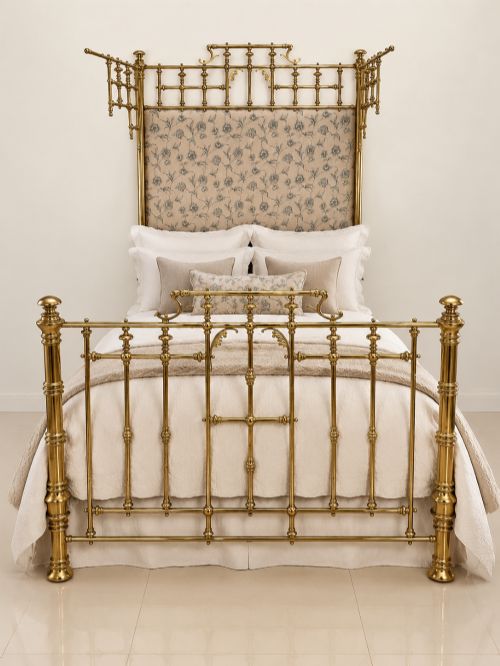


Brass Canopy Bed Frame
These brass canopy bed frame examples offer imposing metal architecture, bringing dramatic presence and historic sleeping quarters into modern rooms.
Brass Canopy Bed Frame
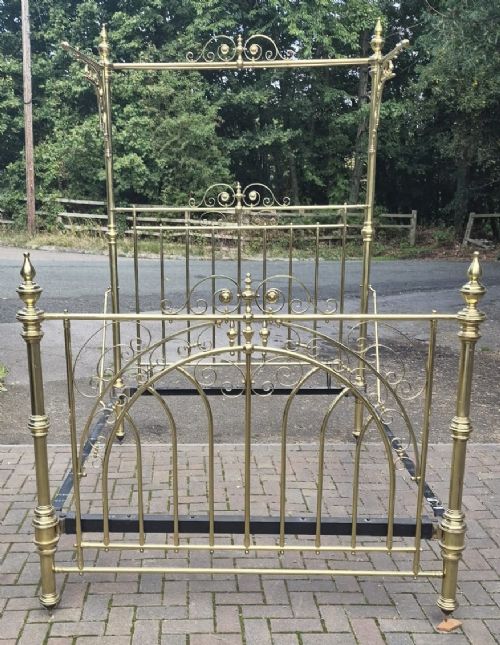
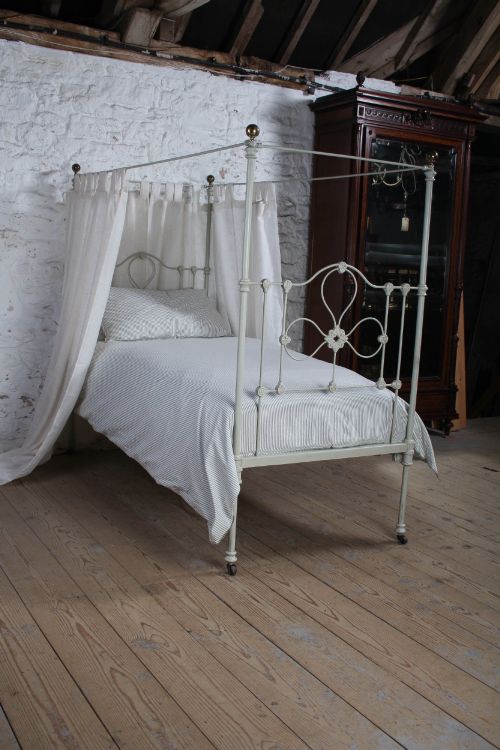
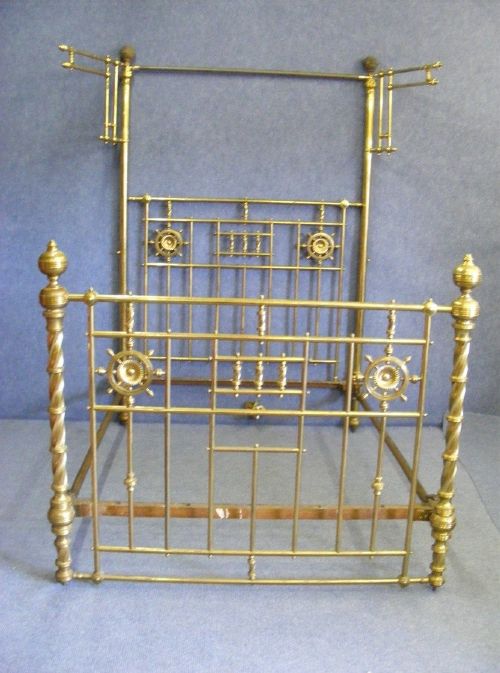
A brass canopy bed frame delivers grand scale and structural impact, dominated by pieces originating in the Victorian era alongside single examples linked to the seventeenth century and William IV periods. These grand sleeping quarters include both traditional four poster designs and half tester configurations which project a commanding presence within a bedroom.
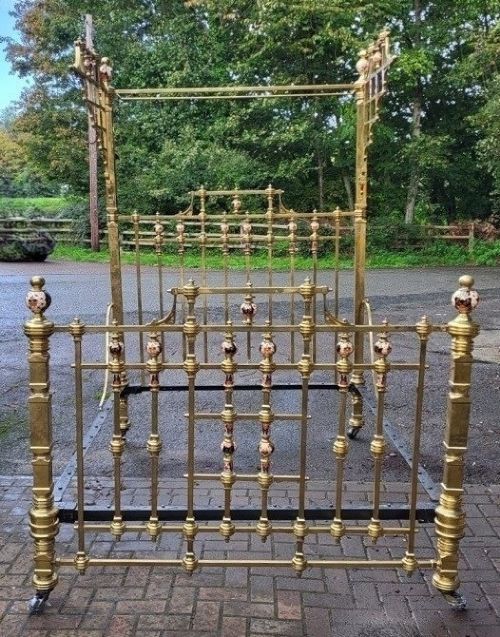
The materials span solid brass, iron, cast iron, and wrought iron, frequently combined to create sturdy frameworks that support overhead testers or four poster structures. Buyers meeting these items will encounter single, double, and king size dimensions, often paired with ceramic components or fabric dressings.
Originating predominantly from Victorian workshops, these bedsteads combine heavy metal framing with decorative overhead canopies. They serve as central architectural statements, offering both historical weight and substantial sleeping platforms.
How they were made
Construction relies heavily on robust combinations of cast iron and wrought iron for internal structural stability, paired with visible elements of solid brass tubing and fittings. Makers utilised metal casting techniques to form ornate joints and decorative embellishments, securing the massive frames with threaded bolts and heavy fixtures.
Overhead testers and four poster structures incorporate framework designs that distribute the weight of the metal canopy evenly across the vertical posts. Selected examples integrate ceramic details into the metalwork, adding textural contrast to the structural assembly.
One exceptional piece was built specifically for the Prince of the Ottoman Empire.
What varies in quality
Distinction across the range rests on the ambition of the metalwork design and the purity of the materials, separating standard commercial output from exhibition quality commissions. Elaborate casting detail and heavy solid brass components elevate certain pieces far above simpler iron frames fitted with thin brass plating.
Provenance and documented maker attribution further divide the tier, as seen in specialised pieces produced by firms like R W Winfield. The architectural integrity of the canopy structure and the crispness of the decorative joints determine the standing of each bedstead.
R W Winfield
The Brass Canopy Bed Frame Glossary
- Half tester
- A bedstead featuring a partial canopy that extends only partway over the head of the bed rather than spanning the full length. This configuration projects from the wall or upright posts to shelter just the pillow area.
- Four poster
- A bed structure defined by four vertical corner columns that support an upper rectangular framework or tester. This overhead structure traditionally carried fabric curtains to retain warmth and privacy.
- Cast iron
- Iron shaped by pouring molten metal into a mould, yielding rigid and durable structural components. It frequently forms the heavy underframes of these beds.
- Wrought iron
- Iron beaten and worked into shape while hot, offering high tensile strength and flexibility. It appears in the structural supports and scrollwork of period bedsteads.
Brass Canopy Bed Frame: Frequently Asked Questions
How do I assemble a brass canopy bed frame?
These historical bedsteads typically utilise heavy iron and brass socket joints secured by internal bolts and wedges. Assembly requires methodical placement of the heavy side rails and corner posts before mounting the upper canopy structure.
Due to the substantial weight of cast iron and solid brass components, positioning requires multiple pairs of hands. Ensuring the floor is level prevents twisting in the rigid metal framework.
Are these beds standard modern mattress sizes?
Period bedsteads frequently depart from contemporary standard dimensions, often requiring custom mattress manufacturing or careful measurement. Widths and lengths vary across single, double, and king size formats depending on their nineteenth-century origins.
Buyers should verify internal frame dimensions precisely before sourcing a mattress. Adjustments to slats or base supports may be necessary to accommodate modern bedding safely.
How do I care for antique brass and iron?
Maintenance involves gentle dusting and occasional cleaning with appropriate metal care products that respect aged finishes. Avoid aggressive chemical cleaners that strip the natural patination built up over decades.
Checking structural joints and tightening fixing bolts periodically preserves the rigidity of the heavy metal frame. Keeping the environment stable prevents moisture accumulation on vulnerable iron components.