
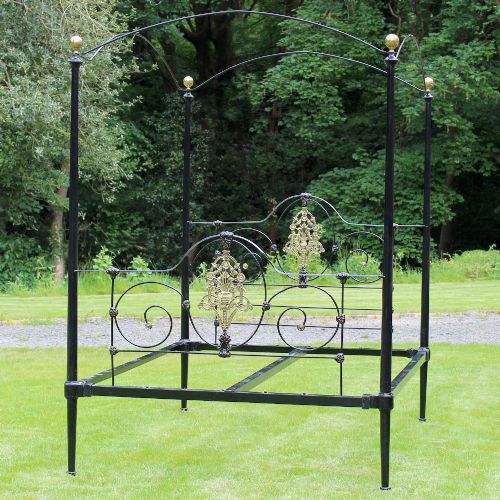
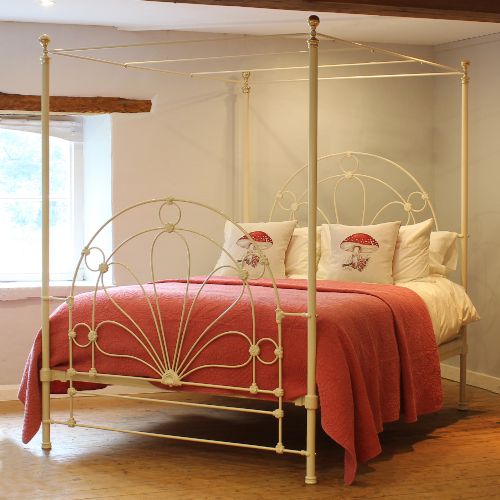
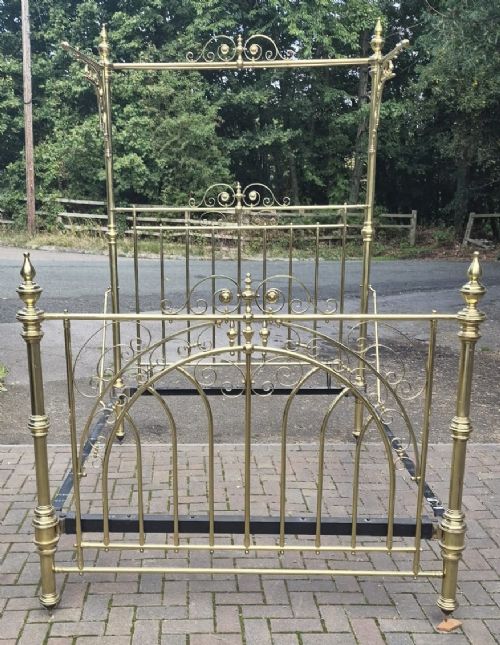
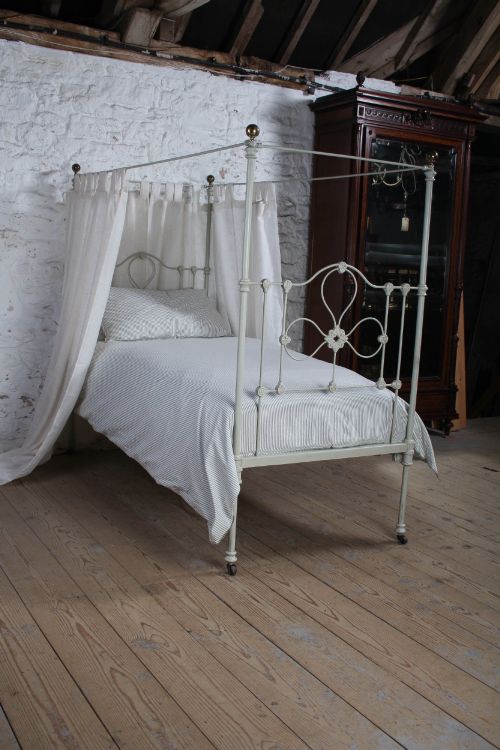


Victorian Brass Canopy Bed
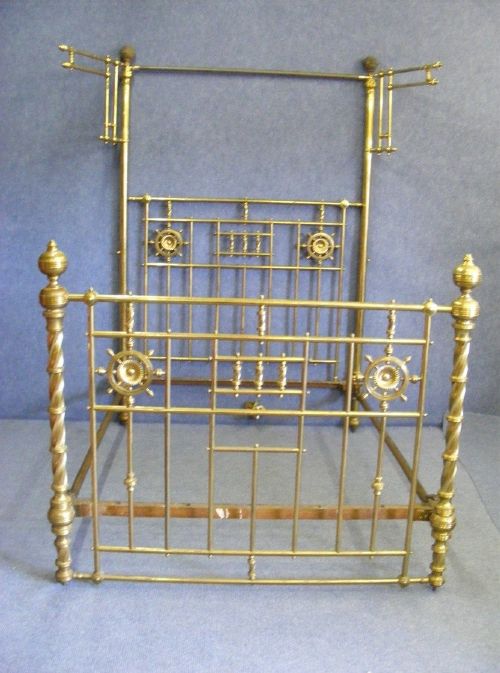
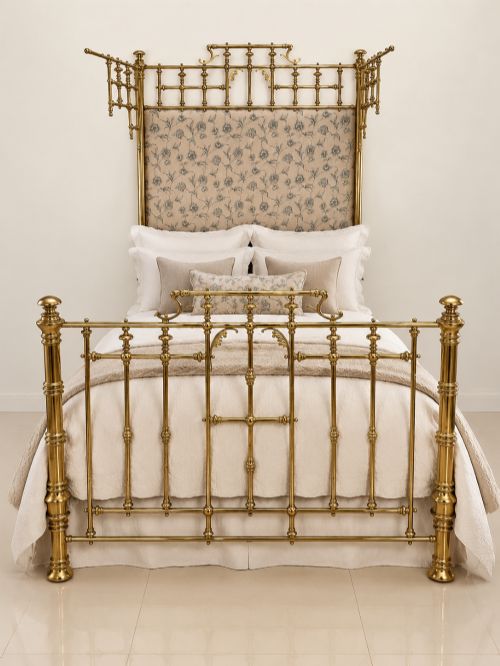
A victorian brass canopy bed brings grandeur to a bedroom, combining gleaming metalwork with the classic lines of a half tester or four poster frame.
Victorian Brass Canopy Bed
When you search for a victorian brass canopy bed, you are looking at substantial sleeping frames designed with overhead tester structures to support drapery. These pieces span from single iron and brass models to expansive king size bedsteads dating across the nineteenth century. Most examples found here take the form of half tester or four poster beds created during the Victorian period, alongside a few pieces referencing earlier styles.
The construction typically merges brass components with cast or wrought iron frames to provide both decorative shine and structural stability. You will encounter double and king size proportions frequently, with occasional single frames or special exhibition pieces appearing in the listings. The stylistic influences range from standard Victorian tastes to Gothic interpretations and William IV designs.
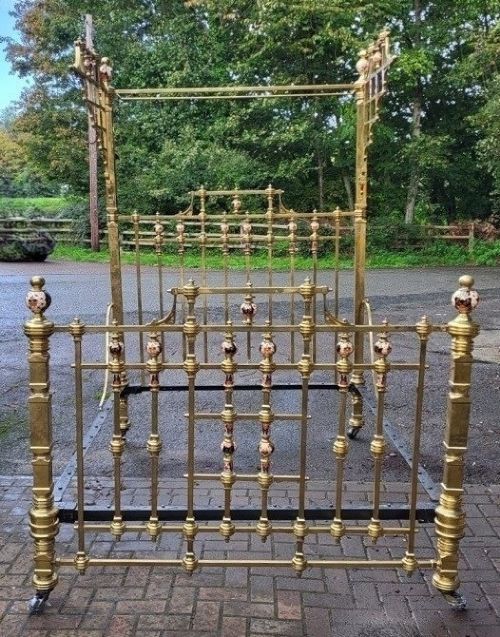
Originating predominantly from the Victorian era, these bedsteads showcase the metalworking capabilities of the period through polished brass tubing, decorative castings, and ceramic elements. Whether configured as a grand all brass four poster or an iron framed half tester, each bed serves as a major focal point in a traditional interior. The survival of these frames allows modern buyers to utilise original nineteenth century proportions and materials.
How they were made
Makers constructed these bedsteads using a combination of solid brass, cast iron, and wrought iron to build sturdy internal frames clad in bright metal. Metalfounders utilised casting techniques for decorative joints, finials, and headboard motifs, attaching them securely to tubular brass rails and upright posts. Some variants incorporate ceramic components alongside the primary metal structures for added visual contrast.
Canopy sections, whether configured as half testers projecting from the wall or full four poster frames, required precise metalworking to support fabric drapes safely. Workshops shaped iron for load bearing stability while applying brass plating or solid brass elements to all visible exterior surfaces. The integration of fabric elements completed the traditional canopy design.
Listings feature pieces spanning from the seventeenth century through to the Victorian era, utilising brass, iron, cast iron, wrought iron, and ceramic.
What varies in quality
Quality in these bedsteads rests on the weight and gauge of the metal used in the framework, distinguishing standard commercial production from exhibition pieces. Superior examples feature heavier solid brass components, intricate cast detailing, and robust iron foundations that maintain structural integrity over centuries. Lesser pieces rely on lighter tubing and simpler joints.
The refinement of the decorative castings and the overall scale, such as king size proportions versus single frames, indicate the original ambition of the maker. Exhibition quality pieces demonstrate superior finishing in the brass work and more elaborate stylistic detailing, often associated with prominent manufactories of the period.
R W Winfield
The Victorian Brass Canopy Bed Glossary
- Half tester
- A bed canopy structure where the tester projects partway over the head of the bed from the wall rather than spanning all four posts. This form became particularly popular during the Victorian period.
- Four poster
- A bed featuring four vertical columns that support an upper canopy framework. These frames allowed for the hanging of curtains to retain warmth and provide privacy.
- Cast iron
- An iron alloy poured into moulds to create complex shapes and decorative structural elements. It provided the necessary strength for nineteenth century bed frames.
- Wrought iron
- Iron beaten into shape by hand or machine, known for its fibrous structure and resilience. Makers utilised it for structural components that required bending without snapping.
Victorian Brass Canopy Bed: Frequently Asked Questions
How do I style a brass canopy bed?
Pair the polished metal frame with complementary traditional textiles to highlight the architectural presence of the tester structure. Keeping surrounding furnishings simple allows the Victorian metalwork to remain the central focus.
Ensure the room has adequate space to accommodate the height and width of a four poster or half tester frame without crowding other furniture.
Are these beds standard modern sizes?
Nineteenth century bed proportions often differ slightly from contemporary mattress dimensions. Checking the specific internal measurements of each bedstead ensures proper fit for modern bedding.
Many antique frames can be adapted or paired with suitable modern slatted bases to support standard mattresses safely.
What materials make up these frames?
Most listings combine solid brass or brass plating with structural iron and cast iron elements. Some examples also incorporate ceramic details and original fabric elements.
The use of iron provides essential structural strength while brass delivers the characteristic golden finish visible on the exterior posts and rails.
How do I date a Victorian bed?
Dating relies on stylistic clues, construction methods, and recorded dates within individual listings. Victorian pieces span the nineteenth century, with specific markers pointing towards decades such as the 1860s or 1870s.
Examining the casting quality and joining techniques helps distinguish mid Victorian pieces from later nineteenth century production.