
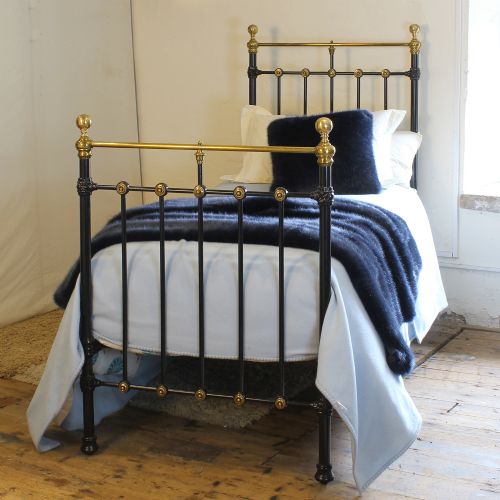
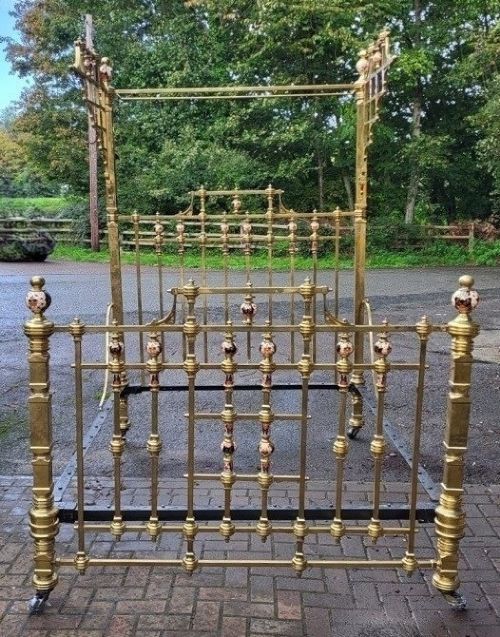

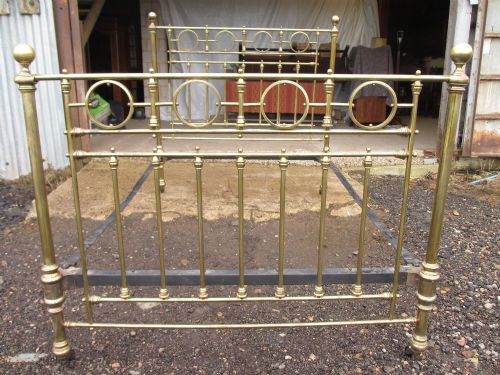
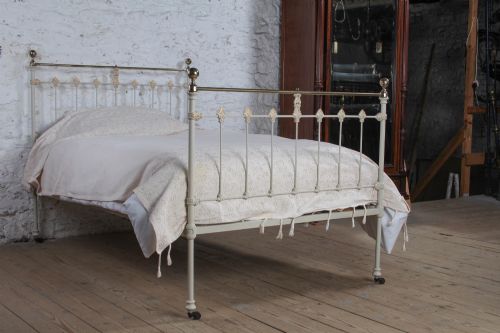

Cast Iron Brass Bedstead
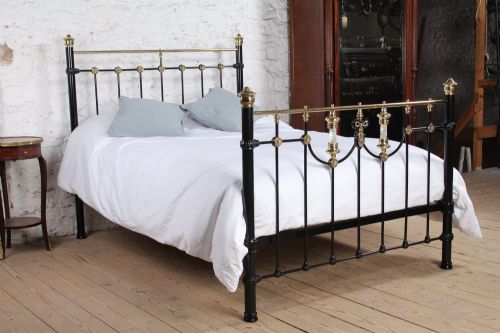
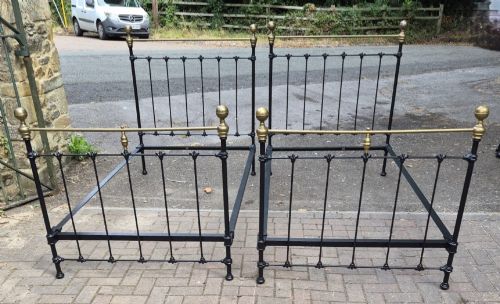
These cast iron brass bedstead examples combine metal framing with bright metal mounts to anchor a bedroom scheme.
Cast Iron Brass Bedstead
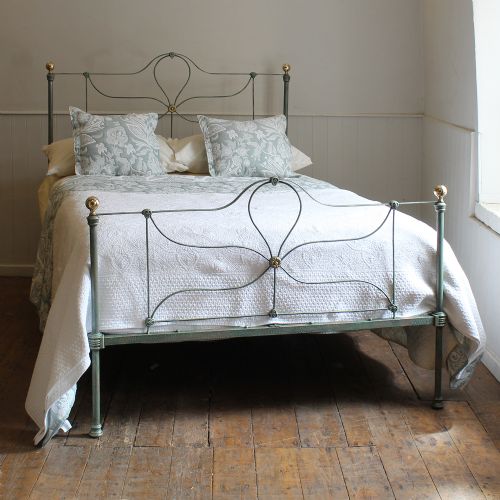
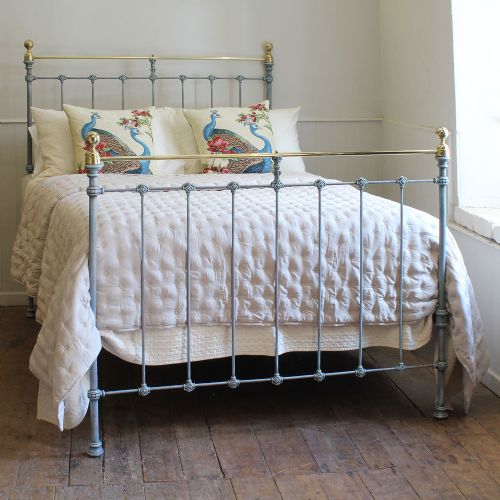
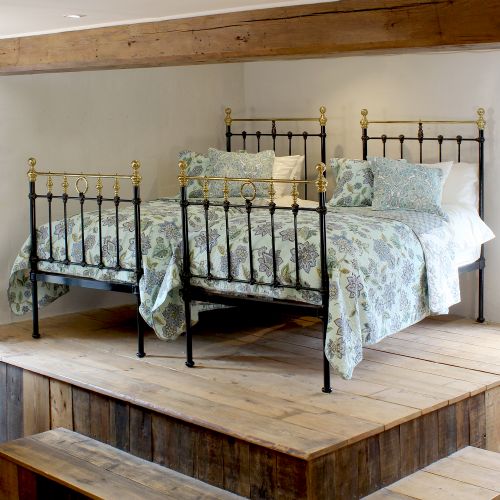
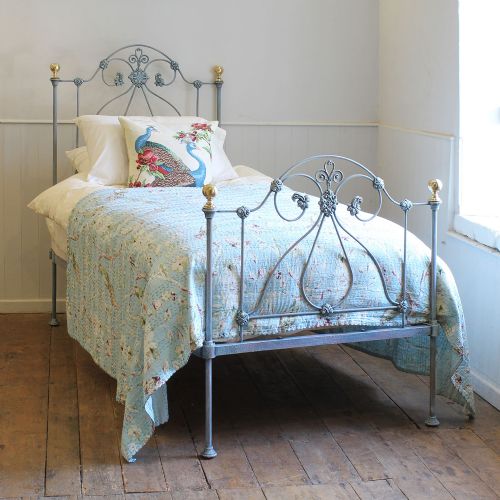
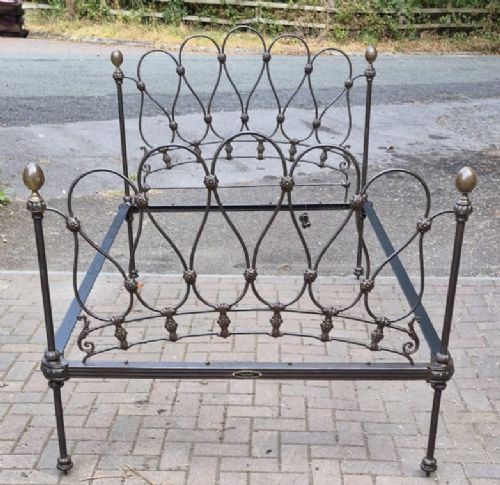
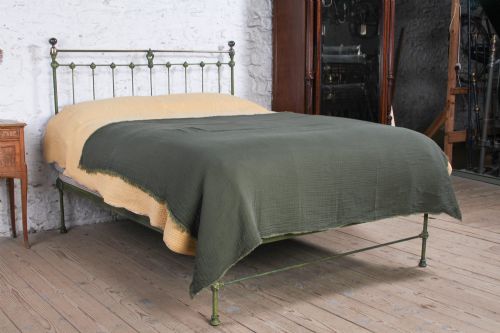
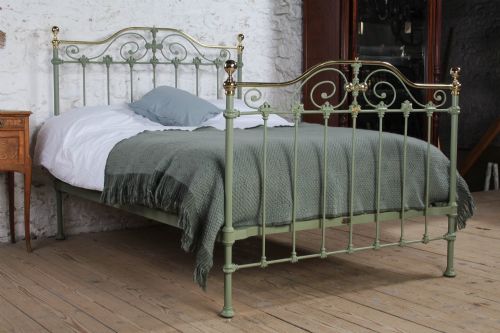
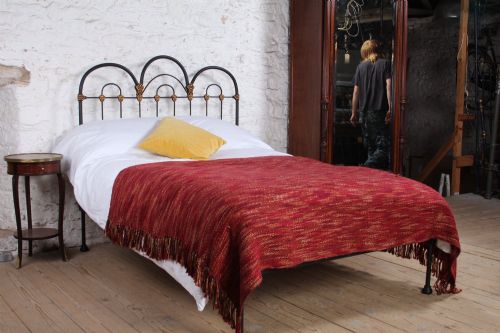
A cast iron brass bedstead brings together heavy dark metal and polished bright fittings across forms such as single, double, queen, king, and super king sizes. The selections run from simple straight rail designs to half tester frames and curly foot configurations.
Most pieces date from the Victorian and Edwardian periods, stretching from the mid-nineteenth century through to the early twentieth century. Buyers encounter standard frames alongside French Country and Victorian Aesthetic Movement pieces originating from workshops in Britain and Ireland.
Standard configurations include iron slot-in frames set on castors, alongside no end beds and dip-rail variations. The mix of materials offers robust structural support paired with decorative metalwork.
Assessing Quality
Quality rests on the crispness of the brass castings and the complexity of the ironwork, such as curly details, tapered posts, and attractive decorative mounts. Exhibition pieces and named maker examples display superior detailing compared to standard utility models.
The integrity of the original joints, the presence of matching ceramic or mother of pearl elements, and the condition of the painted or patinated surfaces distinguish finer items from simpler production.
Select iron frames incorporate mother of pearl inlays alongside brass castings for an unexpected touch of shimmer.
Winfield·R W Winfield·RW Winfield
The Cast Iron Brass Bedstead Glossary
- Half tester
- A bedstead with a canopy projecting partway over the head of the bed from the wall or headboard. This style provides a decorative focal point without the full enclosure of a tester bed.
- Dip rail
- A headboard or footboard rail that curves downwards in the centre. This profile is frequently seen on Edwardian designs.
- Castor
- A small wheel fitted to the base of each bedpost to allow easy movement across floor surfaces. These are often made of brass or porcelain.
- Aesthetic Movement
- A late nineteenth century design style emphasising visual beauty over narrative subject matter. Pieces from this movement feature refined decorative motifs.
- No end bed
- A bedstead configuration featuring a headboard but lacking a high footboard. This layout creates an open appearance in smaller bedrooms.
Cast Iron Brass Bedstead: Frequently Asked Questions
How do I date a cast iron and brass bed?
Dating relies on the stylistic clues within the ironwork and brass castings, shifting from heavy Victorian proportions to lighter Edwardian dip rails. Maker marks and registration numbers stamped into the iron frame also provide clues to the decade of manufacture.
Victorian pieces often display heavier cast ornamentation and Aesthetic Movement influences, while Edwardian models tend toward streamlined rails and simplified profiles.
Are these beds standard modern sizes?
Older beds frequently deviate from modern metric mattress dimensions. Single, double, queen, and king sizes exist in nineteenth century formats, but measuring the internal frame dimensions before sourcing a mattress is essential.
Many antique frames accommodate custom mattresses or allow minor adjustments to the iron slot-in side rails to fit standard bases.
How do I care for brass and iron frames?
Maintenance involves dusting the ironwork regularly and cleaning brass components with a non-abrasive metal polish. Avoid harsh chemical cleaners that strip the historic patina from the cast iron.
Checking and tightening the slot-in frame joints periodically ensures the structural stability of the bed remains secure.