

Cast Brass Double Bedstead
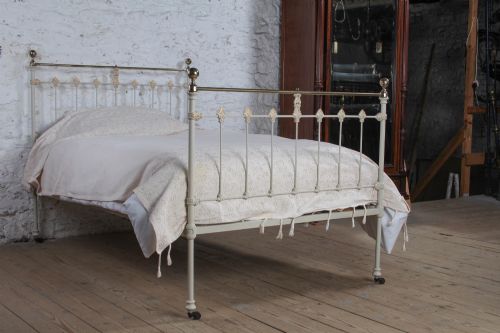
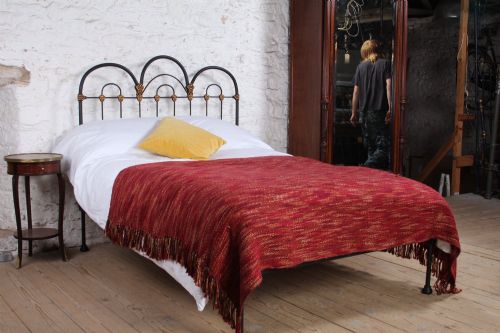
A cast brass double bedstead brings substantial period weight and shining metal presence to a bedroom, combining sturdy iron frameworks with decorative brass components.
Cast Brass Double Bedstead
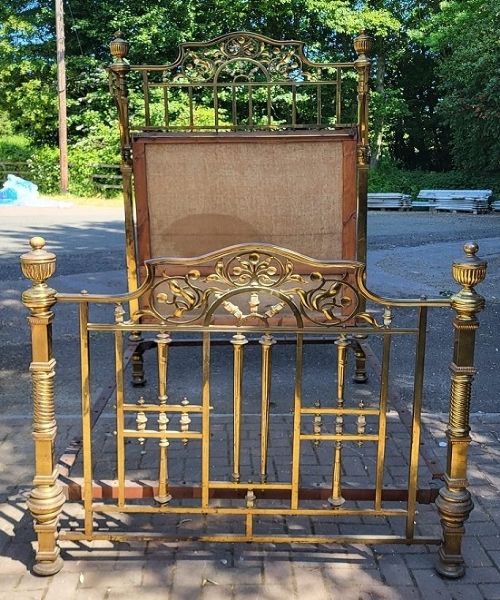
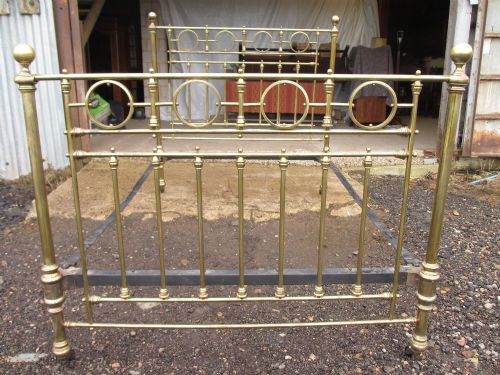
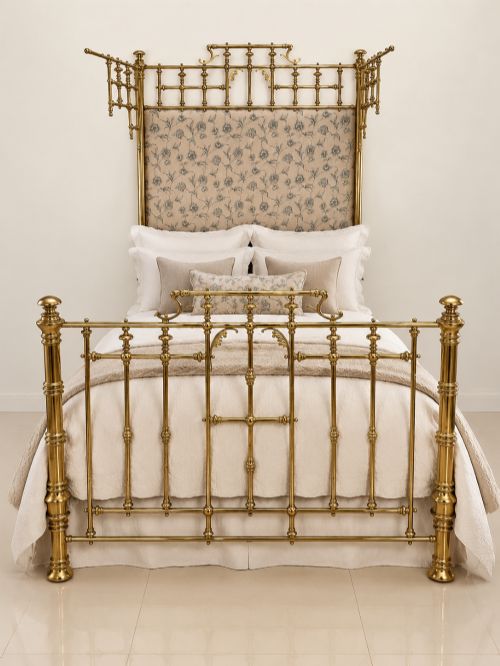
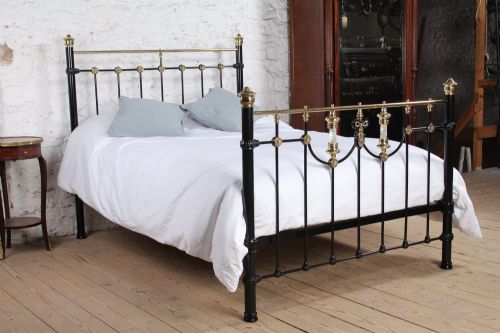
When you search for a cast brass double bedstead, you encounter heavy metal furniture primarily dating from the Victorian and Edwardian eras. These frames combine structural iron elements with polished brass dressings, offering both the durability required for daily sleep and ornate Victorian styling. Most examples found here span the nineteenth and early twentieth centuries, with Victorian pieces forming the vast majority of the selection.
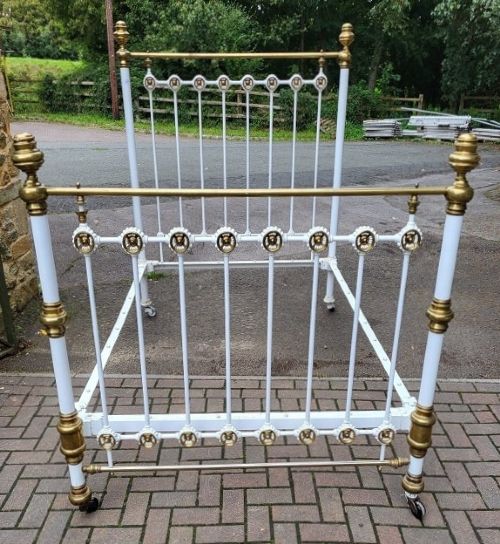
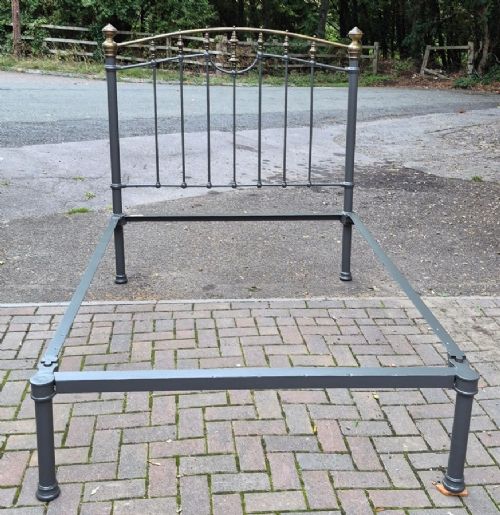
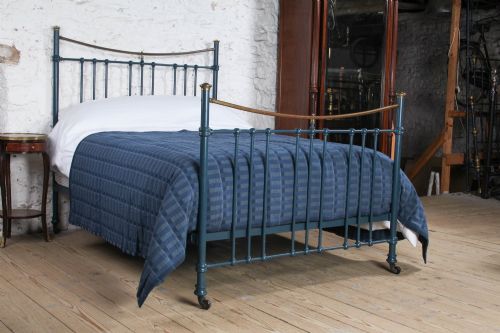
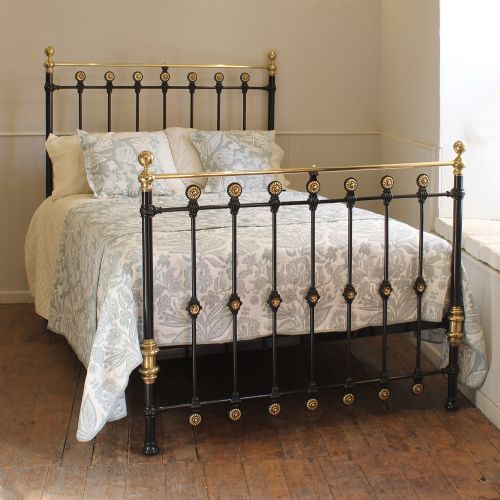
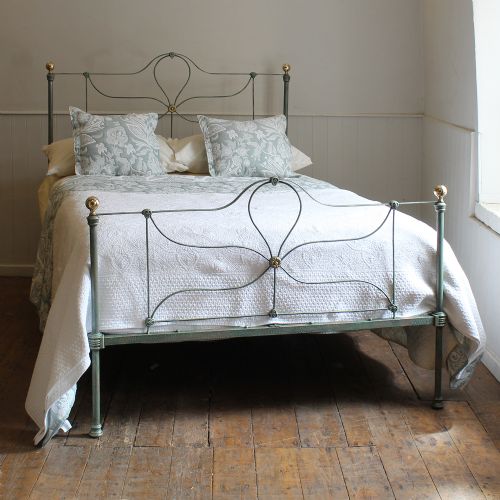
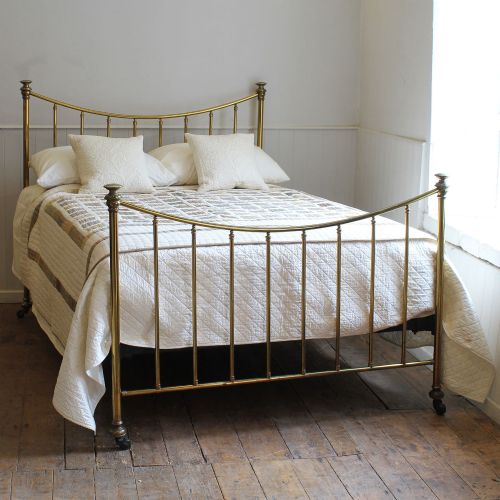
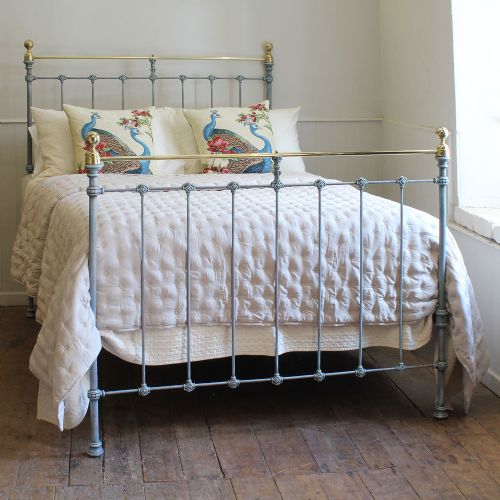
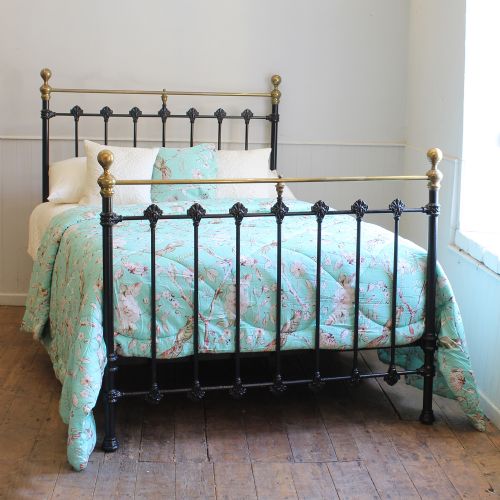
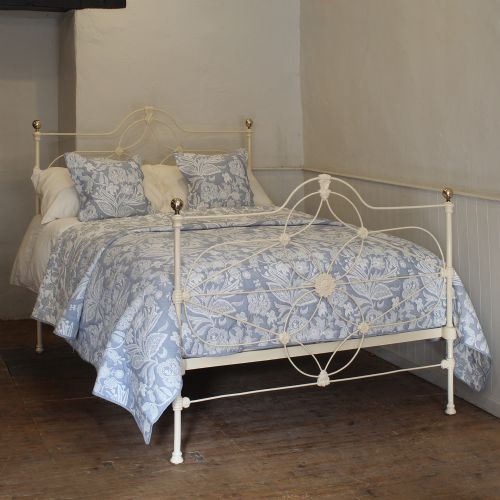
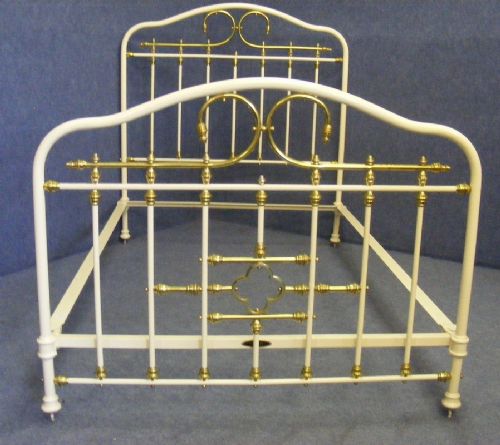
The format of a cast brass double bedstead varies from standard double sizes through to small doubles and king sizes, occasionally incorporating half tester canopies or decorative details like mother of pearl inlay. You will find combinations of black or green painted iron frames accented with bright brass tubing, finials, and castings. Some pieces present as all-brass constructions, while others utilise iron slot-in frames set on castors for mobility.
How they were made
Makers constructed these bedsteads using heavy cast iron for internal load-bearing frames and structural stability, pairing this metal with solid brass tubing and decorative brass castings. Skilled founders poured molten iron into sand moulds to create robust headboards and footboards, often incorporating tapered posts and detailed joints. Brass components were polished and secured to the iron framework using threaded fittings and metal pins.
Makers occasionally enhanced the metal structures with applied details such as mother of pearl inlays or specialised painted finishes on the iron sections. Iron components frequently featured pot castors to allow movement across wooden floors, while brass elements relied on lacquering or polishing to maintain their metallic lustre. The resulting construction provided a rigid platform capable of supporting heavy mattresses.
Cast Brass Double Bedstead Retail Price Guide 2026
Typical asking prices for cast brass double bedstead among the pieces listed under this phrase on Sellingantiques today, from the lower quarter to the upper quarter. They describe what is for sale here now, not the wider market.
Some Victorian iron beds were fitted with ceramic pot castors designed to roll smoothly across carpets without leaving deep indentations.
What varies in quality
The distinction between standard commercial pieces and exhibition quality work lies in the complexity of the castings and the weight of the brass used. Finer examples display crisp, deeply chased brass ornamentation and substantial solid brass tubing rather than thin plated alternatives. Maker attribution, such as pieces produced by Winfield or Maple and Co, signals superior foundry work and heavier gauge metals.
RW Winfield·Maple and Co
The Cast Brass Double Bedstead Glossary
- Half tester
- A bedstead featuring a short overhead canopy projecting from the headboard without full supporting posts at the foot. This form provides a draped fabric tester canopy overhead while keeping the foot of the bed open.
- Dip rail
- A headboard or footboard design where the top horizontal rail dips downward toward the centre. This configuration creates a softer silhouette compared to straight rail alternatives.
- Castor
- A small wheel mounted in a swivel housing attached to the bottom of the bed legs. These allow the heavy iron and brass frame to be repositioned across floor surfaces.
- Slot-in frame
- A sectional rail construction where side rails drop securely into slots on the headboard and footboard posts. This method allows the bed to be dismantled for transport without complex tools.
- Finial
- A decorative ornamental piece crowning the vertical posts of the bedstead. Makers cast these in brass to cap the ends of tubular uprights.
Cast Brass Double Bedstead: Frequently Asked Questions
Will a standard modern mattress fit an antique brass bedstead?
Many Victorian and Edwardian brass bedsteads were built to nineteenth-century sizing conventions which may differ slightly from current standard dimensions. It is essential to check the exact internal rail measurements of the specific frame before acquiring a modern mattress.
Modern mattress suppliers can also manufacture custom dimensions to fit older iron and brass frames precisely. Ensuring correct support slats are installed within the iron side rails will protect both the mattress and the antique structure.
How do I assemble a cast brass bedstead?
These beds typically rely on a knockdown system where the side rails slot directly into receiving brackets on the headboard and footboard posts. Gravity and the weight of the mattress lock the tapered joints firmly into position during assembly.
Two people are recommended for assembly due to the heavy weight of the cast iron and brass components. Ensure the frame rests squarely on its castors on a level floor before placing any bedding inside.
How should I clean polished brass and iron frames?
Dust the brass components regularly with a soft dry cloth to prevent the accumulation of airborne particles. Avoid harsh chemical metal polishes that can strip original lacquers or discolour aged brass surfaces.
Painted iron sections require only gentle wiping with a damp cloth to preserve original painted finishes. Take care to keep moisture away from any exposed iron to prevent surface oxidation.
How do I distinguish a Victorian bedstead from a later reproduction?
Examine the construction methods visible on the joints and castings, looking for hand-finished surfaces and heavy gauge iron components typical of nineteenth-century production. Genuine period pieces often show minor casting imperfections and wear consistent with age on the pot castors and brass tubing.
Maker stamps and registry marks found on the iron framework can also confirm period manufacture by known nineteenth-century firms. Modern reproductions generally lack the substantial weight and authentic patination found on Victorian examples.