
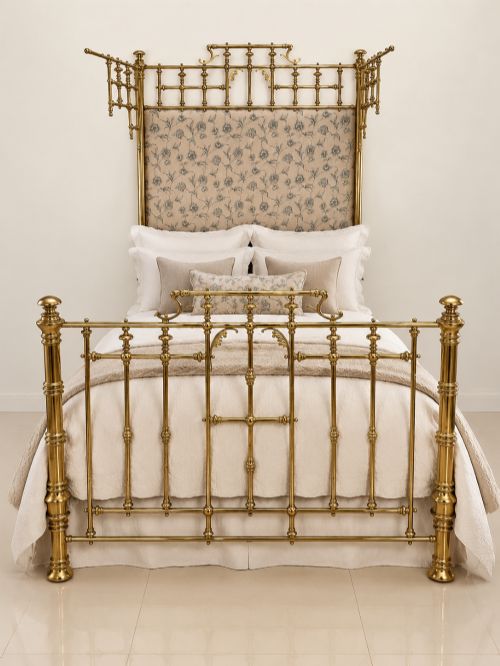


Victorian Brass Tester Bed
A victorian brass tester bed brings monumental metalwork and grand architectural presence directly into the bedroom.
Victorian Brass Tester Bed
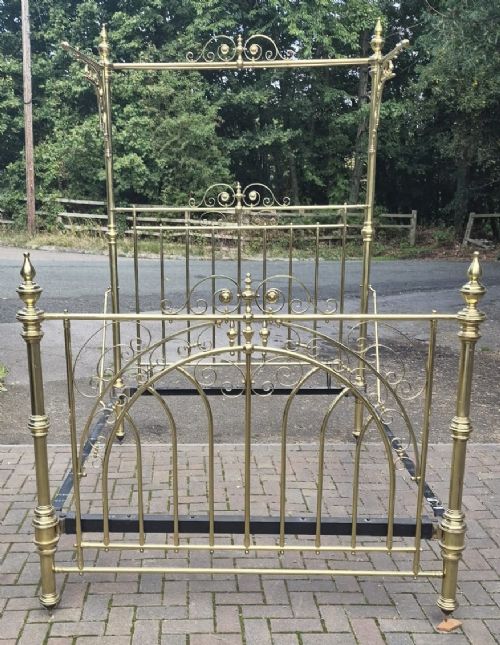
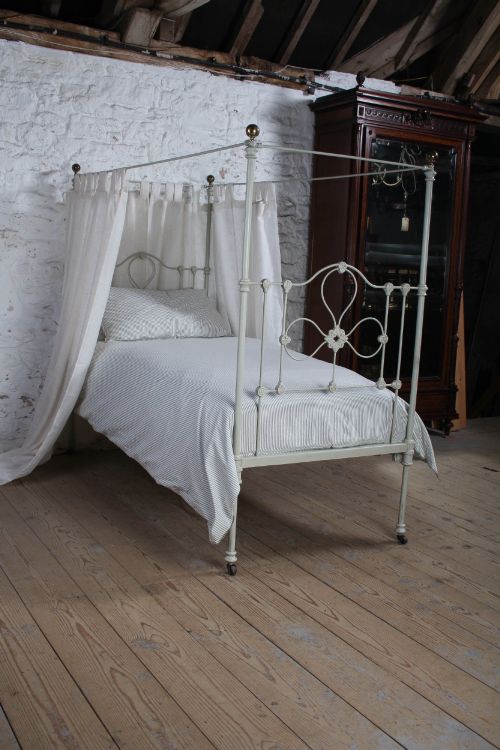
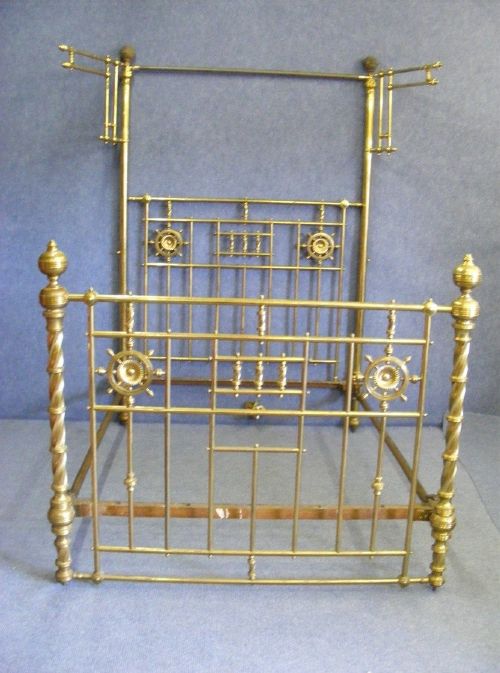
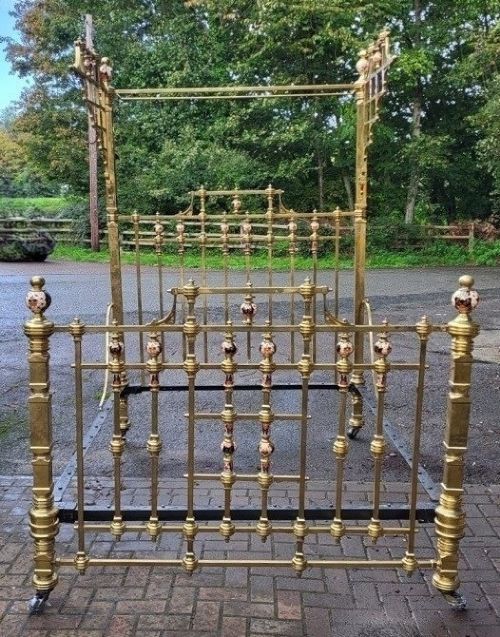
A victorian brass tester bed combines a striking metal framework with an overhead canopy canopy structure designed to support hangings or stand open. These grand sleeping pieces span the Victorian period, with dates clustering from the 1860s through to 1900.
Buyers encounter two primary structural formats across the inventory: the full four poster and the half tester configuration. Half tester bedsteads project an extended canopy from the headboard only, creating a dramatic focal point while occupying less floor space than a traditional four poster.
Sizes range from single formats up to generous king and double proportions. The surviving examples demonstrate how nineteenth century makers combined sleeping utility with commanding domestic architecture.
Materials and Construction Methods
The framework relies on a combination of solid brass, cast iron, and wrought iron components. Iron provides the structural core for strength and stability, while polished brass elements wrap the visible posts and rails.
Makers utilised ceramic castors and specialised joinery to assemble these heavy frames. Gilding appears on select exhibition pieces to enhance the visual impact of the metalwork.
Materials recorded in the inventory include solid brass, cast iron, wrought iron, and ceramic components.
Judging Quality in Victorian Metal Beds
Quality separates ordinary domestic furniture from exhibition pieces through the complexity of the brass castings and the weight of the metal used. Heavier gauge brass and intricate gothic detailing indicate superior workshop output.
The presence of original manufacturer signatures or documented attribution elevates certain pieces above standard production models. The crispness of chased brass enrichment and the structural integrity of the iron underframe define the top tier.
RW Winfield·JAS Shoolbred·Heal & Sons
The Victorian Brass Tester Bed Glossary
- Tester
- The overhead canopy frame of a bed. This structural element traditionally carried fabric curtains to retain heat and block drafts.
- Half Tester
- A bedstead where the canopy projects out only over the head portion of the bed rather than spanning the entire length. This form gained popularity during the nineteenth century for urban bedrooms.
- Four Poster
- A bed with four vertical columns supporting an upper canopy framework. These monumental pieces form the architectural centerpiece of period sleeping quarters.
- Cast Iron
- An iron-carbon alloy poured into moulds to create decorative structural components. This material provided robust support for heavy brass tubing.
- Gilding
- The application of a gold-coloured finish or leaf to metal surfaces. High-status Victorian bedsteads utilised this technique for opulent visual effect.
Victorian Brass Tester Bed: Frequently Asked Questions
How do I choose the right size?
Consider the proportions of your room before selecting between a single, double, or king size model. Tester frames demand considerable vertical clearance and floor space.
Measure your ceiling height carefully to ensure the canopy fits comfortably within your bedroom architecture.
Are these beds suitable for daily use?
Most antique metal bedsteads are adapted to accept modern standard mattress sizes. Professional restoration often includes reinforcing side rails and updating internal fittings.
Consult your dealer regarding mattress support slats and stability modifications for everyday sleeping.
How do I care for the brass?
Polished brass requires gentle cleaning with appropriate metal care products to maintain its lustre. Avoid abrasive pads that can scratch the historical surface.
Dust the intricate castings regularly with a soft cloth to prevent the accumulation of grime.
What is the difference between brass and iron?
Brass provides the golden, decorative exterior cladding and prominent posts visible on these pieces. Iron forms the hidden or supporting internal framework that gives the bed its structural rigidity.
Many examples combine both metals within a single frame.