
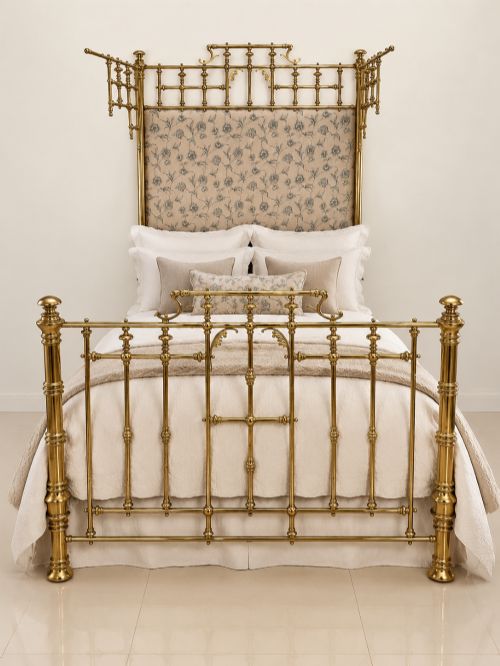


Traditional Brass Tester Bedstead
These traditional brass tester bedstead examples combine structural ironwork with polished metal to create commanding focal points for period bedrooms.
Traditional Brass Tester Bedstead
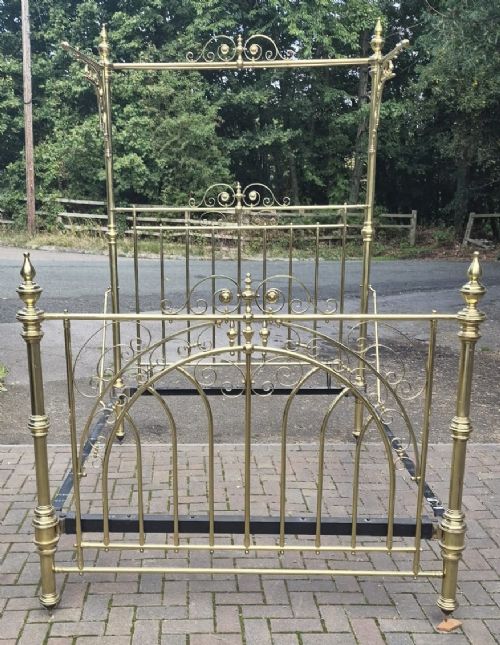
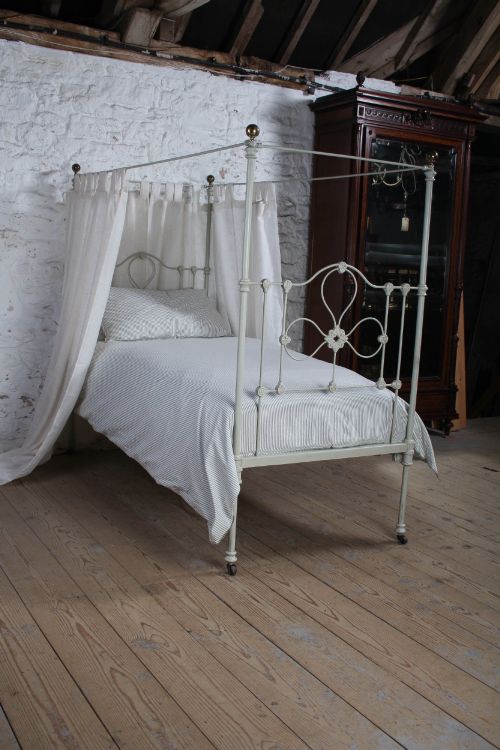
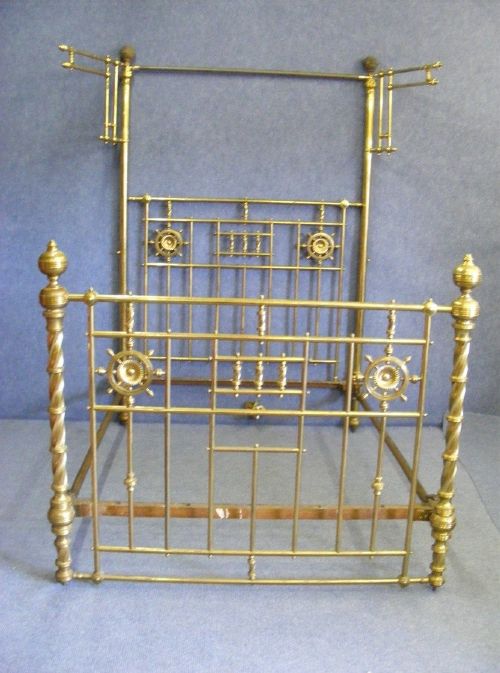
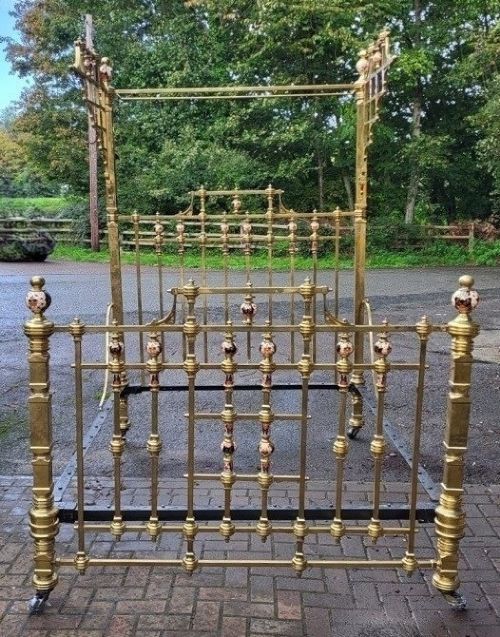
When you search for a traditional brass tester bedstead, you encounter substantial sleeping furniture originating from the Victorian era. These pieces combine overarching framework structures with metal posts and corner brackets to support overhead canopies or half tester projections.
You are most likely to meet double and king size proportions alongside single variations across the listings. The forms encompass both full four poster structures and half tester designs projecting from the wall or headboard.
Origins cluster around the nineteenth century, spanning decades from eighteen sixty to nineteen hundred. Makers utilised robust metal framing to support both decorative overhead canopies and heavy mattress bases.
How they were made
Craftsmen built these frameworks using combinations of solid brass, cast iron, and wrought iron. The primary structural loads typically rely on iron or cast components, while visible columns and decorative finials utilise polished brass tubing and solid brass castings.
Makers integrated ceramic elements and fabric components into the overarching tester designs to complete the furniture. Surface finishes range from blackened iron treatments to bright polished brass work.
Some Victorian beds arrived with instructions so heavy even the butler considered calling an engineer.
What varies in quality
Exhibition quality examples demonstrate superior casting definition and heavier gauge metalwork throughout the framework. Lesser pieces rely on simpler iron elements with minimal brass embellishment.
The sophistication of the tester canopy construction and the weight of the solid brass components dictate the standing of individual bedsteads.
RW Winfield
The Traditional Brass Tester Bedstead Glossary
- Tester bedstead
- A bed featuring an overhead canopy or tester supported by vertical posts. These large frameworks originated to enclose sleeping quarters with curtains.
- Half tester bed
- A bedstead where the overhead canopy projects only partway over the mattress from the headboard. This variation became popular during the Victorian period.
- Solid brass
- Metal composition utilising unalloyed copper and zinc throughout the visible components rather than plated iron. This material polishes to a bright golden finish.
- Cast iron
- Iron poured into moulds to create decorative structural components and bed ends. This heavy material provides stability to large bed frames.
Traditional Brass Tester Bedstead: Frequently Asked Questions
How do I clean a brass bed?
Cleaning antique brass requires gentle wiping with a soft cloth to remove dust without disturbing historic patination. Avoid harsh chemical polishes that strip the aged character from nineteenth-century metalwork.
Check whether the surface retains a protective lacquer before applying any cleaning agents. Regular dusting keeps the polished surfaces bright.
Are these beds standard sizes?
Nineteenth-century bedstead dimensions often differ slightly from modern mattress standards. Single, double, and king size formats appear in the listings, but exact measurements require careful verification.
Frame openings may need minor adjustments to accommodate contemporary mattresses securely. Consulting the specific dimensions for each bedstead ensures proper fit.
How do I assemble a metal bed?
These bedsteads typically utilise bolted side rails that lock the headboard and footboard together. Systematic tightening of the iron fixings ensures structural rigidity before placing the mattress base inside.
Enlisting assistance helps support the heavy brass tester components during assembly. Proper alignment prevents stress on the decorative metal castings.