
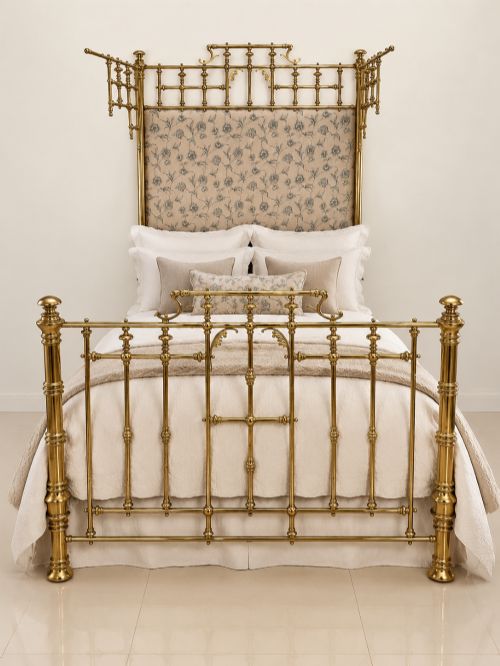


Antique Metal Poster Bed
An antique metal poster bed brings striking vertical presence and robust construction into a bedroom.
Antique Metal Poster Bed
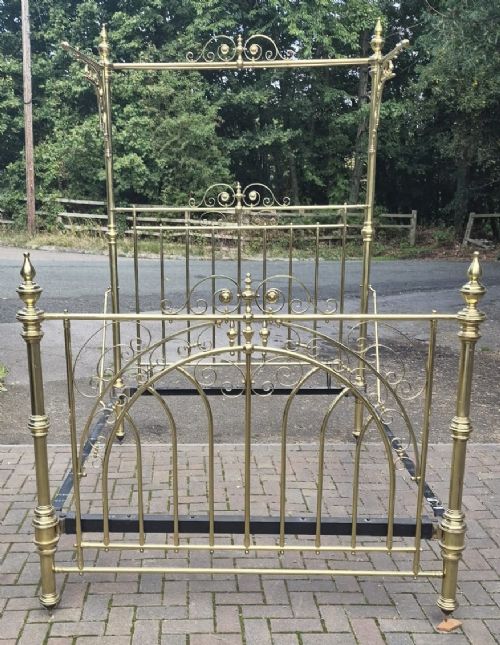
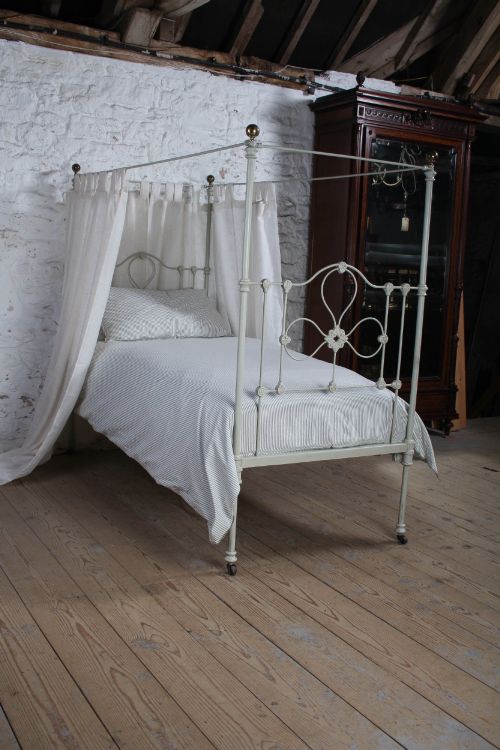
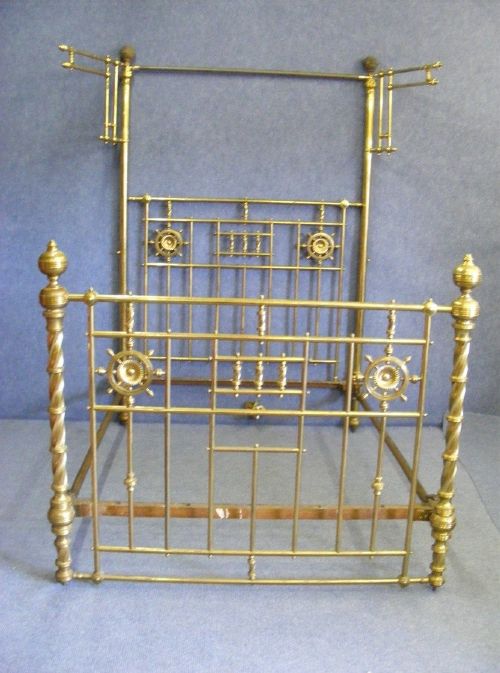
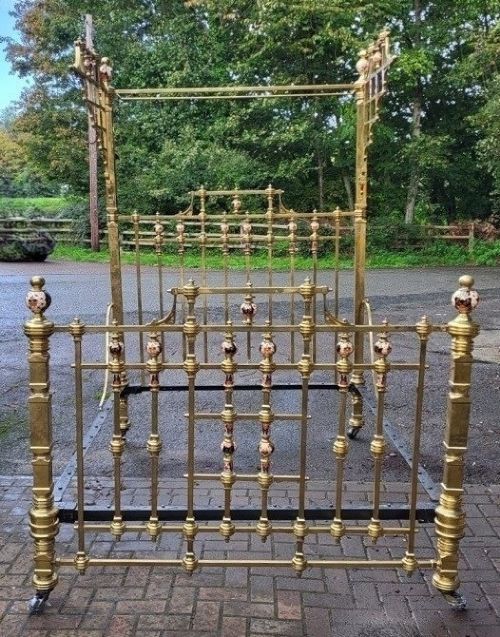
An antique metal poster bed combines structural iron or brass with upright posts to create a commanding framework for sleeping. These pieces emerge predominantly from the Victorian era, spanning half tester designs, four poster constructions and single formats.
The variations on this page include grand king size brass half tester beds alongside iron single frames. Makers from the nineteenth century utilised these metals to build robust bedsteads that survive in daily use.
How they were made
Construction relies on cast iron and wrought iron for the primary framing, paired with brass components and ceramic detailing. Metal founders poured molten iron into moulds to form the structural parts and decorative joints.
Makers shaped solid brass and hollow brass tubing into upright posts and decorative rails, often securing them with threaded fasteners. Finished frames frequently received a coat of black paint or retained their polished brass surfaces.
The listings span Victorian iron and brass construction, featuring both single and king size formats alongside half tester and four poster designs.
What varies in quality
Quality rests upon the weight of the metal used and the complexity of the castings. Heavier gauge brass and thicker iron frames provide greater rigidity than lighter tubular alternatives.
Exhibition quality pieces display crisper detailing in the brass mounts and more ambitious architectural proportions. The integration of half tester canopies and documented maker signatures elevates the standing of specific bedsteads.
RW Winfield
The Antique Metal Poster Bed Glossary
- Half tester bed
- A bedstead featuring a partial canopy that extends only partway over the head of the mattress, supported by upright posts. This form provides the presence of a full tester without enclosing the entire bed.
- Four poster bed
- A bedstead with four vertical posts supporting an upper frame or tester, designed to hold curtains or hangings. Victorian makers adapted this traditional form into metal construction.
- Cast iron
- Iron poured into a mould to shape structural and decorative elements of the bedstead. It offers high compressive strength and allows for intricate ornamentation.
- Wrought iron
- Iron heated and hammered into shape by a blacksmith or metalworker. It provides tough, fibrous structural framing for iron beds.
- Solid brass
- Brass metal formed into tubes or castings rather than merely plated over a base metal. It forms the lustrous yellow framework seen on exhibition quality Victorian beds.
Antique Metal Poster Bed: Frequently Asked Questions
How do I assemble an antique metal bed?
Most antique metal poster beds utilise a system of side rails that wedge or bolt directly into the headboard and footboard posts. The weight of the components means assembly is safest with two people.
Once the main frame is squared and tightened, wooden slats or modern base systems drop inside to support the mattress securely.
Will modern mattresses fit antique metal beds?
Many antique metal beds were built to nineteenth century dimensions which differ slightly from modern standard sizes. King and double frames often require careful measurement of the interior space.
Custom mattress makers can supply mattresses to fit unusual internal dimensions without altering the historic frame.
How do I clean brass bed posts?
Solid brass components respond well to dusting with a soft cloth and occasional gentle cleaning with a mild soapy solution. Avoid harsh abrasive metal polishes that can strip away original patination and protective lacquers.
Unlacquered brass naturally darkens over time, developing a deeper tone that collectors generally prefer to bright shiny finishes.
Are iron beds sturdy enough for daily use?
Cast iron and wrought iron frames possess exceptional structural strength built for heavy everyday loads. The metal components rarely weaken structurally unless subjected to severe impact or improper dismantling.
Checking that all original joints and corner brackets remain secure ensures the bed stays completely stable during use.