

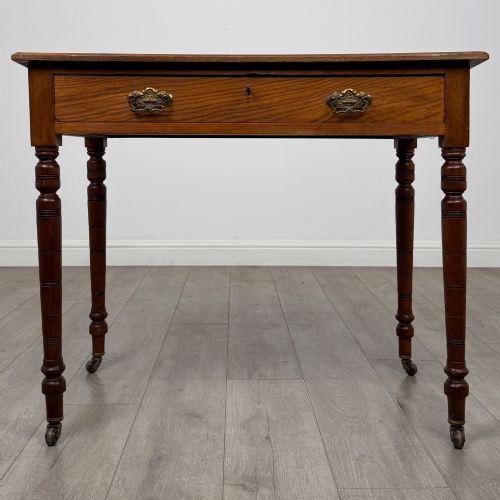

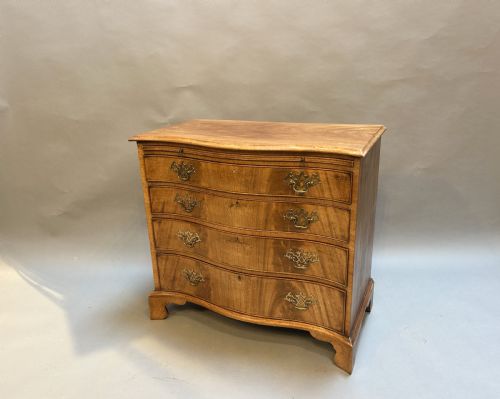
Victorian Brass Handle
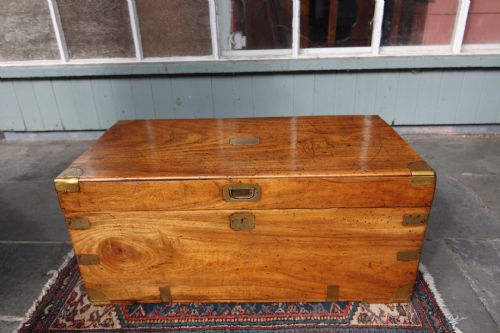
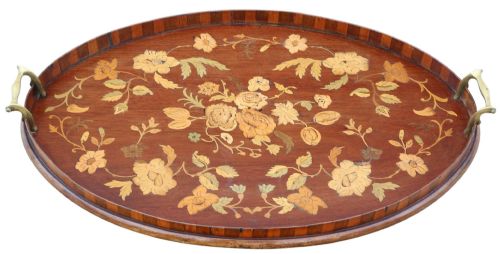
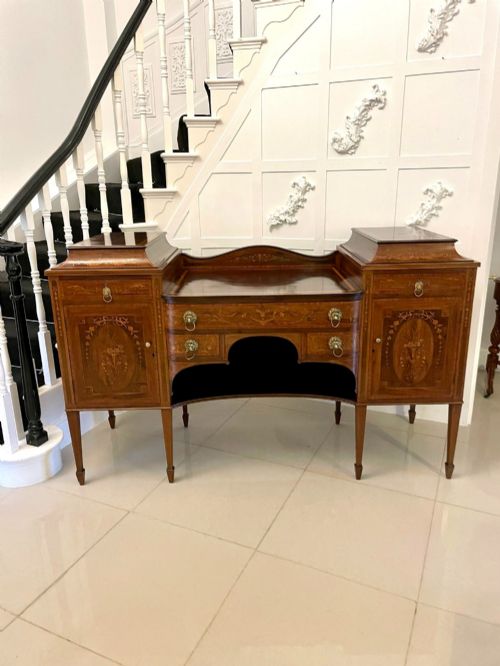
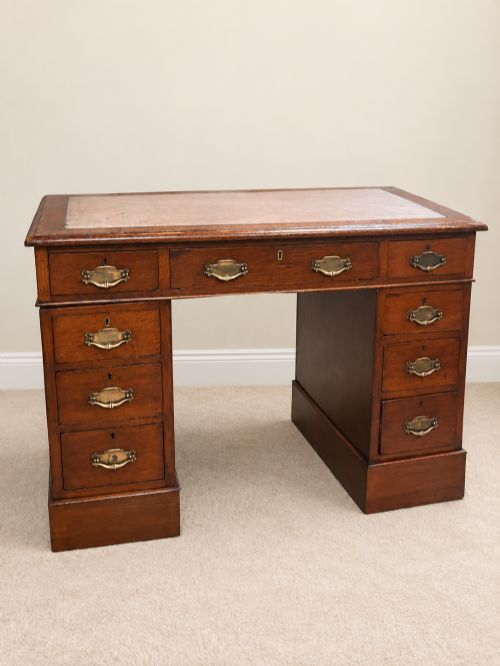
A victorian brass handle represents the functional and decorative metalwork found on nineteenth-century campaign chests, sideboards, desks, and coal scuttles.
Victorian Brass Handle
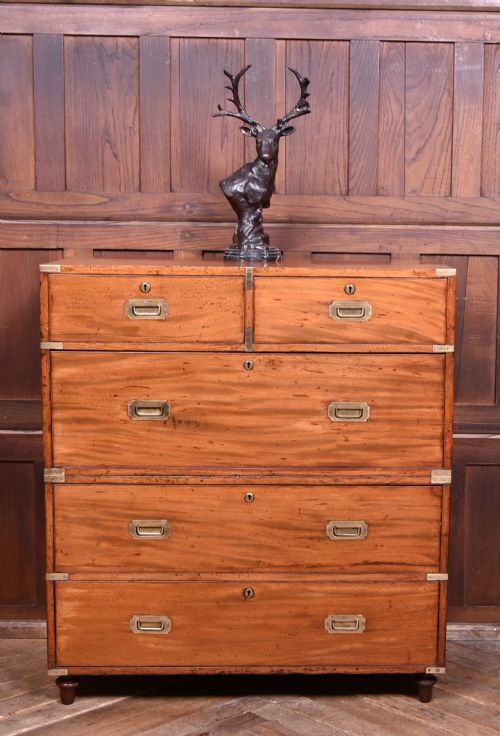
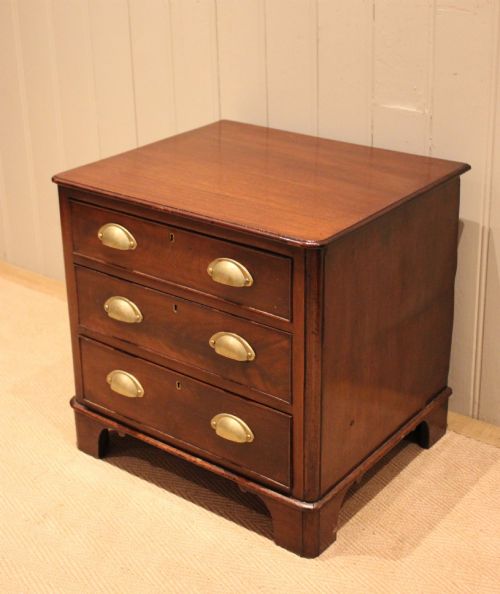
A buyer seeking a victorian brass handle encounters individual furniture pulls, door fixtures, and the substantial fittings attached to campaign chests and sideboards. These fixtures appear primarily on nineteenth-century case furniture, including mahogany and oak chests of drawers, writing desks, and copper or brass planters.
The objects span the Victorian era, with specific pieces recorded from the 1850s through to the Edwardian period. They manifest as single pull handles, matching pairs for doors and drawers, and drop handles integrated into larger domestic items.
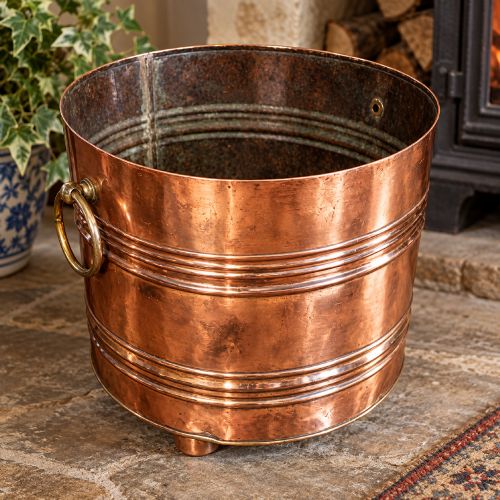
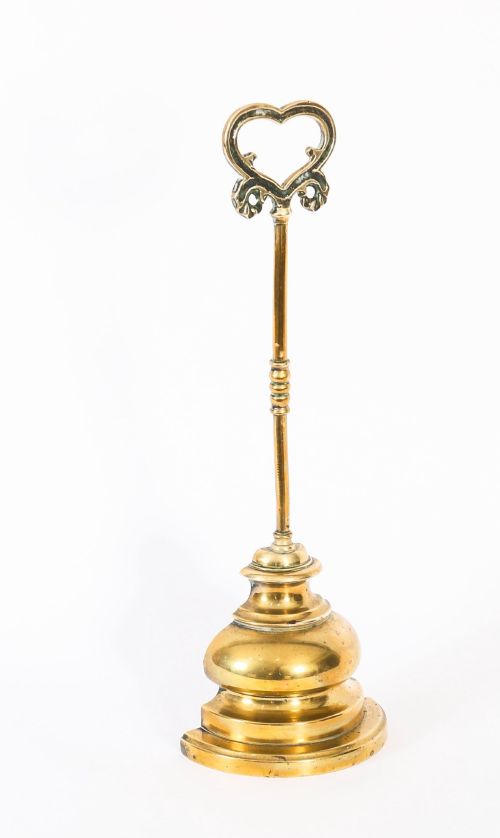
Many examples emerge as original hardware mounted on period furniture, while others circulate as standalone components or decorative elements on fireside coal scuttles and kettles.
Materials and construction
Metalworking techniques of the period utilised cast and seamed brass, frequently combined with secondary metals such as iron and steel for internal mechanisms and supporting structures.
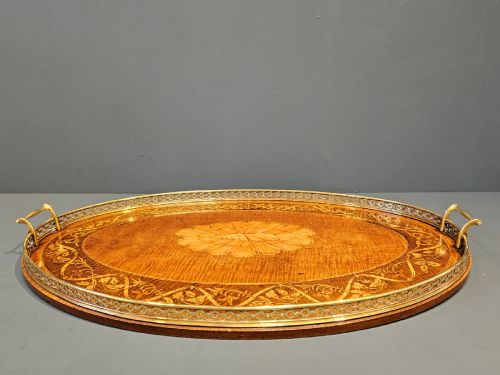
Wooden furniture bodies supporting these fixtures utilised mahogany, oak, walnut, and camphor wood, often accented with boxwood inlay, brass stringing, and leather inserts.
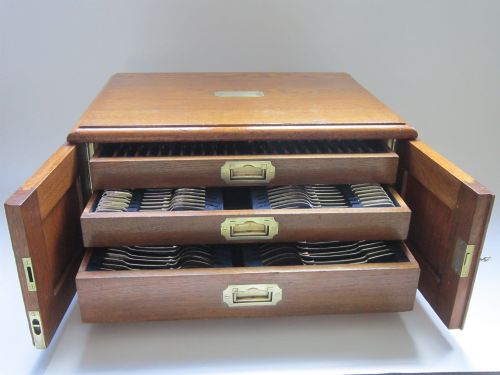
Mounting methods included flush fitting for portable campaign furniture and surface-mounted drop handles secured with backplates and standard fixings.
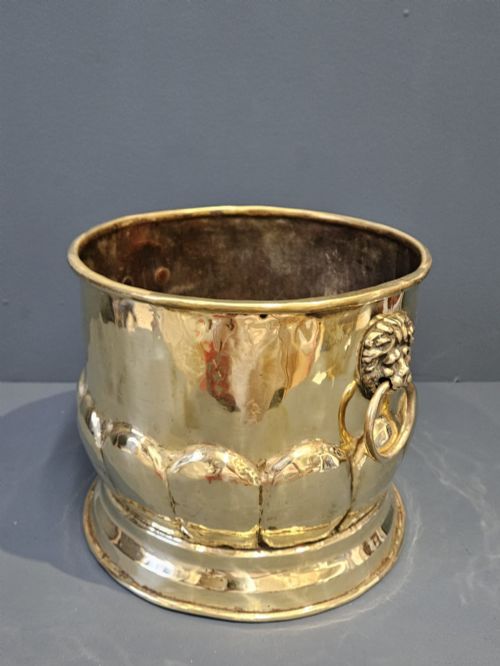
Several items combine fierce brass lion masks with domestic chores, putting a small beast of prey in charge of the coal.
Assessing manufacture and retention
The standard of metal casting determines crispness in decorative details such as lion masks, Gothic motifs, and floral embellishments. Superior items retain clean lines and deliberate relief work rather than softened, blurred edges from worn moulds.
Completeness dictates utility and authenticity, distinguishing pieces retaining their original backplates, screws, and matching counterparts from single replacements collected later. The integration between the metalwork and the surrounding timber or copper vessel reveals the precision of the initial fit.
Hewetsons London·Trollope And Sons·Jas Shoolbred
The Victorian Brass Handle Glossary
- Campaign chest
- A portable nineteenth-century storage trunk built in sections for military transport, traditionally fitted with recessed brass hardware to prevent damage during transit.
- Drop handle
- A swinging pull suspended from fixed mounting points on a backplate, common on nineteenth-century drawers and cabinet doors.
- Lion mask
- A decorative casting shaped like a lion face, frequently incorporating a ring handle through the mouth on heavy planters, coal scuttles, and larger drawers.
- Flush handle
- A metal pull designed to sit level with the wood surface, preventing projections on transport trunks and desks.
- Standish
- A portable desk accessory or inkstand featuring compartments for writing equipment, often incorporating decorated handles for portability.
Victorian Brass Handle: Frequently Asked Questions
Are these handles original to the furniture?
Many campaign chests and mahogany chests of drawers retain their original brass fittings, secured by period fixings and matched to the timber indentation.
Standalone handles and replacement pulls often circulate independently for restoration projects.
What styles of handles exist?
Common forms include simple drop handles, Gothic revival designs, flush campaign fittings, and ornate lion mask ring pulls.
These styles match the broader aesthetic movements of the nineteenth century.
How were these metal fittings attached?
Makers typically secured them using threaded bolts, screws, or pins driven through the wood face or backplate.
Recessed campaign handles required chiselled cavities to sit level with the trunk surface.
What furniture carries these handles?
They appear primarily on nineteenth-century case furniture such as pedestal desks, sideboards, writing tables, and storage chests.
Domestic fireside items like coal scuttles and copper buckets also feature them for lifting and carrying.