



Victorian Brass Door Weight
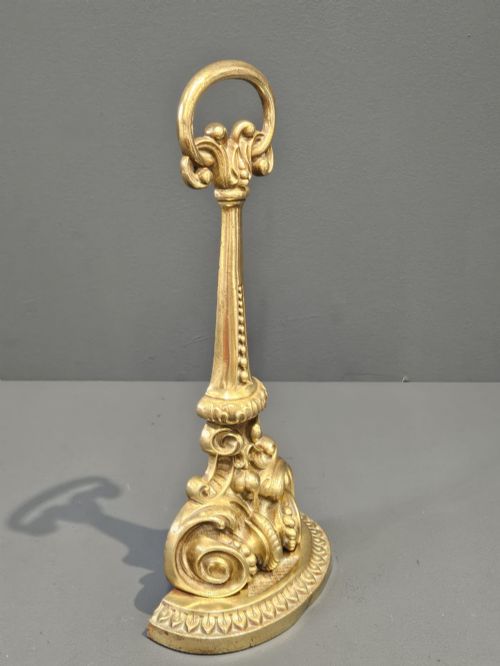
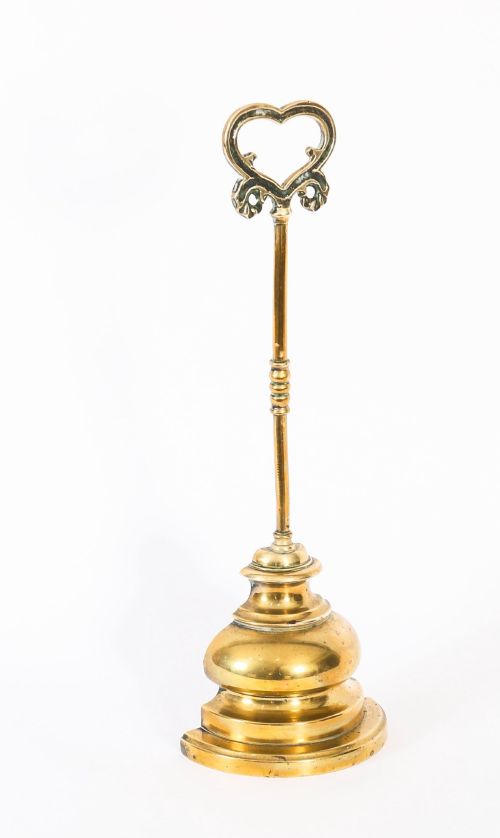
These victorian brass door weight examples are heavy functional ornaments designed to hold heavy interior doors open with steady grace.
Victorian Brass Door Weight
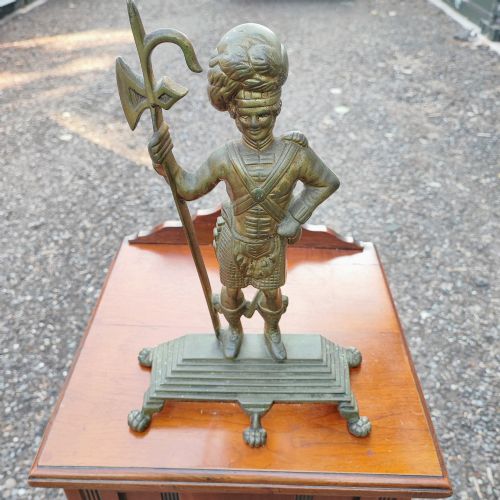
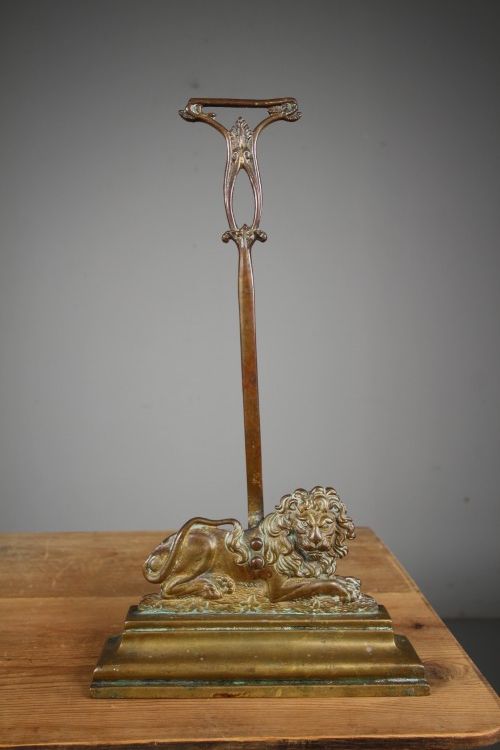
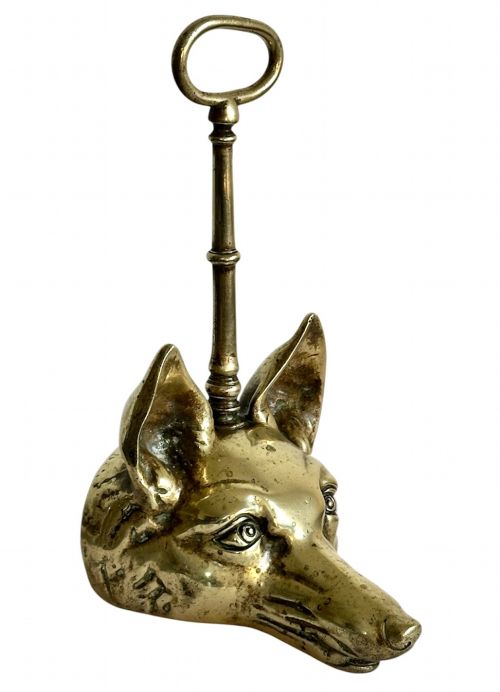
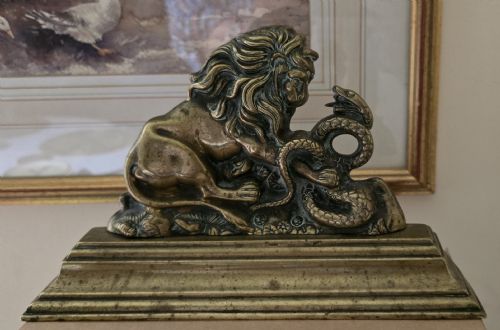
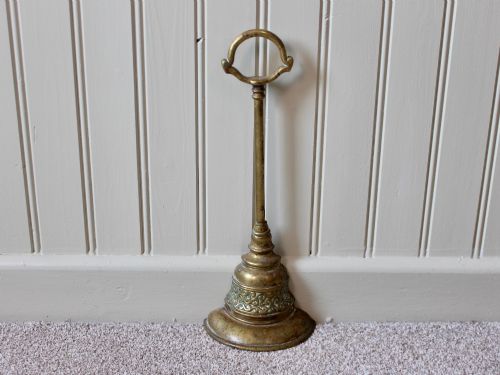
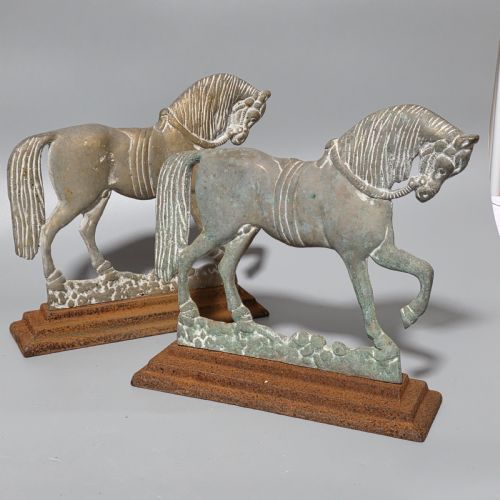
A victorian brass door weight functions as a substantial domestic accessory, taking the form of figural casts, lions, horses, soldiers, and classical figures. These pieces originate predominantly from the nineteenth century, spanning Victorian, Late Regency, and Georgian periods.
The objects serve primarily as door porters to keep interior passages open in grand rooms, utilising sheer mass to hold against draughts. Buyers most commonly encounter cast brass examples depicting heraldic animals, military figures, or mythical creatures.
Makers such as Tonks and William Tonks produced notable variations of these functional weights. Pieces range from single standing animals to paired decorative stops designed for symmetry on either side of a grand entrance.
Materials and construction
Foundries produced these items predominantly through sand casting in brass, often combining the metal with internal lead weighting or cast iron bases to achieve the necessary heft. Selected pieces incorporate secondary materials like walnut, glass, or enamel for decorative contrast.
Listings demonstrate materials including brass, cast iron, bronze, walnut, glass, and enamel across nineteenth-century examples.
Judging the range
The inclusion of maker marks, such as those by Tonks, along with original weighted bases and substantial brass thickness, elevates an example above standard production pieces. Wear and patination on the brass surface reflect the authenticity and age of the object.
Tonks·William Tonks·Gustav Becker
The Victorian Brass Door Weight Glossary
- Door porter
- A heavy movable weight designed to prop doors open, synonymous with a doorstop. These items were essential in large nineteenth-century houses to manage heavy timber doors.
- Cast brass
- Molten alloy poured into a mould to form solid decorative objects. This technique allows for intricate figural shapes and enduring structural weight.
- Late Regency
- A transitional design style bridging the Georgian and Victorian eras. Pieces from this period exhibit classical restraint and clean proportions.
- Chased
- Metal ornamented by hammering or engraving the surface by hand after casting. This process sharpens details on figures like soldiers or animals.
Victorian Brass Door Weight: Frequently Asked Questions
How heavy are victorian brass door weight pieces?
These objects possess substantial heft designed to hold heavy interior doors against draughts.
Most examples utilise solid cast brass combined with internal lead weighting or iron components to maintain stability.
Where were door porters placed?
Domestic staff positioned these heavy items directly on the floor against interior doors in principal rooms.
Pairs were sometimes utilised symmetrically to secure grand double entrances.
How do I clean a brass doorstop?
Maintenance requires only gentle dusting to preserve the natural patination accumulated over the nineteenth century.
Harsh metal polishes should be avoided to retain the historic character of the brass surface.
Are these items strictly Victorian?
The evidence shows examples spanning Georgian, Late Regency, and Victorian periods through the nineteenth century.
Stylistic details and registration marks help differentiate the specific eras of manufacture.