


Victorian Botanical Illustration
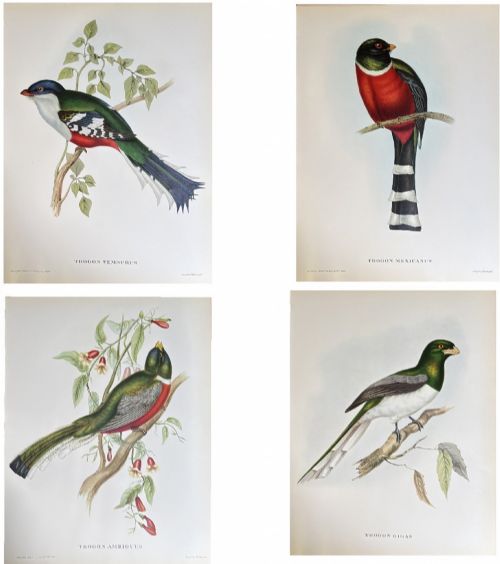
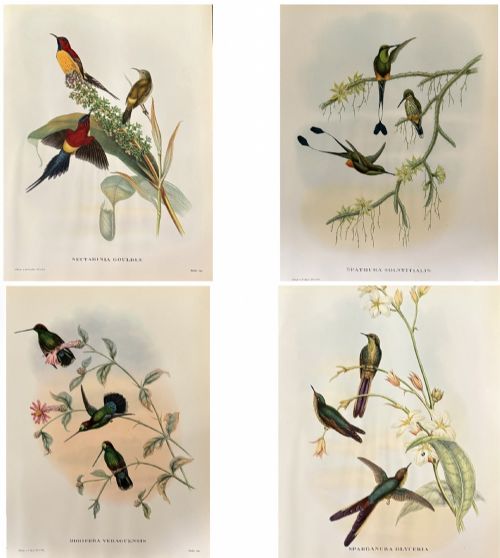
These Victorian botanical illustration pieces bring 19th century flora into modern interiors through delicate watercolours and crisp engravings.
Victorian Botanical Illustration
Victorian botanical illustration works represent a specific 19th century intersection of scientific observation and domestic decoration. Buyers searching for victorian botanical illustration typically find hand-coloured engravings and original watercolour paintings framed for wall display.
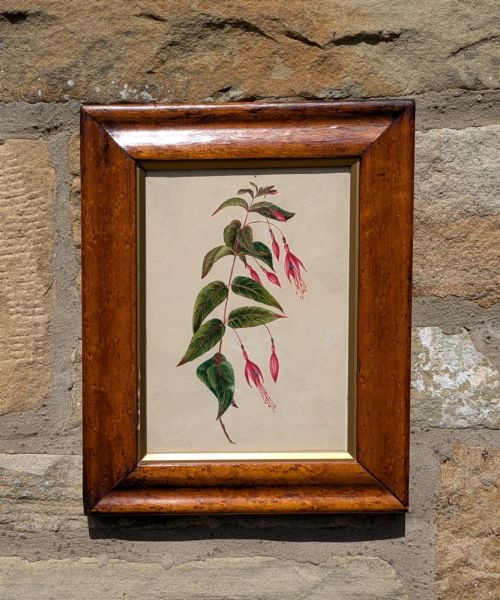
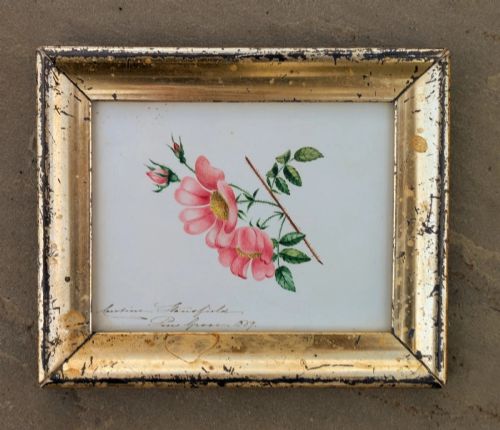
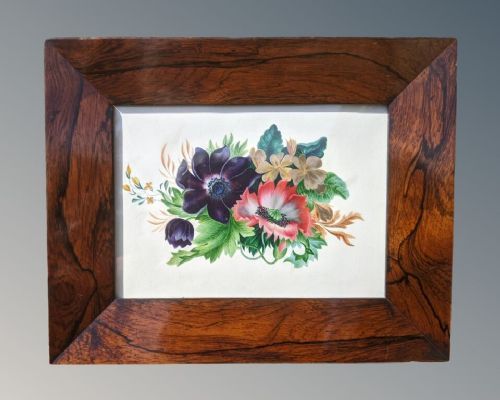
The selections available here encompass framed art and paintings dating from the Victorian era, specifically including pieces from 1870. Subjects range from individual studies of fuchsias and pelargoniums to broader floral compositions.
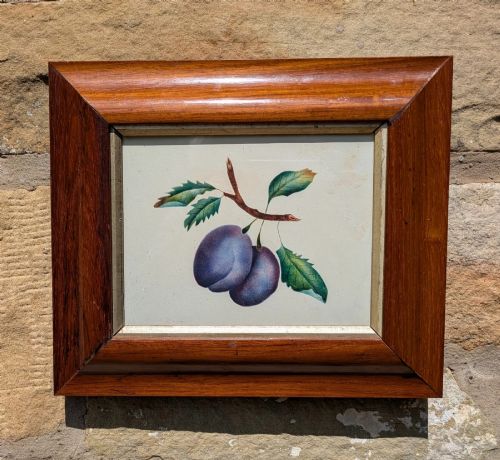
Most examples take the form of wall art housed behind glass in wooden or gilded wood frames. These pieces capture the Victorian appetite for natural history through precise draughtsmanship and pigments on paper.
How they were made
Makers utilised watercolour pigment and paper as the foundational materials for original paintings, applying delicate brushwork to delineate petals and leaves. Engravings relied on printed line work finished with hand-applied colour.
Framing involved wood and gilded wood mouldings designed to protect the fragile paper works while complementing domestic interiors. Glazing with glass shielded the watercolours and engravings from atmospheric dust and moisture.
Pelargoniums and fuchsias captured Victorian hearts so thoroughly that even the ink and pigment demanded precise botanical accuracy.
What varies in quality
Quality rests upon the precision of the botanical draughtsmanship and the vibrancy of the surviving watercolour pigments. Finer examples display meticulous attention to botanical structure alongside well-preserved paper supports.
The execution of the frame also dictates overall standard, with original gilded wood frames offering greater period harmony than modern replacements. The subtlety of hand-colouring on engravings marks the distinction between standard prints and superior collector pieces.
Eloise Harriet Stannard·Jabez Bligh
The Victorian Botanical Illustration Glossary
- Watercolour pigment
- Ground colour mixed with a water-soluble binder, applied to paper to create translucent botanical studies. This medium allowed artists to achieve soft tonal gradations in floral petals.
- Engraving
- An image printed from an engraved plate, frequently hand-coloured afterwards to provide accurate botanical hues. These prints served both scientific records and home decoration.
- Gilded wood
- Timber treated with gold leaf or metallic powder, forming ornate borders for framing artwork. This finish was common for displaying significant 19th century pictures.
- Wall art
- Decorative items intended for hanging, encompassing both original paintings and framed engravings. This category covers the primary format for Victorian botanical works.
Victorian Botanical Illustration: Frequently Asked Questions
What is a botanical illustration?
A botanical illustration is a precise visual depiction of plant species created for scientific study or aesthetic appreciation.
In the 19th century, artists recorded flora using watercolours and engravings to capture accurate structural details.
How should I hang them?
These works require hanging away from direct sunlight to prevent watercolour pigments from fading over time.
Keeping them behind glass protects the paper support from humidity changes in domestic rooms.
Are these original 19th century works?
The listings comprise 19th century items including watercolours and engravings from the Victorian period.
Materials such as paper and wood match the manufacturing standards of that era.
What frames do they use?
Framing materials include wood and gilded wood, often paired with glass to safeguard the delicate paper inside.
These surrounds reflect the decorative preferences typical of Victorian interiors.