


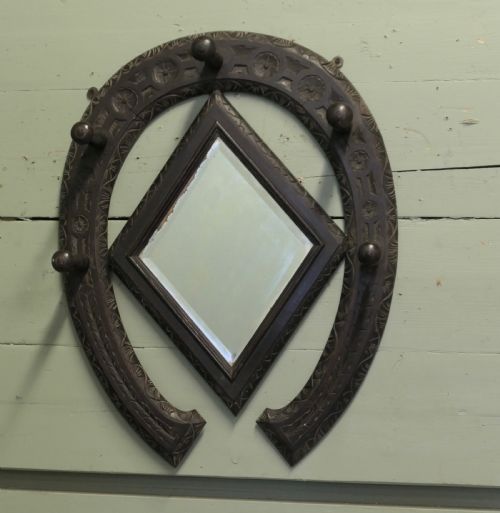
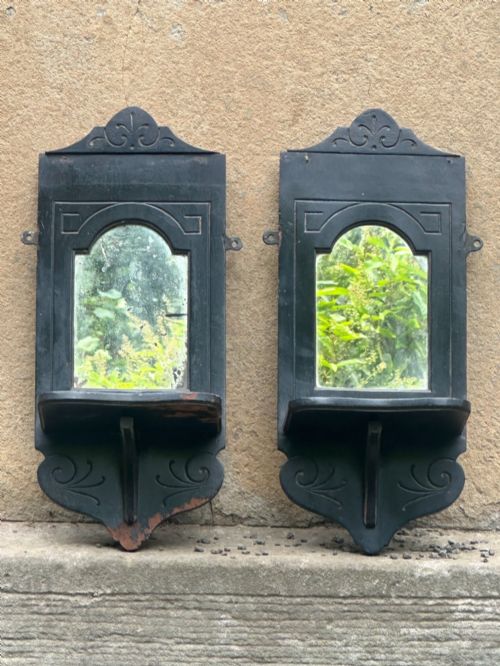
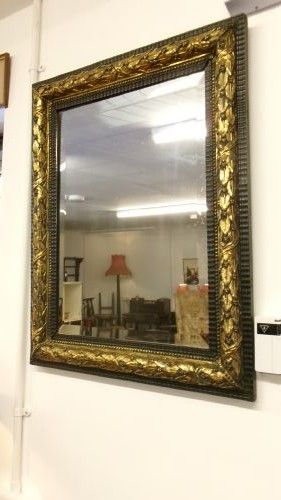
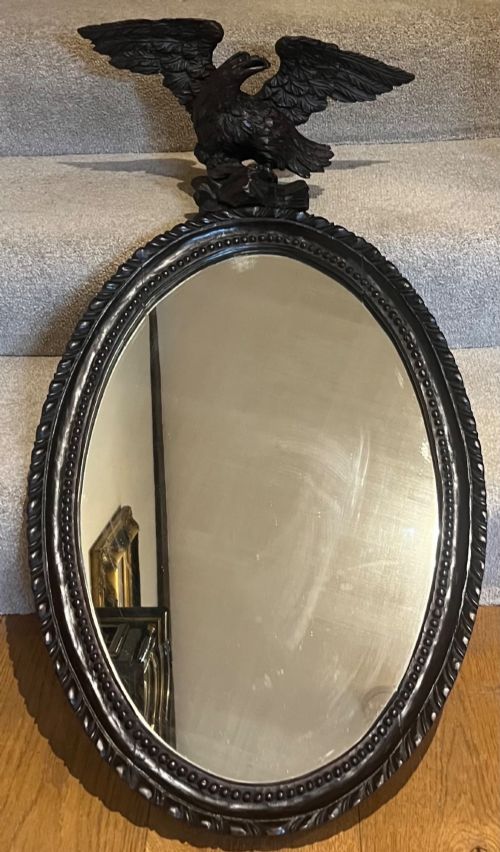


Victorian Black Wall Mirror
A victorian black wall mirror brings dark wood and striking reflection to a room, offering the bold contrast that collectors prize.
Victorian Black Wall Mirror
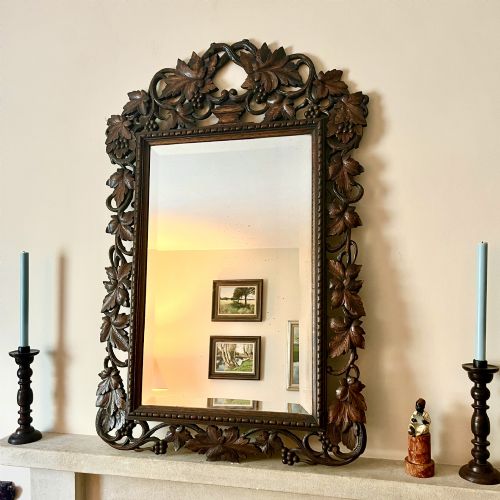
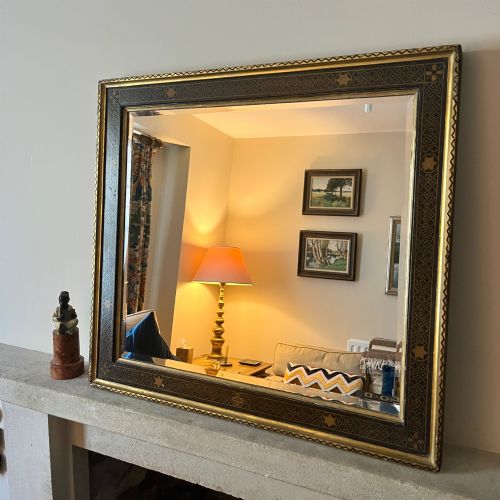
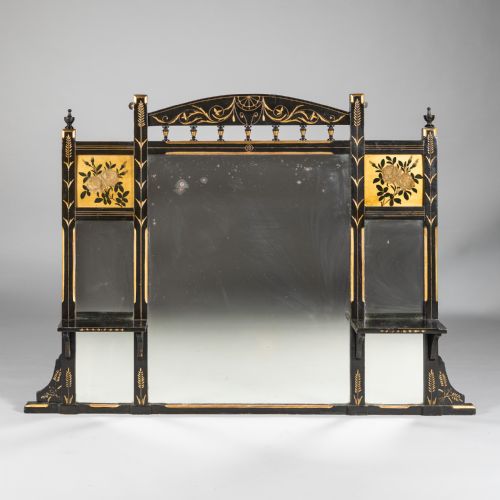
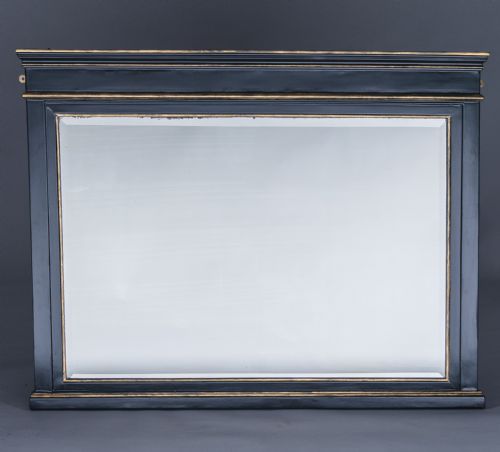
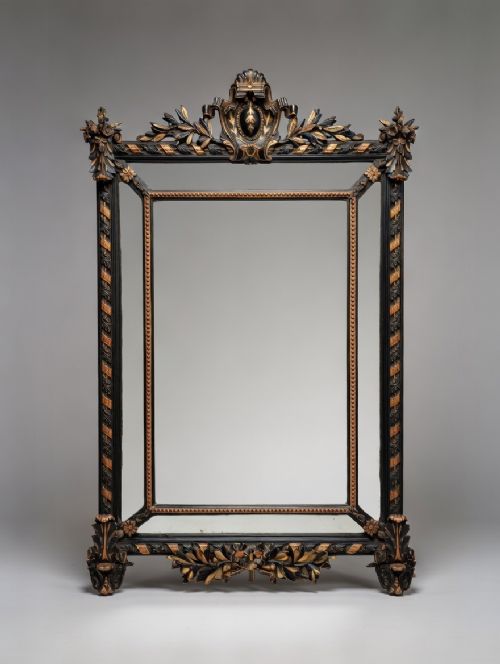
A victorian black wall mirror ranges from grand overmantle pieces to smaller wall and hall formats, originating mainly from the nineteenth century and the Edwardian era. You will frequently encounter ebonised wood and parcel-gilt overmantle frames shaped with arched tops or rectangular proportions.
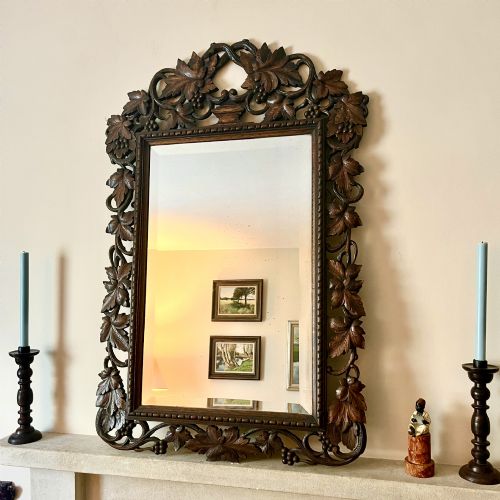
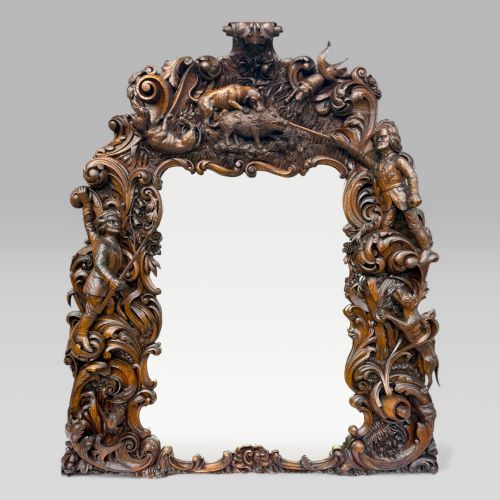
The selection also spans regional styles such as Black Forest carvings, Gothic Revival oak, and Aesthetic Movement designs. These pieces served practical roles in reception rooms and hallways, functioning simultaneously to bounce light and anchor dark interiors.
How They Were Made
Frames rely principally on timber such as oak, ebonised wood, and painted or lacquered surfaces, often enhanced with applied gesso. Artisans built up intricate decorative details using carved wood and moulded gesso before applying black finishes and parcel-gilt highlights.
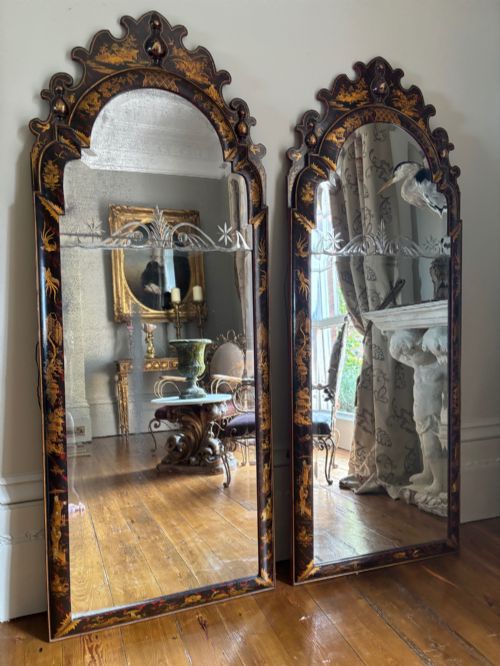
Mirrors incorporated sheet glass, mirror glass, and occasional specialised elements like original bevelled edges or acid etching. Gilding and silvering techniques brought contrast to the dark frames through gold leaf and parcel-silvered accents.
Sorcerer's mirrors and distortion glass brought optical curiosity into nineteenth-century homes, proving that Victorians loved a playful visual trick.
What Varies in Quality
The standard of a victorian black wall mirror rests on the crispness of the hand-carved wood and the depth of the ebonised finish. Superior examples display finely sculpted gesso ornaments and integrated parcel-gilt detailing that remains crisp and secure on the timber.
Originality of the glass and structural integrity of the heavy overmantle frames further separate ordinary items from exceptional survivals. The weight and stability of the wooden carcass dictate how well these large hanging pieces endure over time.
Cottier and Co
The Victorian Black Wall Mirror Glossary
- Ebonised
- Wood finished with a dark stain or paint to imitate ebony. This treatment defined many nineteenth-century formal interiors.
- Parcel-Gilt
- Partially gilded with gold leaf or metal leaf. It highlights specific carved details against a dark background.
- Overmantle Mirror
- A large mirror designed to hang above a fireplace mantelpiece. These often feature wide frames and horizontal proportions.
- Gesso
- A plaster mixture applied to wood frames to create relief ornamentation. Artisans carved and gilded this surface once dry.
Victorian Black Wall Mirror: Frequently Asked Questions
Where should I hang an overmantle mirror?
These large mirrors traditionally hang directly above a fireplace mantelpiece to reflect light and anchor the room's proportions.
Ensure the wall fixings securely support the heavy timber and glass weight of the frame.
How do I clean an antique mirror frame?
Dust the carved wooden and gesso surfaces gently with a soft dry brush to protect the delicate ebonised and gilded finishes.
Avoid liquid cleaners near the old wood and gesso to prevent moisture damage.
What is an Aesthetic Period mirror?
Aesthetic Movement pieces embrace artistic design for its own sake, often combining ebonised wood with subtle gilt and painted details.
These mirrors reflect late nineteenth-century tastes for stylised decoration and refined craftsmanship.
How can I tell if the glass is original?
Original nineteenth-century mirror glass often displays minor foxing, tiny specks, or slight waviness across the reflection surface.
Modern replacement glass tends to be uniformly clear without the characteristic distortions of period manufacture.