


Victorian Biscuit Porcelain Sculpture
These Victorian biscuit porcelain sculpture works offer the smooth, unglazed finish of classical marble in miniature form.
Victorian Biscuit Porcelain Sculpture
Victorian biscuit porcelain sculpture pieces bring classical subjects and domestic figures into the nineteenth-century interior through unglazed ceramic bodies. When you examine this phrase, you look at figures, groups, and busts produced across the nineteenth century.
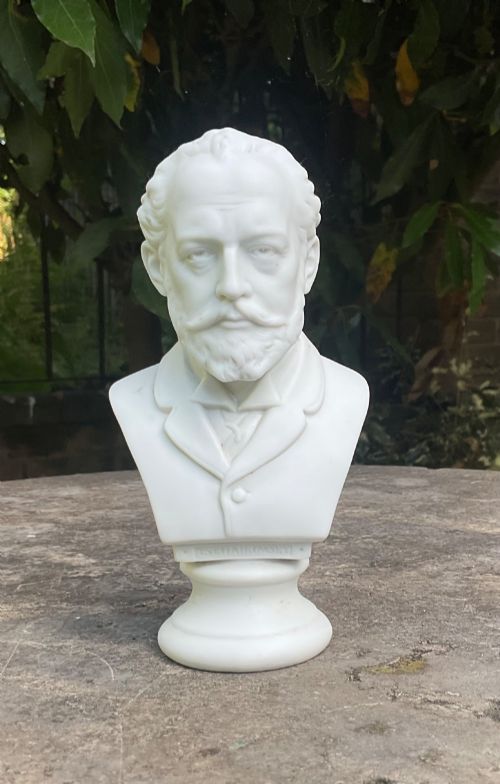
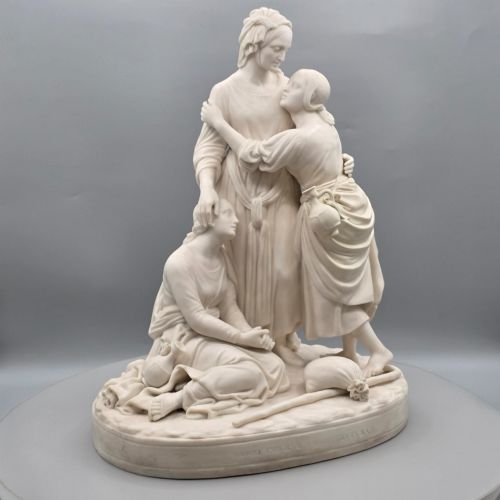
The pieces on this page lean heavily into Victorian neoclassical subjects, literary scenes, and portrait busts of prominent figures. Makers reproduced famous gallery sculptures or modelled original compositions specifically for the drawing room.
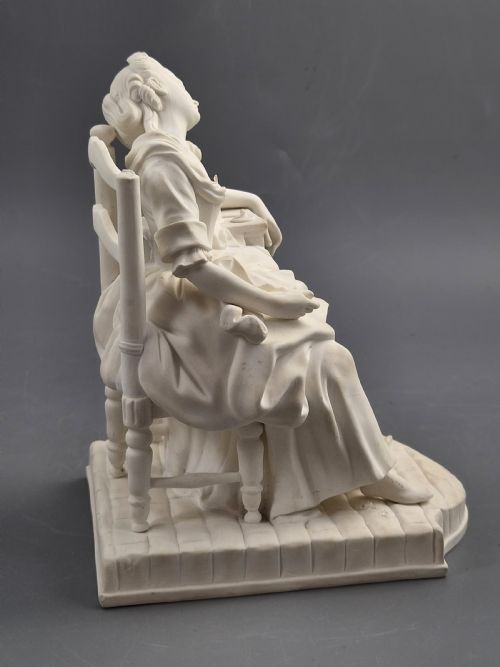
Forms range from intimate single figurines of young girls to large group studies depicting biblical or mythological narratives. English and continental potteries both contributed to this tradition, utilising biscuit porcelain and parian ware to mimic carved stone.
Materials and production
Makers produced these sculptures using parian ware and bisque porcelain, ceramic bodies left unglazed after firing to achieve a matte, marble-like texture. This composition allows fine details in drapery and facial expression to remain crisp without the softening effect of a glossy glaze.
Factories cast the figures in multiple mould sections, carefully joining the seams and hand-finishing the surfaces before firing at high temperatures. Enamel and gilt highlights occasionally appear on select details, though the primary aesthetic relies on the pure white ceramic.
Hunting dogs and sleeping maidens remain perennially popular, ensuring your Victorian mantelpiece is watched over by very sleepy company.
Assessing quality and execution
The reputation of the producing pottery and the skill of the original modeller dictate the standing of a piece within the range. Larger scale studies and complex figural groups demonstrate the technical ambition of the factory.
Minton·Copeland·Royal Worcester·Royal Dux·Triebner Ens And Co
The Victorian Biscuit Porcelain Sculpture Glossary
- Biscuit porcelain
- Unglazed ceramic fired once to create a vitrified body with a matte, porous finish resembling marble.
- Parian ware
- A specific type of fine white biscuit porcelain developed in the nineteenth century to imitate carved marble.
- Bisque
- An alternative term for biscuit porcelain, commonly used to describe unglazed figures and busts.
- Neoclassical
- A style drawing inspiration from the classical art and architecture of ancient Greece and Rome.
Victorian Biscuit Porcelain Sculpture: Frequently Asked Questions
What is parian ware?
Parian ware is a type of fine white biscuit porcelain introduced during the nineteenth century. It was specifically formulated to replicate the appearance and smooth texture of carved marble.
Potteries used this material for portrait busts and miniature reproductions of classical sculptures. The unglazed surface captures fine details in modelling without reflective glare.
How do I clean biscuit porcelain?
Because biscuit porcelain is unglazed and porous, it absorbs moisture and dirt easily. Dusting with a soft brush is the safest method for routine maintenance.
Avoid using water or chemical cleaners directly on the surface, as they can stain the matte ceramic body. Professional conservation is recommended for stubborn marks.
Where were these sculptures made?
These sculptures originated in major European ceramic centres during the nineteenth century. English factories such as Minton and Copeland produced significant quantities of parian figures.
Continental potteries in Germany and France also contributed distinct bisque and parian models. Makers often exported these works internationally to satisfy middle-class demand for classical art.
Are these pieces marked?
Many nineteenth-century biscuit porcelain sculptures carry impressed factory marks or model numbers on the base. These stamps help identify the producing pottery and occasionally date the piece.
Unmarked examples remain common, requiring stylistic comparison and subject analysis for attribution. Quality of modelling often serves as the primary indicator of origin.