







Victorian Bird Display
When you search for a victorian bird display, you enter a parlour of preserved specimens and glass cases capturing nineteenth-century natural history.
Victorian Bird Display
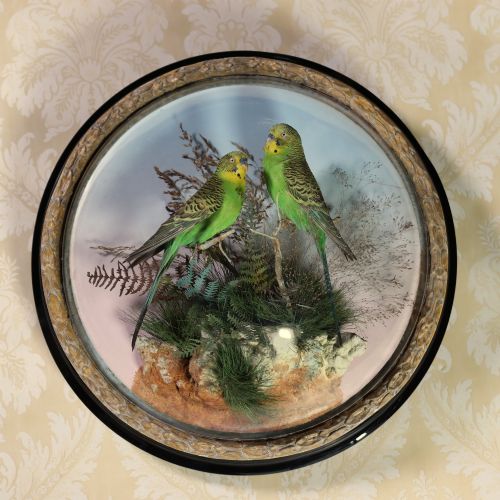
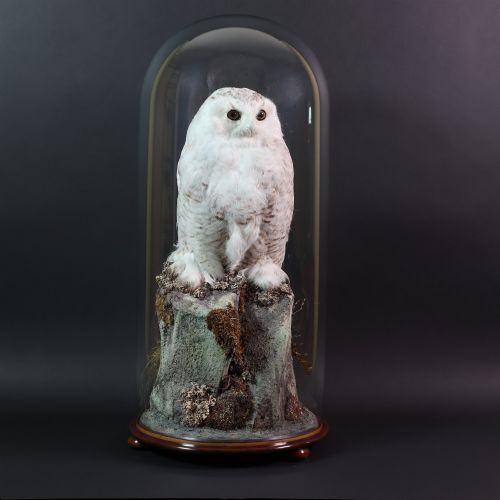
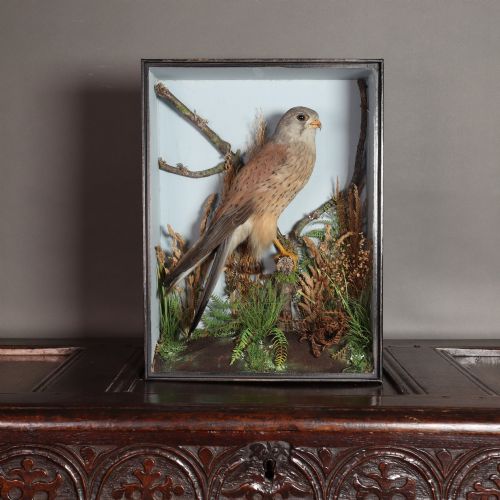
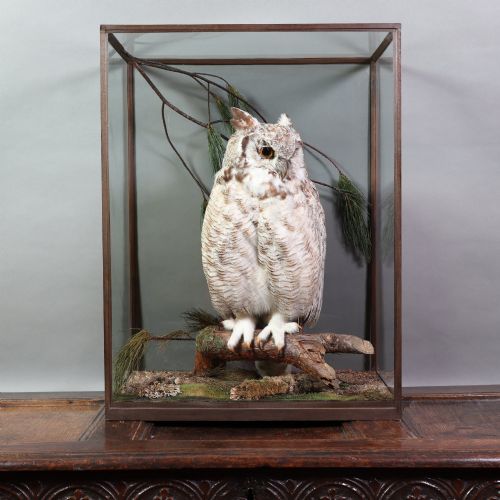
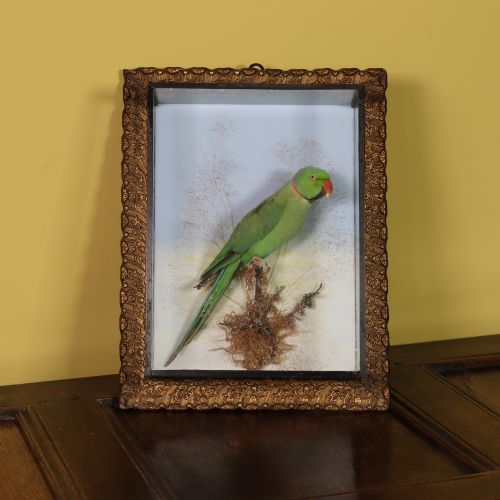
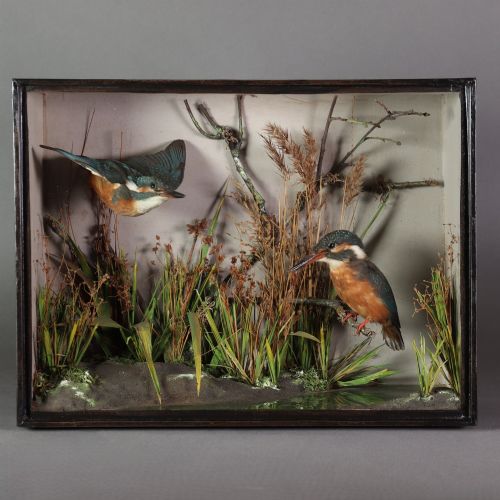
A victorian bird display most frequently takes the form of taxidermy mounted inside glass domes, wooden display cases or picture frame boxes. These pieces capture individual specimens such as owls, kingfishers, parrots and birds of paradise, alongside multi-bird compositions arranged in naturalistic settings.
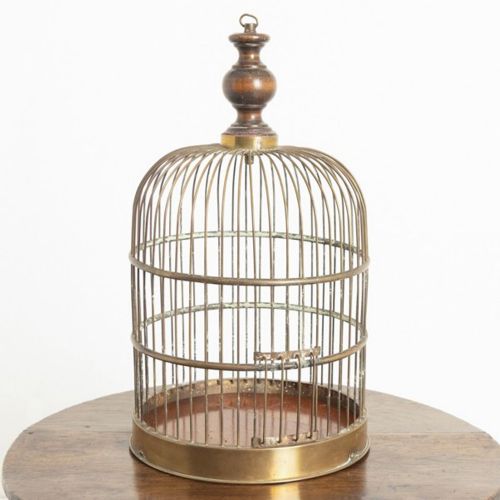
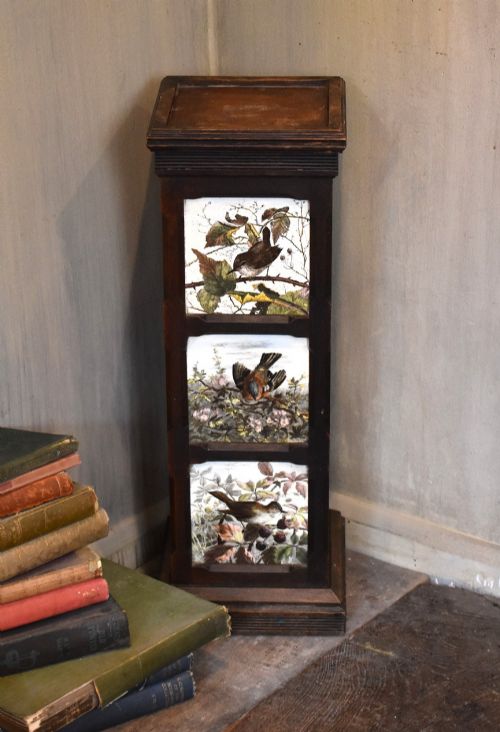
The objects span the nineteenth century and the early twentieth century, reflecting the period fascination with natural history and ornithology. Alongside preserved specimens, the category encompasses ceramic ornithological plates, brass and wooden birdcages, and glass vessels adorned with avian motifs.
Buyers encounter works originating from regional taxidermists as well as prominent London and provincial firms. The forms range from compact table domes to substantial wall cases containing mixed exotic species from South America, Australia and New Guinea.
Materials and technique
Taxidermy displays combine preserved specimen birds with natural foliage, moss, paper and painted backgrounds housed within timber and glass enclosures. Cabinet makers constructed wooden frames, flat-sided domes and glazed cases utilising materials such as oak and birds eye maple, occasionally incorporating brass fittings.
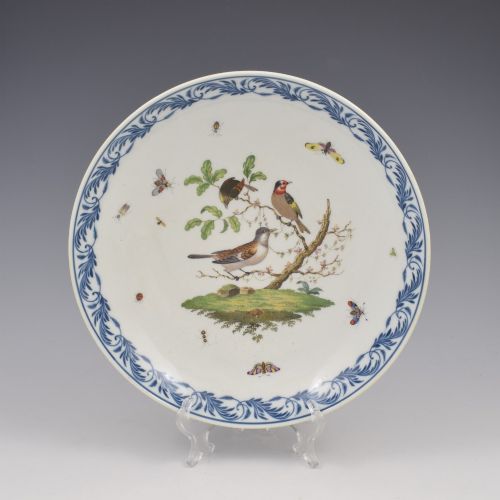
Ceramic plates and decorative objects employ porcelain and ironstone, decorated with hand-painted or enamelled depictions of exotic birds. Glass vessels utilise opaque or enamelled glass techniques to render avian subjects, while metal display items rely on wire framing and brass casting.
Victorian Bird Display Retail Price Guide 2026
Typical asking prices for victorian bird display among the pieces listed under this phrase on Sellingantiques today, from the lower quarter to the upper quarter. They describe what is for sale here now, not the wider market.
Some Victorian taxidermists posed birds reading tiny newspapers or playing miniature cards inside their display cases.
What varies in quality
The distinction between pieces rests upon the taxidermist's skill in rendering natural posture, anatomical proportion and plumage condition. Master practitioners integrated painted backdrops and botanical elements that create a convincing spatial depth within the glass case.
J Griffiths of Burford·Rowland Ward Ltd·T E Gunn·William Bazeley & Sons·Henry Ward London·A Pollard·James Gardner·W F Homer London
The Victorian Bird Display Glossary
- Taxidermy display case
- A wooden and glass box enclosing preserved animal specimens arranged in a simulated natural environment. These enclosures protected delicate feathers from dust and insect damage in nineteenth-century interiors.
- Taxidermy dome
- A blown glass cover mounted on a wooden or brass base, utilised to protect single or paired bird specimens. Flat-sided versions provide altered optical angles for viewing the interior composition.
- Ornithological dessert dish
- A ceramic plate or platter decorated with painted studies of birds, often produced by factories such as Meissen during the nineteenth century. These items formed part of larger dining services.
- Birds eye maple
- A figured timber variety displaying small circular markings resembling bird eyes, frequently utilised for nineteenth-century cabinetry and display frames. It provides a distinct decorative grain pattern.
Victorian Bird Display: Frequently Asked Questions
What is a victorian bird display?
A victorian bird display is a nineteenth-century taxidermy arrangement featuring preserved avian specimens mounted within glass domes or wooden exhibition cases. These pieces were created to showcase natural history specimens in domestic interiors.
Alongside taxidermy, the category includes ceramic plates, glass vessels and metal cages decorated with avian themes. Each piece reflects the Victorian enthusiasm for collecting and displaying natural specimens.
How were taxidermy birds mounted?
Taxidermists prepared bird skins and mounted them over sculpted body forms, arranging the posture to mimic live behaviour. Specimens were then pinned within cases alongside preserved moss, twigs and painted landscape backgrounds.
Cases were sealed to protect the delicate feathers from dust and deterioration. The interior settings aimed to replicate the natural habitat of the specific bird species.
How do I display taxidermy at home?
Taxidermy cases and domes require placement away from direct sunlight and excessive moisture to protect the feathers and organic materials. Glass domes should sit on stable, flat surfaces where accidental knocks can be avoided.
Lighting should be subdued to prevent fading of the plumage over time. Allowing adequate space around the enclosure lets the naturalistic composition remain the focal point of a room.
How do I identify the period?
Dating relies upon construction methods, materials, glass characteristics and stylistic conventions of the nineteenth century. Hand-blown glass domes, older framing timbers and handwritten labels inside cases offer clues to the approximate decade.
Attributions to recorded taxidermists or known workshop labels provide more precise chronological anchors. Comparative study of known pieces by makers helps confirm the era of production.