



Victorian Stuffed Birds
These Victorian stuffed birds bring nineteenth-century natural history straight into the room inside glass domes and timber cases.
Victorian Stuffed Birds
When you search for victorian stuffed birds, you are looking at preserved avian specimens arranged within glazed enclosures or presented as freestanding mounts. The examples gathered here span the Victorian and Edwardian periods, stretching from the 1870s into the early twentieth century.
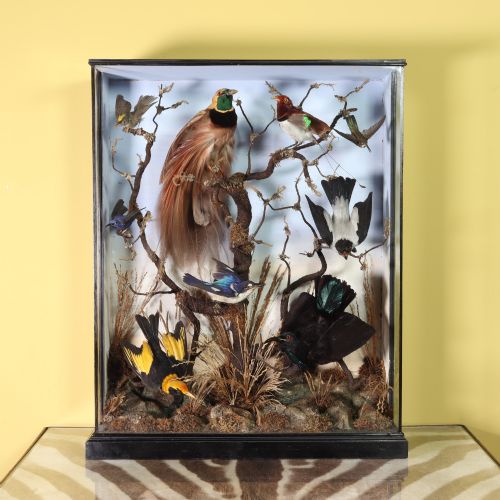
The assortment on this page includes single specimens like the white pheasant, kingfisher and heron alongside complex multi-bird groupings. You will encounter species sourced from Britain alongside exotic specimens originating in South America, New Guinea and Australia.
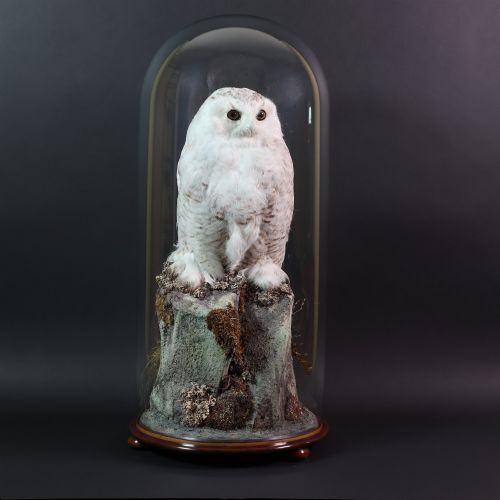
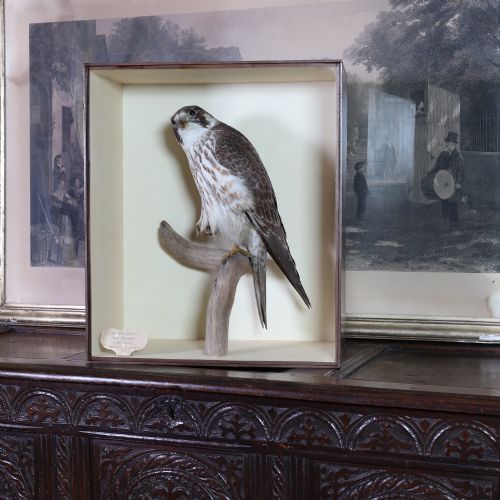
Most pieces arrive enclosed in timber cases, flat-sided domes or curved glass domes that protect the delicate feathers from dust and damage. These enclosures frequently incorporate moss, flora and simulated snow scenes to mimic natural habitats.
How they were made
Taxidermists built internal armatures from timber and wire to support the bird skins, which were carefully preserved and treated. The prepared specimens were then mounted over artificial or preserved flora and moss to create convincing woodland or aquatic dioramas.
Glass domes and wooden cases formed the crucial final barrier, sealing the specimens away from moisture and handling. Ebonised wood and oak commonly framed these displays, providing a dark, contrasting border that focused attention onto the brightly coloured plumage within.
Victorian Stuffed Birds Retail Price Guide 2026
Typical asking prices for victorian stuffed birds among the pieces listed under this phrase on Sellingantiques today, from the lower quarter to the upper quarter. They describe what is for sale here now, not the wider market.
Listings feature oak and ebonised wood cases protecting specimens set among moss, paper and preserved flora.
What varies in quality
The distinction between ordinary and exceptional taxidermy rests upon the naturalism of the pose and the taxidermist's skill in capturing anatomical proportion. Specialist practitioners achieved lifelike postures that avoid the stiff, rigid appearance found in less accomplished historical work.
Enclosures also dictate the standing of a piece, with blown glass domes and substantial timber frames elevating the presentation. Attributions to known practitioners or established firms command greater attention from collectors than unsigned workshop pieces.
Henry Ward London·A Pollard·James Gardner
The Victorian Stuffed Birds Glossary
- Taxidermy
- The art of preserving, preparing and mounting animal skins to replicate lifelike form. This practice reached significant popularity during the nineteenth century for scientific study and domestic decoration.
- Ebonised wood
- Timber treated with a finish to imitate ebony, creating a dense black surface. This material appears frequently on nineteenth-century display bases and frames.
- Dome
- A curved glass cover resting on a wooden base, designed to protect fragile specimens. Flat-sided variations also occur within domestic collections.
- Flora
- Plant life utilised within taxidermy cases to recreate natural environments. Artisans arranged dried grasses, twigs and moss around the mounted specimens.
- Specimen
- An individual animal or bird prepared for display or study. These subjects range from native British wetland birds to exotic tropical species.
Victorian Stuffed Birds: Frequently Asked Questions
Were these birds collected for science?
Many nineteenth-century specimens served both scientific study and domestic interior decoration as natural history enthusiasm swept through households. Explorers and naturalists brought exotic birds back from regions like New Guinea and South America.
Taxidermists mounted these skins into educational and decorative groupings for private collectors and public displays.
Can I remove the glass dome?
Lifting a glass dome requires extreme caution because the historical glass is often thin, heavy and securely seated in its groove. Disturbance can easily damage the delicate feathers of the mounted birds inside.
It is safest to leave the enclosure intact and clean only the exterior surfaces.
How do I identify a Victorian specimen?
Examine the construction materials, such as ebonised wood bases, old paper backing tapes and hand-blown glass anomalies. The taxidermy techniques and species combinations often align with late nineteenth-century natural history trends.
Certain pieces carry attribution labels or signatures from known period practitioners on the underside of the base.